
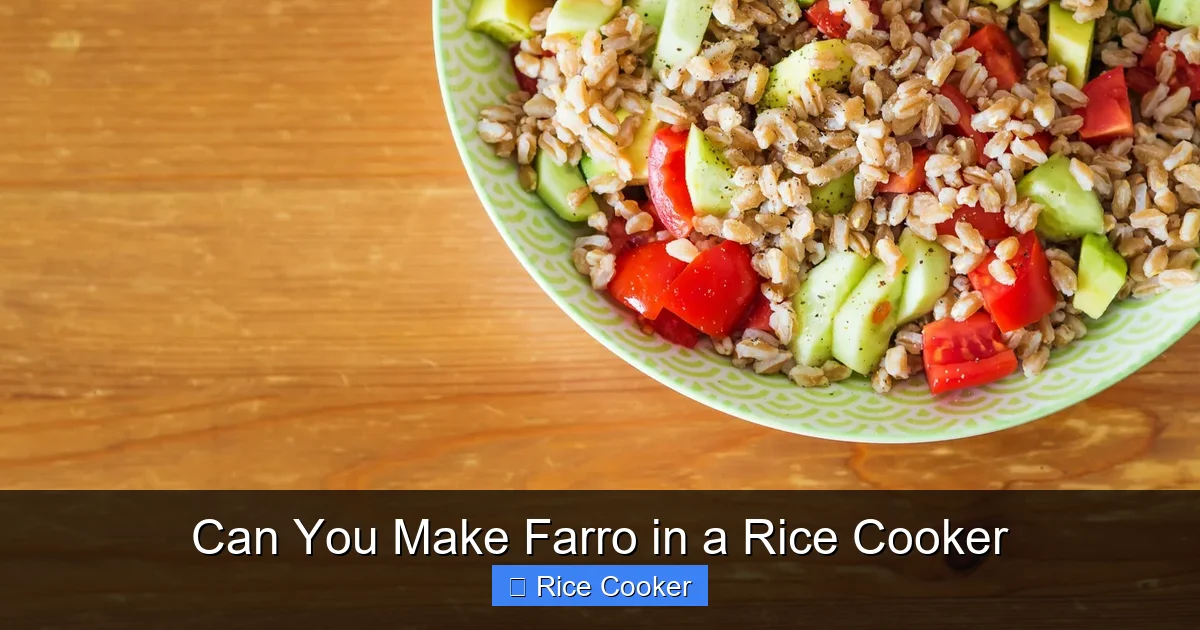
Yes, you can absolutely make farro in a rice cooker—it’s simple, hands-off, and yields tender, fluffy grains every time. With the right water-to-farro ratio and a few easy steps, you can enjoy this ancient grain like a pro without standing over the stove. It’s a game-changer for busy weeknights or healthy meal prep!
Key Takeaways
- Farro cooks quickly in a rice cooker: Typically takes 15–30 minutes, depending on variety and soak time.
- Use the right water ratio: Start with 2:1 water-to-farro by volume for most types (pearl, semi-pearled, or whole).
- Soaking helps reduce cooking time: Overnight soaking can cut cooking time by up to half and improve digestibility.
- Season before cooking: Add salt, herbs, or broth for extra flavor instead of relying on seasoning at the end.
- Don’t open the lid mid-cook: Keep the rice cooker sealed to maintain consistent steam and temperature.
- Fluff gently after cooking: Use a fork to fluff farro without breaking the grains.
- Store leftovers properly: Refrigerate in an airtight container for up to 5 days or freeze for longer storage.
Quick Answers to Common Questions
Can I substitute farro for rice in recipes?
Yes! Farro can replace rice in pilafs, stuffing, or grain bowls. Just adjust water ratios—it absorbs more liquid than white rice.
Is farro gluten-free?
No, farro contains gluten because it’s a form of wheat. People with celiac disease or gluten sensitivity should avoid it.
How long does cooked farro last?
Stored in an airtight container in the fridge, cooked farro lasts 4–5 days. Freeze for up to 3 months.
Do I need to soak farro before cooking?
Not always, but soaking whole farro reduces cooking time and improves digestibility. Optional for semi-pearled or pearled farro.
Can I make farro in a pressure cooker instead?
Yes! Use 1.5:1 water-to-farro ratio and cook on high pressure for 8–12 minutes (whole farro needs more time). Natural release for 10 minutes.
📑 Table of Contents
Can You Make Farro in a Rice Cooker?
If you’re looking for a healthy, fiber-rich grain that’s also super versatile, farro might just be your new favorite pantry staple. But if you’re used to cooking rice or quinoa on the stovetop, you might wonder: Can you actually make farro in a rice cooker? The short answer? Absolutely—and it’s easier than you think.
Farro, an ancient grain native to Italy, comes in several varieties: whole, semi-pearled, and pearled (also called refined). Each has its own texture and cooking time. Whole farro retains the bran and germ, offering the most nutrients and chewy bite. Semi-pearled is partially polished, so it cooks faster but still holds shape well. Pearled farro is fully refined, making it quicker to cook but less nutritious than whole grain.
Using a rice cooker isn’t just convenient—it’s reliable. Once you set it and forget it, you get consistently cooked farro without babysitting the pot. Whether you’re meal prepping salads, making side dishes, or experimenting with grain bowls, this method saves time and effort while delivering great results every time.
Why Choose a Rice Cooker for Farro?
You might be wondering why bother with a rice cooker when you can just boil farro on the stove. Well, there are a few big advantages:

Visual guide about Can You Make Farro in a Rice Cooker
Image source: apeachyplate.com
1. Hands-Off Cooking
No stirring required. Just add water, farro, and seasonings, press a button, and walk away. This is perfect for multitasking or when you want to focus on other parts of dinner prep.
2. Consistent Results
Rice cookers maintain steady heat and automatically switch to warm mode when done—so your farro won’t burn or dry out. That means fewer failed batches and more reliable outcomes.
3. Energy Efficient
Compared to simmering on the stove, a rice cooker uses less energy once it reaches cooking temperature. And since most modern models have keep-warm functions, you can serve hot farro even if dinner is delayed.
4. Easy Cleanup
One pot, one bowl, no splatters. After cooking, simply rinse the inner pot and wipe it down. No scrubbing stuck-on starch or burned bits from the bottom of a heavy saucepan.
5. Flavor Infusion
Because the rice cooker traps steam, flavors meld beautifully. You can toss in garlic, bay leaves, rosemary, or even a splash of olive oil before cooking for deeply seasoned grains.
In short, using a rice cooker turns farro from a fussy ingredient into a stress-free, foolproof dish. It’s ideal for beginners, families, or anyone who values simplicity without sacrificing nutrition or taste.
Types of Farro and Their Cooking Needs
Not all farro is created equal—and understanding the differences helps you choose the right kind for your recipe and adjust cooking times accordingly.
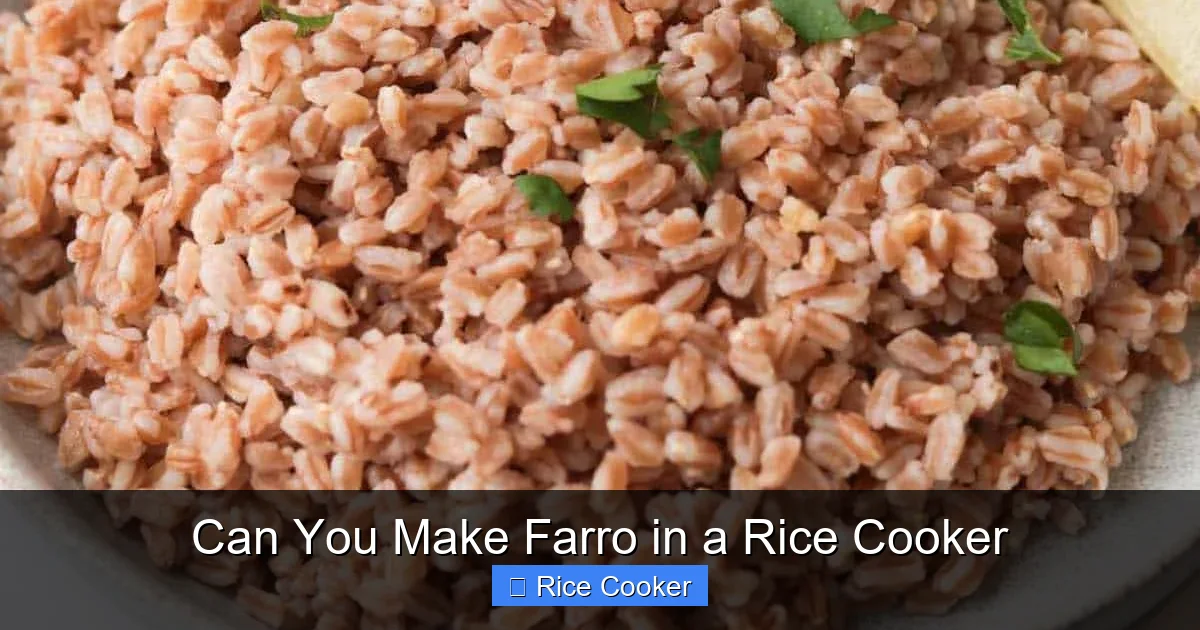
Visual guide about Can You Make Farro in a Rice Cooker
Image source: apeachyplate.com
Whole Farro
This is the most nutritious option, with the entire grain intact—bran, germ, and endosperm. Because the outer layer isn’t removed, whole farro takes longer to cook and has a chewier texture. Expect 30–45 minutes of cooking time in a rice cooker, especially if not soaked first.
Semi-Pearled Farro
Also known as semi-refined farro, this type has the outer hull removed but retains some bran. It cooks faster than whole farro (usually 20–30 minutes) and holds its shape well in salads or soups. Great for those who want a balance of nutrition and convenience.
Pearled (Refined) Farro
The most processed version, pearled farro is fully polished and stripped of bran. It’s quickest to cook (often under 20 minutes) but lacks the fiber and nutrient density of whole grain. Best for time-sensitive meals where texture isn’t a priority.
For health-conscious eaters, opt for whole or semi-pearled farro. If speed is key, pearled works fine—just don’t expect the same hearty bite.
How to Make Farro in a Rice Cooker: Step-by-Step Guide
Ready to try it yourself? Here’s a clear, foolproof method for making perfect farro in your rice cooker.
Gather Your Ingredients
- 1 cup farro (any variety)
- 2 cups water or broth (for added flavor)
- Salt to taste
- Optional: 1 tbsp olive oil, garlic cloves, or herbs like thyme or rosemary
Prepare the Farro
Start by rinsing farro under cold water in a fine-mesh strainer. This removes dust and debris. Then, decide whether to soak it overnight (recommended for whole farro) or proceed directly to cooking.
Add Everything to the Rice Cooker Pot
Place rinsed farro in the inner pot. Pour in water (or broth), add salt, and any optional aromatics. Stir briefly to distribute flavors.
Cook It
Close the lid securely and select the “White Rice” or “Manual” setting if available. Most rice cookers will take 20–30 minutes. Avoid opening the lid during cooking—steam loss affects timing.
Let It Rest
Once the cycle ends, let farro sit for 5–10 minutes with the lid closed. This allows residual steam to finish cooking any stubborn grains gently.
Fluff and Serve
Open the lid, fluff the farro with a fork, and adjust consistency if needed by adding a splash of water or broth. Serve warm as a side dish, base for bowls, or chilled in salads.
Pro tip: If your rice cooker has a “Grain” or “Multi-Grain” setting, use that—it often adjusts timing for denser grains like farro.
Tips for Perfect Farro Every Time
Even with the right method, small tweaks can make a big difference in taste and texture. Try these expert tips to level up your farro game.
Soak for Faster Cooking
Soaking farro overnight (or at least 2 hours) softens the grains and reduces cooking time by up to 50%. Drain and rinse before adding to the rice cooker—no extra water needed since soaking already hydrates the grain.
Boost Flavor with Broth
Replace half the water with vegetable, chicken, or mushroom broth. The result? Farro that’s fragrant, savory, and packed with umami—perfect for grain bowls or risottos.
Season While Cooking
Add salt, pepper, garlic, or dried herbs before starting. Don’t wait until the end—grains absorb flavors better when seasoned early.
Avoid Overcrowding
Stick to recommended ratios (usually 2:1 water to farro). Too much farro in one batch can lead to uneven cooking or mushy texture.
Don’t Rush the Resting Phase
Resist the urge to fluff immediately after cooking. Letting farro rest helps settle and ensures even moisture distribution.
Reheat Gently
To reheat leftovers, add a tablespoon of water or broth to the farro, cover, and microwave for 1–2 minutes. Stir and check consistency—farro dries out faster than rice.
Experiment with Add-Ins
Toss cooked farro with lemon zest, parsley, toasted nuts, or crumbled feta for instant flavor upgrades. You can even mix in cooked lentils or roasted vegetables for a complete protein-packed meal.
Creative Ways to Use Cooked Farro
Farro is incredibly versatile. Once you master the basics, you’ll find endless ways to enjoy it.
Salads & Bowls
Chill farro and toss it with cucumbers, cherry tomatoes, olives, feta, and a tangy vinaigrette. Or build a Mediterranean bowl with hummus, grilled chicken, and tahini drizzle.
Soups & Stews
Add farro toward the end of cooking soups like minestrone or tomato-basil. Its chewiness adds satisfying texture without falling apart.
Side Dishes
Sauté mushrooms, shallots, and thyme in butter, then mix with warm farro for an elegant accompaniment to roasted meats.
Breakfast Options
Warm farro with milk, cinnamon, and berries for a hearty porridge. Top with nuts and honey for a sweet-savory combo.
Desserts (Yes, Really!)
Try farro flour in pancakes or muffins for extra fiber. Or blend cooked farro with dates, almond butter, and cocoa for a nutritious energy bar.
With so many uses, farro becomes a kitchen workhorse—whether you’re feeding a crowd or whipping up a solo meal.
Troubleshooting Common Farro Issues
Even experienced cooks run into problems sometimes. Here’s how to fix them.
Farro Stuck to the Bottom
This usually happens if the water runs low or the pan gets too hot. Always use enough liquid, stir once halfway through (if on stovetop), and never skip soaking whole farro.
Grains Are Too Soft or Mushy
Overcooked farro loses structure. Check after 20 minutes and remove from heat early if needed. Fresh farro cooks faster than older stock.
Farro Won’t Absorb Enough Liquid
Older farro may need extra soaking time or slightly more water. Try 2.5:1 ratio temporarily until you find your preferred texture.
Texture Is Too Chewy
Undercooked farro is tough to chew. Extend cooking time by 5–10 minutes next time, or soak longer before cooking.
Lid Won’t Seal Properly
Make sure the rubber gasket is clean and undamaged. A poor seal lets steam escape, ruining timing and texture.
Most issues come down to ratios, timing, or grain quality. Keep notes on what works for your setup, and you’ll master farro fast.
Frequently Asked Questions
What kind of farro is best for rice cookers?
All types work, but semi-pearled farro offers the best balance of nutrition, texture, and speed. Whole farro is healthier but requires longer cooking.
Can I cook farro with broth instead of water?
Absolutely. Using broth adds rich flavor and makes farro perfect for savory dishes like soups or grain bowls.
Why is my farro sticky after cooking?
Sticky farro usually means too much water or overcooking. Rinse cooked farro under cool water and spread it on a tray to dry slightly if serving cold.
Can I cook farro in a slow cooker?
Yes, but it’s not ideal. Farro can turn mushy in a slow cooker. Stick to high heat and short cooking times if attempting this method.
Is farro harder to digest than other grains?
Whole farro contains more fiber than refined grains, which can cause gas or bloating in sensitive individuals. Soaking helps break down enzymes and ease digestion.
How do I store leftover cooked farro?
Cool completely, transfer to an airtight container, and refrigerate for up to 5 days. Reheat with a splash of water or broth to restore moisture.