
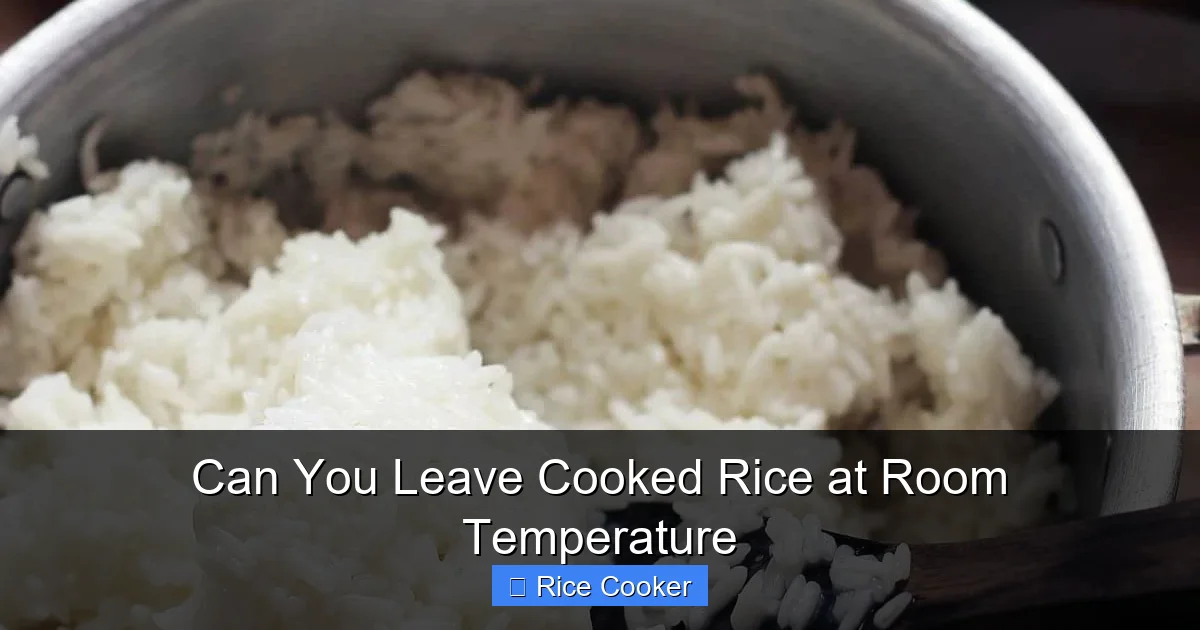
Leaving cooked rice at room temperature for too long can lead to bacterial growth, especially from Bacillus cereus, which causes food poisoning. To stay safe, always refrigerate leftover rice within two hours of cooking or freeze it for longer storage. Proper handling ensures your meals remain delicious and healthy.
Key Takeaways
- Bacillus cereus risk: Cooked rice left out too long can grow Bacillus cereus bacteria, which produces toxins causing vomiting or diarrhea.
- Two-hour rule: Refrigerate cooked rice within 2 hours (1 hour if above 90°F/32°C) to prevent bacterial multiplication.
- Cooling matters: Spread rice in shallow containers to cool quickly and reduce time in the “danger zone” (40°F–140°F).
- Reheating safely: Always reheat rice to an internal temperature of 165°F (74°C) to kill any surviving bacteria.
- Freezing extends life: Freeze rice in portions for up to 6 months; thaw in the fridge overnight before reheating.
- Signs of spoilage: Discard rice with unusual smell, slimy texture, mold, or off-color appearance—don’t take chances.
- Use rice cookers wisely: While convenient, rice cookers aren’t designed for long-term storage; always transfer leftovers promptly.
📑 Table of Contents
- Can You Leave Cooked Rice at Room Temperature?
- The Science Behind Rice and Bacterial Growth
- Safety Guidelines: How Long Can You Leave Cooked Rice Out?
- Practical Tips for Safe Rice Storage
- Common Misconceptions About Rice Safety
- Special Considerations for Different Types of Rice
- What to Do When You Accidentally Leave Rice Out Too Long
- How to Use Your Rice Cooker Safely
- Signs That Rice Has Gone Bad
- Conclusion: Enjoy Rice Without Worry
Can You Leave Cooked Rice at Room Temperature?
If you’ve ever made a big pot of rice for dinner and wondered whether you can leave it sitting on the counter while you clean up or finish eating, you’re not alone. Many home cooks face this question daily—especially when using a rice cooker that keeps food warm for hours. But here’s the truth: leaving cooked rice at room temperature for too long can be risky. While it might seem harmless, doing so increases the chance of harmful bacteria growing, particularly Bacillus cereus, which is naturally present in raw rice and can survive cooking.
This article dives deep into everything you need to know about storing cooked rice safely. From understanding why room temperature is dangerous to practical tips on cooling, refrigerating, and reheating, we’ll help you enjoy rice without worry. Whether you’re using a standard rice cooker or an advanced model with keep-warm functions, knowing how to handle leftovers properly protects your health and saves time.
The Science Behind Rice and Bacterial Growth
Why Rice Is a Breeding Ground for Bacteria
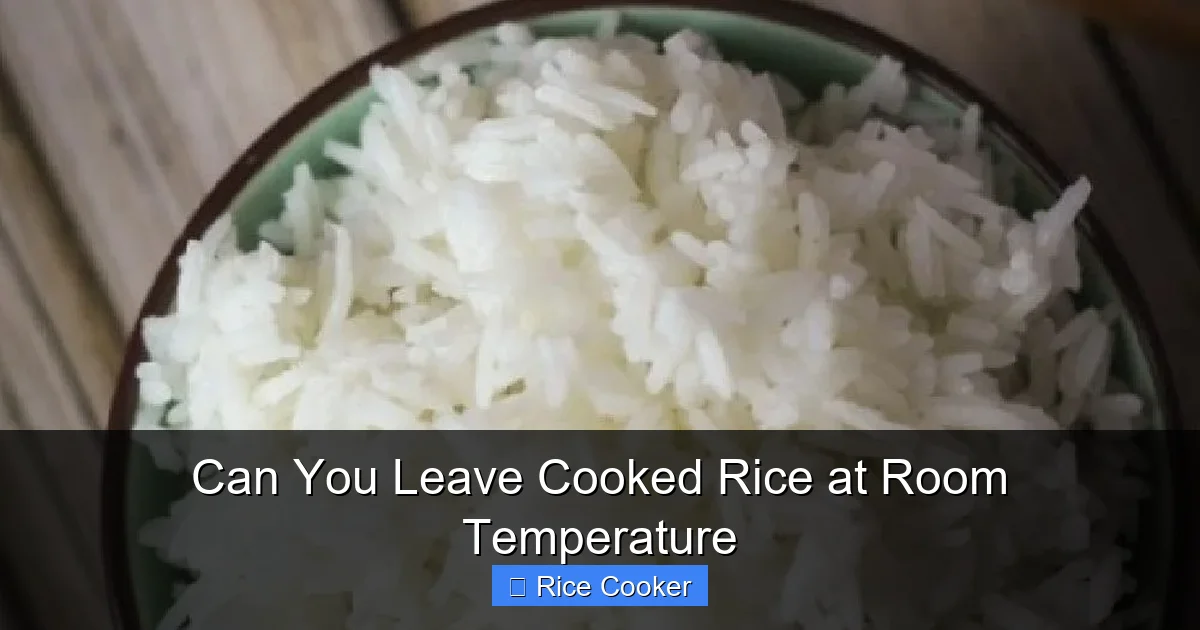
Raw rice contains spores of Bacillus cereus, a type of bacteria commonly found in soil and grains. These spores are heat-resistant, meaning they survive the boiling process used to cook rice. Once the rice cools to room temperature, especially in warm environments, those spores can reactivate and multiply rapidly—provided they have the right conditions: warmth, moisture, and time.
Visual guide about Can You Leave Cooked Rice at Room Temperature
Image source: i.pinimg.com
The “danger zone” for food safety is between 40°F and 140°F (4°C to 60°C). Within this temperature range, bacteria can double every 20 minutes. So even if your rice was perfectly safe right after cooking, letting it sit uncovered on the countertop for more than two hours puts it squarely in this hazardous window.
How Bacillus Cereus Causes Food Poisoning
When Bacillus cereus grows in rice, it produces two types of toxins: one that causes vomiting (called emetic toxin), and another that leads to diarrhea (enterotoxin). The symptoms usually appear within 1–6 hours after eating contaminated rice and can mimic food poisoning from other sources. Unlike many bacteria, B. cereus isn’t killed by refrigeration alone—it survives cold temperatures and can regrow when the rice is reheated.
This makes improper storage especially dangerous. Even if you refrigerate rice immediately, reheating it without bringing it to a full boil won’t eliminate the toxins. That’s why proper cooling and reheating techniques matter so much.
Safety Guidelines: How Long Can You Leave Cooked Rice Out?
The Two-Hour Rule Explained
According to the U.S. Food and Drug Administration (FDA) and the World Health Organization (WHO), perishable foods like cooked rice should not be left at room temperature for more than two hours. If the ambient temperature is above 90°F (32°C), this drops to just one hour. This rule applies whether you’re using a rice cooker with a “keep warm” setting or simply placing hot rice on the kitchen counter.
Visual guide about Can You Leave Cooked Rice at Room Temperature
Image source: i.pinimg.com
Many modern rice cookers advertise “warm settings” that maintain rice at around 170°F (77°C) for several hours. While this sounds safe, it doesn’t guarantee elimination of all bacteria—and once you remove the rice from the cooker, it enters the danger zone as it cools down. So even if your rice cooker keeps it warm, you still shouldn’t leave it there indefinitely.
What Happens After Two Hours?
After two hours, bacterial counts in rice can rise dramatically. A study published in the Journal of Food Protection found that cooked rice left at room temperature for 8 hours contained over 100 million colony-forming units per gram—far exceeding safe levels. At this point, consuming the rice risks gastrointestinal illness, including nausea, abdominal cramps, and diarrhea.
It’s also worth noting that reheating doesn’t fix the problem. If toxins are already formed during storage, simply microwaving the rice won’t neutralize them. The only way to ensure safety is to prevent bacterial growth in the first place through rapid cooling and prompt refrigeration.
Practical Tips for Safe Rice Storage
Cooling Rice Quickly
Speed is key when cooling rice. Instead of leaving it in a large pot or bowl, transfer it to shallow containers—no deeper than 2 inches. This increases the surface area exposed to air, allowing heat to escape faster. Stirring the rice occasionally during cooling helps distribute cold spots and speeds up the process.
A helpful trick: place the container in a bowl of ice water or run it under cold tap water (while stirring) for the first few minutes. Just make sure the outer surface of the container stays dry to avoid cross-contamination with raw ingredients.
Refrigeration Best Practices
Once cooled, store rice in airtight containers or covered bowls. Label them with the date so you know how long they’ve been in the fridge. Cooked rice can safely stay in the refrigerator for up to 4 days. For longer storage, freezing is your best option.
When reheating refrigerated rice, always use a microwave, stovetop, or oven until steaming hot throughout—at least 165°F (74°C). Never reheat rice more than once, as each cycle increases bacterial load.
Freezing for Extended Freshness
Freezing rice preserves its quality better than refrigeration. Portion rice into freezer-safe bags or containers, removing as much air as possible to prevent freezer burn. Frozen rice stays safe for up to 6 months and retains most of its texture and flavor.
To thaw, move rice from the freezer to the refrigerator overnight. Reheat thoroughly before serving. Alternatively, you can microwave frozen rice directly—just add a splash of water to prevent drying out.
Common Misconceptions About Rice Safety
Myth: “If It Smells Fine, It’s Safe”
Many people assume that if rice looks and smells normal, it must be okay to eat—even after being left out. But Bacillus cereus doesn’t change the appearance, taste, or odor of rice. In fact, the toxins it produces are odorless and tasteless. That means you can’t rely on your senses to detect contamination.
Myth: “Rice Cooker Warm Settings Are Safe All Day”
While rice cookers do keep food warm, they’re not designed for indefinite holding. Most manufacturers recommend unplugging the unit once rice reaches serving temperature. Prolonged exposure to warm settings may dry out the rice or promote uneven heating, creating pockets where bacteria could thrive.
Myth: “Cooking Rice Twice Kills Bacteria”
Reheating rice doesn’t destroy Bacillus cereus toxins. While high heat will kill live bacteria, the toxins themselves are heat-stable. So even if you boil leftover rice again, you won’t eliminate the risk. Prevention through proper cooling and storage is the only reliable method.
Special Considerations for Different Types of Rice
White vs. Brown Rice
Both white and brown rice carry the same Bacillus cereus risk because the spores come from the grain itself. However, brown rice has a higher oil content, which can make it more prone to rancidity if stored improperly. Always cool and refrigerate both types promptly.
Sushi Rice and Specialty Varieties
Sushi rice is often cooked with vinegar, salt, and sugar, which can act as natural preservatives—but only briefly. Once cooled, it follows the same rules as regular rice. Avoid leaving sushi rice at room temperature for extended periods, especially in humid climates.
Coconut Milk-Based Rice Dishes
Dairy- or coconut milk-based rice dishes (like Thai curries or biryanis) pose additional risks because milk products can spoil faster. These should be refrigerated within one hour of cooking and consumed within 24–48 hours.
What to Do When You Accidentally Leave Rice Out Too Long
If you realize you’ve left cooked rice out for more than two hours (or one hour in hot weather), don’t panic—but don’t serve it either. The safest course is to discard it immediately. There’s no reliable test to determine if rice is safe once it’s in the danger zone for too long.
However, if you’re unsure and want to minimize waste, consider using the rice in a dish where it will be cooked again—such as fried rice or casseroles. Boiling or frying at high heat may kill live bacteria, but remember: this doesn’t apply if toxins were already produced during storage.
How to Use Your Rice Cooker Safely
Choosing the Right Rice Cooker
Modern rice cookers come in various styles—basic models, fuzzy logic units, and smart appliances with Wi-Fi connectivity. Regardless of the type, none are meant for long-term storage. Look for models with clear instructions about maximum “warm” duration (usually 12 hours max) and always follow manufacturer guidelines.
Cleaning and Maintenance
Regular cleaning prevents bacterial buildup inside your rice cooker. After each use, wash the inner pot, lid, and measuring cup with warm soapy water. Dry completely before storing. Some removable parts are dishwasher-safe, but check your manual first.
Energy Efficiency vs. Food Safety
Some users prefer keeping rice warm all day to save energy or time. But from a safety standpoint, it’s better to turn off the rice cooker once rice is done cooking and cool it quickly. The small energy savings aren’t worth the potential health risk.
Signs That Rice Has Gone Bad
Even with perfect storage, rice can eventually spoil. Watch for these warning signs:
- Unusual odor: Sour, fermented, or rotten smells indicate spoilage.
- Texture changes: Slimy, sticky, or overly mushy rice may be contaminated.
- Mold growth: Visible green, black, or white fuzz means immediate disposal is required.
- Off color: Dark spots or discoloration suggest bacterial or fungal activity.
If any of these occur, throw the rice away—never taste-test suspect food. When in doubt, throw it out.
Conclusion: Enjoy Rice Without Worry
So, can you leave cooked rice at room temperature? Technically yes—but only for a very short time. To protect yourself and your family, always follow the two-hour rule, cool rice quickly, and store it properly in the fridge or freezer. Remember, Bacillus cereus is sneaky: it hides in plain sight and doesn’t change how rice looks or smells.
By adopting simple habits—like using shallow containers, labeling leftovers, and reheating thoroughly—you can enjoy rice dishes safely every time. And while your rice cooker is a fantastic kitchen tool, treat it like any other appliance: useful, but not a substitute for good food safety practices.
In the end, a little extra effort goes a long way. With these tips, you’ll never have to wonder whether that leftover rice is safe again.
Frequently Asked Questions
Is it safe to leave cooked rice out overnight?
No, leaving cooked rice out overnight is unsafe. Bacteria like Bacillus cereus can grow rapidly in the temperature danger zone (40°F–140°F), producing toxins that cause food poisoning even after reheating.
How long can cooked rice sit at room temperature?
Cooked rice should not be left at room temperature for more than two hours—or one hour if the ambient temperature exceeds 90°F (32°C). After that, it should be refrigerated or discarded.
Can you reheat rice that was left out too long?
No, reheating does not neutralize Bacillus cereus toxins formed during improper storage. If rice was left out beyond safe limits, it’s best to discard it to avoid illness.
Does refrigeration stop bacterial growth in rice?
Yes, refrigeration slows bacterial growth significantly. However, Bacillus cereus spores survive cold temperatures and can regrow if rice is reheated without reaching 165°F (74°C).
Can I freeze rice to extend its shelf life?
Absolutely. Freezing rice is an excellent way to preserve it. Store in airtight containers or bags, label with the date, and use within 6 months for best quality.
Why doesn’t my rice cooker keep rice warm safely forever?
Rice cookers aren’t designed for indefinite holding. Even with a “warm” setting, rice eventually cools into the danger zone. Plus, prolonged exposure can dry out the rice and increase contamination risk.