

Can you leave cooked rice in the fridge? Absolutely—but safely. When cooled quickly and stored properly at or below 40°F (4°C), cooked rice can stay fresh in the refrigerator for up to 4 days. However, improper handling increases the risk of bacillus cereus, a bacteria that can cause food poisoning. Always use clean containers, cool rice rapidly, and reheat thoroughly to enjoy safe, tasty leftovers.
Key Takeaways
- Yes, you can store cooked rice in the fridge. It’s safe when cooled and refrigerated within two hours of cooking.
- Bacillus cereus is the main concern. This bacterium thrives in starchy foods like rice and produces heat-resistant toxins.
- Cooling quickly reduces bacterial growth. Spread rice in shallow layers or use an ice bath to bring it down to room temperature fast.
- Store in airtight containers. Use glass or food-grade plastic containers to prevent contamination and preserve moisture.
- Reheat thoroughly to kill any surviving bacteria. Bring rice to an internal temperature of 165°F (74°C) before eating.
- Label and date your containers. This helps you track freshness and avoid eating expired rice.
- Freezing is an excellent long-term option. Frozen cooked rice stays safe for up to 6 months.
📑 Table of Contents
- Introduction: The Rice Dilemma – Safe Storage or Health Risk?
- Why Is Cooked Rice Dangerous If Not Stored Properly?
- The Science Behind Rice Spoilage and Bacterial Growth
- Step-by-Step Guide to Safely Storing Cooked Rice
- How to Reheat Rice Safely and Preserve Flavor
- Common Mistakes People Make When Storing Rice
- Freezing Cooked Rice: A Smart Long-Term Strategy
- Special Considerations: Brown Rice vs. White Rice
- Signs Your Rice Has Gone Bad (And How to Tell)
- Conclusion: Rice Is Safe—As Long as You Handle It Right
Introduction: The Rice Dilemma – Safe Storage or Health Risk?
Have you ever wondered what happens to your perfectly cooked bowl of rice after dinner? Whether it’s leftover jasmine from last night’s stir-fry or a batch of basmati you made for meal prep, cooked rice seems harmless enough to just toss in the fridge. But here’s the truth—cooking rice isn’t the end of the story. What comes next matters just as much.
You might be surprised to learn that leaving cooked rice sitting out or storing it improperly can actually turn a simple side dish into a potential health hazard. That’s because rice, especially white rice, contains a starch called amylopectin, which becomes a cozy home for a common bacterium: Bacillus cereus. This isn’t a rare germ—it’s everywhere in soil and dust, and it sneaks into rice during growing or processing. Once your rice is cooked, warmth and moisture create ideal conditions for it to multiply… unless you act fast.
So yes, you absolutely can leave cooked rice in the fridge—but not without following smart steps. In this complete guide, we’ll walk through everything you need to know about storing, cooling, and reheating rice safely. From kitchen hacks to scientific insights, we’ve got you covered. Let’s dive into the world of safe rice storage so your leftovers are both delicious and worry-free.
Why Is Cooked Rice Dangerous If Not Stored Properly?
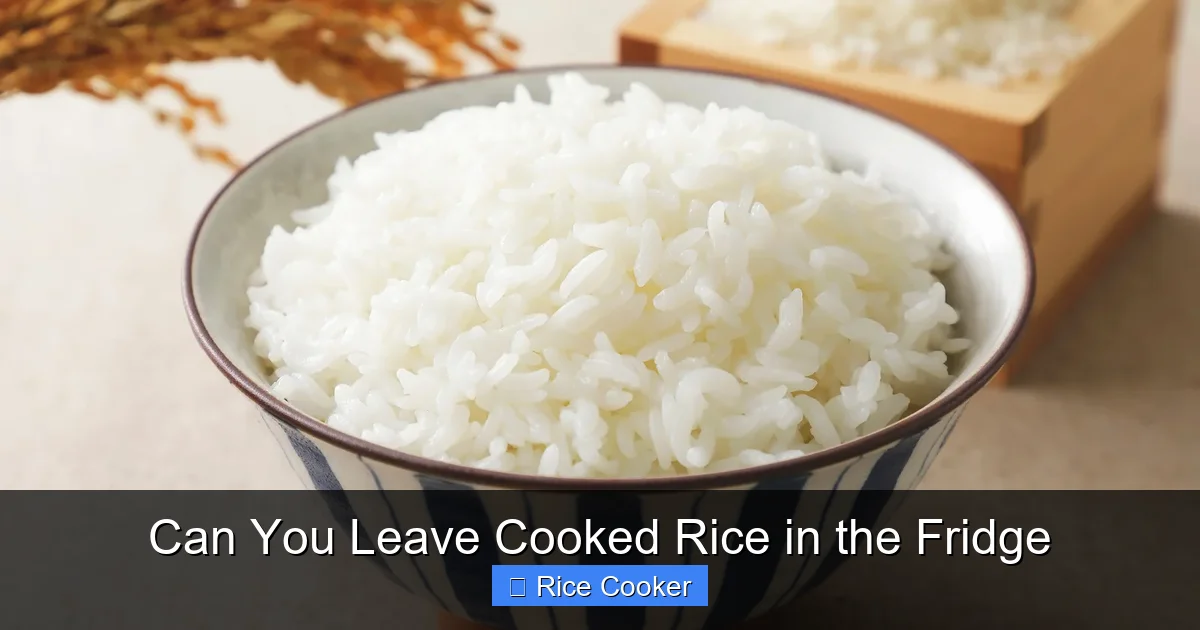
Visual guide about Can You Leave Cooked Rice in the Fridge
Image source: tastingtable.com
When rice is cooked, its starches gelatinize, making it soft and fluffy. But this process also removes the natural protective barrier that raw rice has. Without that shield, bacteria like Bacillus cereus—which are naturally present on rice grains—can thrive in the warm, moist environment created during cooking.
The real danger isn’t always the bacteria itself, but the toxins they produce. Bacillus cereus creates two types of toxins: one causes vomiting (the emetic type), and the other leads to diarrhea (the diarrheal type). The diarrheal toxin forms spores that survive boiling and even freezing. So even if you cook rice thoroughly, reheat it well, or freeze it, those spores can still be alive. They just lie dormant until conditions are right—like when rice sits at room temperature for too long.
Most people don’t get sick immediately after eating contaminated rice. Symptoms usually appear 6 to 15 hours later, making it hard to trace back to food. Nausea, stomach cramps, vomiting, and diarrhea are common. While most recover within a day or two, vulnerable groups—like young children, elderly adults, pregnant women, and those with weakened immune systems—are at higher risk for complications.
This is why proper storage isn’t optional—it’s essential. The key is interrupting the bacteria’s growth cycle by cooling rice quickly and keeping it cold afterward.
The Science Behind Rice Spoilage and Bacterial Growth
Visual guide about Can You Leave Cooked Rice in the Fridge
Image source: tipbuzz.com
Understanding how bacteria grow helps explain why timing and temperature matter so much. Bacillus cereus loves temperatures between 40°F and 140°F—this range is known as the “danger zone.” Within this window, bacteria multiply rapidly. Cooked rice, especially when left uncovered, spends a lot of time in this danger zone.
For example, if you cook a large pot of rice and let it sit out for four hours while you eat dinner or clean up, you’ve already given the bacteria plenty of time to grow. Even worse, if you transfer hot rice directly into the fridge, the outer layer cools quickly while the inside stays warm, creating pockets where bacteria can flourish.
But here’s the good news: refrigeration slows bacterial growth significantly. At 40°F (4°C), Bacillus cereus reproduction slows down so much that it won’t reach dangerous levels if rice is chilled promptly.
That said, the spores aren’t killed by refrigeration—they’re just paused. So when you reheat rice later, make sure to bring it to a rolling boil or steam it until steaming hot throughout. This kills any newly grown bacteria, though it won’t undo existing toxins. That’s why rapid cooling is so critical.
How Long Does Cooked Rice Stay Safe in the Fridge?
Under ideal conditions—meaning cooled quickly and stored in an airtight container—cooked rice can remain safe in the refrigerator for up to 4 days. After that, the risk of spoilage or bacterial overgrowth increases, even if the rice looks and smells fine.
Some studies suggest that even within those 4 days, quality declines. Texture may become dry or gummy, flavor fades, and nutrients degrade slightly. So while it’s technically safe to eat beyond day 4, it’s best to consume rice within that window for optimal taste and nutrition.
If you’re unsure how long it’s been stored, trust your senses. If the rice smells off, feels slimy, or has visible mold, discard it immediately—no exceptions.
The Role of Cooling Time in Food Safety
One of the biggest mistakes people make is putting hot rice straight into the fridge. Refrigerators aren’t designed to cool large volumes of hot food quickly. In fact, leaving hot food in the refrigerator raises its internal temperature above the safe threshold, allowing bacteria to multiply.
The USDA recommends cooling perishable foods from 135°F to 70°F within 2 hours, and then from 70°F to 40°F within an additional hour. That’s easier said than done with a full pot of rice!
To speed things up, spread the rice in thin layers on baking sheets, divide it into smaller portions, or place the container in an ice bath. These methods help dissipate heat faster and reduce cooling time to under two hours.
Step-by-Step Guide to Safely Storing Cooked Rice
Storing cooked rice doesn’t have to be complicated. With a few simple steps, you can keep your rice safe, fresh, and ready for tomorrow’s lunch.
Step 1: Cool the Rice Quickly
As soon as your rice is done cooking, stop the heat and fluff it gently. Don’t cover it tightly—that traps steam and keeps the temperature high. Instead, spread it out in a wide, shallow pan or divide it into smaller bowls.
For faster cooling, place the container in a larger bowl filled with ice water. Stir the rice occasionally to expose more surface area to the cold. You want it to drop below 70°F within the first hour.
Step 2: Transfer to Airtight Containers
Once cooled to room temperature (about 68°F–72°F), move the rice to clean, airtight containers. Glass containers work great because they’re non-porous and easy to clean. Avoid using metal containers, as some metals can react with acidic ingredients or leach into food over time.
Fill containers no more than halfway to allow space for expansion during freezing (if needed) and to prevent spillage.
Step 3: Label and Date Your Containers
Use a permanent marker to label each container with the date it was stored. This simple habit prevents confusion and ensures you use older batches first. Most people forget which container has what, so marking them helps avoid wasting good rice.
Step 4: Store in the Coldest Part of the Fridge
Place your containers in the coldest section of your refrigerator—usually the back shelves, away from the door. Doors open and close frequently, causing temperature fluctuations that promote bacterial growth.
Keep rice covered at all times to prevent cross-contamination from raw meat juices, strong-smelling foods, or airborne bacteria.
How to Reheat Rice Safely and Preserve Flavor
Reheating rice is where many people go wrong—either not heating it enough or doing it carelessly. Follow these tips to ensure safety and great taste.
Microwave Method (Best for Small Portions)
Transfer a portion of rice to a microwave-safe dish. Add a splash of water or broth to prevent drying out—rice absorbs moisture quickly when heated. Cover the dish with a damp paper towel or vented lid to retain steam without trapping condensation.
Heat on high in 30-second intervals, stirring between each, until the rice reaches 165°F internally. Use a food thermometer to check, especially if you’re reheating for someone vulnerable to foodborne illness.
Stovetop Method (Great for Large Batches)
Bring a saucepan of water or broth to a simmer. Add the rice, stir gently, and cover with a tight-fitting lid. Reduce heat to low and let it steam for 5–7 minutes. Check the temperature—it should feel hot and steamy throughout.
Oven Method (Useful for Casseroles or Fried Rice)
Preheat your oven to 350°F (175°C). Place rice in an oven-safe dish, add liquid if needed, cover tightly with foil, and bake for 15–20 minutes. Remove the foil during the last 5 minutes if browning is desired.
No matter the method, always stir the rice before serving to distribute heat evenly.
Common Mistakes People Make When Storing Rice
Even experienced cooks slip up sometimes. Here are the most frequent errors and how to avoid them.
Mistake 1: Leaving Rice Out Overnight
Many families leave rice on the counter while finishing dinner or watching TV. This exposes it to room-temperature conditions for 6+ hours—prime time for bacterial growth. Never do this again. Always chill rice within two hours.
Mistake 2: Using Plastic Bags or Non-Airtight Containers
Paper bags, ziplock bags (without sealing), or uncovered bowls let air in, promoting oxidation and contamination. Always use sealed, food-safe containers.
Mistake 3: Not Washing Hands Before Handling Rice
Rice can absorb bacteria from unwashed hands. Wash your hands thoroughly before scooping or transferring rice.
Mistake 4: Skipping the Ice Bath or Slow Cooling
Putting hot rice directly into the fridge wastes energy and risks uneven cooling. Always cool quickly using one of the recommended methods.
Freezing Cooked Rice: A Smart Long-Term Strategy
Want to save rice for weeks instead of days? Freezing is your best friend. When frozen properly, cooked rice stays safe for up to 6 months. It’s perfect for meal prep or stocking up when rice is on sale.
How to Freeze Rice Correctly
After cooling, portion rice into freezer-safe containers or heavy-duty resealable bags. Leave about an inch of headspace to allow for expansion. Press out excess air before sealing.
Label with the date and contents. Store in the freezer drawer or back shelf for consistent cold temperatures.
Thawing and Reheating Frozen Rice
Thaw overnight in the refrigerator or reheat directly from frozen. For microwave use, add a tablespoon of water per cup of rice and cover loosely. Stir every minute until fully heated through.
Frozen rice works wonderfully in soups, stews, fried rice, or casseroles.
Special Considerations: Brown Rice vs. White Rice
Both types require careful handling, but there are subtle differences worth noting.
Brown Rice
Because brown rice retains its bran layer, it has a shorter shelf life than white rice—even when refrigerated. It typically lasts 3–4 days in the fridge and 6 months in the freezer. Its oil-rich composition also makes it more prone to rancidity, so always store it in airtight containers away from light and heat.
White Rice
White rice, having been stripped of its outer layers, is more stable. Still, it follows the same safety rules: cool quickly, store in the coldest part of the fridge, and consume within 4 days.
Both benefit from being cooked with a bit extra water—it helps prevent dryness when reheated.
Signs Your Rice Has Gone Bad (And How to Tell)
Trust your senses. If your rice smells sour, fermented, or off, throw it away. Mold, unusual texture (like sliminess), or discoloration are also red flags.
However, note that Bacillus cereus doesn’t change the appearance or smell of rice. That’s why visual cues alone aren’t reliable indicators of safety. Always follow the time guidelines.
Conclusion: Rice Is Safe—As Long as You Handle It Right
Yes, you can absolutely leave cooked rice in the fridge—but only if you follow the right steps. Cool it rapidly, store it in clean, airtight containers, and keep it cold. Reheat thoroughly before eating, and never let rice sit out longer than two hours.
With these practices, you’ll enjoy safe, delicious rice leftovers without worrying about foodborne illness. Whether you’re meal prepping for the week or saving dinner for tomorrow, smart storage turns rice from a potential hazard into a convenient, nutritious staple.
Remember: when it comes to rice, speed, cleanliness, and consistency are your best allies. Keep your fridge organized, your containers labeled, and your reheating routine reliable. Then you can focus on what really matters—enjoying every bite.
Frequently Asked Questions
How long can cooked rice stay in the fridge?
Cooked rice can safely stay in the refrigerator for up to 4 days when cooled quickly and stored in airtight containers. After that, the risk of bacterial growth increases, even if the rice appears normal.
Is it safe to leave rice out overnight?
No, it is not safe to leave cooked rice out overnight. Bacteria like Bacillus cereus multiply rapidly at room temperature. Always refrigerate rice within two hours of cooking to prevent foodborne illness.
Can you eat rice that’s been in the fridge for a week?
It is not recommended to eat rice that has been in the fridge for a week. While it may not always make you sick, quality degrades significantly after 4 days, and there’s an increased risk of bacterial growth.
Does freezing rice kill bacteria?
Freezing does not kill bacteria or their spores. However, it halts their growth. When thawed and reheated properly, frozen rice can be safe to eat. Just make sure to heat it thoroughly to 165°F (74°C).
How do I know if my rice is spoiled?
Rice spoilage is often indicated by off smells, slimy texture, mold, or discoloration. Unlike some foods, Bacillus cereus doesn’t change the look or smell of rice, so relying solely on appearance is risky. When in doubt, throw it out.
What’s the fastest way to cool rice?
The fastest way to cool rice is to spread it in a thin layer on a baking sheet or divide it into smaller containers. Placing the container in an ice bath and stirring occasionally also speeds up cooling and brings it to safe temperatures within two hours.