

Making Spanish rice in a rice cooker is not only possible—it’s easier and more consistent than traditional stove-top methods. The rice cooker does most of the work, ensuring even cooking and perfect texture. With just a few tweaks to your ingredients and timing, you’ll have flavorful, restaurant-quality rice ready in under 30 minutes.
Key Takeaways
- Yes, you can make Spanish rice in a rice cooker without sacrificing flavor or texture—just adjust liquid ratios slightly.
- Using a high-quality rice cooker with a keep-warm function ensures your rice stays fresh and warm until serving.
- Toast the rice first in oil before adding water to deepen the flavor, just like on the stovetop.
- Don’t skip the tomato sauce or powder—these are essential for authentic red color and tangy taste.
- Season generously with spices like cumin, garlic powder, and oregano for that classic Southwestern kick.
- Let it rest after cooking for 5–10 minutes to allow steam to distribute evenly and prevent mushiness.
- Customize with veggies or protein for a complete meal while keeping prep simple.
Quick Answers to Common Questions
Do I need special rice for Spanish rice?
No, any long-grain white rice works—jasmine, basmati, or American varieties all yield fluffy, distinct grains perfect for this dish.
Can I make Spanish rice in a slow cooker instead?
Yes, but it requires longer cooking times and more supervision. Brown the rice first, then transfer to slow cooker with liquids and spices. Cook on low for 1–2 hours, stirring occasionally.
How much tomato sauce should I use?
For every 1 cup of rice, use about ½ cup tomato sauce or a mix of ¼ cup tomato paste and ¼ cup water for balanced flavor and color.
Why toast the rice in the rice cooker?
Toasting develops nutty, toasted flavors and helps create a better texture. Many rice cookers have a sauté function—use it to mimic stovetop browning.
Can I make this gluten-free?
Absolutely! As long as your tomato sauce or paste is certified gluten-free, this recipe is naturally gluten-free and safe for most diets.
📑 Table of Contents
- Can You Make Spanish Rice in a Rice Cooker?
- Why Use a Rice Cooker for Spanish Rice?
- Essential Ingredients for Authentic Spanish Rice
- Step-by-Step Guide: Making Spanish Rice in Your Rice Cooker
- Troubleshooting Common Issues
- Tips for Perfect Spanish Rice Every Time
- Variations and Creative Twists
- Conclusion: Why Rice Cooker Spanish Rice Deserves a Spot in Your Kitchen
Can You Make Spanish Rice in a Rice Cooker?
Have you ever craved that bold, zesty flavor of Mexican or Tex-Mex Spanish rice but didn’t want to stand over a hot stove stirring and watching? Or maybe you’re short on time but still want a side dish that tastes homemade and hearty. If so, you’re in luck—because yes, you can absolutely make Spanish rice in a rice cooker, and it might just become your new go-to method.
Spanish rice (also known as Mexican rice) is a staple in many Latin American households. It’s characterized by its vibrant red hue from tomato sauce or powder, aromatic spices like cumin and oregano, and fluffy, slightly chewy rice grains. Traditionally, this dish is cooked on the stovetop, where rice is sautéed briefly in oil before liquid is added and brought to a boil. But what if you don’t have room for another pot, or you simply prefer the convenience of an appliance that handles everything automatically?
The answer lies in adapting the classic recipe to fit your rice cooker’s capabilities. With minimal adjustments—like pre-toasting the rice and adjusting liquid ratios—you can enjoy perfectly cooked Spanish rice with rich flavor and minimal effort. In this comprehensive guide, we’ll walk through every step, share pro tips, troubleshoot common issues, and even suggest fun variations to keep things exciting.
Why Use a Rice Cooker for Spanish Rice?
Rice cookers aren’t just for plain white rice anymore. Modern models come with multiple settings, timers, and smart technology that make them ideal for cooking more complex dishes. When it comes to Spanish rice, using a rice cooker offers several advantages:
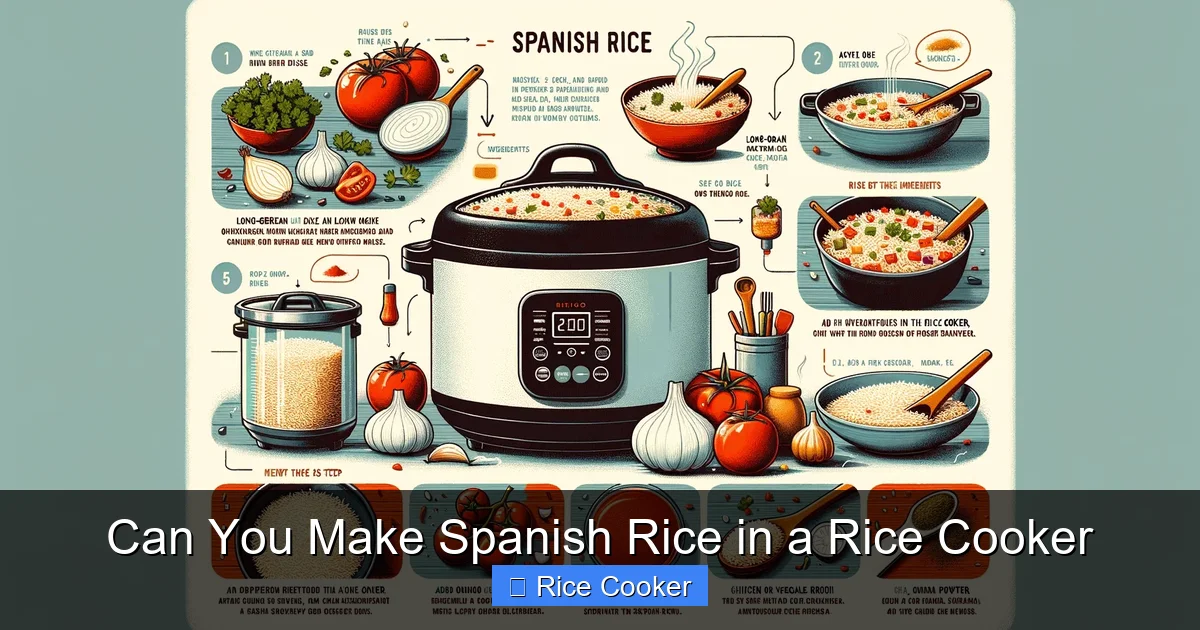
Visual guide about Can You Make Spanish Rice in a Rice Cooker
Image source: expertreviewsbestricecooker.com
Consistent Results Every Time
Unlike the stove, which requires constant attention and guesswork, a rice cooker maintains a steady internal temperature throughout the cooking cycle. This means no more burnt bottoms or unevenly cooked grains. Whether you’re making a small batch for two or enough for a family dinner, your results will be reliable and repeatable.
Hands-Off Convenience
Once you’ve combined all your ingredients and pressed start, you can focus on preparing other parts of your meal—chopping vegetables, marinating chicken, or setting the table. There’s no need to hover over the pot, stir constantly, or worry about boiling over.
Saves Energy and Cleanup Time
A single pot means fewer dishes. Plus, rice cookers use less energy than stovetops, especially induction burners. After cooking, just rinse the inner pot and wipe down the exterior—cleanup is quick and easy.
Perfect Texture Control
Many rice cookers offer specialized settings like “brown rice,” “porridge,” or “quick cook.” While Spanish rice typically uses long-grain white rice, choosing the right setting helps ensure each grain remains separate and fluffy, not gummy or sticky.
Essential Ingredients for Authentic Spanish Rice
Before diving into the steps, let’s talk about what goes into great Spanish rice. While recipes vary slightly by region and personal preference, these core ingredients form the foundation of the dish:
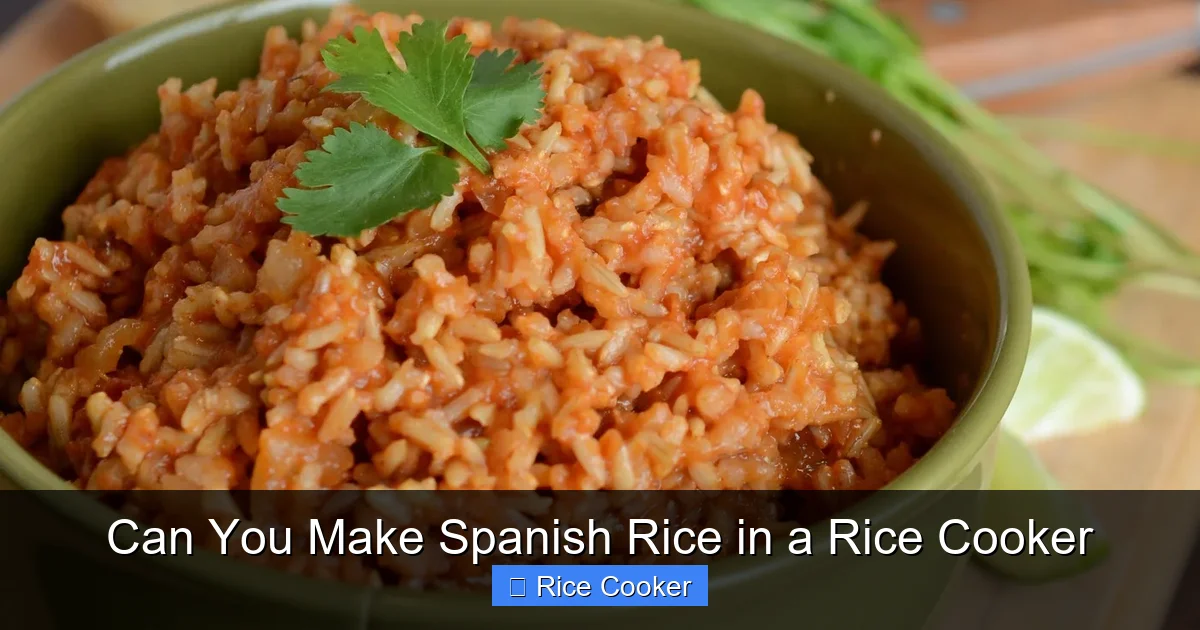
Visual guide about Can You Make Spanish Rice in a Rice Cooker
Image source: 3.bp.blogspot.com
Long-Grain White Rice
The star of the show. Jasmine, basmati, or American long-grain rice all work well, though jasmine gives a subtly floral note. Avoid instant or pre-cooked rice—they break down during cooking and lose texture.
Tomato Sauce or Tomato Paste
This is what gives Spanish rice its signature red color and tangy flavor. You can use store-bought tomato sauce (like Hunt’s or Contadina), or mix equal parts tomato paste and water for a richer taste. Some versions call for crushed tomatoes, but they tend to make the rice softer and less vibrant.
Vegetable or Chicken Broth
Using broth instead of plain water adds depth and moisture. Vegetable broth keeps the dish vegetarian-friendly; chicken broth brings extra savoriness. You can also substitute with water if needed.
Spices and Seasonings
Cumin is non-negotiable—it provides earthy warmth. Garlic powder, onion powder, dried oregano, and a pinch of salt round out the flavor profile. For heat lovers, add a diced jalapeño or a dash of cayenne.
Olive Oil or Canola Oil
Oil coats the rice grains during toasting, helping seal in starch and prevent clumping. Olive oil adds a fruity note, while neutral oils like canola or avocado oil keep the flavor clean.
Step-by-Step Guide: Making Spanish Rice in Your Rice Cooker
Ready to get cooking? Follow this foolproof process to turn basic ingredients into a crowd-pleasing side dish.
Step 1: Measure and Prepare Your Rice
Rinse 1 cup of long-grain white rice under cold water until the water runs clear. This removes excess starch and prevents gumminess. Drain thoroughly in a fine-mesh strainer.
Step 2: Toast the Rice (Optional but Recommended)
Heat 2 tablespoons of oil in the inner pot of your rice cooker over medium heat (if it has a sauté function). Add the drained rice and toast for 2–3 minutes, stirring frequently, until grains are lightly golden and fragrant. This step builds flavor—don’t skip it!
Step 3: Add Flavor Base
Pour in ½ cup tomato sauce (or ¼ cup tomato paste + ¼ cup water), 1 cup broth or water, and a generous pinch of salt. Stir to combine. At this point, you can also add ½ teaspoon each of ground cumin, garlic powder, and dried oregano.
Step 4: Start the Cooking Cycle
Close the lid and select the standard “white rice” setting. Most rice cookers automatically switch to “warm” once done—trust the machine!
Step 5: Rest and Fluff
After the cycle ends, let the rice sit, covered, for 5–10 minutes. Then gently fluff with a fork to separate grains. Serve immediately for best texture.
Troubleshooting Common Issues
Even with the best technique, things don’t always go perfectly—and that’s okay. Here’s how to fix the most frequent problems:
Too Dry or Crunchy Rice
This usually happens when there’s too little liquid. Try increasing the liquid by 1–2 tablespoons next time. Also, avoid opening the lid during cooking—steam escapes and affects moisture levels.
Mushy or Sticky Grains
Overcooking or insufficient rinsing causes this. Always rinse your rice before cooking, and don’t lift the lid prematurely. If your rice cooker lacks a precise timer, consider investing in one with delay-start or auto shutoff.
Bland Taste
Add more seasoning—especially cumin and salt—during the toasting stage. Taste test halfway through cooking if possible (some models allow brief checking). Fresh lime juice at the end can brighten up dull flavors.
Discolored or Pale Rice
If your rice lacks the deep red hue, increase tomato content or add a splash of red food coloring (optional, for visual appeal). Ensure your tomato sauce isn’t expired or watered down.
Tips for Perfect Spanish Rice Every Time
Want to level up your game? These expert tricks will take your Spanish rice from good to unforgettable.
Use Fresh Spices
Dried spices lose potency over time. Buy small batches and store them in airtight containers away from light and heat for maximum flavor impact.
Layer Flavors Gradually
Instead of dumping all seasonings at once, add half the cumin and garlic early (during toasting), then the rest after adding liquids. This creates a more nuanced taste.
Experiment with Add-Ins
Stir in diced bell peppers, corn, peas, or black beans during the last minute of cooking for extra texture and nutrition. Just remember to increase liquid slightly if adding dry ingredients.
Double the Batch
Spanish rice reheats beautifully. Make a large batch and freeze portions in ice cube trays for future tacos, burrito bowls, or casseroles.
Pair It Right
This rice shines alongside grilled meats, enchiladas, tacos, or even bean soup. Its acidity balances rich dishes, while its simplicity lets bold proteins take center stage.
Variations and Creative Twists
Once you master the basics, feel free to get creative. Here are three tasty variations to try:
Mexican Street Corn Rice
Add 1 tablespoon mayonnaise, ½ cup crumbled cotija cheese, and chopped cilantro at the end. Top with lime wedges before serving for a creamy, savory upgrade.
Vegetarian Southwest Rice
Sauté diced onions, zucchini, and mushrooms before adding rice. Use vegetable broth and top with avocado slices and a sprinkle of chili powder.
Jalapeño-Lime Infusion
Include 1 finely diced fresh jalapeño (seeds removed for milder heat) during toasting. Finish with a squeeze of fresh lime juice and a dash of smoked paprika.
Conclusion: Why Rice Cooker Spanish Rice Deserves a Spot in Your Kitchen
In short, making Spanish rice in a rice cooker is not only feasible—it’s practical, delicious, and adaptable to your lifestyle. Whether you’re feeding a picky eater, hosting a casual dinner party, or just craving comfort food after a long day, this method delivers consistent, restaurant-quality results with zero stress.
By following the steps outlined above, respecting ingredient ratios, and trusting your appliance, you’ll never look back. And the best part? Once you’ve mastered this dish, the possibilities are endless. From loaded baked potatoes to one-pot chili, your rice cooker is a versatile kitchen hero waiting to shine.
So go ahead—grab your favorite long-grain rice, fire up that tomato sauce, and press start. Your perfect plate of Spanish rice is just minutes away.
Frequently Asked Questions
Is Spanish rice the same as Mexican rice?
They’re essentially the same dish, though some regions use slightly different spice blends or include additional ingredients like raisins or olives.
Can I use leftover cooked rice?
Not recommended—leftover rice tends to be too soft and may fall apart when reheated with liquid in the rice cooker.
What if my rice cooker doesn’t have a sauté function?
You can toast the rice in a separate skillet before transferring it to the inner pot with liquids and spices.
How do I store leftover Spanish rice?
Store in an airtight container in the fridge for up to 4 days or freeze for up to 3 months. Reheat with a splash of broth to restore moisture.
Can I make this spicy?
Yes! Add diced jalapeños, chili powder, or a pinch of cayenne during the toasting stage for extra heat.
Will this work with brown rice?
It’s possible, but brown rice takes longer to cook and has a chewier texture. Increase liquid by ¼ cup and extend cooking time by 10–15 minutes if your model allows adjustment.