
Can you leave a rice cooker on? Generally, yes—but only when it’s finished cooking and switched to the “warm” setting. Most modern rice cookers are designed to stay on safely for hours without overcooking or burning your rice. However, leaving it plugged in constantly when not in use can waste energy and pose fire risks. Always check your model’s manual and follow manufacturer guidelines for safe usage.
Key Takeaways
- Safety First: Modern rice cookers have automatic shut-off features, but leaving them on 24/7 increases electrical risks if something malfunctions.
- Energy Waste: Keeping your rice cooker plugged in unnecessarily consumes electricity, adding up to higher utility bills over time.
- Warm Function Is Safe: The “keep warm” mode is designed to maintain food temperature without further cooking—this is generally safe for several hours.
- Avoid Prolonged Use Beyond Warm Mode: Once the rice cooker stops heating, leaving it on may lead to dry, burnt rice and potential smoke hazards.
- Model Differences Matter: Older or low-end models may lack advanced safety features, so always consult your user manual for specific instructions.
- Fire Prevention Tips: Unplug your rice cooker when not in use, especially overnight or during long absences, to reduce fire risks.
- Maintenance Helps Safety: Regular cleaning and timely repairs extend your rice cooker’s life and reduce the chance of electrical issues.
📑 Table of Contents
- Can You Leave a Rice Cooker On? What You Need to Know
- The Science Behind Rice Cooker Safety
- Are All Rice Cookers the Same When It Comes to Leaving Them On?
- When Is It Safe to Leave Your Rice Cooker On?
- When Should You Definitely Unplug Your Rice Cooker?
- Energy Efficiency: Does Leaving It On Waste Electricity?
- Maintenance Tips to Keep Your Rice Cooker Safe
- Real-Life Examples and Scenarios
- Conclusion: Can You Leave Rice Cooker On Safely?
Can You Leave a Rice Cooker On? What You Need to Know
Picture this: You’re making dinner, and you’ve just cooked a perfect pot of jasmine rice. The rice cooker clicks off, and the display switches to “WARM.” Now comes the real question—should you leave the rice cooker on all night? Can you leave rice cooker on, or should you unplug it right away?
It’s a common dilemma for home cooks. After all, rice cookers are convenient appliances that simplify meal prep. But convenience doesn’t always mean safety. While many modern rice cookers are built to handle being left on for extended periods, there are important caveats. Understanding how your specific model works—and knowing when it’s safe to leave it on—can protect your kitchen, your home, and your peace of mind.
In this comprehensive guide, we’ll explore everything you need to know about leaving a rice cooker on. From safety mechanisms and energy efficiency to model differences and maintenance tips, you’ll get clear, practical advice that helps you cook smarter, safer, and with confidence.
The Science Behind Rice Cooker Safety
How Do Rice Cookers Prevent Overheating?
Rice cookers are engineered with multiple layers of protection to prevent accidents. At the heart of this system is the thermostat—a small but powerful sensor that monitors internal temperature. When the cooking phase is complete, the thermostat detects the drop in temperature and triggers the switch from heating to warming mode.
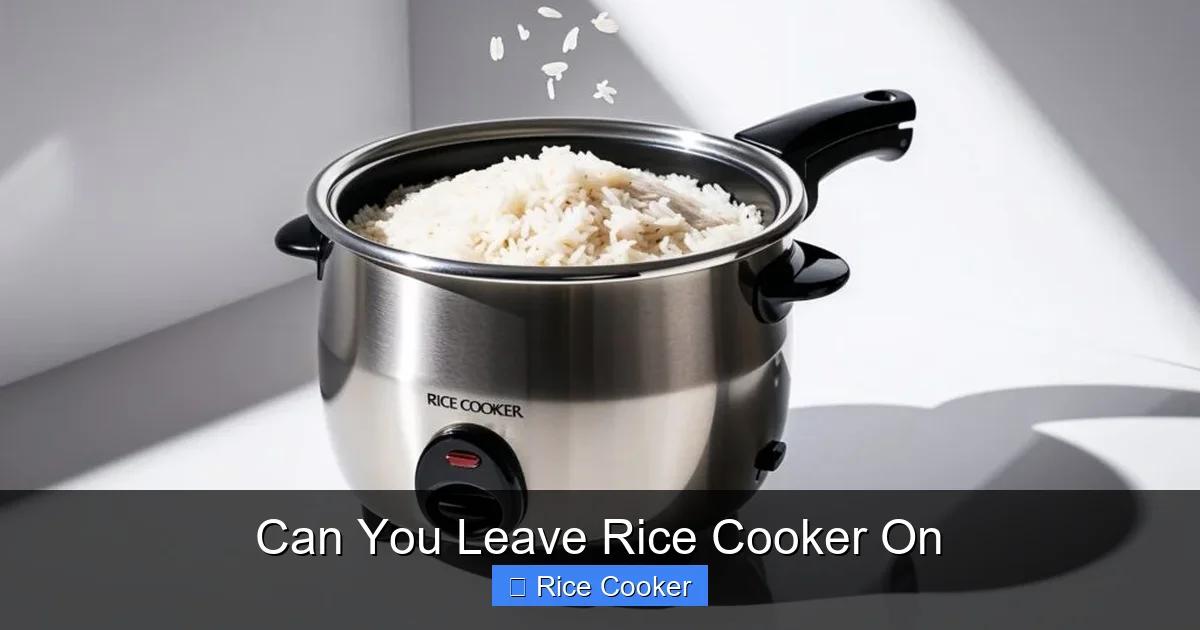
Visual guide about Can You Leave Rice Cooker On
Image source: toolsofkitchen.com
This transition is crucial. During the cooking phase, the inner pot reaches temperatures between 195°F and 205°F (90°C–96°C), which is enough to boil water and cook grains. But once the water evaporates and the rice is done, the temperature stabilizes around 180°F (82°C) in the “warm” setting. This lower heat prevents scorching or burning, keeping your rice moist and safe to eat.
Modern rice cookers often include additional safety features like:
- Auto shut-off: Cuts power entirely after a set time (usually 12–24 hours).
- Thermal fuses: A backup mechanism that breaks the circuit if overheating occurs.
- Non-stick coatings: Reduce the risk of hot spots and uneven heating.
These features make it possible—and even safe—to leave certain rice cookers on for extended periods. But not all models are created equal.
What Happens If You Leave It On Too Long?
Even with safety features, prolonged use beyond the recommended warm cycle can cause problems. Here’s what may happen if you leave your rice cooker on indefinitely:
- Dry or Burnt Rice: After the warm phase, the heating element turns off. Without active heating, the rice will eventually dry out and harden.
- Smoke or Odor: Residual moisture trapped in the pot can evaporate and cause smoke, especially if crumbs or old rice residue are present.
- Electrical Strain: Continuous power flow, even at standby levels, can degrade internal components over time.
For example, if you leave a rice cooker on for three days straight without checking it, the rice inside might become rock-hard and unusable. In rare cases, a malfunctioning thermostat could fail to switch to warm mode, leading to overheating and potential fire hazards.
Are All Rice Cookers the Same When It Comes to Leaving Them On?
Modern vs. Older Models
The answer to “can you leave rice cooker on” depends heavily on your model. Newer rice cookers—especially those made in the last decade—are built with advanced safety standards. They typically feature:
- Dual thermostats for redundancy
- Automatic shut-off after 12–24 hours
- Certifications like UL (Underwriters Laboratories)
These models are generally safe to leave on for short periods, such as during a family gathering or overnight if you’re using the warm function. For instance, the Zojirushi Neuro Fuzzy is a popular model known for its reliability and ability to keep rice warm safely for up to 12 hours.
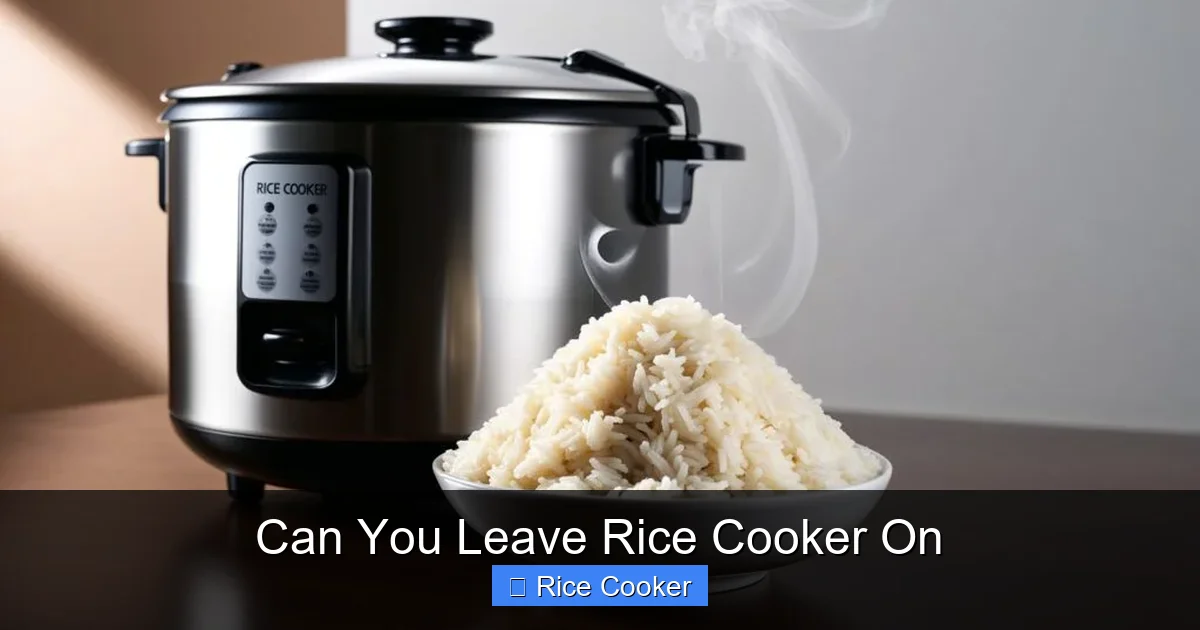
Visual guide about Can You Leave Rice Cooker On
Image source: toolsofkitchen.com
In contrast, older or budget-friendly rice cookers may lack these protections. Some basic models don’t have an auto shut-off and rely solely on a single thermostat. If that thermostat fails, the heating element could remain on indefinitely, creating a fire risk.
Brand Comparisons
Not all brands treat safety the same way. Here’s a quick comparison:
| Brand | Avg. Warm Duration | Auto Shut-Off | Recommended Usage |
|---|---|---|---|
| Zojirushi | Up to 12 hours | Yes, after warm phase | Safe to leave on briefly |
| Ninja | Up to 10 hours | Yes | Suitable for occasional use |
| Instant Pot | Varies by model | Most have auto shut-off | Check manual; generally safe |
| Generic/No-name Brand | Unknown | Often none | Unreliable; avoid leaving on |
If you’re unsure about your model, look for labels like “UL Listed” or check the user manual. These indicate compliance with safety standards.
When Is It Safe to Leave Your Rice Cooker On?
After Cooking, Using the Warm Setting
The most common scenario is when your rice cooker has just finished cooking and is in the “warm” mode. This is generally safe because:
- The heating element only activates periodically to maintain temperature.
- The rice is already fully cooked and won’t burn.
- Modern models automatically stop heating after a few hours.
For example, if you’re hosting a holiday dinner and want rice ready for serving later, you can safely leave the rice cooker on until guests arrive. Just avoid leaving it unattended for more than 12–24 hours.
Short-Term Use (Under 4 Hours)
If you’re stepping away for a meeting or running errands, leaving the rice cooker on for under four hours is usually fine—especially if it’s already in warm mode. The appliance won’t overheat, and your rice will stay fresh.
During Meal Prep or Entertaining
Rice cookers shine during busy times. Imagine you’re making a large batch of brown rice while also boiling eggs or steaming vegetables in another pot. You can leave the rice cooker on without worry, as long as it’s functioning normally.
When Should You Definitely Unplug Your Rice Cooker?
Overnight Use
Leaving a rice cooker on overnight is risky. Even with auto shut-off, power surges or component failures could occur. Plus, if the timer fails, your rice might dry out or catch fire. It’s best to unplug it after the warm cycle ends.
If You Notice Strange Smells or Sounds
Unusual odors—like burning plastic or electrical smells—are red flags. Immediately unplug the appliance and inspect it. Do not continue using it until checked by a professional.
During Power Outages or Storms
If a storm knocks out power and returns unexpectedly, your rice cooker could cycle on and off unpredictably. Unplugging it during such events protects against electrical damage.
When Traveling or Going on Vacation
If you’re gone for more than a day, unplug your rice cooker. This prevents any accidental activation and conserves energy.
Energy Efficiency: Does Leaving It On Waste Electricity?
Standby Power Consumption
Yes, leaving your rice cooker plugged in—even when off—consumes a small amount of energy. Most modern models use between 0.5 to 2 watts in standby mode. That might seem negligible, but over time, it adds up.
For example, a 1-watt rice cooker left plugged in 24/7 uses about 7.2 kWh per month. At an average electricity rate of $0.12/kWh, that’s roughly $0.86 per month—or nearly $10 per year.
While not a huge cost, it’s still unnecessary. Unplugging appliances when not in use—especially small kitchen devices—is a simple habit that saves money and reduces your carbon footprint.
Smart Plugs: A Modern Solution
If you want convenience without the risk, consider using a smart plug. These devices allow you to schedule when your rice cooker powers on and off. For example, you could set it to turn on at 5 PM and off at 9 PM, ensuring your rice is ready when you are—without leaving it plugged in all day.
Maintenance Tips to Keep Your Rice Cooker Safe
Clean the Inner Pot and Lid Weekly
Food residue buildup can cause odors, affect performance, and even lead to overheating. Always clean the non-stick inner pot with warm, soapy water and a soft sponge. Avoid abrasive scrubbers that damage the coating.
Check the Heating Element for Cracks or Damage
The heating plate beneath the inner pot should be smooth and intact. Any cracks or discoloration could indicate wear and should be addressed immediately.
Inspect the Cord and Plug
Look for frayed wires or loose connections. Damaged cords are fire hazards and should be replaced or repaired by a qualified technician.
Store Properly When Not in Use
If you’re storing your rice cooker for months (e.g., during summer vacation), unplug it, clean it thoroughly, and store it in a dry place. This prevents dust accumulation and prolongs its lifespan.
Real-Life Examples and Scenarios
Scenario 1: Hosting a Dinner Party
Maria is preparing a Thai feast and wants her jasmine rice ready for her guests at 7 PM. She cooks the rice at 4 PM, then leaves the rice cooker on. By 7 PM, the rice is perfectly warm and fluffy. She unplugs it afterward. Safe, easy, and delicious.
Scenario 2: Forgetful Cook
Tom leaves his rice cooker on overnight after making oatmeal. The next morning, he notices a burnt smell and blackened rice. A faulty thermostat likely failed to switch to warm mode. He learned his lesson: never leave it unattended.
Scenario 3: Eco-Conscious User
Lisa uses a smart plug with her rice cooker. She sets it to turn on at 5 PM and off at 6:30 PM. Her rice is ready on time, and she avoids any risk of overuse. She also unplugs it when traveling.
Conclusion: Can You Leave Rice Cooker On Safely?
So, back to the original question: can you leave rice cooker on? The short answer is yes—but with conditions. It’s generally safe to leave your rice cooker on after it finishes cooking and enters the warm setting, especially if it’s a modern model with auto shut-off. However, you should unplug it when not in use, avoid leaving it unattended for more than a day, and never ignore warning signs like smoke or unusual smells.
By understanding your appliance, following safety guidelines, and practicing good maintenance, you can enjoy the convenience of a rice cooker without compromising safety or efficiency. Whether you’re cooking for one or feeding a crowd, knowing when and how to use your rice cooker responsibly makes all the difference.
Remember: convenience is great, but safety always comes first. With a little awareness, you can leave your rice cooker on with confidence—and return to perfectly cooked meals every time.
Frequently Asked Questions
Is it safe to leave a rice cooker on overnight?
Generally, no. Even though modern rice cookers have safety features, leaving them on overnight increases the risk of malfunction. It’s better to unplug the appliance after the warm cycle ends to prevent fire hazards or over-drying.
How long can a rice cooker stay in warm mode?
Most rice cookers stay in warm mode for 10 to 24 hours, depending on the brand and model. After that, they typically shut off automatically. Check your manual for specifics, as durations vary slightly.
Do rice cookers waste electricity when left on?
Yes, a small amount. Standby power consumption ranges from 0.5 to 2 watts. Over time, this adds up, so unplugging your rice cooker when not in use saves money and energy.
What should I do if my rice cooker starts smoking?
Immediately unplug it and turn it off. Remove the inner pot and check for burnt residue. If the smoke persists or the unit smells burned, stop using it and consult a technician—do not attempt to use it again.
Can leaving my rice cooker on cause a fire?
In rare cases, yes—especially if the thermostat fails or the cord is damaged. To minimize risk, avoid leaving it on unattended, especially overnight, and perform regular maintenance checks.
Should I unplug my rice cooker when not in use?
Yes, it’s a good practice. Unplugging reduces energy waste, eliminates standby risks, and extends the appliance’s lifespan. Use smart plugs for added convenience if you prefer automated control.