
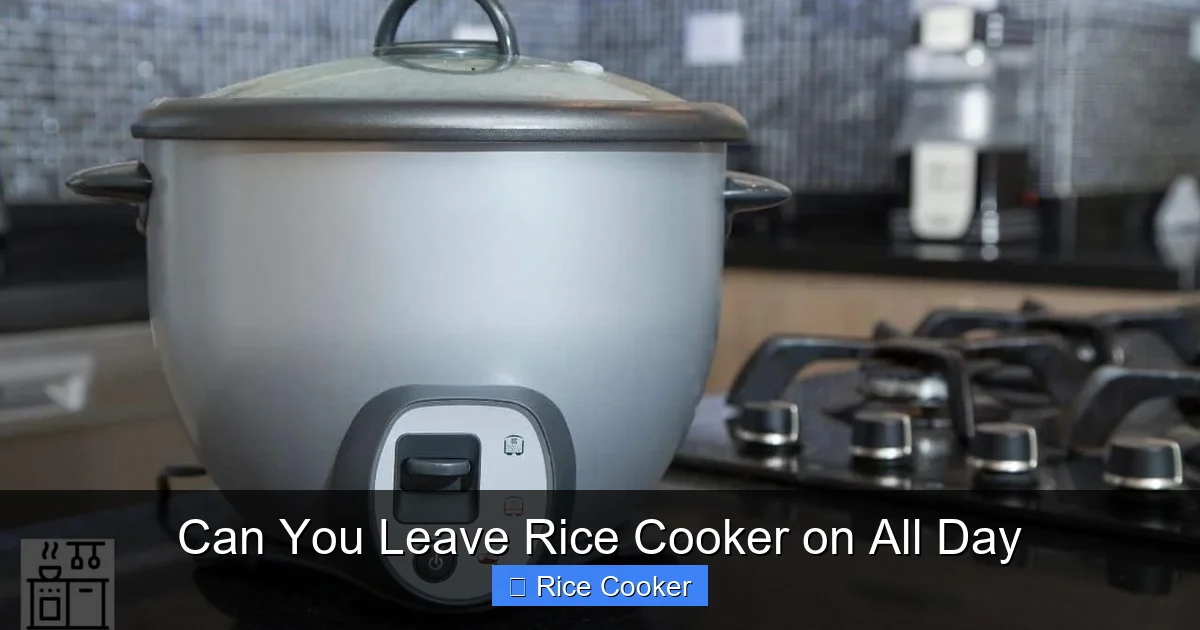
Leaving a rice cooker plugged in all day isn’t safe. While many models have automatic shut-off features, leaving them unattended for hours increases fire risk, wastes energy, and may damage the appliance. The safest practice is to only use your rice cooker when cooking rice or other meals.
Key Takeaways
- Most modern rice cookers turn off automatically after cooking, but they still draw standby power even when “off.” Leaving them plugged in all day adds up over time and increases unnecessary energy use.
- Older or faulty models may not shut off properly, creating a fire hazard if left unattended. Regular maintenance and testing of your rice cooker’s safety features are essential.
- Rice cookers aren’t designed for continuous operation. Unlike ovens or slow cookers meant to run long periods, rice cookers are built for short cooking cycles.
- Using a timer or smart plug reduces risk. These tools let you schedule cooking without leaving the unit on 24/7, improving both safety and energy efficiency.
- Unplug when not in use—especially during storms or high electricity demand—to eliminate any chance of malfunction or electrical surge damage.
- Clean your rice cooker regularly to prevent residue buildup, which could interfere with temperature sensors and lead to overheating.
- Consider alternatives like a slow cooker or instant pot if you need to keep food warm for extended periods, as these appliances are better suited for prolonged use.
📑 Table of Contents
- Can You Leave Rice Cooker on All Day? What You Need to Know
- How Rice Cookers Work: The Science Behind the Switch
- Is It Safe to Leave Your Rice Cooker On?
- Risks of Leaving a Rice Cooker On All Day
- Practical Tips for Safe Rice Cooker Use
- Alternatives to Leaving Your Rice Cooker On
- When Should You Definitely Unplug Your Rice Cooker?
- Conclusion: Make Informed Decisions About Your Appliances
Can You Leave Rice Cooker on All Day? What You Need to Know
Imagine waking up to perfectly cooked oatmeal or reheated leftovers because your rice cooker was left on overnight. Sounds convenient, right? But before you plug in your rice cooker and walk away for hours, it’s important to understand how these handy kitchen gadgets actually work—and whether it’s safe to leave them running all day.
Many people assume that because their rice cooker turns off automatically, it’s perfectly fine to leave it plugged in 24/7. After all, why unplug something that’s already programmed to do its job and then shut down? Unfortunately, convenience doesn’t always equal safety. While modern rice cookers are designed with automatic shut-off mechanisms, there are still risks involved with leaving them on continuously. From energy waste to potential fire hazards, the decision to leave your rice cooker on all day deserves careful thought.
In this article, we’ll explore everything you need to know about using your rice cooker safely and efficiently. We’ll cover how rice cookers function, what happens when you leave them on, and practical tips to keep your kitchen safe while still enjoying the benefits of this versatile appliance. So grab your favorite grain and let’s dive into the world of rice cooker safety!
How Rice Cookers Work: The Science Behind the Switch
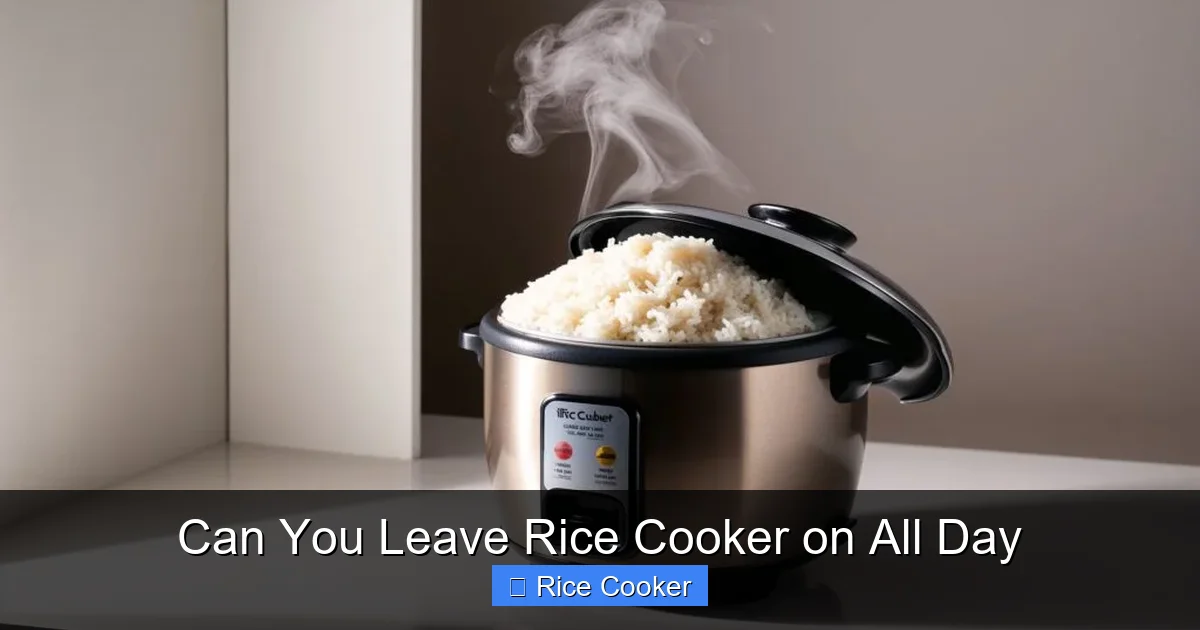
Before deciding whether to leave your rice cooker on all day, it helps to understand how these devices operate. At its core, a rice cooker uses heat and precise temperature control to cook grains evenly. Most models feature a simple design: a heating plate at the bottom, a removable inner pot, and a lid to trap steam.
Visual guide about Can You Leave Rice Cooker on All Day
Image source: toolsofkitchen.com
The Role of the Thermostat
One of the most critical components in a rice cooker is the thermostat—a small sensor that monitors the temperature inside the cooking chamber. When you add water and rice and press the “cook” button, the thermostat detects when the mixture reaches boiling point (around 212°F or 100°C). Once the water evaporates and the temperature rises above 205°F (96°C), the thermostat signals the heating element to switch from high heat to low heat. This keeps the rice warm without burning it.
After cooking, the thermostat triggers the automatic shut-off mechanism. The heating element turns off completely, and the rice cooker enters a standby mode. In this state, the unit draws minimal power—typically less than 1 watt per hour—but it’s still connected to the electrical outlet. Over time, that small amount of power adds up, contributing to your home’s overall energy consumption.
Standby Power: The Hidden Energy Drain
You might wonder: if the rice cooker isn’t actively cooking, why does it still use power? The answer lies in standby consumption. Even when the display shows “warm” or “off,” some internal circuits remain active to maintain the warming function. Older models may also have digital clocks or LED indicators that continue drawing electricity.
According to the U.S. Department of Energy, electronics in standby mode account for up to 10% of residential electricity use. A single rice cooker left on 24/7 could cost you an extra $2–$5 per year just from idle power usage. Multiply that across multiple appliances, and the savings from unplugging things when not in use become significant.
Is It Safe to Leave Your Rice Cooker On?
The short answer is: it depends. For most modern rice cookers, leaving them plugged in overnight or all day isn’t immediately dangerous—especially if they have reliable auto-shutoff features. However, there are several factors to consider before making this a regular habit.
Visual guide about Can You Leave Rice Cooker on All Day
Image source: ricearray.org
Modern vs. Older Models
Newer rice cookers typically include advanced safety systems such as thermal fuses, double-layer insulation, and microprocessor-controlled temperature regulation. These features reduce the risk of overheating or electrical faults. If your rice cooker is less than five years old and well-maintained, the chances of it malfunctioning while unattended are relatively low.
On the other hand, older models or those purchased secondhand may lack these safeguards. Faulty wiring, worn-out thermostats, or damaged heating elements increase the likelihood of problems. In rare cases, a stuck thermostat could cause the heating element to stay on indefinitely, leading to excessive heat buildup and potential fire risk.
Manufacturer Guidelines Matter
Always consult your rice cooker’s user manual before assuming it’s safe to leave on all day. Some brands explicitly warn against prolonged use beyond the cooking cycle. Others recommend unplugging after use to prevent wear and tear on internal components.
For example, Zojirushi and Panasonic—two leading rice cooker manufacturers—state in their manuals that the warming function should only be used temporarily (usually up to 12 hours max). Extended warm cycles can degrade the quality of rice and increase energy consumption unnecessarily.
Risks of Leaving a Rice Cooker On All Day
While rice cookers are generally reliable appliances, leaving them on continuously introduces several risks. Understanding these dangers can help you make safer choices in the kitchen.
Fire Hazards from Electrical Issues
Electrical faults are the most serious risk associated with leaving any appliance plugged in 24/7. Over time, cords can fray, plugs can loosen, or internal wiring can degrade due to heat exposure. If a short circuit occurs while the rice cooker is unattended, it could spark a fire—especially if smoke detectors aren’t installed nearby.
The National Fire Protection Association reports that unattended cooking equipment causes hundreds of house fires annually. While rice cookers rarely top the list compared to stovetops or space heaters, they’re still capable of starting a blaze under the right (or wrong) conditions.
Drying Out Food and Uneven Heating
If you’re using your rice cooker to keep food warm for hours (not just rice), you might notice that the texture changes over time. Grains lose moisture, becoming dry and hard rather than fluffy. Legumes or grains left on the “warm” setting for more than 8–12 hours often develop a gummy or mushy consistency.
Additionally, the warming plate doesn’t circulate heat evenly. This means foods near the edges get hotter than those in the center, increasing the risk of hot spots that could burn or spoil food unevenly.
Energy Waste and Higher Bills
As mentioned earlier, standby power isn’t nothing. A rice cooker left on all day consumes enough energy to power a light bulb for several hours. Over a month, that adds up—and over a year, it becomes noticeable on your utility bill.
Switching to eco-friendly habits isn’t just good for the planet; it saves money too. Simple actions like unplugging non-essential appliances when not in use can reduce household energy costs by 5–10%.
Practical Tips for Safe Rice Cooker Use
You don’t have to give up the convenience of your rice cooker—you just need to use it smarter. Here are some practical tips to maximize safety and efficiency.
Use a Timer or Smart Plug
A programmable timer allows you to set your rice cooker to start at a specific time and stop automatically. Many smart plugs connect to Wi-Fi and can be controlled via smartphone apps, giving you remote access to turn appliances on or off.
For instance, you could program your rice cooker to begin cooking at 6 AM so breakfast is ready when you wake up. Then, at 7:30 AM, the timer cuts power—eliminating the need to leave it on all day.
Unplug During Storms or High Demand
During thunderstorms or peak electricity hours, unplugging sensitive appliances reduces the risk of voltage surges damaging your electronics. Rice cookers aren’t immune to power fluctuations, and a sudden spike could fry internal circuits.
Clean the Inner Pot and Lid Weekly
Food residue trapped in the heating plate or around the rim can affect temperature readings and trigger false alarms. Regular cleaning ensures accurate thermostat performance and prevents unpleasant odors from stale grains.
Test Auto-Shutoff Function Regularly
Press the “cook” button and let the rice cooker run through a full cycle without adding anything. Watch to see if it turns off after cooking ends. If it stays on or behaves erratically, have it inspected by a technician.
Alternatives to Leaving Your Rice Cooker On
If you frequently want to keep meals warm throughout the day, consider using appliances specifically designed for prolonged use.
Slow Cookers
Slower cookers maintain steady low temperatures for hours, making them ideal for soups, stews, and braised dishes. They’re built to run unattended and often include timers and locking lids for safety.
Instant Pots
Many Instant Pot models offer a “keep warm” function that lasts up to 10 hours. These multi-cookers also include pressure cooking, steaming, and yogurt-making modes—giving you more versatility than a standard rice cooker.
Thermal Carafes or Warmer Plates
Some coffee makers come with insulated carafes that keep beverages hot for hours. Similar designs exist for rice and grains—look for insulated storage containers that don’t require constant heating.
When Should You Definitely Unplug Your Rice Cooker?
There are clear situations where unplugging is the best choice:
- When traveling or away from home—no need to leave anything plugged in unnecessarily.
- If the appliance shows signs of wear, such as unusual noises, burning smells, or error codes.
- During extreme weather, like heatwaves or storms, when electrical grids are stressed.
- If you have children or pets who might tamper with it.
Conclusion: Make Informed Decisions About Your Appliances
Leaving your rice cooker on all day isn’t inherently dangerous—but it’s not ideal either. Modern models are built with safety features, but they weren’t designed for 24/7 operation. By understanding how your appliance works and taking simple precautions, you can enjoy its benefits while minimizing risks.
Remember: convenience shouldn’t compromise safety. Use timers, unplug when possible, and choose the right tool for the job. Whether you’re cooking a quick bowl of quinoa or preparing a hearty pilaf, doing so thoughtfully protects your home, saves energy, and extends the life of your kitchen gadgets.
Your rice cooker is a helpful ally in the kitchen—just treat it with care. With the right habits, you’ll never have to wonder, “Can I leave my rice cooker on all day?” again.
Frequently Asked Questions
Can leaving a rice cooker on all day cause a fire?
Yes, in rare cases. While modern rice cookers have safety features, faulty wiring, stuck thermostats, or outdated models can overheat and pose a fire risk if left unattended for extended periods.
Do rice cookers use much power when left on?
Not much—about 1 watt per hour in standby mode. But over days or weeks, this adds up and contributes to higher electricity bills. Unplugging saves energy and money.
How long can you safely leave a rice cooker on?
Generally, no longer than 12 hours. Most manufacturers recommend unplugging after use to prevent wear and ensure optimal performance.
What should I do if my rice cooker won’t turn off?
Immediately unplug it and contact the manufacturer. Do not use it until it’s inspected by a professional, as a stuck heating element can overheat and cause damage.
Are smart plugs safe for rice cookers?
Yes, as long as they’re rated for kitchen appliances. Smart plugs allow you to schedule cooking times and cut power automatically, reducing the need to leave your rice cooker on all day.
Can I leave cooked rice warm in the rice cooker overnight?
It’s not recommended. Rice left on the “warm” setting for more than 8–12 hours can dry out, develop bacteria, and lose flavor. Use a sealed container in the fridge instead.