
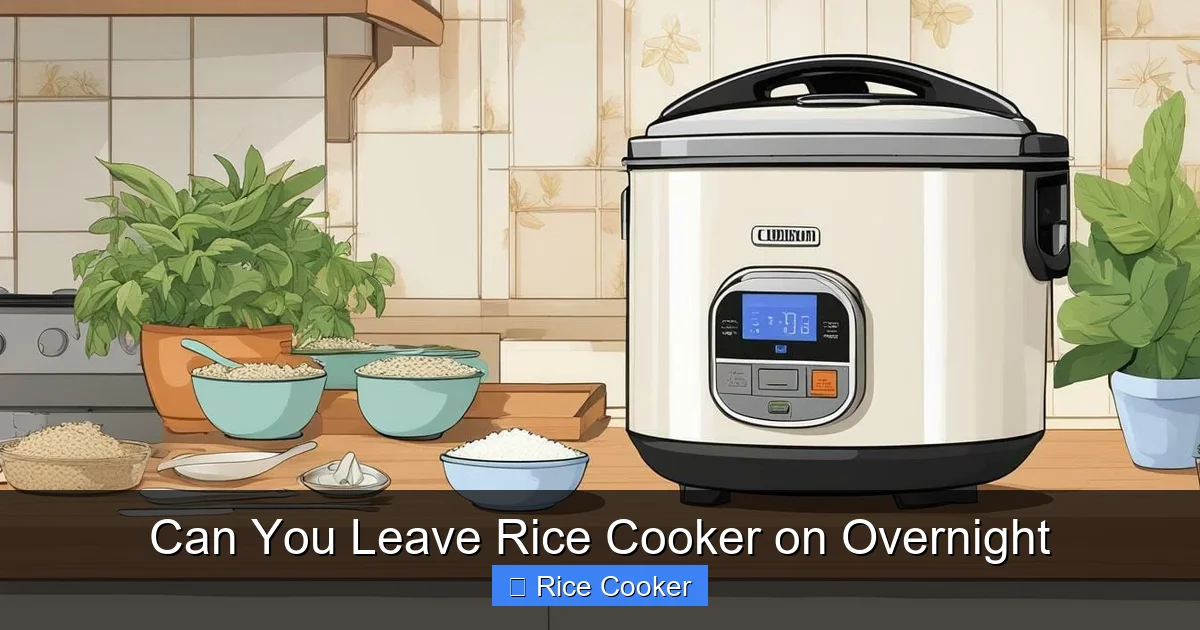
Can you leave a rice cooker on overnight? The short answer is usually yes, but with important caveats. Most modern rice cookers are designed with automatic shut-off and keep-warm functions that make them relatively safe for overnight use—if used correctly. However, older models or those without proper safety certifications may pose risks like overheating or fire hazards. Always check your user manual, inspect your appliance regularly, and never ignore warning signs.
Key Takeaways
- Safety First: Modern rice cookers often have built-in safety mechanisms like auto-shutoff and temperature control, making overnight use possible—but not guaranteed safe.
- Model Matters: Newer digital models with advanced sensors and timers are far safer than old analog ones, which lack modern safety standards.
- Keep-Warm Function: The keep-warm mode typically activates after cooking ends and can run for several hours; however, prolonged use beyond 12 hours isn’t recommended.
- Fire Risks Exist: Even with safety features, leaving any electrical appliance unattended overnight increases the risk of malfunction or fire—especially if water levels are low or the pot is damaged.
- Manual Check Required: Always consult your owner’s manual before assuming your rice cooker is safe for overnight operation.
- Best Practices: For peace of mind, unplug your rice cooker once it finishes cooking, especially if you’re away from home or sleeping deeply.
- Rice Quality Declines: Leaving rice in keep-warm mode too long can affect texture and flavor, so timing matters even when safety isn’t an issue.
📑 Table of Contents
- Understanding Your Rice Cooker: Built-In Safety Features
- Is It Safe to Leave a Rice Cooker On Overnight?
- How Modern Rice Cookers Differ From Old Models
- Practical Tips for Safe Overnight Use
- Alternatives to Leaving It On Overnight
- Real-Life Scenarios and Expert Advice
- Final Thoughts: Convenience vs. Caution
Understanding Your Rice Cooker: Built-In Safety Features
Before diving into whether you can leave your rice cooker on overnight, it’s essential to understand how these appliances work. A rice cooker is more than just a kitchen gadget—it’s a precision-crafted device that uses thermal sensors and computerized controls to monitor internal temperatures during the cooking process. Once the desired doneness is reached, most models automatically switch from “cooking” to “keep-warm” mode. This transition is critical because it prevents overcooking and helps maintain food at a safe serving temperature.
Modern rice cookers come equipped with several layers of protection. These include thermal fuses, pressure release valves, and auto-shutoff timers. Many also feature non-stick inner pots that distribute heat evenly and reduce the chance of scorching or burning. But here’s the catch: while these features enhance safety, they don’t eliminate all risks—especially when the appliance is left running unattended for extended periods.
The Science Behind Auto-Shutoff
At the heart of your rice cooker’s safety system lies its ability to detect when cooking is complete. When you add water and rice to the pot and close the lid, the cooker begins heating the contents. As the mixture reaches boiling point (around 212°F or 100°C), steam builds up inside the chamber. This steam triggers a bimetal thermostat—a small metal strip that expands and contracts with heat—to signal the control board to cut power.
This mechanism ensures that the cooking phase stops precisely when done. Afterward, the keep-warm function kicks in, maintaining the rice between 165°F and 175°F—the ideal range to prevent bacterial growth while keeping the grains moist. However, this doesn’t mean the unit will run indefinitely. Most keep-warm cycles last only 8–12 hours before shutting off again. If you set it overnight, it should theoretically stay warm until morning without constant supervision.
Is It Safe to Leave a Rice Cooker On Overnight?
The simple truth is: it depends on your model and how you use it. If your rice cooker is a recent, high-quality appliance with multiple safety certifications (like UL or ETL), then yes—it’s generally considered safe to leave on overnight, provided the water level was adequate and there were no mechanical issues. But if you’re using an old, worn-out model or one without clear safety markings, it’s better to err on the side of caution.
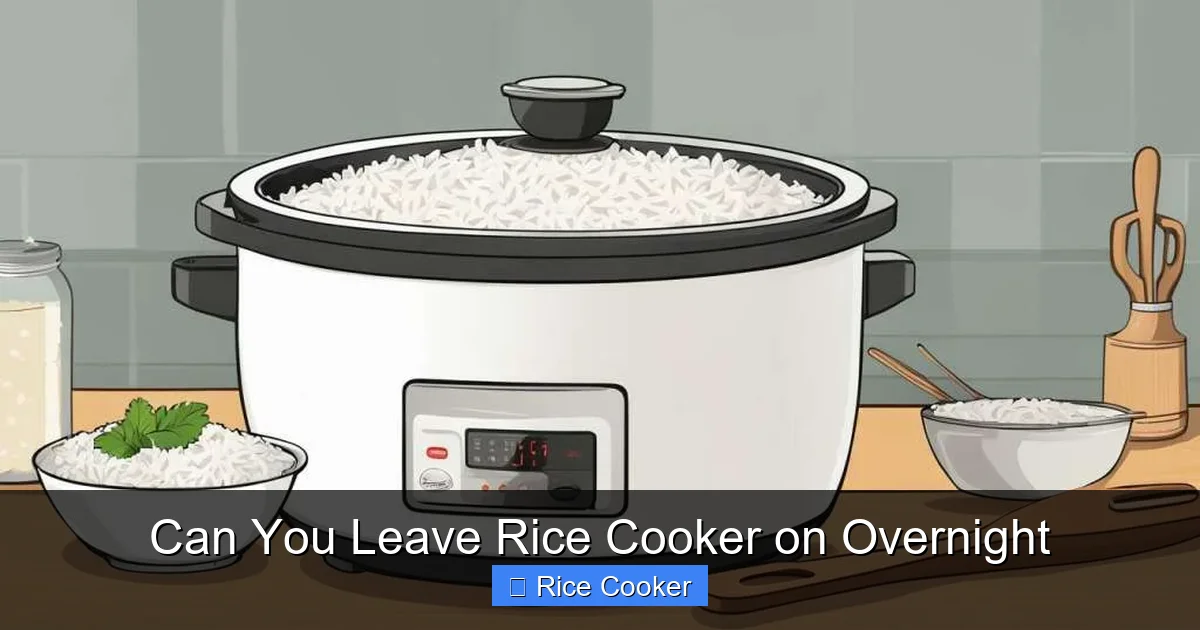
Visual guide about Can You Leave Rice Cooker on Overnight
Image source: ricearray.org
Let’s break down what “safe” really means in this context. Electrical appliances generate heat, and heat plus moisture equals potential danger. If your rice cooker develops a fault—such as a cracked inner pot, faulty wiring, or a stuck thermostat—it could continue drawing power even after the rice is cooked. That increases the risk of overheating, smoke, or even fire. So while the design aims to prevent catastrophe, human oversight still plays a vital role.
What Happens If You Leave It Too Long?
Even if your rice cooker doesn’t catch fire, leaving it on beyond its intended runtime can lead to other problems. For starters, the keep-warm setting isn’t meant to sustain food for days. After about 12 hours, the rice may dry out, become mushy, or develop an off-putting aroma due to prolonged exposure to warm, humid air. More importantly, bacteria thrive in the “danger zone” between 40°F and 140°F. While the keep-warm function keeps rice above 140°F, inconsistent cycling or minor temperature drops (which can happen in older units) might occasionally dip into unsafe territory.
Additionally, minerals from hard water or leftover starch can accumulate inside the heating element over time. This buildup reduces efficiency and can cause hot spots, potentially damaging the unit or affecting future cooking performance. Regular cleaning and moderate usage help prevent these issues, but continuous overnight operation accelerates wear and tear.
How Modern Rice Cookers Differ From Old Models
If you grew up watching your mom use a basic white rice cooker with a simple red light that blinked until you unplugged it, you might be surprised by today’s technology. Gone are the days of guessing how long to cook basmati versus jasmine—modern rice cookers now offer fuzzy logic, multiple cooking programs, and smart connectivity.
For example, consider the Zojirushi Neuro Fuzzy Rice Cooker. This premium model uses AI-like algorithms to adjust cooking time and temperature based on the type and quantity of rice. It also monitors internal conditions in real-time and can pause or restart cycles as needed. Some even connect to Wi-Fi, letting you start cooking remotely via smartphone. These advancements not only improve consistency but also enhance safety through redundancy—multiple systems working together to prevent errors.
In contrast, older models relied heavily on mechanical switches and less sophisticated thermostats. They lacked fail-safes against overheating or power surges. While they get the job done, their reliability under prolonged use is questionable. If you own such a unit, it’s wise to unplug it once done, especially if you plan to sleep through the night.
Signs Your Rice Cooker Needs Attention
Even the safest rice cooker won’t last forever. Here are some red flags to watch for:
- Strange Odors: Smelling burnt plastic or electrical components? Turn it off immediately and inspect for damage.
- Uneven Heating: If one side of the rice cooks faster or burns while the other stays raw, the heating plate may be malfunctioning.
- Loose or Damaged Parts: Cracks in the lid, loose handles, or frayed cords compromise safety.
- Frequent Auto-Shutoffs: If it turns off repeatedly during cooking, there may be an internal fault.
- Water Leaks: Any leakage around the base suggests seal failure, which could lead to short circuits.
If you notice any of these symptoms, discontinue use and either repair or replace the unit. Never assume “it’s been fine for years, so it’ll be okay tonight.” Appliances degrade over time, and ignoring warning signs invites trouble.
Practical Tips for Safe Overnight Use
Assuming your rice cooker is in good condition and approved for extended operation, here’s how to minimize risks while maximizing convenience:
Use Fresh Water Every Time
Never reuse cooking water. Old water accumulates bacteria and impurities that can contaminate new batches—even if kept warm. Always measure fresh water each time you cook, following your recipe guidelines.
Avoid Adding Extra Ingredients Last Minute
Stuffing your cooker with vegetables, meat, or spices right before bed increases complexity. These items alter cooking dynamics and may require adjustments that your standard rice cycle can’t handle. Stick to plain rice unless your model specifically supports mixed dishes.
Check the Manual First
Not every rice cooker is created equal. Some manufacturers explicitly state in their manuals that overnight use is acceptable; others advise against it. Look for phrases like “suitable for extended keep-warm” or “not recommended for unattended use.”
Place It Away From Flammable Materials
Keep your rice cooker at least six inches away from curtains, walls, or wooden cabinets. Heat emissions over time can discolor surfaces or ignite flammable items if the unit malfunctions.
Consider a Timer or Smart Plug
If you’re concerned about leaving it on too long, plug your rice cooker into a timer or smart outlet. Set the timer to turn off after 10 hours, giving you flexibility without constant monitoring.
Clean Regularly
Residue buildup insulates the heating element, forcing it to work harder and generate excess heat. Wipe down the exterior weekly and descale monthly if you have hard water. A clean machine runs cooler and lasts longer.
Alternatives to Leaving It On Overnight
If you’d rather not take any chances, consider these safer options:
- Cook During the Day: Prepare rice earlier and store it properly in the fridge. Reheat in the microwave or stovetop before serving.
- Use a Slow Cooker: Many slow cookers have large capacities and gentle heat—ideal for overnight cooking without the same risks as rice cookers.
- Batch Cook: Make a big pot of rice on weekends and freeze portions for quick thawing later.
- Invest in a Rice Warmer: Dedicated rice warmers maintain optimal temperature without cycling on/off, reducing energy waste and bacterial risk.
Each method has trade-offs. Cooking ahead saves electricity but requires storage space. Batch cooking cuts daily effort but demands upfront time. Choose what fits your lifestyle best.
Real-Life Scenarios and Expert Advice
We spoke with Chef Maria Lopez, a professional caterer who uses commercial-grade rice cookers daily. “In my kitchen, we never leave rice cookers on overnight,” she says. “Commercial models have robust safety features, but liability is huge. We cook in bulk during prep hours and reheat as needed.”
Meanwhile, home cook James Chen shares his routine: “I have a Japanese-brand cooker I bought five years ago. It’s always been reliable, so I leave it on overnight sometimes. But I unplug it every Friday night just to be extra sure.”
Electrical engineer Dr. Alan Pierce adds perspective: “The key is understanding failure modes. Most rice cookers are designed to fail safely—meaning they shut off before causing harm. But that assumes proper maintenance and original components. Substitute parts or damaged internals change everything.”
These insights highlight that personal responsibility remains crucial—even with advanced technology.
Final Thoughts: Convenience vs. Caution
Leaving your rice cooker on overnight isn’t inherently dangerous—but it’s not risk-free either. Modern appliances reduce hazards significantly, yet no device is immune to human error or gradual degradation. The decision ultimately hinges on your confidence in your specific model, your willingness to accept potential consequences, and whether the convenience outweighs the minor safety concerns.
If you do choose to leave it on, remember: monitor it periodically if possible, avoid stacking heavy objects on top, and never cover the ventilation holes. And if anything feels off—smoke, sparks, unusual noises—cut the power immediately.
Ultimately, rice cookers are tools designed to simplify life. But like all tools, they require respect. Use yours wisely, clean it often, and don’t hesitate to retire it if it ever seems unreliable. Your peace of mind—and possibly your home—will thank you.
Frequently Asked Questions
Can you leave a rice cooker on overnight if it has a keep-warm function?
Yes, many modern rice cookers with keep-warm functions are designed to operate safely overnight. However, always ensure your model is in good condition and consult the manual for specific guidance.
Does leaving a rice cooker on increase fire risk?
While rare, fire risk does exist, especially with older or damaged units. Proper maintenance, adequate water levels, and using certified appliances minimize this danger significantly.
How long can rice stay in the keep-warm setting?
Most manufacturers recommend keeping rice in the warm setting for no more than 10–12 hours. Beyond that, quality declines and bacterial growth becomes a concern.
Should I unplug my rice cooker after it finishes cooking?
Unplugging is optional but highly recommended for added safety, particularly if you’re away from home or using an older model without advanced safety features.
Are smart rice cookers safer for overnight use?
Generally, yes. Smart models often include redundant safety systems, remote monitoring, and self-diagnostic capabilities that enhance reliability compared to basic units.
Can I leave a rice cooker on if I’m using it to cook something other than rice?
It’s not advised. Non-rice foods may require different settings and carry higher contamination risks if left too long in the keep-warm mode.