
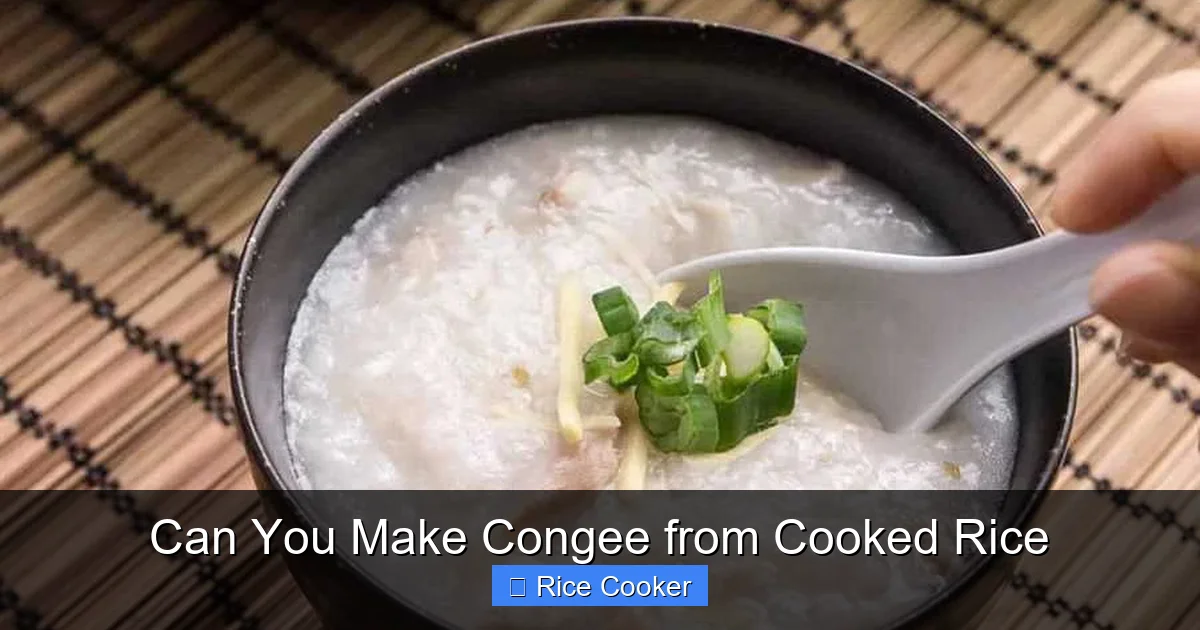
Can you make congee from cooked rice? Absolutely! With just a few simple steps, you can turn leftover cooked rice into a soothing, porridge-like dish known as congee. Using a rice cooker makes the process effortless and hands-off. Whether you’re meal prepping or cleaning out your fridge, this method saves time and reduces food waste while delivering a warm, nourishing meal perfect for any occasion.
Key Takeaways
- Understanding can you make congee from cooked rice: Provides essential knowledge
📑 Table of Contents
- Introduction: The Comfort of Congee
- Why Use Cooked Rice for Congee?
- Choosing the Right Type of Rice
- How to Prepare Your Cooked Rice
- Step-by-Step Guide: Making Congee in a Rice Cooker
- Flavoring and Customizing Your Congee
- Meal Prep Tips for Busy Weeks
- Troubleshooting Common Issues
- Health Benefits of Congee
- Global Variations of Congee
- Final Thoughts: Embrace the Versatility
Introduction: The Comfort of Congee
There’s something deeply comforting about a warm bowl of congee. Whether you’re recovering from illness, looking for a gentle breakfast, or simply craving something soothing after a long day, congee delivers. This traditional Asian porridge has been a staple across cultures—from Chinese breakfast tables to Japanese bowls and Korean versions like juk—for centuries. Its simplicity is part of its charm: just rice, water, and time. But what if you don’t have raw rice on hand? Can you make congee from cooked rice?
The short answer is yes—you absolutely can. In fact, using leftover rice is one of the most practical ways to enjoy congee without starting from scratch. Not only does it reduce food waste, but it also allows you to turn yesterday’s dinner into today’s comfort food. And thanks to modern kitchen tools like rice cookers, the process has never been easier.
In this article, we’ll walk through everything you need to know about making congee from cooked rice. From understanding why cooled rice works so well, to choosing the right type of rice, mastering your rice cooker, and adding bold flavors, you’ll learn how to transform ordinary leftovers into something extraordinary. Whether you’re new to congee or a seasoned fan, these tips will help you make the perfect bowl every time.
Why Use Cooked Rice for Congee?
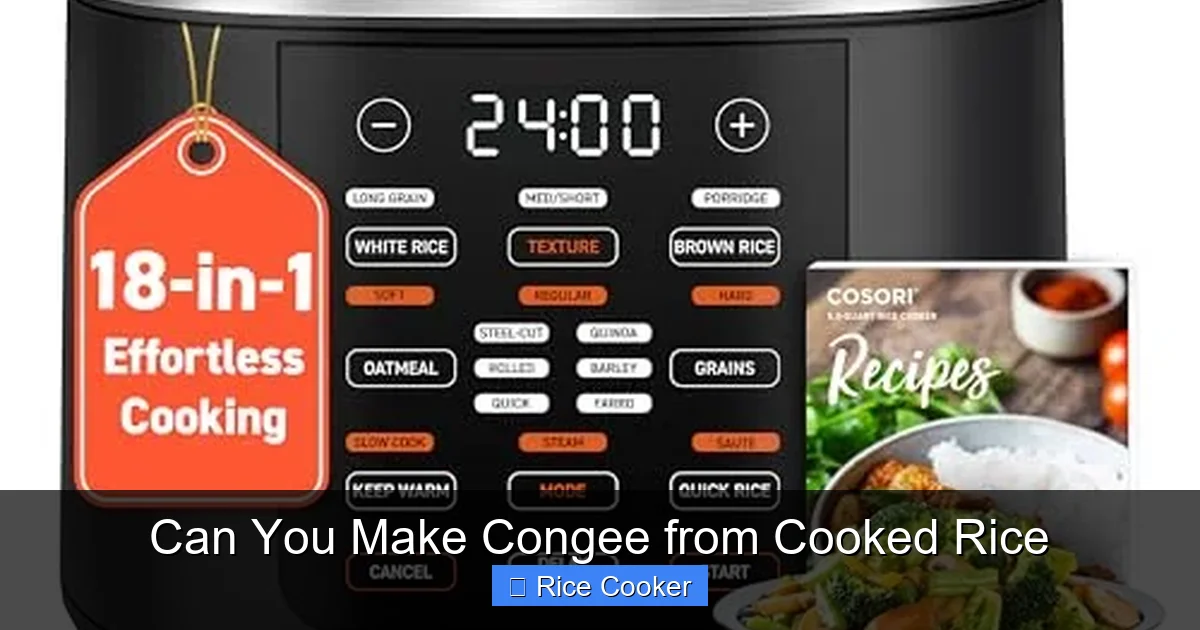
Visual guide about Can You Make Congee from Cooked Rice
Image source: m.media-amazon.com
While many recipes call for raw rice soaked overnight before simmering, using cooked rice offers several advantages—especially when you’re working with leftovers. Let’s break down why this method works so well.
The Science Behind Starch Release
When rice is cooked, its starches gelatinize, absorbing water and softening. When you add more liquid to cooked rice and heat it gently, those starches begin to break down further. Cooled or refrigerated rice undergoes a process called retrogradation, where the starches recrystallize. This creates a denser texture that releases more starch when reheated, resulting in a naturally thicker, creamier congee. That’s why chilled rice often yields better results than freshly cooked, hot rice.
Saving Time and Reducing Waste
One of the biggest benefits of using leftover rice is convenience. Instead of waiting for raw rice to soak and cook, you can repurpose what’s already done. This is especially helpful if you’re meal prepping or trying to minimize kitchen cleanup. Plus, turning leftover rice into congee helps reduce food waste—a win-win for your wallet and the environment.
Consistency Across Batches
Using cooked rice ensures consistent results. Raw rice varies depending on brand, age, and moisture content, which can affect how easily it turns into congee. Cooked rice, however, is uniform and predictable. You know exactly how much liquid it will absorb and how it will behave under heat.
Choosing the Right Type of Rice
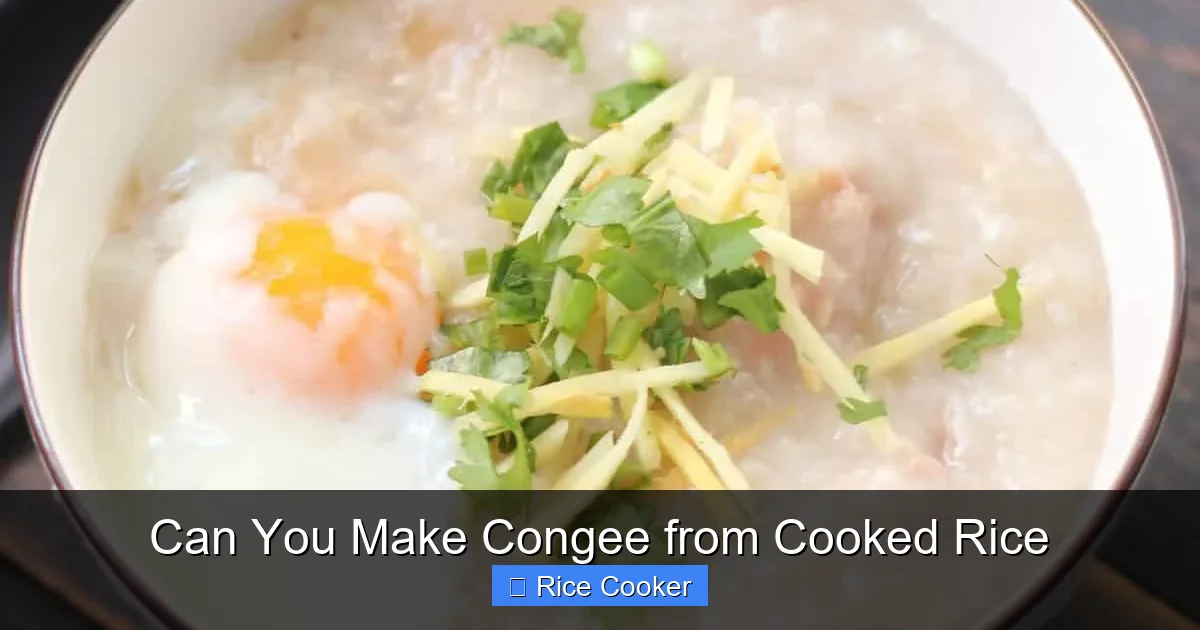
Visual guide about Can You Make Congee from Cooked Rice
Image source: sassychopsticks.com
Not all rices are created equal when it comes to making congee. The grain you choose impacts the final texture, stickiness, and overall mouthfeel.
Jasmine Rice
Jasmine rice is popular in Southeast Asian cuisine and works wonderfully for congee. It’s slightly sticky when cooked, which helps bind the grains together into a cohesive porridge. Its fragrant aroma adds a pleasant floral note that enhances the overall experience.
Glutinous (Sticky) Rice
This rice is almost entirely starch, making it incredibly sticky and ideal for traditional congee styles like those found in Taiwan or Thailand. It doesn’t require much water and becomes velvety smooth. However, it’s less common in Western kitchens, so availability may be limited.
Medium-Grain White Rice
A great all-around choice, medium-grain rice strikes a balance between softness and structure. It holds its shape well while still melting into a creamy consistency. It’s widely available and performs reliably in most rice cookers.
Brown Rice
Brown rice adds extra fiber and nutrients, but it takes longer to soften and may result in a slightly grittier texture. If you want to use brown rice, consider pre-soaking it or increasing cooking time by 10–15 minutes.
Instant Rice or Leftover Fried Rice
Yes, even fried rice can become congee! Just be cautious—fried rice already contains oil and seasonings, so adjust salt levels and avoid overcooking to prevent greasiness.
How to Prepare Your Cooked Rice
Before you start cooking, give your leftover rice a quick prep to ensure the best outcome.
Break Up Clumps
After refrigerating, rice tends to clump together. Gently fluff it with a fork or spatula to separate the grains. This helps distribute heat evenly and prevents lumps in your congee.
Adjust Moisture Content
If your rice is very dry from refrigeration, add a splash of water before cooking. If it’s still damp, skip extra water to avoid a watery result.
Thaw Frozen Rice (If Needed)
If you’ve frozen your rice, let it thaw at room temperature for 15–20 minutes before using. Never microwave it directly into congee—it won’t rehydrate properly.
Step-by-Step Guide: Making Congee in a Rice Cooker
Using a rice cooker is one of the easiest ways to make congee from cooked rice. Follow these steps for foolproof results.
Gather Your Ingredients
You’ll need:
– 2 cups cooked rice (chilled or at room temperature)
– 4–6 cups water (adjust based on desired thickness)
– Pinch of salt
– Optional: ginger slices, scallion whites
Add Rice and Water to the Cooker
Place the rice in the inner pot of your rice cooker. Add water gradually—start with 4 cups for a standard bowl and increase up to 6 cups if you prefer a thinner consistency. Stir gently.
Use the Porridge or Soup Setting
Most rice cookers come with a dedicated porridge, soup, or slow-cook function. Select this mode instead of “cook” or “rice” to maintain a low, steady simmer. This prevents boiling over and ensures gradual thickening.
Cook Until Desired Consistency
Cook for 20–40 minutes, stirring occasionally. The longer it cooks, the thicker it becomes. For reference:
– 20 minutes = slightly soupy
– 30 minutes = medium consistency
– 40+ minutes = thick and creamy
Stir and Adjust
Once the cycle ends, stir thoroughly. If it’s too thick, add hot water a tablespoon at a time. If too thin, let it sit for 5–10 minutes—the residual heat will continue to thicken it slightly.
Flavoring and Customizing Your Congee
Plain congee is delicious, but it’s the toppings and seasonings that truly bring it to life.
Basic Seasonings
Start with a pinch of salt and a few slices of fresh ginger (crushed lightly). These neutral flavors enhance the rice without overwhelming it. You can also add a teaspoon of sesame oil for depth or a splash of soy sauce for umami.
Protein Additions
Add cooked proteins during the last 10 minutes of cooking:
– Soft-boiled eggs
– Shredded chicken or pork
– Tofu cubes
– Fish fillets (like cod or tilapia)
These absorb the flavors and soften perfectly in the hot porridge.
Vegetables
Chop finely and add toward the end:
– Carrots
– Chives
– Bok choy
– Mushrooms
Avoid leafy greens early on—they’ll turn mushy.
Toppings That Transform the Bowl
Elevate your congee with these classic accompaniments:
– Fried shallots or garlic oil
– Pickled vegetables (like mustard greens or radish)
– Nori strips or seaweed flakes
– A drizzle of chili crisp
– Soft cheese (in fusion-style versions)
Each bite becomes more exciting with contrast in texture and flavor.
Meal Prep Tips for Busy Weeks
Congee is perfect for batch cooking. Here’s how to make it ahead of time.
Make a Large Batch
Double or triple your recipe and store portions in airtight containers. Properly stored congee lasts up to 5 days in the refrigerator.
Freeze for Long-Term Storage
Portion into ice cube trays, then transfer to a freezer bag. Thaw overnight in the fridge and reheat with a little water to loosen.
Reheating Without Losing Texture
To revive refrigerated or frozen congee:
1. Place in a saucepan with 2–3 tablespoons of water.
2. Heat on low-medium, stirring frequently.
3. Simmer until warmed through and creamy again.
Avoid microwaving straight from cold—it can cause uneven heating and separation.
Troubleshooting Common Issues
Even with the best technique, you might run into small hiccups. Here’s how to fix them.
Too Thin?
Let it sit uncovered for 10–15 minutes after cooking. The evaporation will thicken it slightly. For quicker results, simmer uncovered for 5 more minutes.
Too Thick?
Add hot water incrementally while stirring. Keep an eye on it—congee thickens rapidly once it reaches boiling point.
Lumpy Texture?
This usually happens if the rice wasn’t broken up before cooking. Next time, fluff it well before adding water. Also, avoid high heat—stick to gentle simmering.
Greasy Appearance?
If using fried rice, skim off excess oil after cooking. Or strain through a fine mesh sieve before serving.
Rice Sticks to the Pot?
Ensure your rice cooker has enough water and isn’t set too high. Stirring halfway through helps. Some models benefit from a drop of oil to prevent sticking.
Health Benefits of Congee
Beyond its comforting taste, congee offers several nutritional perks.
Easy Digestion
The broken-down starches in congee are gentle on the stomach—ideal for digestion issues, travel, or after antibiotics.
Balanced Nutrition
Pairing congee with vegetables, lean protein, and healthy fats creates a complete, balanced meal. It’s lower in fat than many other porridges and easy to customize.
Hydration Boost
With its high water content, congee supports hydration—great during flu season or hot weather.
Weight Management Friendly
Low in calories and high in fiber (when made with whole grains), congee can be part of a mindful eating plan. Portion control is key, though.
Global Variations of Congee
While we’re focused on Asian-style congee, similar dishes exist worldwide—each with unique twists.
Spanish Arroz Caldo
A warming rice soup with chicken, garlic, and sometimes chiles. Similar concept, different flavor profile.
Italian Risotto
Though not technically congee, risotto shares the same principle: slow-cooked rice absorbing liquid and becoming creamy. Arborio rice is preferred for its high amylopectin content.
American Cream of Rice
A sweet or savory pantry staple made from parboiled rice. Often used in casseroles or as a thickening agent.
Mexican Arroz con Leche
A spiced rice pudding flavored with cinnamon and vanilla—dessert-style congee!
Final Thoughts: Embrace the Versatility
Making congee from cooked rice isn’t just practical—it’s creative. It turns routine leftovers into something special, reduces waste, and gives you full control over flavor and texture. With a rice cooker, the process is nearly automatic, leaving you free to focus on what really matters: enjoying a nourishing, soul-warming meal.
Whether you’re new to congee or a longtime fan, experimenting with ingredients and techniques will keep things interesting. Try different rice types, play with global toppings, or even blend in quinoa or oats for variety. The beauty of congee lies in its adaptability—there’s no wrong way to enjoy it.
So next time you find yourself staring into the fridge with half a container of rice, don’t toss it out. Grab your rice cooker, add some water, and turn it into a comforting bowl of congee. Your future self will thank you.
Frequently Asked Questions
Can you make congee from cooked white rice?
Yes, you can make congee from cooked white rice. Cooled rice works especially well because the starches recrystallize, making it easier to achieve a creamy texture. Just add water to the rice and cook slowly, either on the stovetop or in a rice cooker with a porridge setting.
Do I need to soak cooked rice before making congee?
No, soaking isn’t necessary when using cooked rice. Unlike raw rice, which benefits from overnight soaking, leftover rice is already hydrated and ready to go. Simply fluff it, add water, and cook gently until desired consistency is reached.
What kind of rice cooker should I use?
Any standard rice cooker works, but models with a “porridge” or “soup” setting are ideal. These settings maintain a low, steady temperature that prevents boiling over and ensures even thickening. If your cooker doesn’t have this feature, use the lowest stovetop setting or simulate it by simmering slowly.
How much water do I add to cooked rice for congee?
Start with a ratio of 2 parts rice to 4–6 parts water. For example, use 2 cups of rice and 4–6 cups of water. Adjust based on how thick you like your congee. More water = thinner; less water = thicker. Stir occasionally and taste-test as it cooks.
Can I freeze congee made from cooked rice?
Yes, congee freezes well. Portion it into containers or ice cube trays, cover, and freeze for up to 1 month. To reheat, thaw overnight in the fridge, then warm on the stove with a splash of water, stirring constantly until smooth.
Is congee healthier than regular rice?
Congee retains most of the nutrients in rice but is easier to digest due to its broken-down starches. Adding vegetables, lean protein, and healthy fats boosts its nutritional value. It’s particularly beneficial during illness or recovery but should be eaten in moderation as part of a balanced diet.