
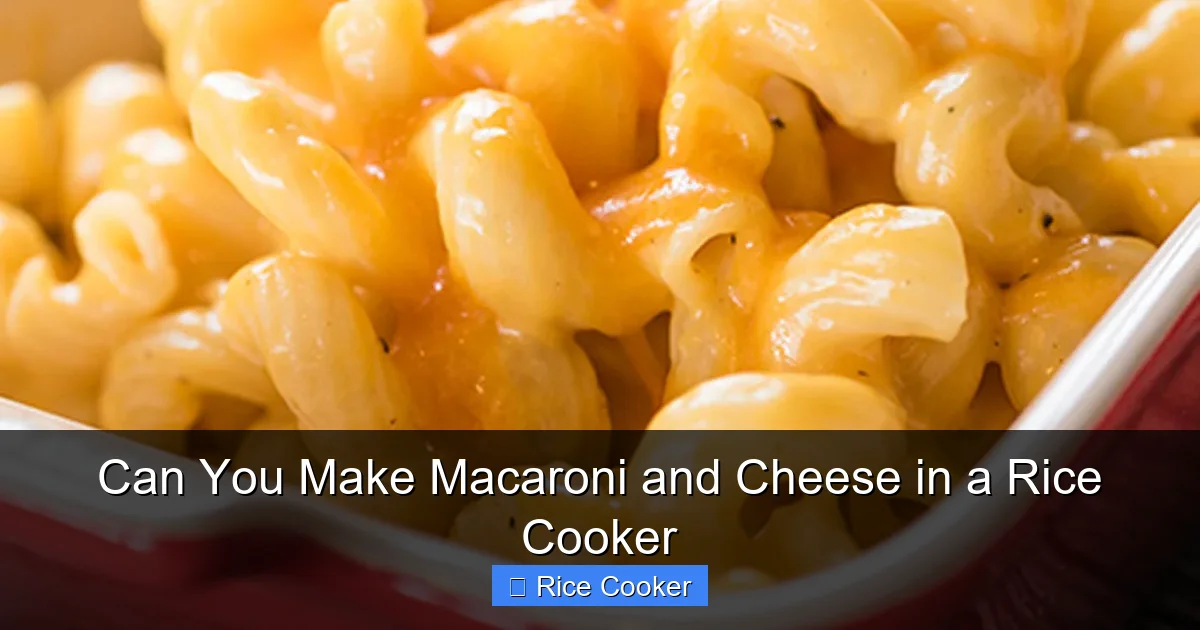
Making macaroni and cheese in a rice cooker is not only possible—it’s quick, foolproof, and delivers that gooey, cheesy goodness you love. With just a few ingredients and your trusty appliance, you can skip the stove and still enjoy a comforting bowl of classic comfort food. Whether you’re cooking for one or feeding a crowd, this method is a game-changer for busy home cooks.
Key Takeaways
- You absolutely can make macaroni and cheese in a rice cooker. It’s a convenient, stovetop-free way to enjoy creamy pasta with minimal cleanup.
- The secret is using pre-cooked pasta and adding cheese at the right time. Most rice cookers have a “keep warm” function that helps melt cheese without burning.
- Choose the right pasta shape and cheese blend for best results. Elbow macaroni and a mix of cheddar and parmesan work wonders.
- Adjust liquid carefully—too much water makes it soupy, too little risks sticking. A 1:1.5 ratio (pasta to liquid) is a great starting point.
- For extra creaminess, add milk, butter, or cream cheese to the cheese sauce. These ingredients help bind everything together in the rice cooker.
- Don’t skip the salt and seasoning—they elevate the flavor significantly. A pinch of garlic powder or mustard powder adds depth.
- Experiment with add-ins like bacon, broccoli, or breadcrumbs for variety. The rice cooker handles both simple and upgraded versions.
[FEATURED_IMAGE_PLACEHOLDER]
Can You Really Make Macaroni and Cheese in a Rice Cooker?
If you’ve ever stared into your pantry, wondering what to make for dinner, and found a box of elbow macaroni and some cheese, you’re not alone. Classic mac and cheese is one of America’s favorite comfort foods—rich, creamy, and satisfying. But what if your stove is broken, you’re short on time, or you just don’t feel like standing over a pot of boiling water? Enter the rice cooker: a humble kitchen appliance often overlooked for its potential beyond steaming rice.
So yes—you absolutely can make macaroni and cheese in a rice cooker. In fact, it might become your new go-to method for this beloved dish. Not only does it eliminate the need for constant stirring and monitoring, but it also results in evenly cooked pasta and a smooth, velvety sauce. The key lies in understanding how rice cookers work and adapting traditional recipes to fit their unique functions. With the right technique, you’ll get restaurant-quality mac and cheese without lifting a single pot.
This article walks you through everything you need to know—from ingredient selection to step-by-step instructions—so you can whip up a batch of cheesy perfection using nothing more than your rice cooker, a measuring cup, and a little patience. Whether you’re a college student, a busy parent, or someone who simply loves experimenting in the kitchen, this method is for you.
Why Use a Rice Cooker for Macaroni and Cheese?
Before we dive into the recipe, let’s talk about why using a rice cooker is such a smart idea. First, convenience is king. Most people already own a rice cooker, so there’s no extra equipment needed. Second, it frees up your stovetop for other dishes—perfect when hosting or meal-prepping for the week. Third, the automated process reduces the chance of burning or undercooking, which can be tricky on the stove.
Convenience and Time-Saving Benefits
One of the biggest advantages of making mac and cheese in a rice cooker is speed. Traditional methods require bringing water to a boil, adding pasta, waiting for it to cook, then preparing a separate cheese sauce. That’s at least 20–30 minutes of active and passive cooking. With a rice cooker, you combine everything in one vessel and press a button. Total hands-off time? About 15–20 minutes. Plus, cleanup is a breeze—just one pot to wash.
Even Cooking Without Constant Stirring
On the stovetop, macaroni and cheese is notorious for sticking to the bottom of the pan and requiring frequent stirring. Not only is that tedious, but it increases the risk of scorching the pasta or creating lumps in the sauce. In contrast, rice cookers circulate heat gently and consistently. Even without manual intervention, your pasta will cook uniformly, and the cheese will incorporate smoothly thanks to the built-in warmth during the “keep warm” phase.
Perfect Texture Every Time
Rice cookers maintain a steady temperature throughout the cooking cycle, which means your pasta won’t overcook or turn mushy. You can set it and forget it, knowing the appliance will stop automatically when done. This consistency is especially helpful for beginners or those new to cooking pasta-based meals.
Choosing the Right Ingredients
Just like any good recipe, success starts with quality ingredients. While mac and cheese is famously forgiving, certain choices make all the difference in texture and flavor. Let’s break down what to look for—and what to avoid.
Pasta Selection: Shape Matters
Elbow macaroni is the classic choice because its curved shape holds onto sauce beautifully. Other options include small shells, penne, or rotini. Avoid long, thin noodles like spaghetti or linguine—they tend to clump together in a rice cooker. Always use dried pasta (not pre-cooked), as instant or fully cooked varieties may turn into mush.
Cheese Blends: More Than Just Cheddar
A single type of cheese rarely gives the full depth of flavor expected from mac and cheese. Instead, use a blend:
- Cheddar: Provides sharpness and meltability.
- Gouda or Colby: Adds creaminess and mild tang.
- Monterey Jack: Enhances smoothness and stretch.
- Fontina or Gruyère: Offers nutty undertones and excellent emulsion.
A combination of 2–3 cheeses usually yields the best results. Avoid processed cheese slices—they lack complexity and can taste artificial.
Liquids: Water, Milk, or Both?
Traditional recipes call for boiling water, but you can enhance richness by adding milk directly into the rice cooker along with the water. Try a 50/50 split (e.g., 1.5 cups water + 1.5 cups milk). Whole milk or half-and-half adds creaminess; skim milk keeps it lighter. Avoid using only milk—it lacks enough volume to cook pasta properly.
Fat and Flavor Boosters
Butter is essential—it coats the pasta and emulsifies the cheese sauce. For extra decadence, stir in a tablespoon of cream cheese or a splash of heavy cream after the pasta is cooked. Garlic powder, mustard powder, paprika, or even a dash of hot sauce can elevate the flavor profile without complicating the process.
Step-by-Step Guide to Making Mac and Cheese in a Rice Cooker
Now for the fun part: actually making it! Follow these steps closely, and you’ll end up with a bowl of cheesy bliss.
What You’ll Need
- 1 cup uncooked elbow macaroni
- 1.5 cups water
- 1.5 cups milk (whole or half-and-half)
- 4 oz shredded cheese blend (cheddar + gouda recommended)
- 2 tbsp butter
- 1/2 tsp salt (adjust to taste)
- 1/4 tsp black pepper
- Optional: 1/4 tsp mustard powder or garlic powder
Preparation Tips
Measure ingredients ahead of time—rice cookers don’t accommodate last-minute additions once started. Pre-shred your cheese; pre-made blocks yield better melting. If using frozen vegetables (like peas or broccoli), blanch them first to prevent sogginess.
Assembly in the Rice Cooker
- Add liquids first: Pour water and milk into the inner pot.
- Stir in dry ingredients: Sprinkle salt, pepper, and any spices over the top.
- Add pasta and butter: Place elbows into the mixture and drop in the butter.
- Close lid and start cooking: Select “White Rice” mode (most standard) and let it run.
- After cooking ends: Open the lid and immediately stir in shredded cheese until fully melted.
- Let sit 2–3 minutes: This allows flavors to meld and sauce to thicken slightly.
Pro Tips for Success
- Don’t overfill: Leave at least 1 inch of space above the pasta to allow expansion.
- Stir gently after adding cheese: Use a wooden spoon to avoid scratching the non-stick coating.
- Taste and adjust: Add more salt, pepper, or cheese as needed before serving.
Customizing Your Mac and Cheese
Once you’ve mastered the basics, the possibilities are endless. The beauty of making mac and cheese in a rice cooker is its adaptability. Here are several ways to level up your next batch:
Add-Ins for Extra Flavor and Texture
- Bacon bits: Crisp up strips of bacon separately, crumble, and fold in after cheese melts.
- Roasted vegetables: Try caramelized onions, sautéed mushrooms, or roasted red peppers.
- Protein boost: Mix in cooked chicken, ham, or smoked sausage.
- Crunchy topping: Sprinkle panko breadcrumbs mixed with melted butter over the top before the final cook cycle (use “Keep Warm” only).
Gluten-Free and Dairy-Free Options
Swap regular pasta for gluten-free elbows or lentil-based noodles. For dairy-free versions, use unsweetened almond milk or oat milk, vegan butter, and plant-based cheese alternatives like cashew or nutritional yeast blends. Note: dairy-free cheeses vary in meltability, so test a small amount first.
Vegan Mac and Cheese
To make fully vegan mac and cheese:
- Use gluten-free or regular pasta (ensure certified GF if needed)
- Replace milk with fortified unsweetened soy or oat milk
- Substitute butter with vegan margarine or olive oil
- Use store-bought vegan cheese shreds or homemade cashew-based sauce
Blend soaked cashews (1 cup) with lemon juice, garlic, nutritional yeast, and tapioca starch for a creamy, cheesy texture.
Troubleshooting Common Issues
Even with perfect technique, you might encounter hiccups. Here’s how to fix them:
Pasta Too Soft or Mushy
This happens when the rice cooker runs too long or uses too much liquid. Next time, reduce water to 1.25 cups and monitor after 12 minutes. Some models have adjustable timers—check yours if available.
Sauce Too Thin or Separated
If your mac and cheese looks watery, transfer it to a baking dish and broil for 2–3 minutes to evaporate excess moisture. Alternatively, mix 1 tsp cornstarch with 1 tbsp cold water and stir into the cheese mixture before adding—it acts as a thickener.
Pasta Stuck to the Bottom
Not ideal, but common if stirred too late. Prevention is key: always stir once cooking begins (after 5–7 minutes). If stuck, turn off the cooker, wait 2 minutes, then gently lift with a spatula.
Cheese Doesn’t Melt Smoothly
Shredded cheese melts faster and more evenly than blocks. Also, ensure the pasta is fully cooked before adding cheese—cold mixtures prevent proper emulsification. A quick stir under “Keep Warm” helps.
Healthier Twists on Classic Mac and Cheese
Comfort food doesn’t have to be guilty. You can make a lighter version without sacrificing satisfaction:
Whole Grain Pasta
Switch to whole wheat, farro, or brown rice noodles. They offer more fiber and nutrients while still holding sauce well. Note: they may take longer to cook—add an extra 2–3 minutes if needed.
Low-Fat Varieties
Use reduced-fat milk and cheese. Greek yogurt (plain, unsweetened) can replace half the butter for added protein and tang.
Vegetable-Packed Versions
Incorporate finely chopped spinach, zucchini ribbons, cauliflower florets, or sweet potato cubes. Steam them briefly in a separate pan first, then add near the end so they don’t turn to mush.
Best Rice Cookers for Making Mac and Cheese
Not all rice cookers are created equal. Look for models with these features:
- Non-stick inner pot: Makes cleaning easier and prevents sticking.
- Large capacity (at least 6 cups uncooked rice equivalent): Ensures enough room for pasta and liquid.
- Adjustable settings: “Porridge,” “Pasta,” or “Risotto” modes can be useful.
- Timer function: Lets you prep ahead and delay start.
- Transparent lid: Allows checking progress without opening (heat loss slows cooking).
Top-rated brands include Zojirushi, Cuisinart, Instant Pot, and Black+Decker. Read reviews specifically mentioning “pasta” or “mac and cheese” for real-world feedback.
Storage and Reheating Tips
Leftover mac and cheese stores well—for up to 4 days in an airtight container. To reheat:
- Microwave in 30-second intervals, stirring between, until warmed through.
- Or place in a skillet over low heat with a splash of milk or water to restore creaminess.
- A sprinkle of extra cheese on top helps re-emulsify the sauce.
Avoid freezing unless you plan to use it within a month and prefer softer texture upon thawing.
Final Thoughts: Why This Method Rocks
Making macaroni and cheese in a rice cooker isn’t just a clever hack—it’s a lifestyle upgrade. It proves that comfort food can be both simple and impressive, healthy or indulgent, solo or shared. Whether you’re cooking for one on a rainy Tuesday or feeding a family of five, this method delivers consistent results with minimal effort. Plus, it opens doors to creativity: experiment with global cheeses, spice blends, or seasonal vegetables. Your rice cooker just became your new best friend in the kitchen.
FAQS
Can I use fresh pasta instead of dried?
No—fresh pasta cooks too quickly and becomes mushy in a rice cooker. Stick with dried varieties, which have the right structure for even cooking.
How do I keep the pasta from sticking together?
Stir once after the initial cook cycle begins (about 5–7 minutes in). Adding a bit of oil to the liquid can also help, though butter works better for flavor.
Is it safe to leave the rice cooker unattended?
Yes—once started, most modern rice cookers shut off automatically. However, check after the timer ends to ensure everything is done to your liking.
Can I make this ahead of time?
Absolutely! Assemble everything, set the timer, and it’ll be ready when you are. Just remember to add cheese right before serving.
Why does my mac and cheese separate?
This happens when fat and liquid aren’t properly emulsified. Always add cheese gradually while stirring constantly, and consider using a stabilizer like cornstarch or cream cheese.
What’s the best way to serve it?
Top with crushed crackers, extra cheese, or chopped parsley. Pair with a green salad or steamed veggies for a balanced meal.
This is a comprehensive guide about can you make macaroni and cheese in a rice cooker.
Key Takeaways
- Understanding can you make macaroni and cheese in a rice cooker: Provides essential knowledge
Frequently Asked Questions
What is can you make macaroni and cheese in a rice cooker?
can you make macaroni and cheese in a rice cooker is an important topic with many practical applications.