

Can you make mango sticky rice in a rice cooker? Absolutely! With just a few simple ingredients and your trusty appliance, you can enjoy this classic Thai dessert at home in under 30 minutes. The rice cooker does all the work, cooking the glutinous rice evenly and efficiently while saving you time and energy compared to traditional methods.
Have you ever craved the sweet, creamy goodness of mango sticky rice but didn’t want to deal with steaming rice on the stove? Or maybe you’re hosting a dinner party and need a show-stopping dessert that’s both impressive and easy to prepare? If so, you’ll be thrilled to know that making mango sticky rice in a rice cooker is not only possible—it’s actually one of the most convenient ways to do it!
This beloved Thai dessert combines tender, slightly chewy glutinous rice with rich coconut milk and fresh ripe mangoes, all brought together by a fragrant, lightly sweetened syrup. Traditionally, the rice is steamed slowly over boiling water for hours, but modern kitchens have found a smarter way: the rice cooker. Whether you’re new to Asian desserts or a seasoned fan of Thai cuisine, this guide will walk you through every step—from selecting the right rice to assembling the final masterpiece.
In this article, we’ll explore everything you need to know about making mango sticky rice using a rice cooker. We’ll cover ingredient tips, step-by-step instructions, pro tricks, and even variations to suit different tastes. By the end, you’ll feel confident turning your kitchen into a mini Thai restaurant—with zero stress and maximum flavor.
Key Takeaways
- Yes, it’s possible: You can absolutely make mango sticky rice in a rice cooker—no special equipment needed.
- Time-saving: The rice cooker handles the heavy lifting, reducing cooking time and effort significantly.
- Texture matters: Using the right type of rice (glutinous or sticky rice) is essential for that signature chewy bite.
- Sugar syrup is key: A well-made coconut milk-based syrup gives mango sticky rice its rich, fragrant flavor.
- Serve fresh: For best results, assemble the dish just before serving to keep the rice from becoming too soft.
- Customizable: Add pandan leaves, cardamom, or even brown sugar for extra depth and personal flair.
📑 Table of Contents
Why Use a Rice Cooker for Mango Sticky Rice?
You might wonder why anyone would bother with a rice cooker instead of the traditional bamboo steamer method. After all, steaming allows for precise control over moisture and heat, which many purists swear by. But here’s the truth: rice cookers have evolved far beyond basic white rice cooking. Many models now offer specialized settings like “porridge,” “steam,” or even “slow cook,” making them versatile tools for more than just grains.
For mango sticky rice, the rice cooker shines because it ensures even, consistent heat distribution without scorching. Unlike stovetop steaming—which requires constant monitoring and can lead to uneven results—the rice cooker automates the process. Just add water, press a button, and walk away. Plus, since glutinous rice tends to absorb liquid differently than regular rice, having an appliance designed specifically for rice absorption makes all the difference.
Another major advantage is convenience. Imagine preparing dinner late in the evening and realizing you forgot to soak your rice ahead of time. No problem! With a rice cooker, you can still get perfectly cooked sticky rice in under 45 minutes total—soaking included. And let’s be honest: who doesn’t love appliances that simplify life?
Choosing the Right Ingredients
Before diving into the recipe, it’s important to choose quality ingredients. While you can technically make mango sticky rice with supermarket staples, elevating your dish starts with smart selections.
Glutinous Rice vs. Regular Rice
The foundation of any good mango sticky rice is its rice. Glutinous rice—also known as sticky rice or sweet rice—has no amylose, which means it stays soft and clingy when cooked. It’s commonly used in East and Southeast Asian desserts for this very reason. Look for packages labeled “sticky rice,” “sweet rice,” or “Oryza sativa var. glutinosa.” Avoid brands mixed with other grains unless specified otherwise.
If you can’t find glutinous rice locally, some specialty grocery stores carry it online. Alternatively, Japanese short-grain sushi rice can work in a pinch, though it won’t achieve the same chewiness.
Coconut Milk Matters
Use full-fat canned coconut milk for the richest flavor and creamiest texture. Shake the can thoroughly before opening—the cream rises to the top and needs mixing back into the liquid portion. Light or low-fat versions won’t give you the same luscious mouthfeel.
For the syrup, you’ll also need granulated sugar and water. Opt for organic cane sugar if available; it adds a subtle caramel note that enhances the overall profile. Avoid brown sugar here—it can cloud the clarity of the syrup and throw off balance.
Mango Selection TipsA ripe Alphonso, Kent, or Tommy Atkins mango works best. The fruit should yield slightly to gentle pressure and emit a sweet, floral aroma. Avoid mangoes that are too firm or have dark spots—unless you’re going for a tart twist, which isn’t traditional in mango sticky rice.
Peel and slice the mango just before serving to prevent browning. If using frozen mango, thaw it completely and pat dry to avoid excess moisture diluting the syrup.
Step-by-Step: Making Mango Sticky Rice in a Rice Cooker
Now comes the fun part—actually making the dish! Follow these steps closely for foolproof results every time.
Soak the Rice (Critical Step!)
Rinse 1 cup (about 200g) of glutinous rice under cold running water until the water runs clear. This removes excess starch and prevents clumping. Then transfer the rice to a bowl and cover it with room-temperature water. Let it soak for at least 4 hours—or ideally overnight. Soaking softens the grains and reduces cooking time, leading to better texture.
Note: Some recipes skip soaking when using a rice cooker, but skipping this step increases the risk of unevenly cooked rice. Trust us—take the extra 4 hours.
Prepare the Coconut Syrup
While the rice soaks, start the syrup. In a small saucepan, combine:
– 1 cup (240ml) full-fat coconut milk
– ½ cup (100g) granulated sugar
– 1–2 drops of pandan extract (optional, but highly recommended)
Bring the mixture to a simmer over medium heat, stirring occasionally until the sugar dissolves completely. Remove from heat and set aside. If you don’t have pandan extract, you can use a few strands of real pandan leaf tied with kitchen twine (simmer them in the syrup for 5 minutes before straining).
Cook the Rice in the Rice Cooker
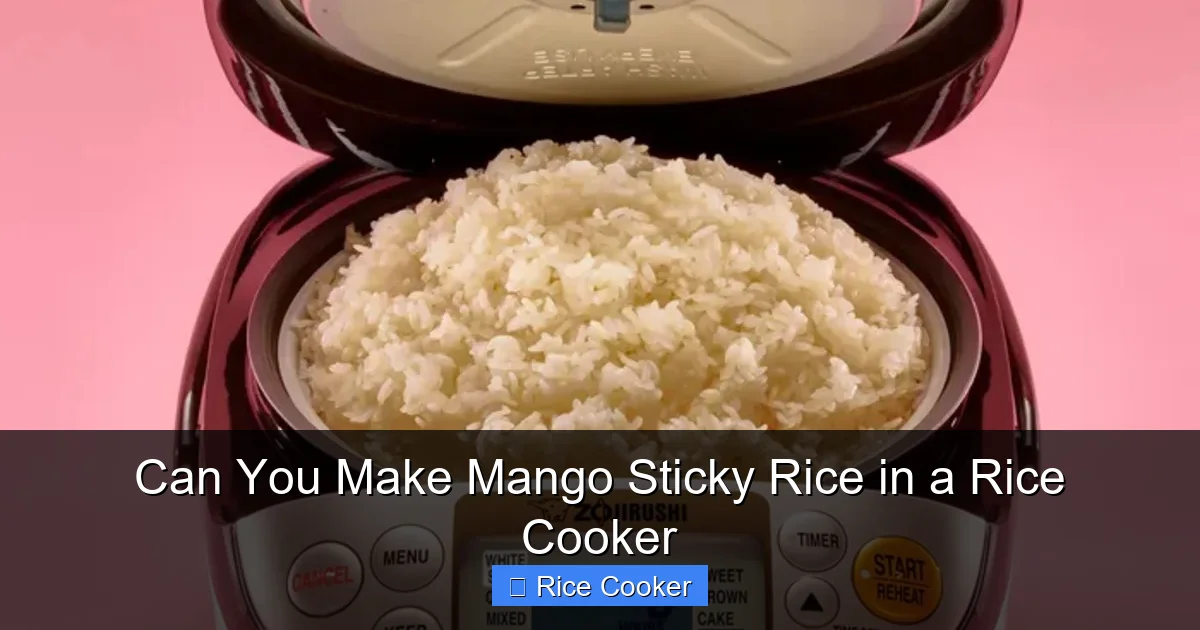
Drain the soaked rice thoroughly and rinse it once more under cold water. Transfer it to the inner pot of your rice cooker. Add filtered water equal to about 1¼ cups (300ml) per cup of rice. Most rice cookers come with markings—follow those carefully. For glutinous rice, aim for a slightly firmer texture since it will soften further during resting.
Close the lid and select the standard “white rice” setting. Once the cycle completes, let the rice rest for 10–15 minutes with the lid closed. This allows residual steam to finish cooking the grains evenly.
Fluff and Fold in Syrup
After resting, open the lid and gently fluff the rice with a wooden spoon or rice paddle. Drizzle half of the warm coconut syrup over the rice and fold it in slowly. The goal is to coat each grain without breaking them. Cover again and let sit for another 10 minutes so the flavors meld.
Once rested, repeat the process with the remaining syrup. Be careful not to overmix—gentle folding preserves texture.
Slice and Serve
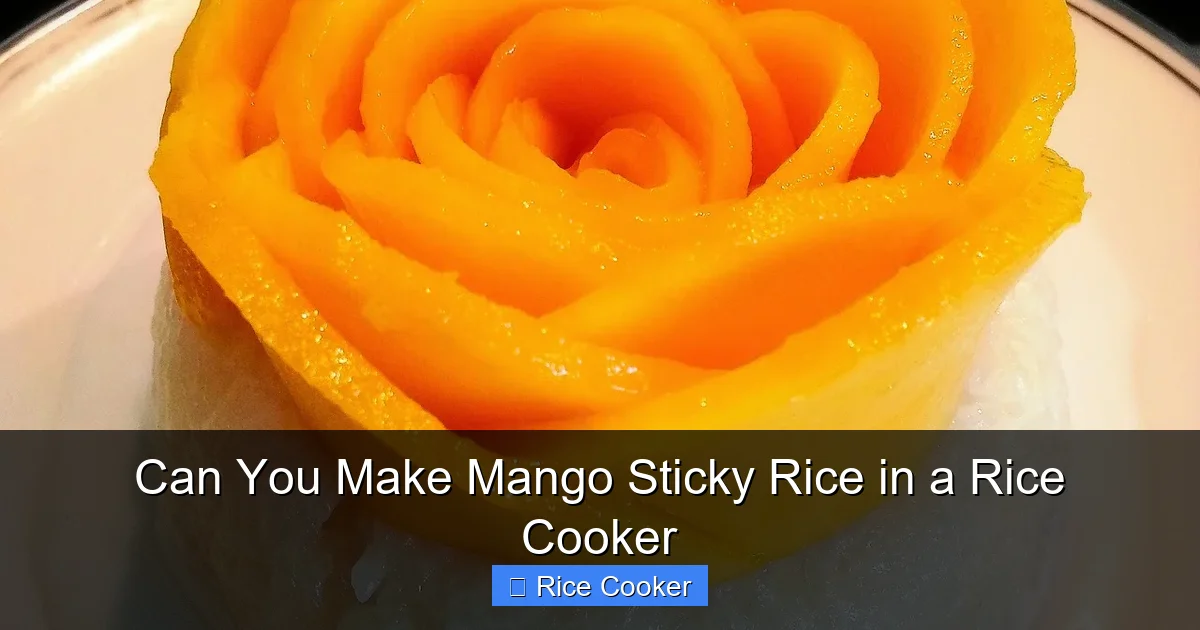
At this point, your rice should be glossy, fragrant, and wonderfully sticky. Scoop portions onto chilled serving plates or individual bowls. Arrange fresh mango slices alongside. Drizzle extra syrup on top if desired.
For presentation, consider adding a sprinkle of toasted sesame seeds or desiccated coconut for contrast.
Pro Tips for Perfect Results
Even experienced cooks can stumble when adapting recipes. These insider tips will elevate your mango sticky rice from great to extraordinary.
Don’t Overfill the Rice Cooker
Most rice cooker pots hold up to 6 cups of uncooked rice. Going beyond that risks poor heat circulation and undercooked grains. Stick to 1–2 cups at a time for best results.
Use Room-Temperature Water for Soaking
Cold water slows down the soaking process. Warm (not hot) water speeds things up without damaging the starch structure.
Adjust Sweetness to Taste
Some people prefer less sweet mango sticky rice. Start with half the sugar and add more gradually while tasting the syrup. Remember, you can always adjust—but you can’t take sweetness out once it’s added!
Keep Everything Chilled
Serving mango sticky rice warm feels wrong. Refrigerate the cooked rice and syrup separately for 30–60 minutes before assembling. Cold rice holds its shape better and pairs beautifully with fresh, cool mango.
Experiment with Add-Ins
Try adding a pinch of ground cardamom or a splash of condensed milk to the syrup for extra complexity. Grated fresh ginger also adds a lovely kick.
Common Mistakes to Avoid
Learning from others’ errors saves time and frustration. Here are the most frequent pitfalls when making mango sticky rice in a rice cooker:
Skipping the Soak
Unsoaked glutinous rice often turns mushy or develops hard centers. Always soak—your future self will thank you.
Using Too Much Water
Too much water = soggy rice. Measure carefully and follow your rice cooker’s guidelines. Glutinous rice absorbs less water than jasmine or basmati, so err on the drier side.
Adding Syrup Too Early
Mixing syrup into hot rice too soon causes the grains to break apart. Let the rice rest first, then incorporate syrup gradually.
Wasting Fresh Mango
Mango oxidizes quickly. Only peel and slice what you plan to serve immediately. Store leftover slices in lemon juice or vinegar water if needed.
Ignoring Resting Time
Skipping the post-cooking rest leads to inconsistent textures. That extra 10 minutes makes all the difference.
Variations & Creative Twists
Once you master the basics, feel free to play around! Mango sticky rice is surprisingly adaptable.
Vegan Version
Replace dairy-based coconut milk with oat or almond milk alternatives. Note: results may vary—full-fat coconut milk provides unique richness.
Browned Butter Syrup
Toast sugar in butter until golden, then stir in coconut milk. This adds a nutty, caramelized depth perfect for fall or winter servings.
Fruit Swaps
Substitute mango with dragon fruit, lychee, or passionfruit for a tropical twist. Adjust sweetness accordingly.
Dessert Bowl Style
Layer cooled sticky rice with mango, coconut flakes, and a scoop of vanilla ice cream for an indulgent treat.
Mini Individual Portions
Use ramekins or small glass bowls. Fill with rice, top with mango, and chill before serving. Great for parties!
Storing & Reheating Leftovers
Mango sticky rice tastes best fresh, but leftovers can be saved—up to 2 days in the fridge. Store rice and mango separately to maintain texture. When ready to eat, reheat the rice gently in a microwave covered with damp paper towels for 1–2 minutes. Don’t boil it—you’ll lose that signature chew.
Never freeze mango sticky rice. The mango becomes mealy, and the rice turns gluey upon thawing.
Frequently Asked Questions
Can I use regular white rice instead of glutinous rice?
No—regular rice lacks the starch structure needed for that characteristic sticky texture. Glutinous rice is non-negotiable for authentic mango sticky rice.
Visual guide about Can You Make Mango Sticky Rice in a Rice Cooker
Image source: delishar.com
Visual guide about Can You Make Mango Sticky Rice in a Rice Cooker
Image source: storables.com
How long does soaked glutinous rice last in the fridge?
Soaked rice can stay in the refrigerator for up to 24 hours. Drain and pat dry before cooking if stored longer.
What if my rice cooker doesn’t have a specific setting for sticky rice?
That’s fine! Use the standard “white rice” mode. The key is adjusting water ratios slightly lower than usual.
Can I make the coconut syrup ahead of time?
Yes! Store it in a sealed jar in the fridge for up to a week. Warm gently before use.
Is mango sticky rice healthy?
It’s higher in calories and sugar due to coconut milk and sweeteners, but made with natural ingredients and fiber-rich mango, it can fit into a balanced diet in moderation.
Why is my rice too dry or too wet?
Dry rice = too little water. Wet rice = too much water. Measure precisely and adjust next time based on your rice cooker’s performance.
Frequently Asked Questions
Can I use instant sticky rice mix instead of raw grains?
Yes, but follow package directions carefully. Pre-cooked mixes may require less soaking and shorter cooking times.
Do I need a special rice cooker for this recipe?
No. Any standard electric rice cooker with a steaming function will work perfectly.
What’s the best way to store leftover mango slices?
Place them in an airtight container with a squeeze of lime or lemon juice to prevent browning.
Can I make this recipe gluten-free?
Absolutely. Glutinous rice is naturally gluten-free, and coconut milk and sugar are safe choices.
How do I know when my mango is perfectly ripe?
Gently press near the stem—it should yield slightly and smell intensely sweet and fruity.
Can I add salt to balance the sweetness?
A tiny pinch of sea salt enhances flavor complexity. Too much, however, will overpower the dish.