
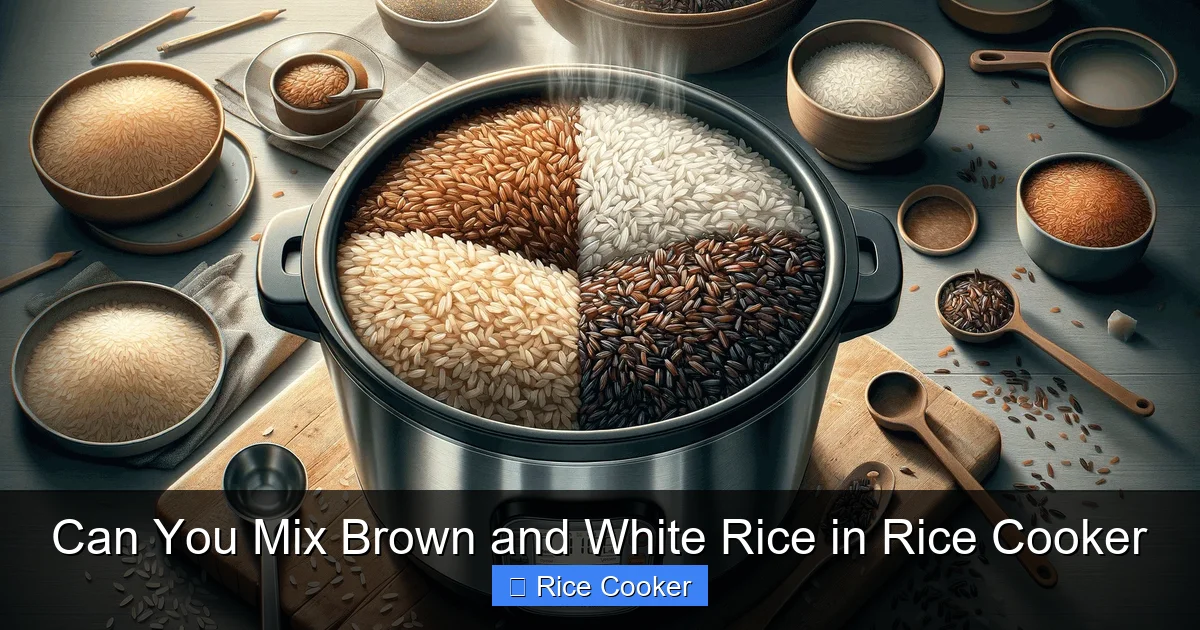
Yes, you can absolutely mix brown and white rice in a rice cooker! Combining these two grains is a great way to balance nutrition and flavor, but it requires attention to water ratios and cooking settings. With the right technique, you’ll get a delicious, evenly cooked bowl of mixed rice every time.
Key Takeaways
- Mixing brown and white rice is safe and nutritious: Brown rice adds fiber and nutrients, while white rice keeps the dish light and fluffy.
- Cooking times differ: Brown rice takes longer to cook than white rice, so adjustments are needed for even doneness.
- Water ratio matters: Use slightly more water for brown rice when mixing to prevent dryness.
- Soaking helps: Soak brown rice ahead of time to reduce cooking time and improve texture.
- Some rice cookers handle mixes better: Look for models with multiple settings or delayed start for optimal results.
- Taste and texture will vary: Expect a slightly chewier bite with brown rice, but it complements white rice beautifully.
- Experiment with ratios: Start with 1:1 and adjust based on personal preference for softness or firmness.
📑 Table of Contents
- Can You Mix Brown and White Rice in Rice Cooker?
- Understanding Brown and White Rice Basics
- Why People Mix Brown and White Rice
- How to Mix Brown and White Rice in Your Rice Cooker
- Common Mistakes to Avoid
- Tips for Perfect Mixed Rice Every Time
- What Does Mixed Rice Taste Like?
- Can All Rice Cookers Handle Mixed Rice?
- Frequently Asked Questions About Mixing Brown and White Rice
Can You Mix Brown and White Rice in Rice Cooker?
If you’re someone who loves rice but wants to add more nutrition without sacrificing taste, mixing brown and white rice might be the perfect solution. Whether you’re meal prepping for the week or preparing a family dinner, combining these two types of rice in your rice cooker is not only possible—it’s also surprisingly simple. But before you toss both into the pot, let’s break down what happens when you mix them, how to do it right, and why this combo works so well.
In this comprehensive guide, we’ll walk through everything you need to know about cooking mixed brown and white rice in a rice cooker. From understanding their differences to mastering the ideal water-to-rice ratio, we’ve got you covered. By the end, you’ll feel confident creating perfectly balanced bowls that are both satisfying and nutritious.
Understanding Brown and White Rice Basics
Before diving into mixing, it’s helpful to understand the key differences between brown and white rice. These aren’t just color variations—they reflect distinct nutritional profiles and cooking behaviors.
The Difference Between Hulls, Bran, and Germ
Rice starts as paddy grain, which includes three parts: the outer hull, the bran layer, and the germ. Brown rice retains the bran and germ after processing, giving it a nutty flavor and chewy texture. White rice has the bran and germ removed, leaving only the starchy endosperm. This process makes white rice softer and quicker to cook but strips away some fiber, vitamins, and minerals.
Nutritional Value Comparison
Brown rice is richer in dietary fiber, magnesium, selenium, and B vitamins compared to white rice. It also has a lower glycemic index, meaning it releases energy more slowly, helping stabilize blood sugar levels. White rice, while less nutrient-dense, is easier to digest and often preferred by those with sensitive stomachs or during recovery from illness.
Cooking Time and Texture
Because brown rice contains the bran layer, it takes longer to absorb water and soften. Typically, brown rice needs 45–60 minutes to cook fully, while white rice takes about 15–20 minutes. When mixed, the white rice cooks faster, potentially leaving brown rice undercooked if not adjusted properly.
Why People Mix Brown and White Rice
There are several reasons why home cooks choose to blend these two grains:
Balanced Nutrition Without Compromise
You don’t have to choose between health and comfort. Mixing half brown and half white gives you the best of both worlds—fiber from brown rice and a lighter texture from white rice. Many families use this method to gradually wean children or older adults onto healthier options while still enjoying familiar flavors.
Improved Texture and Flavor
Brown rice alone can be dense or gummy if overcooked, while white rice tends to be too soft. A blend creates a pleasant mouthfeel—fluffy yet substantial. The subtle nuttiness of brown rice pairs wonderfully with savory dishes like stir-fries or curries.
Meal Prep Efficiency
Cooking large batches of mixed rice saves time. You can portion it out for lunches throughout the week or freeze portions for later use. Since most rice cookers have keep-warm functions, your meal stays ready whenever you need it.
Cost-Effective Option
Brown rice is often more expensive than white rice. By using a mix, you reduce overall costs while still benefiting from its nutritional advantages.
How to Mix Brown and White Rice in Your Rice Cooker
Now comes the practical part: actually making it work in your kitchen. Follow these steps for foolproof results.
Step 1: Measure Accurately
Start by measuring equal parts of each type of rice unless otherwise noted. A common starting point is 1 cup white rice + 1 cup brown rice. Adjust based on your preferences—some prefer 70% white to 30% brown for tenderness, others go 50/50 for maximum nutrition.
Step 2: Rinse the Rice (Important!)
Rinsing removes excess starch and prevents clumping. Place both types of rice together in a fine-mesh strainer and rinse under cold running water until the water runs clear. This step ensures even cooking and improves final texture.
Step 3: Soak Brown Rice (Optional but Recommended)
Soaking reduces cooking time and helps brown rice cook more evenly. Submerge brown rice in water for at least 30 minutes (up to 2 hours) before cooking. You can skip this if short on time, but soaking makes a noticeable difference in texture.
Step 4: Add Water Correctly
This is where many beginners fail. Because brown rice absorbs more water, you need extra liquid. For every 1 cup of mixed rice, use 1¾ to 2 cups of water. Start with 1¾ cups per cup of rice; check doneness halfway through if your rice cooker allows manual monitoring.
Step 5: Choose the Right Setting
Most basic rice cookers only have one “white rice” setting. However, newer models offer settings like “brown rice,” “mixed rice,” or even “custom.” If yours doesn’t, stick with the standard setting and extend cooking time slightly. Avoid using the “quick cook” function—it won’t give brown rice enough time.
Step 6: Let It Rest After Cooking
Once the cycle ends, let the rice sit covered for 10–15 minutes. This resting period allows steam to distribute evenly and finishes cooking any remaining moisture. Fluff gently with a fork before serving.
Common Mistakes to Avoid
Even experienced cooks make errors when mixing rice types. Here are pitfalls to watch out for:
Using Too Little Water
Underwatered mixed rice leads to hard, chalky grains—especially in the brown variety. Always err on the side of more water rather than less.
Not Rinsing Thoroughly
Starchy residue causes clumping and uneven cooking. Take the extra minute to rinse well.
Skipping the Soak
Without soaking, brown rice may remain crunchy or undercooked, especially when combined with quick-cooking white rice.
Overmixing After Cooking
Fluffing is fine, but avoid aggressive stirring. Overworking the grains breaks them apart and ruins fluffiness.
Ignoring Your Rice Cooker’s Limitations
Older or low-end models lack precise temperature control. If your rice is consistently mushy or burnt, consider upgrading to a higher-quality unit with fuzzy logic technology.
Tips for Perfect Mixed Rice Every Time
Want consistent excellence? Try these pro-level tricks:
Use a Rice Measuring Cup
Kitchen spoons are unreliable. Invest in a dedicated rice measuring cup for accuracy.
Preheat the Rice Cooker (If Possible)
Some advanced models allow preheating. This helps kickstart hydration for brown rice.
Add a Pinch of Salt or Oil
Salt enhances flavor, while a teaspoon of oil prevents sticking and adds shine.
Try Different Ratios Experimentally
Don’t stick to 1:1 forever. Try 2:1 white to brown for fluffier results, or 1:2 brown to white for heartier meals.
Store Leftovers Properly
Refrigerate within two hours of cooking. Reheat with a splash of water to restore moisture.
What Does Mixed Rice Taste Like?
Expect a harmonious blend of textures and flavors. The white rice contributes softness and mild sweetness, while brown rice adds earthiness and slight chewiness. Together, they create a satisfying contrast that works well with almost any sauce or protein. Savory dishes like chicken curry, soy-glazed tofu, or vegetable stir-fry shine alongside mixed rice. It’s also great with fried eggs, pickled vegetables, or a drizzle of sesame oil.
Many people find that mixing rice makes brown rice more palatable without losing its health benefits. Children and picky eaters often adapt quickly because the white rice dominates the sensory experience while still providing hidden nutrition.
Can All Rice Cookers Handle Mixed Rice?
Not necessarily. While virtually any rice cooker can technically cook mixed rice, performance varies.
Basic Models vs. Advanced Ones
Simple rice cookers with single-button operation may struggle with mixed grains due to fixed timers and temperatures. They often cook white rice too long and leave brown rice underdone—or vice versa.
High-end models feature microcomputer controls that monitor internal temperature and adjust timing automatically. These are ideal for mixed rice because they sense when each grain type is done.
Look for Multi-Setting Features
Settings like “mixed rice,” “congee,” or “porridge” indicate smarter technology. Even if your model lacks these labels, read the manual—many allow custom programming.
Consider a Hybrid Appliance
Multicookers like Instant Pot or Zojirushi’s NS-ZCC10 can handle mixed rice beautifully thanks to pressure cooking or extended warm cycles.
Frequently Asked Questions About Mixing Brown and White Rice
Will mixing brown and white rice affect cooking time?
Yes, but not drastically. Since brown rice takes longer, the total cooking time increases slightly compared to white rice alone. Plan for 50–60 minutes total, depending on quantities and your rice cooker.
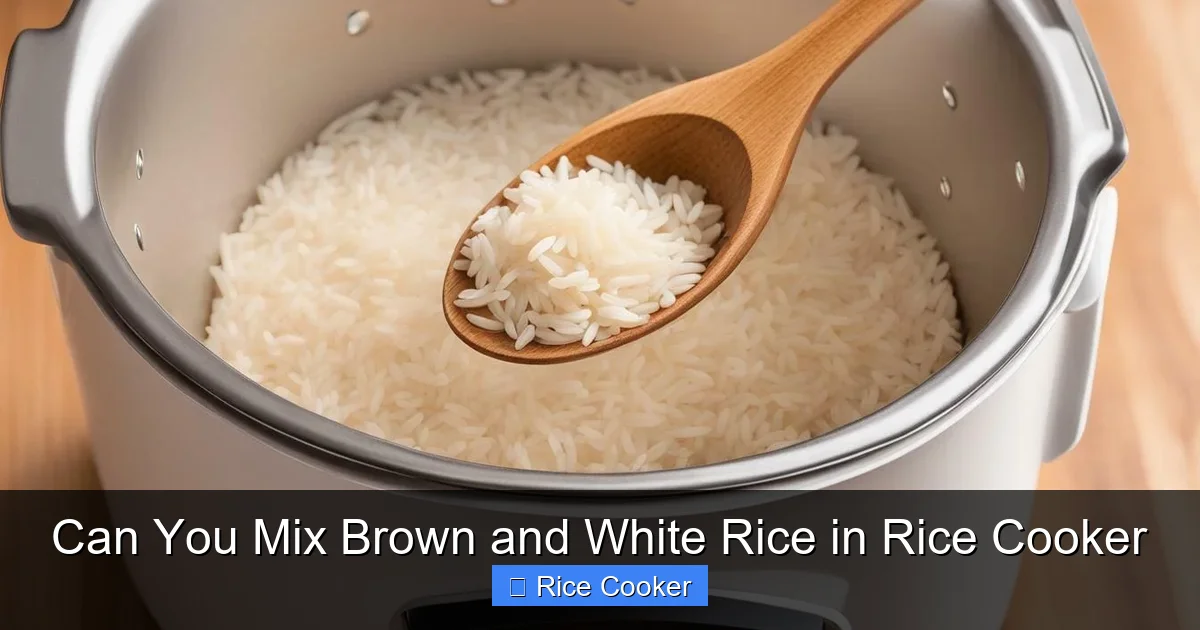
Visual guide about Can You Mix Brown and White Rice in Rice Cooker
Image source: ricearray.org
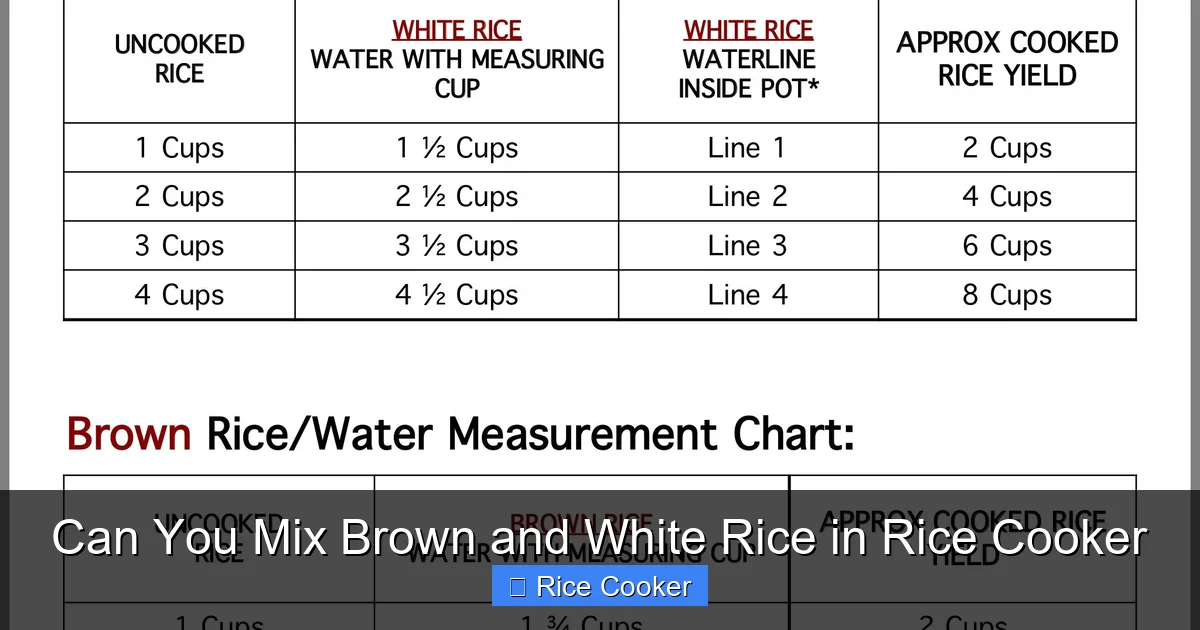
Visual guide about Can You Mix Brown and White Rice in Rice Cooker
Image source: i.pinimg.com
Can I mix other grains with brown and white rice?
Absolutely! Quinoa, barley, or millet can be added, but adjust water accordingly and increase cooking time. Start small—¼ cup extra grain per cup of rice—and test first.
Is mixed rice as healthy as pure brown rice?
It’s still nutritious, though slightly less so than all-brown rice since white rice dilutes fiber content. Still, it offers a good balance of carbs, protein, and micronutrients.
Can I mix instant and regular rice?
No—instant rice is pre-cooked and designed for speed. Adding it to raw rice leads to inconsistent textures and potential mushiness.
How do I fix undercooked brown rice in a mix?
Add a tablespoon of water, cover tightly, and let sit on “warm” or “keep warm” for 10–15 minutes. Avoid opening the lid frequently, as steam escapes and slows cooking.
Can I cook mixed rice overnight using the delayed timer?
Yes! Set your rice cooker to start in the morning, and enjoy hot breakfast rice when you wake up. Just ensure proper water levels—too little can cause dry spots.
Frequently Asked Questions
Will mixing brown and white rice affect cooking time?
Yes, but not drastically. Since brown rice takes longer, the total cooking time increases slightly compared to white rice alone. Plan for 50–60 minutes total, depending on quantities and your rice cooker.
Can I mix other grains with brown and white rice?
Absolutely! Quinoa, barley, or millet can be added, but adjust water accordingly and increase cooking time. Start small—¼ cup extra grain per cup of rice—and test first.
Is mixed rice as healthy as pure brown rice?
It’s still nutritious, though slightly less so than all-brown rice since white rice dilutes fiber content. Still, it offers a good balance of carbs, protein, and micronutrients.
Can I mix instant and regular rice?
No—instant rice is pre-cooked and designed for speed. Adding it to raw rice leads to inconsistent textures and potential mushiness.
How do I fix undercooked brown rice in a mix?
Add a tablespoon of water, cover tightly, and let sit on “warm” or “keep warm” for 10–15 minutes. Avoid opening the lid frequently, as steam escapes and slows cooking.
Can I cook mixed rice overnight using the delayed timer?
Yes! Set your rice cooker to start in the morning, and enjoy hot breakfast rice when you wake up. Just ensure proper water levels—too little can cause dry spots.