
Mixing quinoa and rice in a rice cooker is not only possible—it’s delicious and nutritious! This simple combo gives you the fluffy texture of rice with the protein-packed boost of quinoa. With the right water ratio and timing, you’ll get perfectly cooked grains every time. Whether you’re meal prepping or experimenting in the kitchen, this duo works like a charm. No special equipment needed—just your trusty rice cooker and a little know-how.
Key Takeaways
- Yes, you can mix quinoa and rice in a rice cooker—they cook similarly, so combining them saves time and effort.
- Use a 2:1 water-to-grain ratio for rice and 3:2 for quinoa, adjusting slightly when mixing to avoid mushiness.
- Soak quinoa overnight to reduce cooking time and improve digestibility when blending with rice.
- Choose compatible rice types like jasmine or basmati with white quinoa for balanced texture and flavor.
- Season after cooking—add salt, herbs, or broth to enhance taste without overpowering delicate flavors.
- Experiment with ratios (e.g., 1 part quinoa to 2 parts rice) to find your perfect blend for salads, bowls, or side dishes.
- Clean your rice cooker promptly after use to prevent residue buildup from quinoa’s tiny seeds.
📑 Table of Contents
- Can You Mix Quinoa and Rice in a Rice Cooker?
- Why Mix Quinoa and Rice Together?
- Understanding How Rice and Quinoa Cook
- Step-by-Step Guide: Mixing Quinoa and Rice in a Rice Cooker
- Best Rice Varieties to Pair with Quinoa
- Common Mistakes to Avoid When Mixing Quinoa and Rice
- Creative Ways to Serve Mixed Quinoa and Rice
- Tips for Perfect Results Every Time
- Conclusion: Embrace the Versatility of Mixed Grains
Can You Mix Quinoa and Rice in a Rice Cooker?
Have you ever stood at your counter, staring into your pantry, wondering what to serve for dinner? You’ve got rice—fluffy, reliable, a kitchen staple. And then there’s quinoa—the superfood grain that’s packed with protein, fiber, and a nutty flavor that adds depth to any dish. But can you mix quinoa and rice in a rice cooker? The short answer? Absolutely! In fact, combining these two grains is one of the easiest ways to level up your meals without extra effort.
Whether you’re meal prepping for the week or just looking to add more nutrition to your plate, mixing quinoa and rice is a game-changer. Both grains cook using similar methods—soaking, rinsing, and boiling with water or broth—making them ideal companions in a rice cooker. You don’t need fancy gadgets or complicated instructions. Just grab your favorite rice cooker, toss in the grains, add liquid, and let the magic happen. What comes out isn’t just another boring bowl of carbs—it’s a complete, satisfying meal that keeps you full and energized.
In this article, we’ll walk you through everything you need to know about mixing quinoa and rice in a rice cooker. From the science behind why they work together to step-by-step instructions and pro tips, you’ll learn how to create perfectly cooked, nutritious blends every single time. So roll up your sleeves, fire up that rice cooker, and let’s dive in!
Why Mix Quinoa and Rice Together?
You might be thinking, “Why bother mixing two grains when I can just cook one?” Great question. The truth is, each grain brings something unique to the table—and when combined, they create a more balanced, flavorful, and nutritious dish.
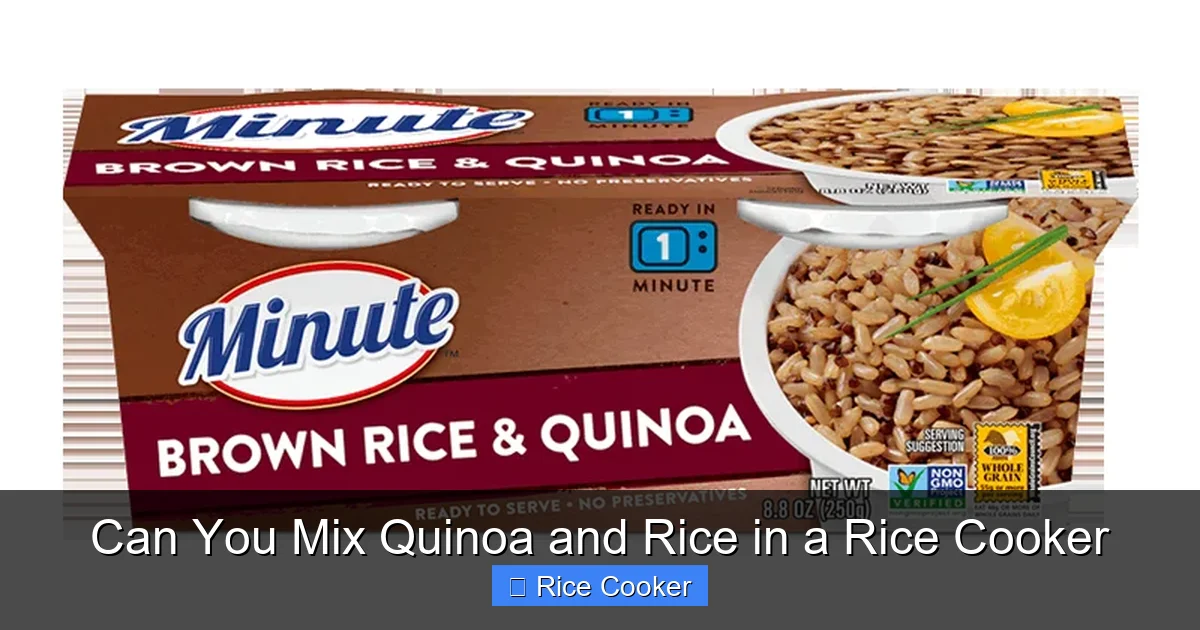
Visual guide about Can You Mix Quinoa and Rice in a Rice Cooker
Image source: minuterice.com
The Nutritional Benefits of Each Grain
Let’s start with the basics. Rice, especially brown rice, is a great source of complex carbohydrates and provides steady energy. White rice, while lower in fiber, cooks quickly and has a neutral flavor that pairs well with almost anything. Quinoa, on the other hand, stands out because it’s one of the few plant-based foods that contains all nine essential amino acids—making it a rare complete protein. It’s also rich in magnesium, iron, and fiber.
When you mix quinoa and rice, you get the best of both worlds. You’re doubling down on nutrients without sacrificing texture or taste. Think of it as a nutritional team-up: rice gives you that classic fluffy bite, while quinoa adds a subtle crunch and a boost of protein. The result? A meal that feels indulgent but is actually good for you.
Cooking Efficiency and Convenience
Another reason to mix these grains is efficiency. Cooking quinoa and rice separately takes twice the time and effort. But in a rice cooker, they cook simultaneously using the same heat source and timer. That means less cleanup, less waiting, and more time to enjoy your food.
Plus, rice cookers are designed to maintain consistent temperatures throughout the cooking cycle. This helps both grains cook evenly, avoiding the common pitfalls of undercooked centers or overdone edges. Whether you’re making a big batch for lunch prep or whipping up a quick dinner, mixing quinoa and rice in a rice cooker simplifies the process without cutting corners.
Understanding How Rice and Quinoa Cook
Before we get into the nitty-gritty of mixing, it’s important to understand how each grain behaves during cooking. Even though they look different, quinoa and rice share some similarities—but also key differences that affect how they absorb water and cook.
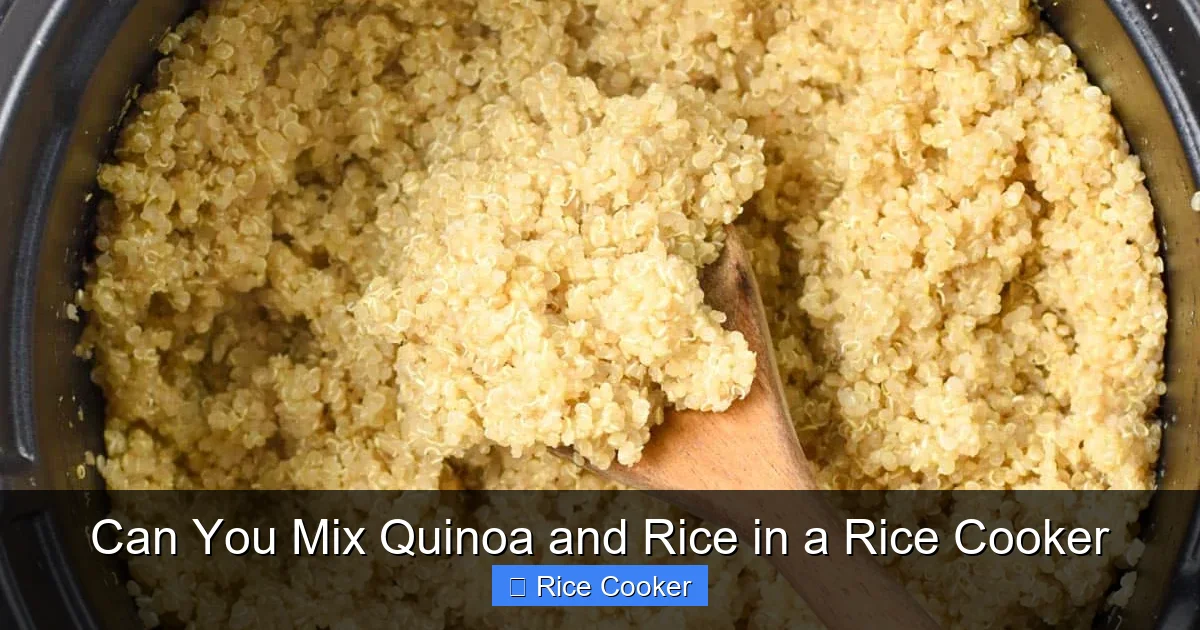
Visual guide about Can You Mix Quinoa and Rice in a Rice Cooker
Image source: ricearray.org
Water Absorption Rates
Rice typically absorbs about 1.5 to 2 times its volume in water. For example, 1 cup of uncooked rice needs around 2 cups of water. Quinoa, however, needs more liquid—about 1.75 to 2 times its volume, or roughly 1¾ to 2 cups of water per 1 cup of dry quinoa. This difference is crucial when blending them.
If you just add water equal to the total grain volume, your quinoa might turn mushy while the rice stays undercooked—or vice versa. That’s why adjusting the water ratio is one of the most important steps when mixing quinoa and rice.
Texture and Flavor Profiles
White rice has a soft, pillowy texture and mild taste. Brown rice is chewier and nuttier. Jasmine and basmati rice are aromatic and slightly sticky when cooked. Quinoa, especially the white variety, is light and fluffy with a subtle earthy flavor. When mixed, these textures complement each other beautifully—creating a grain that’s neither too dense nor too loose.
Because quinoa can sometimes have a bitter coating (called saponin), always rinse it thoroughly before cooking. Skipping this step can leave a soapy aftertaste, especially noticeable when blended with delicate rice varieties.
Step-by-Step Guide: Mixing Quinoa and Rice in a Rice Cooker
Ready to try it yourself? Follow this simple guide to mix quinoa and rice in your rice cooker like a pro. No guesswork, no stress—just delicious results.
Step 1: Measure Your Grains
Start by deciding how much you want to make. A good starting point is a 1:1 ratio—1 part quinoa to 1 part rice. For example, if you’re cooking 1 cup total, use ½ cup quinoa and ½ cup rice. You can adjust this based on preference: more quinoa for extra protein, more rice for fluffiness.
Remember: quinoa expands more than rice when cooked, so don’t worry if the volume seems low at first. After cooking, it will double or triple in size.
Step 2: Rinse the Quinoa Thoroughly
This step cannot be skipped. Place your quinoa in a fine-mesh strainer and run cool water over it for about 1–2 minutes. Swirl it around gently to remove the saponins. Discard the cloudy water—this is what causes bitterness.
Pro tip: If you forget to rinse, soak the quinoa in water for 30 minutes instead. This helps reduce bitterness and softens the seeds for easier digestion.
Step 3: Combine Grains in the Rice Cooker Pot
Once rinsed, add both the quinoa and rice to the inner pot of your rice cooker. Stir them together lightly so they distribute evenly. There’s no need to toast or sauté them first—unlike with some recipes, raw grains work perfectly fine in a rice cooker.
Step 4: Add Liquid
Here’s where many people go wrong. Don’t just add water equal to the total grain amount. Instead, follow this adjusted ratio:
- For 1 cup of rice: Use 2 cups water
- For 1 cup of quinoa: Use 1.8–2 cups water
So if you’re mixing ½ cup rice and ½ cup quinoa, use approximately 1.9 cups of water. You can eyeball it or measure precisely. If you prefer a softer texture, add an extra ¼ cup water. For firmer grains, reduce by ¼ cup.
Optional: Swap plain water for vegetable or chicken broth to infuse more flavor into your grains.
Step 5: Start Cooking
Close the lid, select the standard “White Rice” or “Mixed Grain” setting if your model has one. Most rice cookers automatically switch to warm mode once done. Let it do its thing—don’t lift the lid early! Peeking can release steam and affect cooking.
Step 6: Let It Rest
After cooking ends, let the mixture sit for 5–10 minutes with the lid closed. This allows residual heat to finish cooking any stubborn grains and helps the texture settle. Then fluff with a fork before serving.
Best Rice Varieties to Pair with Quinoa
Not all rice is created equal—and some work better with quinoa than others. Choosing the right type ensures a harmonious blend in both texture and flavor.
White Rice: The Classic Choice
White rice is the most versatile option. Its mild taste doesn’t compete with quinoa’s nuttiness, and it cooks evenly without sticking. Short-grain white rice creates a creamier blend, while long-grain (like basmati) keeps things light and separate.
Try this combo: ½ cup white rice + ½ cup white quinoa = a fluffy, protein-rich side dish perfect for stir-fries or curries.
Brown Rice: Boosted Nutrition
Brown rice adds extra fiber and a deeper, nuttier flavor that complements quinoa nicely. However, it takes longer to cook and may require slightly more water. Some rice cookers have a “brown rice” setting—use that if available.
Tip: Soak brown rice for 30 minutes before mixing with quinoa to speed up cooking and reduce phytic acid (which can inhibit nutrient absorption).
Aromatic Rices: Elevate the Flavor
Jasmine and basmati rice bring floral notes that pair wonderfully with quinoa. Their fragrant oils enhance the overall aroma of the dish, making it feel more gourmet. These rices also tend to stay fluffy even after being mixed.
Example: ⅓ cup jasmine rice + ⅔ cup quinoa = a fragrant base for Thai-inspired bowls or Indian-style pilafs.
Avoid These Rice Types
Sushi rice and glutinous rice are stickier and can clump when mixed with quinoa. Wild rice is too chewy and requires much longer cooking times. Stick to standard white, brown, or aromatic varieties for best results.
Common Mistakes to Avoid When Mixing Quinoa and Rice
Even with the right technique, mistakes happen. Here are the most common pitfalls and how to fix them—so your next batch turns out perfect.
Mistake #1: Not Rinsing Quinoa
As mentioned earlier, failing to rinse quinoa leaves a bitter taste. Always wash it under running water until the water runs clear. If you’re in a hurry, use a coffee filter or cheesecloth to catch the saponins more efficiently.
Mistake #2: Using Too Much Water
Too much water leads to mushy, glue-like grains. Start with the recommended ratio and adjust only if needed. Over time, you’ll learn your rice cooker’s quirks and personal preferences.
Mistake #3: Skipping the Resting Period
Lifting the lid immediately after cooking disrupts the steam cycle. This can leave grains undercooked or unevenly textured. Always wait 5–10 minutes before fluffing.
Mistake #4: Mixing Before Adding Water
Some people mix dry grains first to ensure even distribution. While not necessary, it doesn’t hurt. Just make sure the mixture isn’t compacted—water needs room to circulate.
Mistake #5: Using Old or Poor-Quality Ingredients
Dated grains lose flavor and texture. Check expiration dates and store both rice and quinoa in airtight containers in a cool, dark place. Light, heat, and humidity degrade quality quickly.
Creative Ways to Serve Mixed Quinoa and Rice
Once your grains are cooked, the possibilities are endless. Here are some delicious ways to use your quinoa-rice blend beyond plain steamed sides.
Salads and Bowls
Let your grains cool completely, then toss with chopped veggies (cucumber, cherry tomatoes, bell peppers), fresh herbs (cilantro, parsley), and a zesty dressing. Add chickpeas, avocado, or grilled chicken for a complete meal.
Try this: Mix cooled grains with mango, red onion, cilantro, lime juice, and olive oil for a refreshing summer salad.
Stuffed Peppers or Veggies
Use the grain blend as a filling for bell peppers, zucchini boats, or stuffed tomatoes. Top with feta, olives, and a sprinkle of breadcrumbs before baking.
Fried Rice or Grain Cakes
Heat leftover grains with soy sauce, garlic, and scrambled eggs for fried rice. Or form into patties, coat in egg and breadcrumbs, and pan-fry until golden.
Dessert Option: Sweet Grain Pudding
Yes, it’s possible! Mix cooked grains with milk, cinnamon, vanilla, and a touch of honey. Chill for a creamy, comforting pudding.
Tips for Perfect Results Every Time
Want consistent, restaurant-quality results? Follow these expert tips.
- Use a Timer: Set a reminder to check the grains after 15 minutes if you’re unsure—quinoa usually takes 15–18 minutes.
- Fluff Gently: Over-stirring breaks apart quinoa’s delicate structure. Use a wide fork to lift and fold.
- Season After Cooking: Add salt, pepper, or spices right before serving to preserve freshness.
- Store Properly: Keep leftovers in an airtight container in the fridge for up to 5 days. Reheat with a splash of water to restore moisture.
- Experiment Gradually: Start with small batches to test ratios and textures before scaling up.
Conclusion: Embrace the Versatility of Mixed Grains
Cooking quinoa and rice together in a rice cooker isn’t just convenient—it’s smart. You get the simplicity of one appliance, the nutrition of two wholesome grains, and the flexibility to customize every meal. Whether you’re feeding a family, meal prepping for busy weekdays, or exploring global cuisines, this combination delivers.
With the right water ratio, proper rinsing, and a little patience, you’ll never look back. Next time you open your pantry, don’t choose between rice and quinoa—mix them together and elevate your cooking game. Your taste buds (and your body) will thank you.
Frequently Asked Questions
Can I mix brown rice and quinoa in a rice cooker?
Yes, but brown rice takes longer to cook and may require more water. Soak it beforehand and use a “brown rice” setting if your cooker has one. Expect a chewier, nuttier blend.
Do I need to soak quinoa before cooking with rice?
Soaking isn’t required, but it helps reduce cooking time and improves digestibility. If you skip it, just rinse thoroughly to remove bitterness.
What happens if I don’t rinse quinoa?
Unrinsed quinoa can taste bitter due to natural saponins. Always wash it under running water until clear to avoid off-flavors in your mixed grains.
Can I substitute water with broth?
Absolutely! Broth adds richness and flavor. Use vegetable, chicken, or even coconut milk for a creamy, aromatic twist.
How do I fix mushy quinoa and rice?
It’s likely caused by too much water or overcooking. Next time, reduce liquid by ¼ cup and avoid lifting the lid during cooking.
Can I freeze cooked quinoa and rice?
Yes! Portion into freezer-safe containers and store for up to 3 months. Thaw in the fridge and reheat with a bit of water to refresh texture.