

Using chicken broth instead of water in your rice cooker is not only safe—it’s delicious and nutritious. It enhances the taste of your rice, adds extra protein and minerals, and works with almost any rice type. Whether you’re making jasmine, brown, or wild rice, broth gives it a rich, savory depth that plain water simply can’t match.
Key Takeaways
- Understanding can you put chicken broth in a rice cooker: Provides essential knowledge
Quick Answers to Common Questions
Can I use chicken broth in place of water in my rice cooker?
Yes, chicken broth works perfectly as a direct substitute for water in most rice cookers. Simply use the same measuring ratio—one cup broth per one cup dry rice—and proceed as usual.
Does using broth make rice healthier?
Broth adds beneficial nutrients like collagen, minerals, and protein compared to plain water. Low-sodium options help maintain heart-healthy eating habits without sacrificing flavor.
How does broth affect rice texture?
When measured correctly, broth doesn’t drastically change texture. Rinsing rice and using proper ratios ensures fluffy, non-sticky grains just like water-based cooking.
Can I add spices directly to the broth?
Absolutely! Toss in bay leaves, peppercorns, garlic cloves, or onion slices along with your rice and broth for deeper, more complex flavors throughout the entire grain.
Is it okay to reuse leftover broth for cooking?
Yes, reusing broth is not only fine—it’s encouraged! Each batch builds cumulative flavor, especially if you save bones and scraps for future homemade stock.
📑 Table of Contents
- Can You Put Chicken Broth in a Rice Cooker? The Ultimate Guide
- Why Choose Chicken Broth Over Water?
- How to Use Chicken Broth in Your Rice Cooker
- Tips for Perfect Broth-Cooked Rice Every Time
- Creative Ways to Use Chicken Broth in Your Rice Cooker
- Common Concerns and Myths Debunked
- Frequently Asked Questions
- Conclusion: Elevate Everyday Rice Effortlessly
Can You Put Chicken Broth in a Rice Cooker? The Ultimate Guide
Have you ever wondered if swapping water for chicken broth in your rice cooker makes a difference? The short answer is yes—and not just in flavor. Using chicken broth instead of plain water transforms your everyday side dish into something truly special. It’s a simple kitchen hack that adds depth, nutrition, and aroma to every bowl of rice. Whether you’re meal prepping for the week or whipping up a quick dinner, this upgrade is worth trying.
In this guide, we’ll walk through everything you need to know about using chicken broth in your rice cooker—from basic instructions to creative recipe ideas. You’ll learn why chefs and home cooks alike swear by this method, how to avoid common mistakes, and how to customize it for different dishes. By the end, you’ll never look at your rice cooker the same way again.
Why Choose Chicken Broth Over Water?
The Flavor Boost You Didn’t Know Was Missing
Plain water delivers hydration but little else in terms of taste. Chicken broth, on the other hand, brings layers of savory goodness. Made by simmering chicken bones, vegetables, and herbs, broth infuses your rice with subtle notes of garlic, onion, celery, and thyme. This natural flavor infusion means less reliance on salt, butter, or soy sauce later on.

Visual guide about Can You Put Chicken Broth in a Rice Cooker
Image source: powerupcook.com
Imagine serving a plate of fluffy jasmine rice at a restaurant—you might notice it tastes richer than your usual home version. That’s because they often cook it in broth. Your rice cooker can do the same thing effortlessly.
Nutritional Advantages Beyond Taste
Beyond flavor, chicken broth contributes valuable nutrients. It’s rich in collagen, gelatin, and amino acids like glycine and proline—compounds known for supporting joint health and digestion. While these benefits are most pronounced in bone broths made over long periods, even store-bought versions offer some nutritional edge compared to water.
Additionally, broth often contains small amounts of protein, potassium, magnesium, and vitamin B12—all of which can be absorbed into your cooked grains. For those following a low-salt diet, choosing low-sodium broth allows you to still enjoy robust flavor without excess sodium.
How to Use Chicken Broth in Your Rice Cooker
Basic Ratio: Broth Equals Water (Usually)
For most rice types—especially white rice—the standard ratio is 1 cup liquid per 1 cup dry rice. So if your recipe calls for 1 cup of water, simply substitute it with 1 cup of chicken broth. No need to adjust cooking times or settings; most rice cookers automatically detect moisture levels and adjust accordingly.
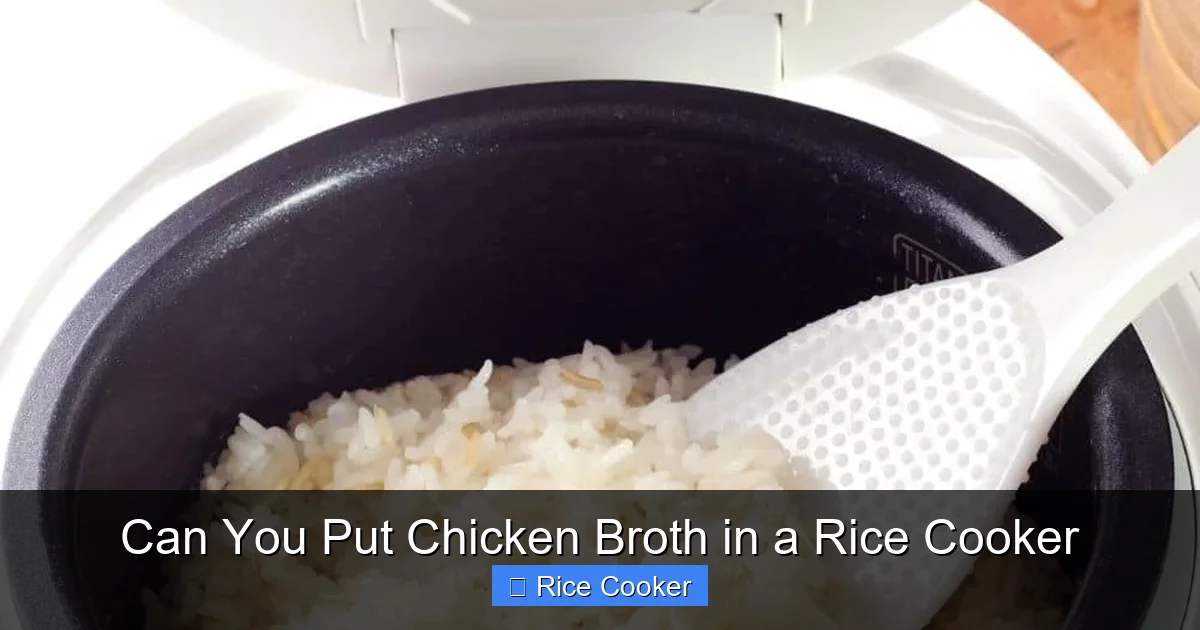
Visual guide about Can You Put Chicken Broth in a Rice Cooker
Image source: delishsides.com
This works beautifully for:
- Jasmine rice
- Basmati rice
- Cooked rice
- Sushi rice
Adjusting for Different Rice Varieties
Brown rice requires slightly more liquid than white rice due to its bran layer absorbing extra water. A good rule is 1¼ cups broth per 1 cup dry brown rice. Wild rice needs even more—about 1½ cups per cup—because it expands significantly during cooking.
Instant or quick-cooking rice typically uses the same ratio as regular white rice since it’s already partially processed. Always check package instructions first, then follow up with broth if desired.
Preparing Your Rice Cooker
Start by rinsing your rice under cold water to remove surface starch. This helps prevent clumping and ensures individual grains stay separate. Place rinsed rice into the inner pot of your rice cooker, then pour in the measured broth. Stir gently once to distribute evenly, then close the lid and select the appropriate setting (“white,” “brown,” etc.).
Some advanced rice cookers have a “broth” or “flavor” mode, but these aren’t necessary—standard settings work perfectly fine. Let the machine do its job: heating, steaming, and keeping warm until ready to serve.
Tips for Perfect Broth-Cooked Rice Every Time
Choose Quality Broth
Not all broths are created equal. Low-sodium versions give you control over salt content while still delivering great taste. Homemade broth is ideal if you have leftover chicken carcasses or bones—just simmer them with onions, carrots, celery, and bay leaves for hours. Store-bought options like Swanson, Pacific Foods, or homemade stock all work well.
Avoid high-sodium broths if you’re watching your salt intake. Instead, use unsalted broth and season lightly after cooking with herbs, lemon juice, or a pinch of salt.
Add Aromatics for Extra Depth
Boost your broth’s flavor before adding rice. Try sautéing garlic, ginger, or shallots in a bit of oil, then deglaze the pan with broth before transferring everything to the rice cooker. You can also toss in fresh herbs like thyme, rosemary, or parsley tied in a cheesecloth bundle (called a bouquet garni).
This technique mimics professional kitchens and turns simple rice into an elevated dish suitable for guests.
Don’t Overfill the Cooker
Most rice cookers have a maximum fill line marked inside the inner pot. Never exceed this—overfilling can cause overflow, mess, or uneven cooking. If you’re making large quantities, consider cooking in batches.
Let It Rest After Cooking
Just like with water-cooked rice, let broth-rice rest for 5–10 minutes after the cycle ends. This allows steam to redistribute moisture evenly and fluff the grains naturally. Then fluff gently with a fork before serving.
Creative Ways to Use Chicken Broth in Your Rice Cooker
One-Pot Meal Prep Bowls
Make a batch of quinoa or brown rice in broth on Sunday night, then mix in roasted vegetables, grilled chicken, and a drizzle of tahini or pesto for weekday lunches. These bowls reheat beautifully and stay flavorful all week.
Asian-Inspired Fried Rice
Cook jasmine rice in low-sodium chicken broth, cool completely, then stir-fry with scrambled eggs, peas, carrots, green onions, and a splash of soy sauce. The broth-infused rice soaks up flavors better than plain rice.
Hearty Grain Salads
Combine cooled wild rice cooked in broth with dried cranberries, toasted almonds, feta cheese, and arugula. Dress with olive oil and lemon juice for a refreshing, protein-rich salad.
Comfort Food Classics
Upgrade mac and cheese by cooking elbow macaroni in chicken broth instead of water. The result is creamier, more flavorful pasta that pairs perfectly with melted cheddar and breadcrumbs.
Common Concerns and Myths Debunked
Myth: Broth Makes Rice Too Salty
False. Most store-bought broths are around 480–600mg sodium per cup. If you’re concerned, opt for low-sodium or homemade versions. You can always reduce salt later if needed.
Myth: Only Expensive Rice Cookers Work With Broth
Any functioning rice cooker—even basic models—handles broth just fine. The key is proper measurement and rinsing, not the brand.
Myth: Broth Changes Texture Significantly
Not really. As long as you use the correct liquid-to-rice ratio, texture remains consistent. Some users report slightly softer grains, but this is usually due to overcooking, not broth itself.
Concern: Will Broth Burn in the Cooker?
Unlikely. Rice cookers are designed to handle liquids safely. However, always ensure there’s enough liquid to cover the heating element at the bottom of the pot. Dry-heating can damage the appliance.
Frequently Asked Questions
Can I use canned or boxed broth?
Absolutely! Canned or boxed broths work perfectly in rice cookers. Just measure carefully and adjust salt if using regular (not low-sodium) versions.
Does broth affect cooking time?
No significant change in cooking time. Most rice cookers regulate heat based on detected moisture, so broth behaves similarly to water.
What if I don’t have chicken broth?
Vegetable or beef broth work too—just choose one that matches your dish’s flavor profile. Mushroom broth adds earthiness, while beef broth offers richness.
Can kids eat broth-cooked rice?
Yes! As long as the broth isn’t extremely salty, it’s safe for children. Use mild, low-sodium options for younger eaters.
Will broth make rice stick together?
Rinsing rice before cooking prevents sticking, regardless of liquid type. Avoid stirring vigorously after adding broth.
Conclusion: Elevate Everyday Rice Effortlessly
Switching from water to chicken broth in your rice cooker is one of the easiest ways to improve your meals without extra effort. It’s cost-effective, nutritious, and packed with flavor. Whether you’re cooking for one or feeding a family, this small change delivers big results.
Next time you open your rice cooker, reach for that carton of broth instead of the tap. Your taste buds—and your whole family—will thank you.
Frequently Asked Questions
Can I use bone broth instead of regular chicken broth?
Yes, bone broth adds extra collagen and minerals, making your rice even more nourishing. It may impart a slightly richer taste, which many people love.
Will broth make my rice too salty?
Only if you use regular (not low-sodium) broth excessively. To avoid this, measure carefully and choose low-sodium brands. You can always reduce salt after cooking.
Do I need to adjust cooking time when using broth?
Generally, no. Rice cookers automatically regulate heat based on moisture content, so broth behaves similarly to water in terms of timing.
Can I mix broth with water?
Definitely! Mixing half broth and half water reduces sodium while still enhancing flavor. This hybrid approach is great for balancing taste and nutrition.
What type of rice cooker works best with broth?
All standard rice cookers handle broth well. Even basic models function properly as long as they have a functional heating element and proper liquid capacity.
How long should I let broth-cooked rice rest?
Rest for 5–10 minutes after the cooking cycle ends. This allows steam to distribute evenly and makes fluffing easier while maintaining soft, moist grains.