
Can you put instant rice in a rice cooker? Absolutely—and doing so is not only possible but often results in perfectly cooked, fluffy grains every time. Instant rice is designed to cook faster than regular rice, making it ideal for use in rice cookers when you want a quick, reliable meal with minimal effort. With the right water ratio and timing, your rice cooker handles instant rice like a pro, delivering consistent results without extra babysitting.
Key Takeaways
- Instant rice works well in rice cookers: It’s safe and effective to use in most standard models, including basic and advanced ones.
- Water ratios matter: Use slightly less water than traditional rice since instant rice absorbs moisture more quickly.
- Cooking time is shorter: Expect cooking times to be reduced by about 5–10 minutes compared to regular rice.
- Flavor and texture can vary: Results depend on rice type (e.g., white vs. brown), brand, and cooker settings.
- Cleaning is easy: Most instant rice cookers clean up quickly due to minimal residue and no starch buildup.
- Great for meal prep: Cook larger batches at once for easy reheating or use in salads, casseroles, or stir-fries.
- No pre-soaking required: Unlike long-grain rice, instant rice doesn’t need soaking before cooking.
Quick Answers to Common Questions
Can I cook instant rice in any type of rice cooker?
Yes, instant rice works in most standard rice cookers, including basic models and advanced ones with multiple settings. Just follow the correct water ratio and cooking time for best results.
How much water do I use for instant rice in a rice cooker?
For every 1 cup of dry instant rice, use about 1¼ cups of water. Adjust slightly based on desired consistency—less water yields firmer rice, more creates softer grains.
Do I need to soak instant rice before cooking?
No, soaking is unnecessary and can actually reduce cooking efficiency. Instant rice is designed to cook quickly without pre-treatment.
Will instant rice burn in a rice cooker?
Generally no—rice cookers automatically regulate heat and shut off when cooking is complete. However, using too much water or overfilling can lead to sogginess rather than burning.
Can I add flavors or seasonings to instant rice in the cooker?
Absolutely! Add herbs, spices, broth instead of water, or even a pat of butter to enhance taste. Stir lightly before closing the lid to distribute evenly.
📑 Table of Contents
- Can You Put Instant Rice in a Rice Cooker?
- Understanding Instant Rice: What Makes It Different?
- How to Cook Instant Rice in a Rice Cooker: Step-by-Step Guide
- Tips for Perfect Instant Rice Every Time
- Common Mistakes to Avoid
- Instant Rice vs. Regular Rice: Which Is Better for Your Rice Cooker?
- Meal Ideas Using Instant Rice in a Rice Cooker
- Special Considerations: Brown Instant Rice and Other Varieties
- Cleaning and Maintenance Tips
- Conclusion: Why Instant Rice Belongs in Your Rice Cooker
Can You Put Instant Rice in a Rice Cooker?
If you’re short on time but still crave a warm, comforting bowl of rice, instant rice might be your new best friend. Made from parboiled or partially cooked grains that are dried and then rehydrated during cooking, instant rice skips many of the steps involved with traditional rice preparation. But what happens when you toss a handful of this convenience food into your rice cooker? Can you put instant rice in a rice cooker, or will it turn into mush?
The short answer? Yes, absolutely—you can put instant rice in a rice cooker. In fact, using a rice cooker for instant rice can simplify your life even further. These appliances are designed to monitor temperature and moisture levels automatically, ensuring that your rice cooks evenly without burning or drying out. When used correctly, a rice cooker delivers consistent results, whether you’re cooking long-grain white rice or a quick-cooking variety like instant rice.
But before you grab a box of instant rice and pour it directly into your cooker, there are a few things to keep in mind. Different types of instant rice—like white, brown, jasmine, or basmati—behave slightly differently under heat. Also, not all rice cookers are created equal; some have specialized settings for different grains, while others rely on default timers and heat cycles. Understanding how these variables interact will help you achieve fluffy, delicious results every time.
Understanding Instant Rice: What Makes It Different?
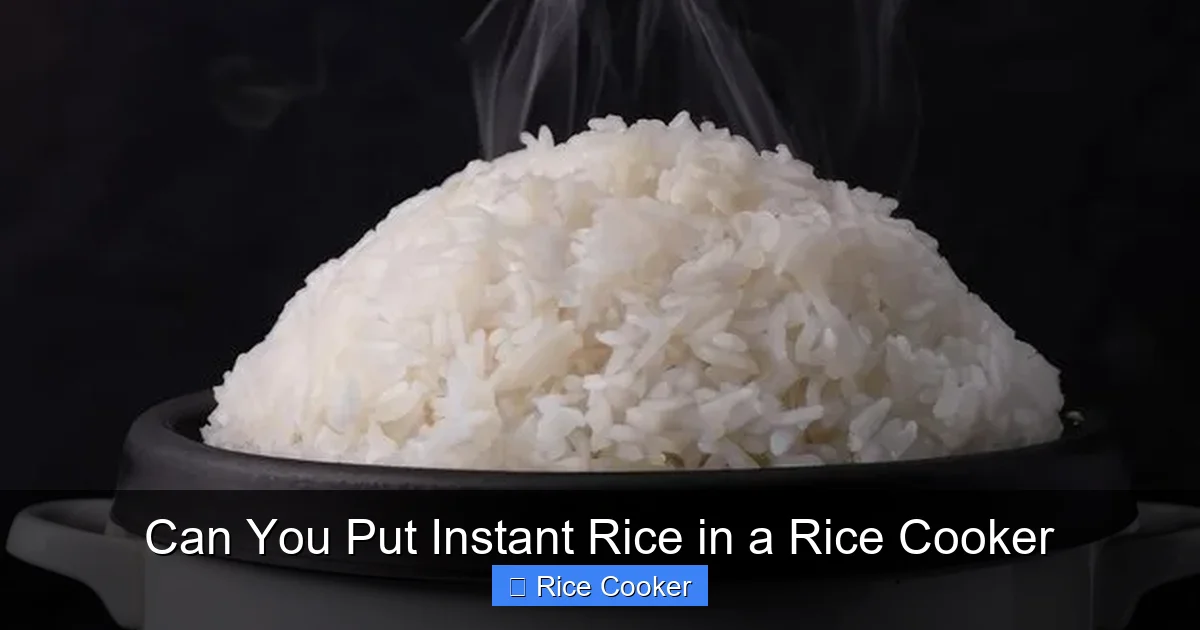
Visual guide about Can You Put Instant Rice in a Rice Cooker
Image source: img.freepik.com
Before diving into the mechanics of cooking instant rice in a rice cooker, let’s clarify what makes instant rice unique. Unlike regular long-grain rice that must be rinsed, soaked, and slowly simmered over high heat for 20–30 minutes, instant rice has already undergone partial processing. This means its starches are partially gelatinized, allowing it to absorb water and rehydrate rapidly when heated.
There are two main types of instant rice: dry packaged (like Minute® brand) and precooked varieties that come frozen or canned. Dry instant rice is the most common form found in grocery stores. It looks similar to regular rice but cooks much faster—usually within 5 to 10 minutes. Because it’s been pre-cooked and dehydrated, it requires only hot water or steam to restore its texture.
This rapid rehydration process is key to why instant rice works so well in a rice cooker. The appliance provides controlled heat and consistent moisture, which helps the grains expand evenly without clumping. However, because instant rice is denser and more compact than regular rice, it may require adjustments in water volume and cooking time to prevent gummy or undercooked results.
The Science Behind Instant Rice Cooking
When instant rice is exposed to heat and water, its internal structure begins to break down. The partially cooked kernels swell as they reabsorb moisture, transforming from hard, dry pellets into soft, edible grains. This transformation happens faster than with uncooked rice because the initial cooking during manufacturing breaks down some of the grain’s cellular walls.
In a rice cooker, this process is optimized through precise temperature control. Most modern rice cookers maintain temperatures between 185°F and 212°F (85°C to 100°C), which is ideal for activating the starches in instant rice without scorching the surface. The built-in thermostat detects when the water has been absorbed and automatically switches to “warm” mode, preventing overcooking.
Because instant rice doesn’t need prolonged boiling like traditional rice, it’s less likely to become mushy—provided you don’t add too much water or cook it for too long. That’s why measuring ingredients accurately is crucial when using instant rice in a rice cooker.
How to Cook Instant Rice in a Rice Cooker: Step-by-Step Guide
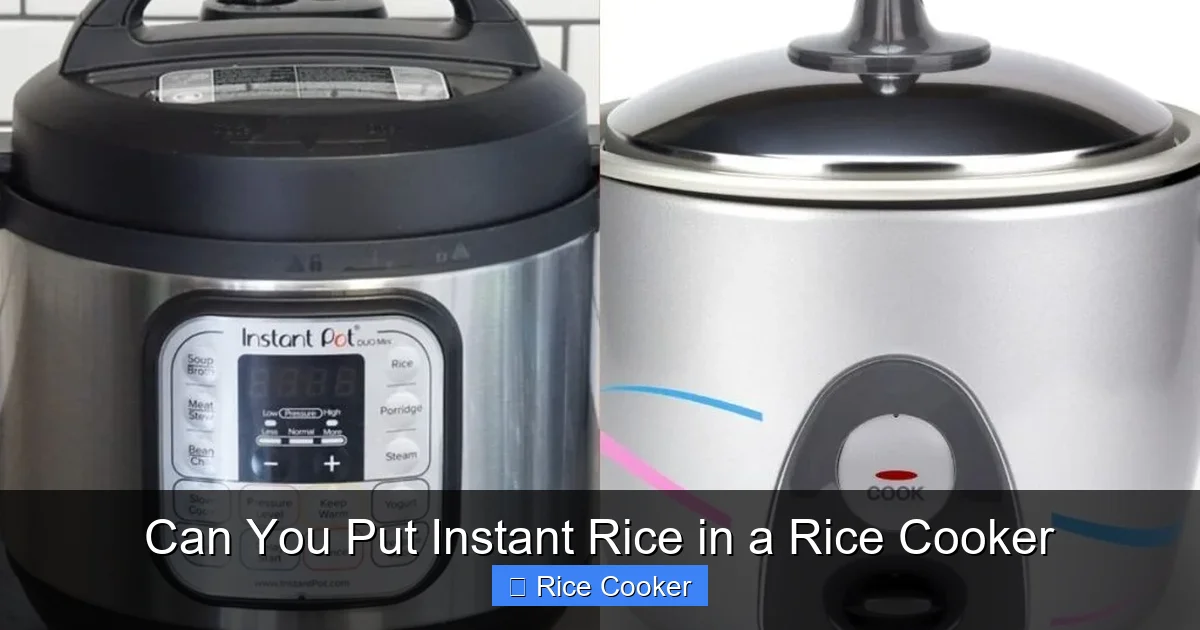
Visual guide about Can You Put Instant Rice in a Rice Cooker
Image source: apressurecookerkitchen.com
Ready to try it yourself? Here’s a foolproof method for cooking instant rice in a rice cooker:
Gather Your Ingredients and Equipment
You’ll need:
– 1 cup of dry instant rice (adjust based on servings)
– 1¼ cups of water (or broth for added flavor)
– A rice cooker with a standard measuring cup
– Optional: salt, butter, or seasonings
Measure Accurately
Unlike regular rice, where the rule of thumb is 1:2 rice-to-water ratio, instant rice typically uses less water. For most brands, a good starting point is 1 cup of dry rice to 1¼ cups of liquid. If you prefer softer rice, increase water by 1 tablespoon increments—but avoid going above 1½ cups per cup of rice, or it may become soggy.
Add Ingredients to the Cooker
Pour the measured water (and any optional seasonings) into the inner pot of your rice cooker. Then add the dry instant rice. Give it a gentle stir to ensure even distribution, though this step isn’t always necessary since most rice cookers circulate heat uniformly.
Start the Cooking Cycle
Close the lid and press the “Cook” button. Depending on your model, you may see lights indicating different stages (soak, boil, warm). For instant rice, the cycle should complete in about 5–8 minutes. Once done, let it sit for 2–3 minutes before opening the lid. This resting period allows residual steam to finish hydrating the grains.
Fluff and Serve
Use a fork to gently fluff the rice. Avoid pressing down, which can compact the grains. Serve immediately, or transfer to an airtight container if storing for later.
Tips for Perfect Instant Rice Every Time
Even though instant rice is forgiving, small tweaks can make a big difference in texture and taste.
Use Room-Temperature Water
Cold water slows down the rehydration process, potentially leading to uneven cooking. Warm or room-temperature water helps the rice absorb moisture more consistently.
Don’t Overfill the Cooker
Most rice cookers have maximum fill lines. Sticking to these prevents overflow and ensures proper heat circulation. Overfilling can also affect cooking performance, especially with quick-cooking grains like instant rice.
Experiment with Flavor
Add garlic powder, onion granules, or a splash of soy sauce to the water for subtle enhancements. You can also stir in herbs, diced vegetables, or protein after cooking for extra depth.
Check Doneness Early
Since instant rice cooks fast, start checking around the 5-minute mark. Lift the lid briefly to gauge moisture levels. If there’s still visible steam and the rice looks slightly firm, give it another minute.
Avoid Opening the Lid Too Often
Every time you open the lid, heat escapes, disrupting the cooking cycle. Wait until the timer signals completion before checking.
Common Mistakes to Avoid
Despite its simplicity, there are pitfalls people commonly encounter when cooking instant rice in a rice cooker.
Using Too Much Water
This is the #1 cause of mushy rice. Remember: less is more with instant varieties. Start conservative and adjust next time if needed.
Precooking or Rinsing Instant Rice
Unlike regular rice, instant rice shouldn’t be rinsed or soaked beforehand. Doing so removes surface starch needed for proper texture and increases cooking time unnecessarily.
Skipping the Resting Period
Letting the rice sit after cooking helps redistribute moisture evenly. Skipping this step can result in lopsided softness.
Using Low-Quality Brands
Not all instant rice is created equal. Some budget brands may contain fillers or inferior grains that don’t perform well under controlled heat. Stick to reputable names like Minute, Rice-A-Roni, or Lundberg Family Farms for best results.
Instant Rice vs. Regular Rice: Which Is Better for Your Rice Cooker?
Now that we’ve established that yes, you can put instant rice in a rice cooker, you might be wondering: should you?
Speed and Convenience
Instant rice wins hands down when speed matters. It reduces active cooking time from 20+ minutes to just 5–10 minutes. For busy weeknights or last-minute meals, this efficiency is unmatched.
Nutritional Value
Here’s where regular rice takes the lead. Whole-grain or brown rice retains more fiber, vitamins, and minerals than instant white rice, which often undergoes additional processing that strips away nutrients. Brown instant rice exists, but it’s less common and may not cook as reliably in a standard rice cooker due to higher oil content and texture differences.
Texture and Taste
Many home cooks report that regular rice cooked from scratch has superior flavor and chewiness. However, high-quality instant rice can be quite close—especially when cooked properly in a rice cooker. The key is avoiding over-processing, which leads to bland, glue-like results.
Batch Cooking and Storage
Both types reheat well, but instant rice tends to hold up better in soups, casseroles, or cold rice salads because it maintains structure without becoming too crumbly. Regular rice can sometimes fall apart when chilled.
Cost-Effectiveness
Instant rice is generally cheaper per serving than buying raw rice in bulk. Plus, it reduces waste since you don’t need large quantities for one meal.
Meal Ideas Using Instant Rice in a Rice Cooker
Once you master the basics, the possibilities are endless.
One-Pot Meals
Combine cooked instant rice with canned beans, corn, diced tomatoes, and spices for a quick Mexican-inspired bowl or burrito filling.
Rice Bowls
Top with grilled chicken, steamed broccoli, avocado, and a drizzle of tahini sauce for a balanced dinner.
Stuffed Peppers
Mix rice with ground turkey, onions, and Italian seasoning, then stuff into bell peppers and bake until tender.
Sushi-Style Rolls
Use seasoned instant rice (with a bit of vinegar, sugar, and salt) as a base for homemade sushi rolls—just roll tightly in nori sheets.
Breakfast Porridge
Cook instant rice with milk, cinnamon, and maple syrup for a savory-sweet breakfast porridge in under 10 minutes.
Special Considerations: Brown Instant Rice and Other Varieties
While white instant rice is the most common, some brands offer brown or wild rice versions. These behave differently due to their outer bran layer and oil content.
Brown instant rice usually requires slightly more water and longer cooking time—sometimes up to 12–15 minutes in a rice cooker. It also tends to be stickier, so rinsing the inner pot afterward is recommended.
Wild rice blends can work too, but they may clump together unless stirred occasionally during cooking. Always follow package instructions for optimal results.
Keep in mind that specialty instant rice varieties might not trigger the same automatic shut-off mechanism as white rice, so manual monitoring may be needed.
Cleaning and Maintenance Tips
After cooking instant rice, cleanup is usually straightforward. Since it doesn’t release as much starch as regular rice, there’s less residue buildup inside the pot. Still, here’s how to keep your rice cooker in top shape:
– Rinse the inner pot immediately after use with warm water.
– Use a soft sponge—avoid abrasive scrubbers that could damage non-stick coatings.
– Wipe the exterior and lid with a damp cloth.
– Replace the steam vent filter regularly to prevent clogging.
Regular cleaning ensures your rice cooker remains hygienic and functions efficiently for years.
Conclusion: Why Instant Rice Belongs in Your Rice Cooker
So, can you put instant rice in a rice cooker? Without hesitation—yes. In fact, doing so opens up a world of fast, flexible, and fuss-free cooking options. Whether you’re whipping up a side dish in under ten minutes or building a hearty one-pot meal, instant rice adapts beautifully to the automated precision of a rice cooker.
By understanding the nuances—like adjusting water ratios, avoiding common mistakes, and selecting quality products—you’ll unlock the full potential of this convenient ingredient. And with so many flavorful, nutritious ways to enjoy it, instant rice proves that great meals don’t always require hours in the kitchen.
Next time hunger strikes and time is tight, skip the takeout and reach for your rice cooker. Grab a box of instant rice, add a little water, and let technology do the rest. Your taste buds—and your schedule—will thank you.
Frequently Asked Questions
Is instant rice healthier than regular rice?
Not necessarily. Instant rice often undergoes more processing, which can reduce fiber and nutrient content compared to whole-grain or brown rice. Choose brown instant rice or supplement with vegetables for a healthier meal.
Can I freeze leftover instant rice?
Yes! Let cooled rice cool completely, portion into containers, and freeze for up to 3 months. Reheat in the microwave or on the stovetop with a splash of water to restore moisture.
Why is my instant rice too dry or too wet?
Dry rice usually means insufficient water or too-short cooking time. Wet rice indicates excess liquid or overcooking. Adjust ratios next time and monitor closely during the first few minutes.
Can I use broth instead of water for flavor?
Definitely! Broth adds richness and depth. Chicken, vegetable, or mushroom broth work well. Just ensure the liquid is at room temperature or slightly warm before adding rice.
What’s the difference between instant and quick-cooking rice?
They’re very similar, but quick-cooking rice is usually cut into smaller pieces, reducing cooking time slightly. Both function well in rice cookers with minor adjustments.
Can I cook instant rice in a slow cooker?
It’s possible, but not ideal. Slow cookers operate at lower temperatures and longer durations, which can lead to uneven texture. A rice cooker provides better control for instant rice.