

Can you put oil in a rice cooker? While it’s technically possible, adding oil isn’t always recommended due to potential smoke points and residue buildup. For best results and safety, use oil sparingly or opt for healthier cooking methods like steaming or sautéing separately.
Key Takeaways
- Oil can be used in small amounts, but only with rice types that tolerate heat well, like jasmine or basmati.
- High-smoke-point oils such as avocado, peanut, or canola are safer than butter or olive oil.
- Adding oil may affect rice texture—it can make grains stickier or greasier if overused.
- Some rice cookers have a sauté function, allowing you to pre-cook ingredients with oil before switching to rice mode.
- Always check your manual—not all rice cookers are designed to handle liquids beyond water or broth.
- Cleaning oil residue is crucial to prevent odors and maintain appliance performance.
- Alternative flavor boosters include garlic, herbs, or broth instead of oil for richer taste without extra fat.
📑 Table of Contents
- Can You Put Oil in Rice Cooker? Everything You Need to Know
- Understanding How Rice Cookers Work
- Is It Safe to Put Oil in a Rice Cooker?
- Best Types of Oil for Rice Cookers
- Step-by-Step Guide: How to Safely Add Oil to Your Rice Cooker
- Alternatives to Adding Oil Directly
- Common Myths About Oil in Rice Cookers
- Cleaning Tips for Rice Cookers Used with Oil
- When Not to Use Oil in Your Rice Cooker
- Real-Life Examples: Recipes That Benefit from Oil
- Final Thoughts: To Oil or Not to Oil?
Can You Put Oil in Rice Cooker? Everything You Need to Know
Have you ever wondered if adding a splash of oil to your rice cooker could give your meals that extra flavor and richness? Maybe you’re trying to mimic the taste of restaurant-style fried rice or just want to avoid dry, bland grains. Well, you’re not alone. Many home cooks ask: can you put oil in a rice cooker? The short answer is yes—but with caveats. While oil won’t damage most modern rice cookers, there are important considerations about safety, texture, and appliance longevity.
This article dives deep into the topic, exploring what happens when you add oil, which types work best, how to do it safely, and when it might be better to skip the oil altogether. Whether you’re cooking jasmine rice, sushi rice, or even quinoa in your rice cooker, we’ll help you make informed decisions so every bowl comes out perfectly cooked and delicious.
Understanding How Rice Cookers Work
Before discussing oil, let’s quickly recap how rice cookers function. Most electric rice cookers operate on a simple principle: they heat water until it reaches boiling point, then switch to a lower simmer to cook the rice. Once the water evaporates and the rice is done, the cooker automatically switches off. Some models have multiple settings—like brown rice, quick rice, or steam—but the core process remains similar.
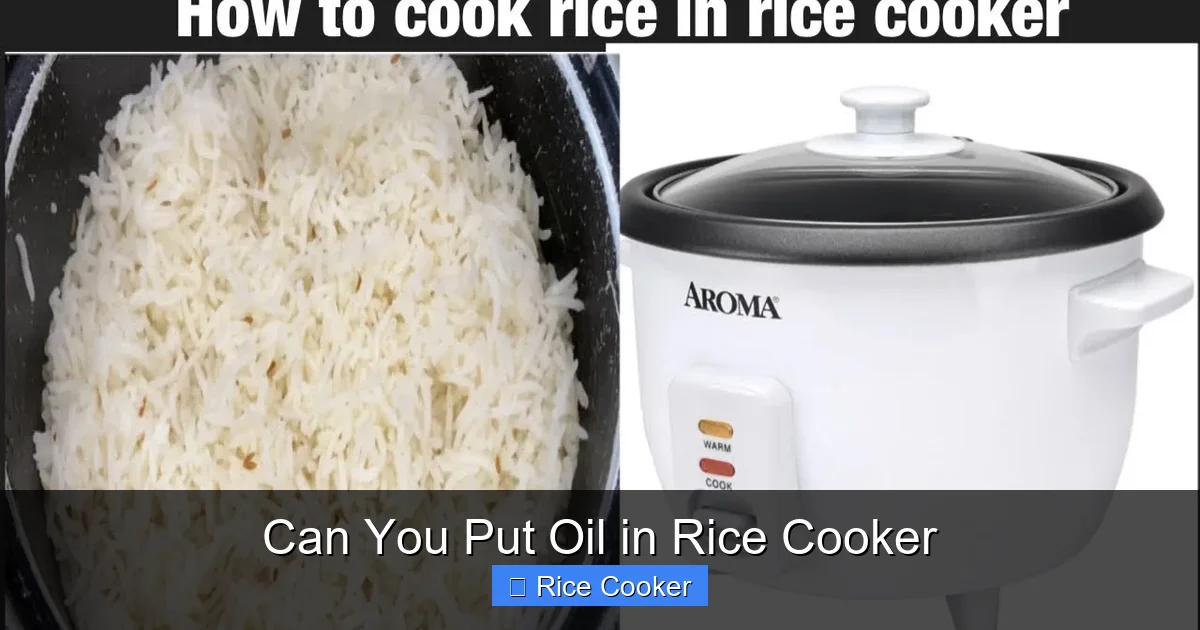
Visual guide about Can You Put Oil in Rice Cooker
Image source: i.ytimg.com
The Role of Water and Heat Transfer
Rice cookers rely heavily on water for even heat distribution. As water heats up, it creates steam that softens the grains. The starch inside the rice absorbs moisture and gelatinizes, turning raw kernels into fluffy, cooked rice. Since oil doesn’t absorb heat the same way water does, introducing it changes the dynamics slightly.
Why People Add Oil (and Why They Might Not)
Cooks often add oil for several reasons:
- Flavor enhancement: A little oil can infuse subtle taste.
- Texture improvement: It helps prevent sticking.
- Mimicking frying: For dishes like fried rice or biryani.
- Healthier frying alternative: Using minimal oil instead of deep-frying.
However, too much oil can lead to gummy rice, burnt bottoms, or even smoke if the oil’s smoke point is exceeded. Plus, some rice cookers aren’t built to handle oily residues long-term, which can cause unpleasant smells or affect future cooking cycles.
Is It Safe to Put Oil in a Rice Cooker?
Yes, it’s generally safe to add a small amount of oil to your rice cooker—especially if your model has been designed for versatility. But safety depends on several factors: the type of oil, quantity, rice variety, and whether your cooker has a sauté or keep-warm feature.
Risks of Using Oil in Rice Cookers
While rare, there are risks involved:
- Smoke production: Oils with low smoke points (like olive oil or butter) can burn at high temperatures, releasing smoke and potentially triggering safety shutoffs.
- Residue buildup: Grease can accumulate inside the inner pot, making cleaning harder and affecting taste in future batches.
- Non-stick coating damage: Harsh scrubbing needed to remove oil stains may wear down non-stick surfaces over time.
When Is It Acceptable?
You’re most likely safe to use oil if:
- Your rice cooker has a stainless steel or enameled inner pot (more durable than ceramic).
- You’re using less than 1 tablespoon of high-smoke-point oil.
- You’re cooking white rice, which tolerates added fats better than delicate varieties.
- You clean the pot thoroughly afterward.
Best Types of Oil for Rice Cookers
Not all oils are created equal when it comes to cooking in a rice cooker. Choosing the right one makes a big difference in both safety and outcome.
High-Smoke-Point Oils (Recommended)
These oils remain stable at high heat without breaking down or smoking excessively. Ideal for rice cookers:
- Peanut oil (~450°F / 232°C) – neutral flavor, great for Asian-style rice.
- Avocado oil (~520°F / 271°C) – rich, healthy, and very heat-resistant.
- Canola oil (~400°F / 204°C) – affordable, widely available, mild taste.
- Grapeseed oil (~420°F / 216°C) – light, neutral, good for delicate grains.
Oils to Avoid
Steer clear of these if you plan to use your rice cooker frequently with oil:
- Extra virgin olive oil (~350°F / 177°C) – too fragile; will smoke easily.
- Butter or margarine – contain milk solids that burn quickly.
- Flaxseed or flax oil – extremely sensitive to heat; best used cold.
How Much Oil Should You Use?
A general rule is no more than 1 teaspoon per cup of uncooked rice. This provides enough lubrication to prevent sticking without overwhelming the dish. For example:
- 1 cup rice + ½ tsp oil = perfect balance.
- 2 cups rice + 1 tsp oil = still acceptable.
Overdoing it leads to clumpy, greasy rice that’s hard to serve.
Step-by-Step Guide: How to Safely Add Oil to Your Rice Cooker
If you decide to try adding oil, follow these steps carefully to ensure success and protect your appliance.
Choose the Right Rice Type
Stick with white rice varieties like Jasmine, Basmati, or American long-grain. These hold up better to added fats and don’t require precise hydration ratios. Avoid sticky or glutinous rice unless your cooker supports specialized modes.
Prepare the Inner Pot
Make sure your inner pot is clean and dry before adding anything. Any leftover food particles can react with oil and create off-flavors.
Add Ingredients in Order
- Put the rinsed rice into the pot first.
- Add water according to your cooker’s guidelines (usually 1:1.5 ratio for white rice).
- Drizzle in the oil last—this helps it coat the grains evenly.
Cook Normally
Close the lid and select your preferred setting (usually “White Rice” or “Normal”). Let the cycle complete fully. Do not open the lid during cooking unless necessary.
Fluff and Serve
Once done, gently fluff the rice with a fork to separate any clumps caused by oil. Taste and adjust seasoning if needed.
Alternatives to Adding Oil Directly
If you’re hesitant about putting oil directly into your rice cooker, consider these safer, equally tasty options.
Use Broth Instead of Oil
Replace some of the water with chicken, vegetable, or mushroom broth. This adds depth of flavor without any grease. Just remember to reduce salt if the broth is already seasoned.
Sauté Ingredients First
If your rice cooker has a sauté function, try this method:
- Heat oil in the inner pot using the sauté mode.
- Add onions, garlic, ginger, or spices until fragrant.
- Add rice and stir briefly to coat.
- Switch back to rice mode and add water/broth.
This mimics traditional pilaf preparation and gives richer flavor.
Finish with a Drizzle After Cooking
After the rice is cooked, remove the pot from heat and stir in ½ tsp of your favorite oil while it’s still warm. This imparts flavor without risking smoke.
Common Myths About Oil in Rice Cookers
There are plenty of misconceptions floating around. Let’s debunk a few.
Myth #1: “Oil ruins the rice cooker”
False. Most modern rice cookers are built to handle occasional oil use. The real issue is improper cleanup, not the oil itself.
Myth #2: “Any oil works fine”
Partially true—but only if used sparingly. Lightweight oils like olive oil won’t ruin the rice, but they might not survive the heat either.
Myth #3: “You must preheat oil like in a pan”
Not necessary. Unlike stovetop frying, rice cookers don’t require preheating oil because the entire system warms gradually.
Cleaning Tips for Rice Cookers Used with Oil
Proper maintenance prevents lingering odors and extends your cooker’s life.
Immediate Cleanup
Let the pot cool slightly, then wash with hot soapy water. Use a soft sponge—never abrasive pads.
Removing Grease Stains
For stubborn residue:
- Soak in warm water with dish soap for 15 minutes.
- Scrub gently with a nylon brush.
- Rinse thoroughly and air-dry.
Monthly Deep Clean
Once a month, run the empty pot through a full cooking cycle with just water and vinegar (1 cup water + 1 tbsp white vinegar). This helps dissolve mineral deposits and neutralize grease smells.
When Not to Use Oil in Your Rice Cooker
Even experienced cooks should know when to say no to oil.
Delicate Grains Like Sushi Rice
Sushi rice requires exact water-to-rice ratios and gentle handling. Adding oil throws off absorption and alters stickiness.
Brown or Wild Rice Settings
These take longer to cook and need careful monitoring. Extra oil can cause uneven cooking or mushiness.
Small-Batch Cooking
If you’re cooking less than half a cup of rice, the benefit of oil outweighs the effort. Better to skip it.
Old or Damaged Cookers
If your rice cooker has worn seals or cracked interiors, avoid oil until repaired. Grease can seep into electrical components.
Real-Life Examples: Recipes That Benefit from Oil
Here are some dishes where a touch of oil enhances the experience—without harming your appliance.
Garlic Fried Rice
Ingredients:
- 2 cups cooked white rice (day-old works best)
- 1 tsp sesame oil
- 2 cloves minced garlic
- 2 eggs (optional)
- Green onions, soy sauce, salt
Method:
- Heat oil in rice cooker using sauté mode.
- Add garlic; cook 30 seconds until fragrant.
- Add rice and mix well.
- Switch to keep-warm or steam mode to finish cooking.
Spiced Pilaf with Turmeric and Cumin
Ingredients:
- 1 cup basmati rice
- 1¼ cups water
- ½ tsp cumin seeds
- ½ tsp turmeric powder
- 1 tsp canola oil
- Salt to taste
Method:
- Rinse rice and drain.
- In inner pot, heat oil over sauté mode.
- Add cumin seeds; let them pop.
- Add rice, turmeric, and salt. Stir 1 minute.
- Add water, close lid, and cook on normal setting.
Final Thoughts: To Oil or Not to Oil?
Ultimately, whether you should put oil in your rice cooker depends on your goals. If you value convenience, stick to plain water. But if you love bold flavors and don’t mind a little extra cleanup, a tiny bit of high-quality oil can elevate your rice game.
Just remember: moderation is key. One teaspoon goes a long way. And always prioritize safety over experimentation—especially with older appliances or unfamiliar oil types.
With the right approach, your rice cooker becomes not just a kitchen gadget, but a versatile tool for creating everything from fluffy white rice to aromatic spiced grains. So go ahead—give it a try, clean it properly, and enjoy the results!
Frequently Asked Questions
Can I use olive oil in my rice cooker?
Yes, but only sparingly and with caution. Use extra-virgin olive oil in very small amounts (less than 1 tsp per cup of rice), and avoid high-heat settings. Its low smoke point means it may burn if overheated, leading to smoke or off-flavors.
Does adding oil make rice stick together?
Actually, it usually reduces sticking by coating the grains. However, too much oil can create a slimy layer that makes rice clump. Stick to minimal amounts for best texture.
Will oil damage my rice cooker?
No, oil won’t damage a standard rice cooker if used occasionally and cleaned promptly. Repeated use without proper maintenance can leave residues that affect taste and hygiene over time.
Can I fry vegetables in my rice cooker with oil?
Only if your model has a sauté function. Otherwise, direct heating with oil and veggies may clog vents or produce excessive smoke. Always consult your manual before attempting.
What’s the best oil for jasmine rice in a rice cooker?
Peanut oil is ideal—it’s neutral, has a high smoke point, and complements the floral notes of jasmine rice. Use just ½ tsp per cup for optimal results.
Should I rinse rice before adding oil?
Yes! Rinsing removes excess starch, which helps prevent mushiness. Then add your oil and proceed normally. This step ensures cleaner-tasting, fluffier rice.