
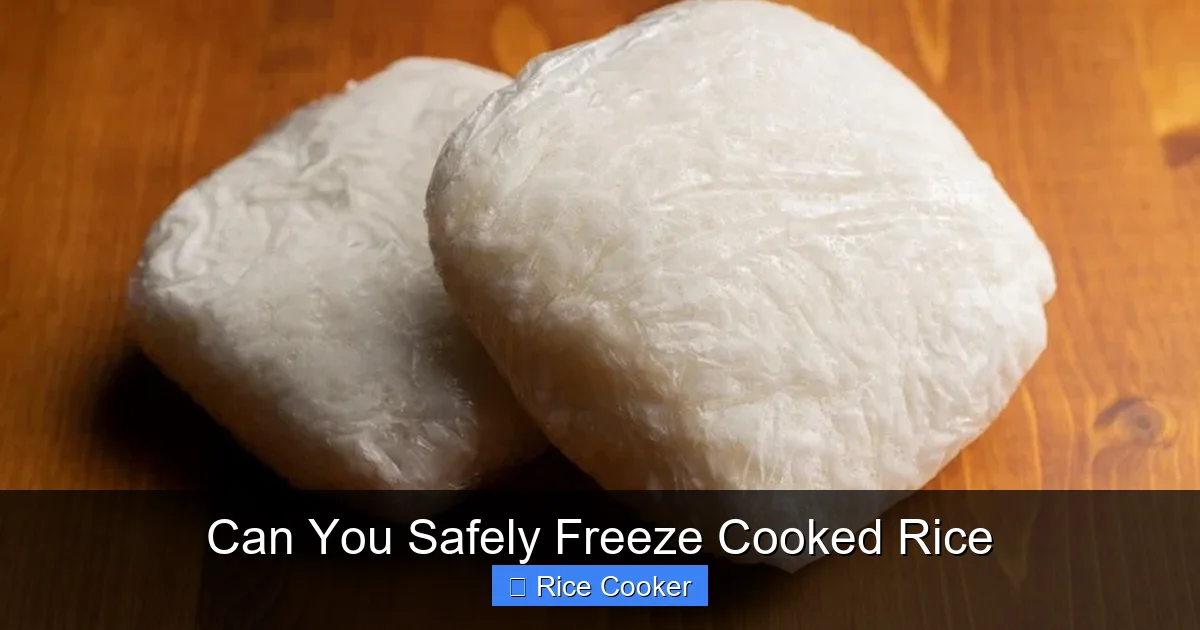
You absolutely can freeze cooked rice — it’s a smart way to save time and reduce waste. When stored properly in airtight containers or freezer bags, rice can stay safe and tasty for up to 6 months. Just make sure it cools quickly and doesn’t sit at room temperature too long to prevent bacterial growth.
Key Takeaways
- Freezing cooked rice is safe and practical: It preserves texture and flavor while extending shelf life significantly.
- Proper cooling is essential: Spread hot rice thinly on a baking sheet before freezing to avoid condensation and sogginess.
- Use airtight containers or freezer-safe bags: This prevents freezer burn and keeps rice fresh longer.
- Label and date your portions: Always include the date so you know when it was frozen and how long it’s been stored.
- Thawing method matters: Reheat frozen rice in the microwave or stovetop with a splash of water to restore moisture.
- Best types to freeze: Plain white or brown rice freezes best; avoid pre-seasoned or sauced dishes unless cooled properly.
- Safety first: Never leave cooked rice out for more than 2 hours (1 hour if above 90°F/32°C) before freezing.
📑 Table of Contents
- Can You Safely Freeze Cooked Rice? A Complete Guide for Busy Home Cooks
- Why Freeze Cooked Rice?
- How Long Can You Keep Cooked Rice in the Freezer?
- Step-by-Step: How to Properly Freeze Cooked Rice
- Best Practices for Freezing Different Types of Rice
- How to Thaw and Reheat Frozen Cooked Rice
- Common Mistakes to Avoid When Freezing Rice
- Creative Ways to Use Frozen Cooked Rice
- Final Thoughts: Is Freezing Cooked Rice Worth It?
- Conclusion
Can You Safely Freeze Cooked Rice? A Complete Guide for Busy Home Cooks
If you’re like most people who love rice — whether it’s fluffy jasmine, hearty brown rice, or savory fried rice — you’ve probably found yourself with leftovers that seem to multiply overnight. But instead of tossing that perfectly cooked bowl into the trash, what if I told you it could last for weeks, even months, in your freezer? Yes, you heard that right: cooked rice can be safely frozen, and doing so is one of the easiest ways to cut down on food waste, save time, and keep meals convenient.
Freezing cooked rice isn’t just about saving money — it’s about smart kitchen habits. Whether you’re meal-prepping for the week, cooking in bulk, or simply don’t want to waste a single grain, understanding how to freeze rice properly makes all the difference. In this guide, we’ll walk through everything you need to know: from why freezing works, to step-by-step instructions, safety tips, and creative ideas for using thawed rice later. So grab your rice cooker (yes, we’re talking about your trusty appliance), and let’s dive in!
Why Freeze Cooked Rice?
The Science Behind Freezing Rice
Before we get into the “how,” let’s talk about the “why.” Rice, once cooked, becomes a perfect environment for bacteria if left unrefrigerated. That’s because starch molecules break down over time, creating moisture and nutrients that microbes love. Freezing halts this process by slowing down chemical reactions and killing harmful bacteria like Bacillus cereus, which can grow in improperly stored rice.

Visual guide about Can You Safely Freeze Cooked Rice
Image source: canyoupreserve.com
When rice is cooled rapidly and stored at 0°F (-18°C) or below, the starches recrystallize and lock in texture and flavor. This means your frozen rice won’t turn mushy or develop off-flavors — as long as you follow the right steps. Think of freezing as putting your rice on pause, ready to resume when you need it.
Benefits of Freezing Cooked Rice
- Reduces food waste: No more throwing away uneaten rice after a few days in the fridge.
- Convenient meal prep: Make a big batch once and use it across multiple meals.
- Time-saving: Thaw and reheat in minutes instead of cooking from scratch.
- Preserves nutrition: Properly frozen rice retains most of its vitamins and minerals.
- Great for batch cooking: Ideal for families, meal plans, or meal delivery services.
How Long Can You Keep Cooked Rice in the Freezer?
Shelf Life of Frozen Rice
So, how long does cooked rice last in the freezer? The good news is: quite a while! When stored correctly, cooked rice can safely remain frozen for up to 6 months. Beyond that, quality starts to decline — think drier texture, duller flavor, and possible freezer burn.
Here’s a quick reference table for clarity:
| Storage Method | Maximum Freezer Time | Notes |
|---|---|---|
| Airtight container (frozen solid) | 6 months | Best for maintaining texture |
| Freezer bag (squeezed of air) | 5–6 months | Risk of freezer burn slightly higher |
| Portion-packed ice cube trays | 3–4 months | Easy to thaw, but smaller portions |
Remember: these are maximums. If your freezer runs warmer than 0°F, or if the rice was exposed to air, it may not last the full six months.
Signs Your Frozen Rice Has Gone Bad
Even though rice lasts a long time in the freezer, it’s important to check for spoilage. Watch out for:
- Mold: Any fuzzy spots or discoloration mean throw it out.
- Unpleasant odor: If it smells sour or off, don’t risk it.
- Ice crystals or dryness: While some ice is normal, excessive dryness suggests freezer burn.
- Texture changes: If it’s gritty, crumbly, or clumped together, it’s likely past its prime.
If any of these signs appear, discard the rice immediately. Safety always comes first.
Step-by-Step: How to Properly Freeze Cooked Rice
Step 1: Cool the Rice Quickly
This is arguably the most important step. Never place hot rice directly into a sealed container and pop it in the freezer. Why? Because the sudden temperature drop creates condensation, which leads to ice crystals, sogginess, and potential bacterial growth in the fridge later.
Instead, spread the hot rice in a thin layer (about ½ inch thick) on a baking sheet lined with parchment paper. Let it cool at room temperature for 30–60 minutes, stirring occasionally. Once it reaches room temp, transfer to an airtight container or freezer bag.
Step 2: Portion It Out
Divide the rice into meal-sized portions. This makes thawing easier and reduces the number of times you open the freezer door. Use containers that hold about 1 cup each — ideal for single servings or small recipes.
Step 3: Remove Air and Seal Tightly
If using freezer bags, squeeze out as much air as possible before sealing. Alternatively, use containers with tight-fitting lids. The goal is to minimize air exposure, which causes freezer burn.
Step 4: Label and Date
Write the contents and date on the container with a permanent marker. Trust me — you’ll thank yourself later when you’re looking through your freezer and remember exactly when you froze that batch.
Step 5: Freeze Flat or Upright
Store containers flat if possible (especially freezer bags), so they take up less space and freeze evenly. If using jars, upright is fine, but avoid stacking heavy items on top.
Best Practices for Freezing Different Types of Rice
White Rice vs. Brown Rice
Both white and brown rice freeze well, but there are slight differences:
- White rice: Cooks faster, has a softer texture, and freezes more uniformly. Great for stir-fries, fried rice, or side dishes.
- Brown rice: Higher in fiber and oil content, so it can become rancid if not frozen properly. Always ensure it’s completely cooled and sealed tightly.
Seasoned or Flavored Rice
Plain rice freezes best, but you can also freeze seasoned varieties — just be mindful of ingredients. For example:
- Fried rice: Freeze without sauce or egg, then add them back when reheating.
- Coconut milk rice: Freezes well but may separate slightly upon thawing. Stir thoroughly before serving.
- Curry or pilaf rice: Avoid freezing if it contains dairy, cream, or mayonnaise, as these can spoil.
Rice with Meat or Vegetables
Dishes like biryani, paella, or veggie fried rice freeze beautifully — as long as everything is cooled first. However, delicate vegetables (like peas or corn) may lose texture after thawing. Consider adding them fresh during reheating for best results.
How to Thaw and Reheat Frozen Cooked Rice
Microwave Method (Fastest)
Place the frozen rice in a microwave-safe dish. Add 1 tablespoon of water per cup of rice. Cover with a damp paper towel to retain moisture. Microwave on high for 2–3 minutes, stir, then continue in 30-second intervals until heated through (internal temperature should reach 165°F/74°C).
Stovetop Method (Best for Texture)
Transfer the rice to a saucepan. Add a splash of water or broth and heat over medium-low. Stir frequently, allowing steam to build and evaporate excess liquid. This method restores fluffiness better than the microwave.
Oven Method (For Large Quantities)
Preheat oven to 350°F (175°C). Place frozen rice in an oven-safe dish, cover with foil, and bake for 15–20 minutes. Uncover and bake another 5–10 minutes to crisp edges if desired.
Tips for Perfect Reheating
- Never reheat rice more than once.
- Add a pat of butter or splash of oil to revive dryness.
- Fluff with a fork before serving.
- Check temperature with a food thermometer.
Common Mistakes to Avoid When Freezing Rice
Leaving Rice at Room Temperature Too Long
The danger zone for bacterial growth is between 40°F and 140°F (4°C to 60°C). If your rice sits in this range for more than 2 hours (or 1 hour if it’s very warm outside), harmful bacteria can multiply rapidly. Always cool rice quickly and move it to the freezer promptly.
Using Non-Freezer-Safe Containers
Plastic containers or bags that aren’t freezer-rated can warp, crack, or leach chemicals when frozen. Stick to BPA-free, labeled freezer-safe options.
Not Labeling Containers
It’s tempting to just toss it in and forget — but without labels, you might end up eating old rice or forgetting what you have. A simple “Rice – 10/2024” note goes a long way.
Overcrowding the Freezer
If your freezer is packed, air can’t circulate properly, leading to uneven freezing and warmer spots. Leave space around containers to maintain consistent cold temperatures.
Creative Ways to Use Frozen Cooked Rice
Meal Prep Powerhouse
Use frozen rice as the base for dozens of meals:
- Bowl meals: Top with roasted veggies, grilled chicken, and tahini dressing.
- Wraps and rolls: Fill tortillas with thawed rice, hummus, and fresh herbs.
- Breakfast burritos: Mix with scrambled eggs, beans, and salsa.
Global Dishes Made Easy
Frozen rice simplifies international cooking:
- Mexican: Use as a base for arroz con pollo or enchiladas.
- Indian: Combine with turmeric, cumin, and chickpeas for khichdi.
- Korean: Make bibimbap with sautéed greens and a fried egg.
Kid-Friendly Options
Kids love customizable rice bowls. Offer small containers of thawed rice and let them pick toppings like cheese, peas, or shredded carrots.
Final Thoughts: Is Freezing Cooked Rice Worth It?
Absolutely. Freezing cooked rice isn’t just a trick — it’s a game-changer for anyone who eats rice regularly. It saves time, reduces stress, and helps you eat healthier by reducing reliance on takeout or processed meals. With the right techniques, your frozen rice will taste almost as good as freshly made.
So next time you make a pot of rice, consider freezing half of it. Your future self — especially on a busy Tuesday night — will send you a thank-you note.
Conclusion
In summary, yes, you can safely freeze cooked rice, and doing so is both practical and sustainable. By following proper cooling, packaging, and storage methods, you can enjoy perfectly reheated rice for up to six months. Whether you’re a busy parent, a college student, or someone who loves meal prepping, freezing rice is a skill worth mastering.
From understanding shelf life to avoiding common pitfalls and discovering creative uses, this guide covers all aspects of freezing cooked rice. Remember: safety, organization, and smart portioning are key. Now go ahead — freeze that leftover dinner and reclaim your kitchen efficiency!
Frequently Asked Questions
Is it safe to freeze cooked rice?
Yes, cooked rice can be safely frozen when cooled quickly and stored in airtight containers. Properly frozen rice remains safe for up to 6 months and can be reheated thoroughly to kill any potential bacteria.
How do you properly cool rice before freezing?
Spread hot rice in a thin layer on a baking sheet and let it cool at room temperature for 30–60 minutes before transferring to freezer-safe containers. This prevents condensation and ensures even freezing.
Can you freeze rice from a rice cooker?
Absolutely! Rice cooked in a rice cooker can be frozen the same way as stovetop rice. Just cool it quickly and store it properly in labeled, airtight containers or freezer bags.
How long does frozen rice last?
Frozen cooked rice lasts up to 6 months in the freezer when stored correctly. After that, quality and texture may decline, though it’s still safe to eat if handled properly.
Do you need to defrost rice before reheating?
No, you don’t need to fully thaw frozen rice before reheating. You can reheat it directly from frozen using the microwave, stovetop, or oven — just add a bit of liquid to prevent drying.
Can you refreeze cooked rice?
While technically possible, it’s not recommended to refreeze cooked rice more than once. Each freeze-thaw cycle affects texture and increases the risk of bacterial contamination, so always thaw and reheat completely in one session.