
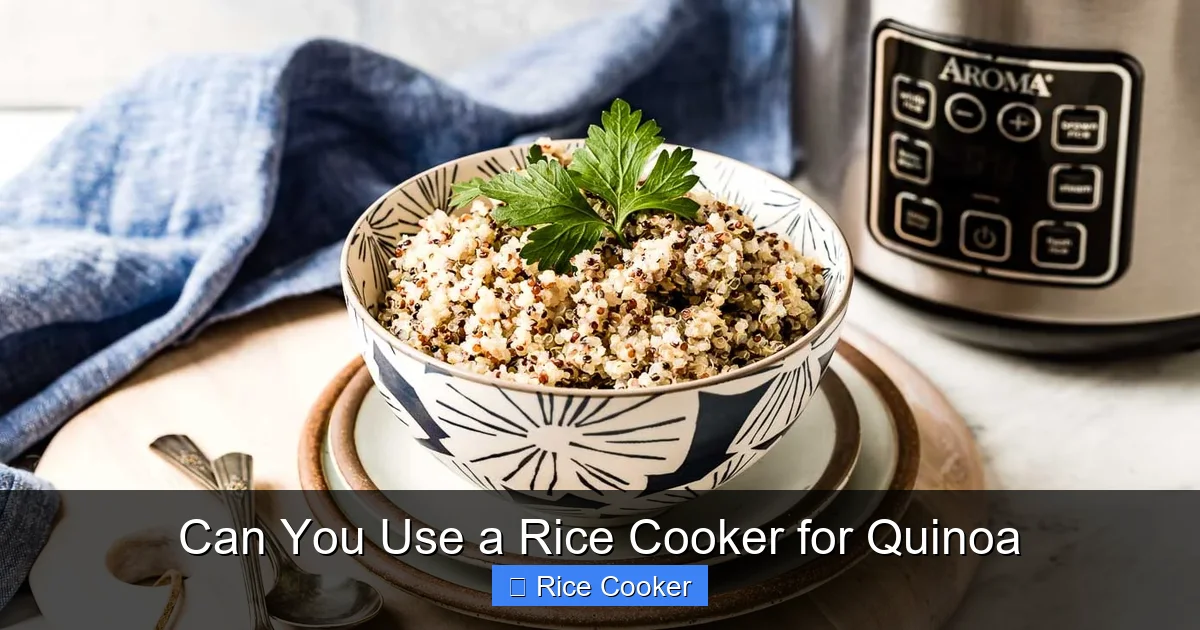
Yes, you can absolutely use a rice cooker for quinoa—it’s one of the easiest ways to achieve perfectly cooked, fluffy grains without watching the stove. With the right water-to-quinoa ratio and a little prep, your rice cooker becomes a versatile tool for healthy meals in minutes.
Key Takeaways
- Yes, it works: A rice cooker can cook quinoa just as well as rice, with minimal effort.
- Proper rinsing is essential: Rinsing removes saponins, which can give quinoa a bitter taste.
- Water ratio matters: Use 2:1 water-to-quinoa ratio for ideal texture.
- No soaking needed: Unlike some grains, quinoa cooks quickly in a rice cooker without pre-soaking.
- Versatile results: Cook plain quinoa or customize with herbs, spices, or broth for flavor.
- Saves time and energy: One-pot cooking reduces cleanup and monitoring compared to stovetop methods.
- Great for meal prep: Cook large batches and store for quick, nutritious meals all week.
📑 Table of Contents
- Can You Use a Rice Cooker for Quinoa?
- The Science Behind Cooking Quinoa in a Rice Cooker
- Step-by-Step Guide: Cooking Quinoa in a Rice Cooker
- Benefits of Using a Rice Cooker for Quinoa
- Tips for Perfect Quinoa in a Rice Cooker
- Meal Ideas Using Rice-Cooker Quinoa
- Common Mistakes to Avoid
- Frequently Asked Questions
Can You Use a Rice Cooker for Quinoa?
If you’re a fan of quinoa but tired of standing over the stove, you’re in luck. Yes, you can absolutely use a rice cooker for quinoa, and it might just become your new favorite kitchen hack. Whether you’re meal prepping for the week or whipping up a quick side dish, the rice cooker simplifies the process with minimal effort and consistent results. In fact, many home cooks prefer using their rice cooker for quinoa because it takes away the guesswork and ensures even cooking every time.
Quinoa is more than just a trendy superfood—it’s a complete protein packed with fiber, vitamins, and minerals. But cooking it on the stovetop requires constant attention to prevent sticking or burning, especially if you’re multitasking. A rice cooker eliminates that hassle by automatically switching to “warm” mode once the grains are done, so you can set it and forget it. Plus, the sealed environment helps retain nutrients and keeps the quinoa moist and fluffy. With just a few simple steps, you’ll have tender, golden quinoa ready to eat or use in salads, bowls, or stir-fries.
The Science Behind Cooking Quinoa in a Rice Cooker
Why Quinoa Works Well in a Rice Cooker
Unlike other grains, quinoa has a relatively small size and uniform shape, which makes it ideal for rice cookers. The machine distributes heat evenly across the cooking pot, ensuring each grain absorbs water at the same rate. This consistency leads to perfectly cooked quinoa without hot spots or undercooked clumps. Additionally, the automatic shut-off feature prevents overcooking, a common issue when boiling quinoa on the stove.
Visual guide about Can You Use a Rice Cooker for Quinoa
Image source: ricearray.org
Rice cookers also operate at a controlled temperature, typically between 185°F and 212°F (85°C to 100°C), which is perfect for gelatinizing the starches in quinoa. This process transforms the hard, dense kernels into soft, fluffy morsels. Because the cooker maintains this steady heat, the result is consistently tender quinoa every single time—no more trial and error.
How the Water Ratio Affects Texture
The magic of rice cooker cooking lies in the water-to-grain ratio. For quinoa, the standard recommendation is 2 cups of water per 1 cup of dry quinoa. This may vary slightly depending on your desired texture—some prefer a softer, creamier quinoa, while others like a bit more bite. If you’re using broth instead of water, reduce the liquid slightly, as broth adds extra moisture.
It’s important not to skip the rinsing step before adding water. Unrinsed quinoa contains natural compounds called saponins, which coat the seeds and give them a bitter, soapy flavor. Rinsing under cold water removes these compounds and improves both taste and digestibility. Simply place the quinoa in a fine-mesh strainer and run it under cool water for about 30 seconds until the water runs clear.
Step-by-Step Guide: Cooking Quinoa in a Rice Cooker
Gathering Your Ingredients and Tools
Before you begin, make sure you have everything you need. You’ll require:
- 1 cup uncooked quinoa (white, red, or black)
- 2 cups water (or vegetable/ chicken broth for added flavor)
- A fine-mesh strainer
- Your rice cooker and measuring cups
Choose high-quality quinoa from a trusted brand to ensure the best flavor and texture. While white quinoa is the most common, red and black varieties offer unique nutty flavors and vibrant colors perfect for colorful dishes.
The Rinsing Process
Rinsing is non-negotiable. Place the quinoa in a strainer and run it under cold water for about 30 seconds. Keep stirring gently to help dislodge any remaining saponins. The water should start looking cloudy, then gradually become clear. This step ensures your quinoa tastes clean and pleasant, not soapy or bitter.
After rinsing, spread the quinoa on a clean kitchen towel or plate to air-dry for a few minutes. This helps remove excess moisture, which can affect cooking time slightly. However, it’s not required—many people skip this step and still get great results.
Setting Up Your Rice Cooker
Once your quinoa is rinsed and drained, add it to the inner pot of your rice cooker. Pour in the water or broth, then give it a gentle stir to distribute the liquid. Make sure there’s enough room in the pot—overfilling can cause overflow during cooking, especially if you’re using broth.
Close the lid securely and select the “Cook” or “White Rice” setting. Most rice cookers will take around 15–18 minutes to complete the cycle. Once the cooker switches to “Warm,” let the quinoa sit for another 5 minutes. This resting period allows steam to redistribute evenly, resulting in fluffier grains.
Fluffing and Serving
After the cycle ends, open the lid and fluff the quinoa gently with a fork. This separates any clumps and releases excess steam. Taste a few grains—they should be tender with a slight chew. If they’re still hard, you can return them to the cooker for an additional 2–3 minutes.
Now it’s ready to serve! Use it as a base for bowls, mix it into salads, or enjoy it as a warm breakfast porridge with fruit and nuts. Leftovers store beautifully in an airtight container in the fridge for up to 5 days.
Benefits of Using a Rice Cooker for Quinoa
Convenience and Time-Saving
One of the biggest advantages of using a rice cooker is convenience. You don’t need to stand over the stove, stir constantly, or worry about burning. Just add the ingredients, press a button, and walk away. This is especially helpful for busy parents, students, or anyone juggling multiple tasks.
In addition, rice cookers often have programmable timers. You can set it to cook quinoa while you sleep or during dinner prep, so it’s ready exactly when you need it. Some models even have a “Quick Cook” setting for faster preparation.
Consistent Results Every Time
Unlike stovetop cooking, where heat fluctuations can lead to uneven results, a rice cooker delivers consistent outcomes. Whether you’re cooking a small batch or doubling the recipe, the temperature and timing remain stable. This reliability makes it perfect for meal planning and batch cooking.
You can confidently double or triple your quinoa recipe without fear of overcooking or drying out the grains. The sealed environment also helps preserve moisture, keeping the quinoa fresh and tasty even after reheating.
Nutrient Retention
Because the cooking process is short and the vessel is closed, less water is lost to evaporation. This means more of the quinoa’s natural nutrients—like folate, magnesium, and iron—remain intact. When boiled on the stovetop, some vitamins can leach into the cooking water. With a rice cooker, you’re minimizing that loss and getting the full nutritional benefit.
Plus, if you use broth instead of water, you’re adding extra flavor and nutrients without sacrificing speed or convenience.
Easy Cleanup
Another hidden benefit? Less mess. A rice cooker requires only one pot and one bowl for rinsing. No pots to scrub, no splatters on the stovetop, and no risk of burning residue. Many modern rice cookers have non-stick inner pots that make cleanup a breeze—just wipe it down with a damp cloth.
Tips for Perfect Quinoa in a Rice Cooker
Experiment with Flavor Additions
While plain quinoa is delicious, you can elevate it with simple upgrades. Try adding a splash of coconut milk or almond milk for a creamy breakfast version. Or infuse the water with garlic, bay leaves, or lemon zest for a savory twist. Herbs like parsley or cilantro can be stirred in after cooking for freshness.
For a sweet option, combine quinoa with cinnamon, maple syrup, and chopped apples. It makes a fantastic warm breakfast porridge that rivals oatmeal.
Avoid Overcrowding
Never fill your rice cooker beyond its recommended capacity. Most standard models hold about 6–8 cups of cooked rice or quinoa. Overfilling increases the risk of uneven cooking and overflow, which can damage your appliance.
If you need to cook more than the capacity allows, consider doing it in batches. Alternatively, invest in a larger rice cooker if you frequently cook for big families or entertain often.
Let It Rest
Don’t rush to eat your quinoa immediately after the cycle ends. Allow it to rest for 5 minutes with the lid on. This lets the steam redistribute and the grains firm up slightly, making them easier to fluff and serve.
Store and Reheat Properly
To maintain texture, store cooked quinoa in an airtight container in the refrigerator. When reheating, add a tablespoon of water or broth to prevent drying out, then microwave in 30-second intervals, fluffing between each. Avoid reheating in the rice cooker unless it has a reheat function.
Try Different Varieties
White quinoa cooks the fastest and has a mild flavor, making it ideal for beginners. Red quinoa holds its shape better and has a slightly earthy taste. Black quinoa is the most nutrient-dense and has a bold, nutty flavor. Experiment with each to find your favorite.
Meal Ideas Using Rice-Cooker Quinoa
Breakfast Bowls
Start your day with a nutrient-packed quinoa bowl. Cook quinoa with almond milk, cinnamon, and a pinch of salt. Top with fresh berries, sliced banana, chia seeds, and a drizzle of honey. It’s warm, satisfying, and keeps you full for hours.
Lunch Salads
Use cooled quinoa as a base for grain salads. Mix it with diced cucumbers, cherry tomatoes, feta cheese, and a lemon-tahini dressing. Add grilled chicken or chickpeas for extra protein. These salads travel well and stay fresh for days.
Dinner Bowls
Build a hearty dinner bowl with quinoa, roasted vegetables, avocado, and a fried egg. Season with smoked paprika, garlic powder, and a squeeze of lime. It’s balanced, colorful, and incredibly filling.
Soups and Stews
Add cooked quinoa directly into soups or stews during the last 10 minutes of cooking. It thickens the broth slightly and boosts the protein content. Try it in a vegetable soup or chili for a heartier meal.
Snacks and Sides
Crispy quinoa flakes can be made by spreading cooked quinoa on a baking sheet and toasting it in the oven until crunchy. Use them as a gluten-free breadcrumb substitute or snack on them plain. As a side, serve it alongside grilled fish or roasted chicken for a wholesome meal.
Common Mistakes to Avoid
Not Rinsing the Quinoa
This is the #1 mistake beginners make. Skipping the rinse leaves behind saponins, which give quinoa a bitter, unpleasant taste. Always rinse thoroughly before cooking, even if the package says “pre-washed.”
Using Too Much Water
Too much liquid can make quinoa mushy. Stick to the 2:1 ratio, and avoid adding more water than necessary. If your quinoa seems too wet, spread it on a baking sheet and toast it briefly in the oven to dry it out.
Overfilling the Cooker
Respect your rice cooker’s capacity. Overfilling disrupts airflow and cooking efficiency, leading to uneven results. Check your manual for the maximum fill line.
Picking the Wrong Setting
While most rice cookers work fine, some have specific settings like “Brown Rice” or “Quick Cook.” For quinoa, the standard “White Rice” setting is usually best. Avoid using “Pressure Cook” unless your model supports it, as it may overcook the quinoa.
Not Letting It Rest
Rushing to serve without letting the quinoa rest can result in gummy or clumpy grains. Patience pays off—give it 5 minutes after cooking.
Frequently Asked Questions
Can I use a rice cooker for other grains like farro or barley?
Yes, many grains like farro, barley, and wild rice can be cooked in a rice cooker. Adjust the water ratio as needed—typically 2.5 to 3 cups of liquid per 1 cup of grain. Soak harder grains like barley overnight for faster cooking.
Do I need to soak quinoa before cooking in a rice cooker?
No, soaking is not required for rice cooker cooking. Unlike stovetop methods where soaking reduces cooking time, the rice cooker’s automated process handles everything efficiently without pre-soaking.
Can I cook quinoa in a pressure cooker instead?
Absolutely! In a pressure cooker, use a 1:2 ratio of quinoa to liquid and cook on high pressure for 1 minute. Follow with a natural release for 10 minutes. It’s a fast, hands-off method.
How long does cooked quinoa last in the fridge?
Cooked quinoa stays fresh in the refrigerator for up to 5 days when stored in an airtight container. Always check for signs of spoilage before eating.
Is quinoa safe to eat raw?
Raw quinoa is not recommended. While it’s edible, it’s difficult to digest and lacks flavor. Cooking softens the grains and makes them safe and enjoyable.
Can I freeze cooked quinoa?
Yes, freeze cooked quinoa in portion-sized containers for up to 3 months. Thaw in the fridge and reheat with a splash of water or broth to restore moisture.
Frequently Asked Questions
Can I use a rice cooker for other grains like farro or barley?
Yes, many grains like farro, barley, and wild rice can be cooked in a rice cooker. Adjust the water ratio as needed—typically 2.5 to 3 cups of liquid per 1 cup of grain. Soak harder grains like barley overnight for faster cooking.
Do I need to soak quinoa before cooking in a rice cooker?
No, soaking is not required for rice cooker cooking. Unlike stovetop methods where soaking reduces cooking time, the rice cooker’s automated process handles everything efficiently without pre-soaking.
Can I cook quinoa in a pressure cooker instead?
Absolutely! In a pressure cooker, use a 1:2 ratio of quinoa to liquid and cook on high pressure for 1 minute. Follow with a natural release for 10 minutes. It’s a fast, hands-off method.
How long does cooked quinoa last in the fridge?
Cooked quinoa stays fresh in the refrigerator for up to 5 days when stored in an airtight container. Always check for signs of spoilage before eating.
Is quinoa safe to eat raw?
Raw quinoa is not recommended. While it’s edible, it’s difficult to digest and lacks flavor. Cooking softens the grains and makes them safe and enjoyable.
Can I freeze cooked quinoa?
Yes, freeze cooked quinoa in portion-sized containers for up to 3 months. Thaw in the fridge and reheat with a splash of water or broth to restore moisture.