
Steaming dumplings in a rice cooker is not only possible but also incredibly convenient. With the right setup and timing, you can achieve tender, flavorful dumplings without any extra equipment. This method saves time, uses minimal effort, and works with most rice cooker models.
Key Takeaways
- Rice cookers are versatile appliances: Beyond cooking rice, many models have steaming functions ideal for dumplings.
- Proper dumpling preparation is key: Arrange them properly and avoid overcrowding to ensure even cooking.
- Water level matters: Use enough water to create steam but not so much that it leaks into the dumpling basket.
- Cooking time varies: Frozen or fresh dumplings may need 10–20 minutes depending on size and type.
- No steamer basket? No problem: You can adapt using heat-safe bowls or aluminum foil.
- Safety first: Always use oven mitts and be cautious of hot steam when opening the lid.
- Experiment with flavors: Add veggies or proteins to make a complete meal straight from the rice cooker.
📑 Table of Contents
- Can You Steam Dumplings in a Rice Cooker?
- Understanding Your Rice Cooker’s Steaming Function
- Choosing the Right Dumplings for Rice Cooker Steaming
- Step-by-Step Guide: Steaming Dumplings in a Rice Cooker
- Common Mistakes and How to Fix Them
- Creative Ways to Use Your Steamed Dumplings
- Safety Tips When Using Your Rice Cooker as a Steamer
- Frequently Asked Questions
- Conclusion
Can You Steam Dumplings in a Rice Cooker?
Have you ever come home after a long day, opened your pantry, and realized you’re craving dumplings—but your rice cooker is already full of rice? Or maybe you’re hosting a dinner party and want something quick, healthy, and impressive. Enter: the humble rice cooker. While it’s famous for fluffy jasmine rice and creamy congee, this kitchen appliance has quietly become a secret weapon for steaming all sorts of foods—including delicious, juicy dumplings.
In this article, we’ll walk you through everything you need to know about steaming dumplings in a rice cooker. From understanding how steam works in these machines to step-by-step instructions, troubleshooting tips, and creative serving ideas, you’ll learn why this method is gaining popularity among home cooks. Whether you’re new to making dumplings or just looking for a smarter way to reheat them, this guide will make you feel confident every time.
Understanding Your Rice Cooker’s Steaming Function
Most modern rice cookers come with one or more additional settings beyond “cook rice.” These include:
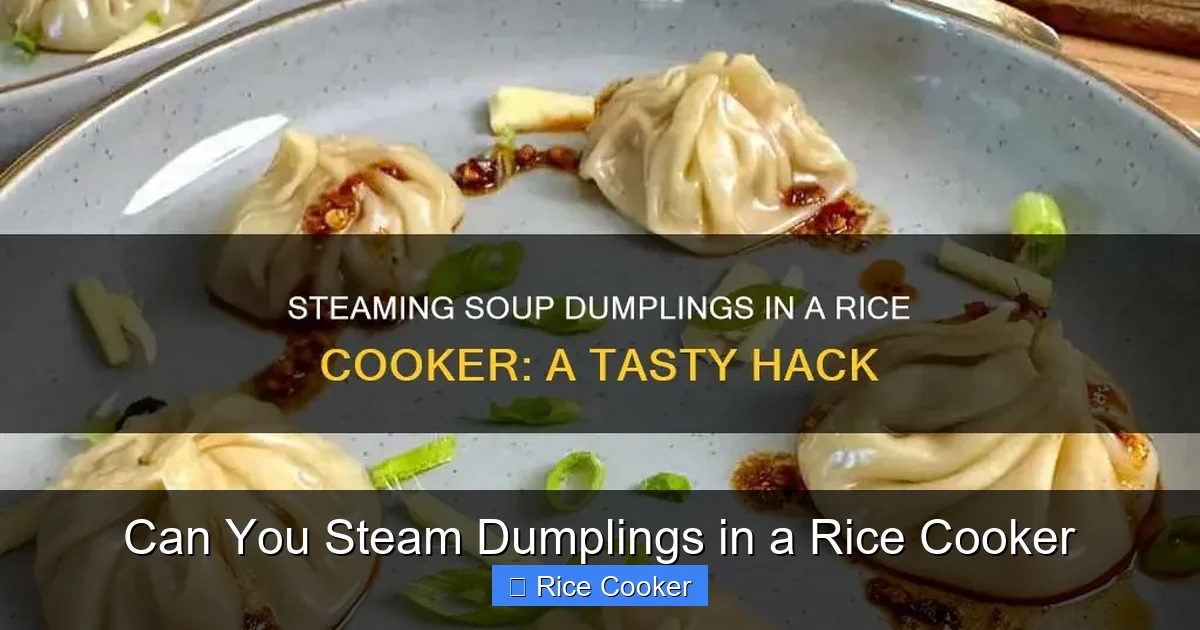
Visual guide about Can You Steam Dumplings in a Rice Cooker
Image source: ansoup.com
- Steam: A dedicated setting that circulates hot steam around food placed above the cooking pot.
- Keep Warm: Maintains temperature without adding moisture—great for keeping dumplings warm but not ideal for initial cooking.
The key to successful dumpling steaming lies in using the steam function. This mode heats water below the inner pot, creating consistent, high-temperature vapor that gently cooks food above. It’s similar to a traditional bamboo steamer but far more compact and automated.
How Does Steam Cooking Work?
When you press the “Steam” button (or select it if your model uses a digital menu), your rice cooker begins heating water in its base. As the water boils, steam rises through vents or channels toward the upper chamber where your food sits. The trapped steam surrounds the dumplings, cooking them evenly without direct contact with liquid. This indirect method preserves texture and prevents sogginess—especially important for delicate dumpling wrappers.
Which Rice Cookers Support Steaming?
Almost all electric rice cookers manufactured after 2010 include some form of steaming capability. Even basic models often have a manual “steam” option. However, higher-end brands like Zojirushi, Panasonic, Instant Pot Duo, and Cuckoo tend to offer more precise temperature control and larger steaming baskets. If yours doesn’t explicitly say “steamer,” check the manual—many allow you to boil water and manually place a rack above the pot.
Choosing the Right Dumplings for Rice Cooker Steaming
Not all dumplings are created equal when it comes to steaming in a rice cooker. Freshly made or frozen varieties behave differently due to their preparation and ingredients. Here’s what to look for:
Fresh vs. Frozen Dumplings
- Fresh dumplings: Best for steaming since they’ve been handled minimally and haven’t thawed. They cook faster—usually 8–12 minutes.
- Frozen dumplings: Require longer cooking times (15–25 minutes) because they start cold and must thaw internally while cooking. Avoid pre-cooked frozen types unless labeled “ready-to-eat.”
Dumpling Types That Work Well
- Gyoza (Pan-fried dumplings): Can be steamed instead of fried—just skip the pan and opt for the steamer tray.
- Siu Mai or Har Gow: Naturally designed for steaming; perfect candidates.
- Potstickers: Steam version tastes lighter than fried ones and pairs beautifully with dipping sauces.
Avoid These Dumpling Styles
- Dumplings stuffed with raw meats or seafood that haven’t been pre-cooked (e.g., some raw fish sushi rolls).
- Extremely thick-skinned dumplings meant for boiling rather than steaming.
- Dumplings sealed with egg wash—these may leak if not properly wrapped.
Step-by-Step Guide: Steaming Dumplings in a Rice Cooker
Ready to try it yourself? Follow this foolproof process for restaurant-quality results at home.
Gather Your Supplies
- Electric rice cooker with steaming function
- Steaming basket (included with most models)
- Heat-resistant bowl or plate (if no basket)
- Aluminum foil (optional, for lining)
- Fresh or frozen dumplings
- Water
Preparation Tips
- Don’t stack dumplings: Place them side by side with space between each to allow steam circulation.
- Use a tray if needed: Line a heat-safe dish with parchment paper or lightly grease it before placing dumplings inside.
- Add aromatics (optional): Toss a slice of ginger or a sprig of scallion into the water for subtle flavor infusion.
Step 1: Fill the Inner Pot
Add 1–2 inches of water to the bottom of your rice cooker. Too little = no steam; too much = water may drip onto dumplings and ruin texture.
Step 2: Set Up the Steaming Basket
Place the steaming basket inside the pot, ensuring it sits securely without touching the water. If your model lacks a basket, position a heat-safe plate or bowl above the water line instead.
Step 3: Arrange the Dumplings
Place dumplings carefully in the basket or on the plate. For frozen dumplings, arrange them in a single layer—do not let them touch each other or overlap.
Step 4: Start Steaming
Close the lid and select the “Steam” function. If your model doesn’t auto-detect, set a timer based on your dumpling type:
- Fresh: 8–12 minutes
- Frozen: 15–25 minutes
Step 5: Check Doneness
After cooking, open the lid cautiously (watch for escaping steam!) and inspect. Wrappers should be translucent and slightly plump; filling should feel hot throughout. If unsure, return for another 2–3 minutes.
Step 6: Serve Immediately
Dumplings are best enjoyed fresh off the steamer. Pair with soy-ginger sauce, black vinegar, or chili oil.
Common Mistakes and How to Fix Them
Even experienced cooks run into hiccups. Here’s how to troubleshoot the most frequent issues.
Problem: Dumplings Are Soggy or Leaking
Cause: Water pooled beneath the dumplings or excessive condensation dripped down.
Fix: Elevate dumplings on a slotted spoon or perforated tray instead of a solid plate. Also, reduce water slightly next time.
Problem: Bottoms Are Raw While Top Is Overcooked
Cause: Poor heat distribution or overcrowding.
Fix: Space dumplings apart and ensure the steamer basket isn’t blocking steam flow. Rotate the basket halfway through cooking if possible.
Problem: Rice Cooker Won’t Turn On During Steaming
Cause: Many models automatically switch to “keep warm” after steaming completes.
Fix: This is normal! Once steaming stops, your dumplings are done. Just don’t leave them sitting too long—they’ll dry out.
Problem: No Steaming Basket Included
Solution: Use a heat-safe glass bowl inverted over the pot, or fold aluminum foil into a tray shape. Ensure there’s still airflow above the water.
Creative Ways to Use Your Steamed Dumplings
Steaming isn’t just about reheating leftovers—it’s an opportunity to get creative.
Meal Prep Hack: Batch-Steam for the Week
Make a large batch of dumplings on Sunday. Steam them all at once, then freeze individually on a baking sheet. Re-steam directly from frozen when needed—perfect for busy weeknights!
Add Veggies for a Complete Meal
Layer broccoli florets, bok choy, or sliced mushrooms underneath the dumplings. The steam will cook them simultaneously, creating a balanced vegetarian-friendly dish.
Flavor Infusions
Drop a few star anise pods or a cinnamon stick into the water for a subtle Asian-inspired aroma. Or add a splash of Shaoxing wine for depth.
Reheating Leftovers
Instead of microwaving (which makes wrappers rubbery), reheat leftover dumplings in the rice cooker with just a teaspoon of water. Steam for 3–5 minutes until heated through.
Safety Tips When Using Your Rice Cooker as a Steamer
While convenient, steaming involves hot surfaces and pressurized steam—so safety comes first.
- Always use oven mitts: The lid and handle get very hot during operation.
- Never force the lid open: Let residual pressure release naturally.
- Keep children and pets away: Steam can cause burns.
- Clean regularly: Mineral buildup from hard water affects steam quality and performance.
Frequently Asked Questions
Can I use a rice cooker to steam other foods besides dumplings?
Absolutely! Rice cookers excel at steaming vegetables, fish, eggs, and even baby food. Just remember to monitor cooking times closely, as different foods require varying durations.
Do I need to thaw frozen dumplings before steaming?
No, you can steam them straight from the freezer. In fact, skipping the thawing step helps maintain texture and ensures even cooking throughout.
What if my rice cooker doesn’t have a “steam” button?
You can simulate steaming by boiling water and placing a rack or plate above it. Cover tightly and let steam do the work for 15–20 minutes.
Are store-bought dumplings better than homemade?
It depends! Homemade allows full control over ingredients and seasoning, while store-bought offers convenience. Both work well in the rice cooker—just follow package directions for best results.
Can I cook multiple types of dumplings together?
Yes, but cook times may vary. Consider starting with the longest-cooking type and adjusting accordingly. Or cook separately if precision is key.
Will my rice cooker’s warranty be voided if I use it for steaming?
Using the manufacturer-recommended steaming function typically won’t affect your warranty. However, improper use (like submerging electrical parts) might. Always consult your manual.
Conclusion
Steaming dumplings in a rice cooker isn’t just a clever hack—it’s a practical, efficient, and delicious way to enjoy this beloved comfort food anytime. With minimal effort and common household tools, you can achieve restaurant-quality results without the fuss of traditional steaming racks or woks. Whether you’re cooking fresh hand-folded har gow, reheating last night’s potstickers, or experimenting with veggie-packed versions, your rice cooker is ready to rise to the occasion.
So next time hunger strikes and you’re short on time, skip the takeout and reach for your rice cooker instead. Trust us—your taste buds (and your wallet) will thank you.
Frequently Asked Questions
Can I use a rice cooker to steam other foods besides dumplings?
Yes, rice cookers are great for steaming vegetables, fish, eggs, and more. Each food type requires different cooking times, so always monitor closely to avoid overcooking.
Do I need to thaw frozen dumplings before steaming?
No, frozen dumplings can be steamed directly. This actually helps maintain their texture and ensures they cook evenly from the inside out.
What if my rice cooker doesn’t have a “steam” button?
If your model lacks a steam function, you can boil water and place a heat-safe rack or plate above it. Cover tightly and let steam cook the dumplings for 15–20 minutes.
Are store-bought dumplings better than homemade?
Store-bought offers convenience, while homemade lets you control ingredients and flavors. Both work well in the rice cooker—follow package instructions for optimal results.
Can I cook multiple types of dumplings together?
Yes, but consider cooking times. Start with the longest-cooking variety and adjust as needed. For best texture, separate different types if possible.
Will my rice cooker’s warranty be voided if I use it for steaming?
Using the recommended steaming function usually doesn’t void warranties. However, improper use—like submerging electrical components—might. Always refer to your owner’s manual.