
You absolutely can put seasonings in a rice cooker, and doing so can transform plain rice into a delicious, flavorful dish. Whether you’re using salt, spices, or broth, the rice cooker makes it easy to infuse rich flavors without extra effort. This guide shows you how to do it right—safely and deliciously.
Key Takeaways
- Yes, seasonings work well in a rice cooker: Salt, herbs, spices, and broth all add great flavor to rice during the cooking process.
- Use liquid-based seasonings for best results: Broth, soy sauce, or vinegar dissolve better and distribute flavor evenly than dry spices alone.
- Add delicate spices at the end: Cinnamon, saffron, or fresh herbs should go in after cooking to preserve their aroma and taste.
- Don’t over-season: Start with small amounts—you can always add more after cooking.
- Clean seasoning residue easily: Most seasonings leave minimal buildup; a quick rinse and wipe keeps your rice cooker in top shape.
- Experiment with global flavors: Try turmeric for golden rice, garlic powder for Italian dishes, or coconut milk for Thai-inspired basmati.
- Safety first: Avoid metal utensils when stirring in hot liquids to prevent scratching non-stick surfaces.
📑 Table of Contents
- Can You Put Seasonings in a Rice Cooker?
- Why Add Seasonings to Your Rice?
- Types of Seasonings You Can Use
- Step-by-Step Guide: How to Season Rice in a Rice Cooker
- Popular Seasoned Rice Recipes
- Tips for Success When Seasoning Rice
- Health and Nutritional Benefits
- Common Mistakes to Avoid
- Cleaning and Maintenance
- Final Thoughts
Can You Put Seasonings in a Rice Cooker?
If you’ve ever wondered whether you can jazz up your rice with seasonings in a rice cooker, the answer is a resounding yes—and it’s easier than you think. A rice cooker isn’t just for plain white rice anymore. With a little creativity, you can turn a simple grain into a flavor-packed side dish that complements almost any meal. From savory herb blends to aromatic broths, seasonings enhance texture, color, and taste without requiring constant attention. In fact, many modern rice cookers are designed to handle liquids and ingredients beyond basic grains, making them ideal for culinary experimentation.
The beauty of using a rice cooker lies in its automation and consistency. Once you add your ingredients—rice, water, and seasonings—you press a button and let science do the rest. No need to stand over the stove, stir constantly, or worry about burning. This hands-off approach not only saves time but also ensures perfectly cooked rice every time, with even distribution of flavor. Whether you’re feeding a family dinner or meal prepping for the week, seasoning rice in the cooker is a smart, efficient way to elevate your meals.
Why Add Seasonings to Your Rice?
Rice is a staple food in many cultures around the world, and for good reason. It’s versatile, filling, and pairs well with nearly anything. But plain rice can be boring. Adding seasonings unlocks a whole new world of taste profiles and nutritional benefits. For example, using vegetable or chicken broth instead of water adds depth and nutrients, while spices like cumin or turmeric bring warmth and antioxidants. Plus, seasoned rice reduces the need for heavy sauces or butter at the table, making meals lighter and more balanced.
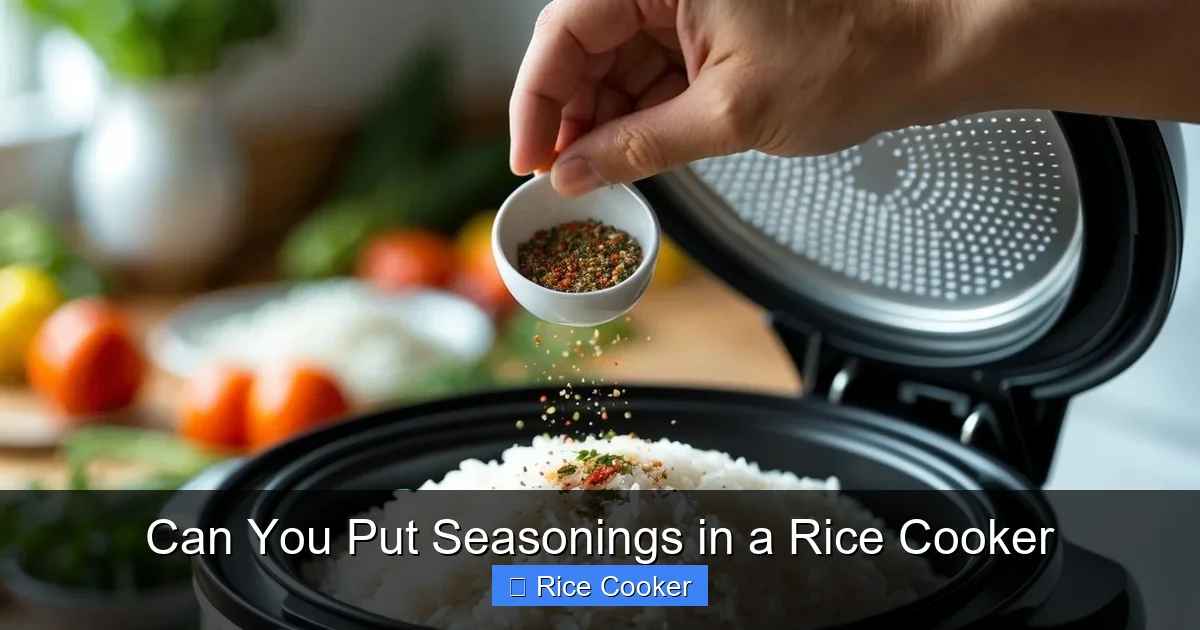
Visual guide about Can You Put Seasonings in a Rice Cooker
Image source: koala.sh
Seasoned rice also supports dietary goals. If you’re watching sodium intake, you can use low-sodium broth or herbal seasonings. For plant-based eaters, nutritious ingredients like miso paste or nutritional yeast add umami without animal products. Even kids who resist vegetables may enjoy colorful, flavorful rice if it’s made with hidden goodness like spinach powder or sweet bell peppers. The key is subtlety and balance—seasoning shouldn’t overpower the rice but enhance it.
Types of Seasonings You Can Use
There’s no limit to what you can season your rice with, as long as it complements the grain and fits your taste. Below are some popular options categorized by type:
Liquid-Based Seasonings
Liquids dissolve quickly and spread flavor evenly through the rice. They’re ideal for creating moist, aromatic grains. Common choices include:
- Broth: Chicken, beef, or vegetable broth replaces water and adds richness. Use equal parts broth and water for best results.
- Soy Sauce or Tamari: Adds umami and a savory depth—great for Asian-inspired dishes. Use sparingly to avoid overpowering.
- Coconut Milk: Perfect for curries or tropical dishes. It creates creamy, fragrant rice with a hint of sweetness.
- Vinegar or Lemon Juice: A splash brightens flavors, especially in sushi or pilafs. Balance with salt to avoid sourness.
Dry Spice Blends
Dry spices release flavor gradually during cooking. Mix them with rice before adding liquid. Examples:
- Tajín or Lime Salt: Adds tangy heat—great with cilantro and lime.
- Garam Masala: A warm blend of cinnamon, cardamom, cloves, and more—ideal for Indian dishes.
- Italian Herbs (oregano, basil, thyme): Pairs beautifully with tomatoes, garlic, and Parmesan.
- Curry Powder: Offers complex spice notes—use with caution and adjust quantity.
Fresh Ingredients
Add these toward the end of cooking or after the rice is done to preserve their freshness:
- Chopped Herbs: Parsley, cilantro, chives, or dill add brightness.
- Garlic or Ginger: Sauté briefly before adding rice for aromatic depth.
- Saffron Threads: Soak in warm liquid before mixing in for a luxurious golden hue and floral scent.
Step-by-Step Guide: How to Season Rice in a Rice Cooker
Adding seasonings to rice in a rice cooker is simple once you know the basics. Follow this straightforward process for foolproof results:
1. Choose Your Base Ingredients
Start with high-quality rice—white, brown, jasmine, or basmati all work well. Rinse the rice under cold water until the water runs clear to remove excess starch. This prevents clumping and improves texture.
2. Add Dry Seasonings First
Toss in your dry spices or herbs directly into the inner pot. Stir gently to coat the rice evenly. This ensures each grain gets infused with flavor from the start.
3. Pour in Liquid
Replace half or all of the water with your chosen liquid—broth, coconut milk, or even a mix of both. For every cup of rice, use 1½ to 2 cups of liquid. Adjust based on rice type and desired consistency.
4. Optional: Pre-Saute Aromatics
For deeper flavor, sauté onions, garlic, or ginger in oil or butter for 1–2 minutes before adding rice and liquid. Then transfer everything to the rice cooker.
5. Cook and Let Rest
Close the lid, select the appropriate setting (white rice, brown rice, etc.), and press start. Once done, let the rice sit for 5–10 minutes with the lid closed. This allows flavors to meld and steam to redistribute evenly.
6. Fluff and Finish
Use a fork to fluff the rice gently. Stir in fresh herbs, lemon juice, or a drizzle of olive oil if desired. Serve immediately for best taste and texture.
Popular Seasoned Rice Recipes
Ready to get creative? Here are five delicious recipes you can make in any standard rice cooker:
1. Coconut Lime Jasmine Rice
Ingredients: 1 cup jasmine rice, 1 cup coconut milk, 1 cup water, zest of 1 lime, 1 tsp lime juice, pinch of salt.
Method: Combine all ingredients in the rice cooker. Cook on white rice setting. After cooking, fluff and stir in a handful of chopped cilantro.
Perfect with: Grilled fish or tofu.
2. Turmeric Golden Rice
Ingredients: 1 cup white rice, 1¾ cups water, 1 tsp turmeric powder, ¼ tsp black pepper, ½ tsp salt.
Method: Mix all ingredients in the cooker. Cook as usual. The turmeric gives a vibrant yellow color and anti-inflammatory benefits.
Tip: Black pepper boosts turmeric absorption—don’t skip it!
3. Garlic Herb Pilaf
Ingredients: 1 cup long-grain rice, 1 cup chicken or vegetable broth, 2 cloves minced garlic, 1 tbsp olive oil, 1 tsp dried thyme, ½ tsp rosemary.
Method: Sauté garlic in oil for 1 minute before adding rice and broth. Cook until done. Stir in herbs after cooking.
Great with: Roasted vegetables or grilled chicken.
4. Mexican Street Corn Rice
Ingredients: 1 cup white rice, 1¾ cups water, 2 tbsp vegetable broth, 1 tsp chili powder, ½ tsp cumin, pinch of smoked paprika, juice of ½ lime.
Method: Combine all ingredients. Cook, then top with crumbled cotija cheese and fresh cilantro before serving.
Fun twist: Add corn kernels to the mix for extra texture.
5. Saffron Infused Basmati
Ingredients: 1 cup basmati rice, 1½ cups water, 2 tbsp saffron threads soaked in ¼ cup warm milk, ½ tsp salt.
Method: Drain saffron and add to rice with water and salt. Cook. Let rest 10 minutes before fluffing.
Ideal for: Holiday dinners or special occasions.
Tips for Success When Seasoning Rice
Even experienced cooks can run into issues with seasoned rice. Here are pro tips to avoid common pitfalls:
- Don’t overcrowd the cooker: Always follow the recommended water-to-rice ratio. Too much liquid can make rice mushy.
- Balance salt early: Since you can’t adjust seasoning after cooking, taste the liquid first if possible. Add salt gradually.
- Avoid sticky spices: Some spices like chili powder can thicken the liquid. Stir frequently if using high-heat settings.
- Use non-stick-safe tools: Wooden spoons or silicone spatulas prevent scratching the inner pot.
- Clean immediately after use: Leftover seasoning residue can harden. Wash the pot while it’s still warm.
- Store properly: Cool seasoned rice completely before refrigerating. Use within 3–4 days and reheat with a splash of water to restore moisture.
Health and Nutritional Benefits
Seasoning rice isn’t just about taste—it can also boost nutrition. Using vegetable broth instead of water increases vitamin content. Turmeric provides curcumin, known for its anti-inflammatory properties. Garlic adds immune-boosting allicin, while coconut milk offers healthy fats.
Colorful rice dishes often include hidden veggies like spinach, carrots, or peas, increasing fiber and phytonutrients. Herbs and spices contribute antioxidants and may aid digestion. Just be mindful of sodium levels when using salty broths or soy sauce, especially for those with hypertension.
For weight management, opt for whole-grain rice and nutrient-dense seasonings. Brown rice has more fiber, keeping you full longer, while spices like cinnamon help regulate blood sugar. Seasoned rice can be part of a balanced diet when prepared mindfully.
Common Mistakes to Avoid
Newcomers sometimes make these errors when seasoning rice in a rice cooker:
- Using too much salt or spice: It’s hard to fix after cooking. Start light and add more later if needed.
- Skipping rinsing: Unrinsed rice can be gummy, especially with added liquids.
- Not measuring liquids correctly: Digital scales help precision, but measuring cups work fine for most home cooks.
- Ignoring the keep-warm function: Leaving seasoned rice on keep-warm too long dries it out. Transfer to a bowl after 20 minutes.
- Using metal utensils in non-stick pots: Scratches reduce lifespan and can flake off into food.
Cleaning and Maintenance
Keeping your rice cooker clean ensures longevity and safe cooking. Most inner pots are removable and dishwasher-safe, but check your manual. After cooking seasoned rice, rinse the pot immediately to prevent residue from hardening. A gentle scrub with warm, soapy water usually suffices. For stubborn stains, soak in vinegar-water solution for 15–20 minutes before wiping.
Never immerse the heating element or electrical base in water. Wipe it down with a damp cloth. Regular cleaning prevents odors and maintains performance. With proper care, your rice cooker will last for years and continue producing delicious, well-seasoned rice.
Final Thoughts
Adding seasonings to your rice cooker opens up endless possibilities for flavor and nutrition. It’s a simple technique that transforms a humble ingredient into something extraordinary. Whether you prefer bold spices, creamy broths, or fresh herbs, the rice cooker accommodates it all—no stove required. Experimentation is encouraged: try new combinations, adjust ratios, and find what pleases your palate.
Remember, the goal isn’t perfection—it’s enjoyment. A little salt, a pinch of spice, or a splash of broth can make a big difference. And because the rice cooker handles the hard work, you’re free to focus on creativity and connection over the kitchen. So go ahead, open that jar of curry powder, pour in that bottle of miso, or sprinkle in some za’atar. Your next meal starts with a single grain… and a world of flavor waiting to unfold.
Frequently Asked Questions
Can I use soy sauce in my rice cooker?
Yes, soy sauce adds savory umami flavor to rice. Use 1–2 tablespoons per cup of rice, mixed with water or broth. Too much can make rice overly salty, so start with less and taste before adding more.
Does adding spices affect the cooking time?
Generally, no. Spices don’t significantly alter cooking time unless they contain oils that might affect heat conduction. Stick to standard settings and let the rice cooker do its job.
Can I add frozen vegetables to seasoned rice?
Absolutely. Add frozen veggies like peas or corn during the last 5 minutes of cooking so they warm through without becoming mushy. Stir gently before closing the lid.
Is it safe to leave seasoned rice on keep-warm for hours?
It’s best not to. Prolonged keep-warm cycles dry out rice and promote bacterial growth. Transfer to a sealed container and refrigerate if not eating within 1 hour.
What if my rice tastes bland?
Bland rice usually means insufficient seasoning or poor liquid distribution. Next time, taste the liquid before cooking and adjust salt or spices accordingly. Also, ensure spices are evenly mixed with the rice.
Can children eat heavily seasoned rice?
Moderation is key. Use mild spices and low-sodium broths for younger kids. Introduce strong flavors gradually as they develop taste preferences. Always supervise meals involving multiple ingredients.