
Can you reheat rice in a rice cooker? Absolutely! Reheating rice in your rice cooker is not only possible but often the easiest way to restore its soft texture without drying it out. With the right techniques, you can enjoy leftover rice that tastes just as good as fresh. This method saves time, reduces kitchen mess, and keeps your rice moist.
Key Takeaways
- Safe and Effective: Reheating rice in a rice cooker is safe when done properly, as long as internal temperature reaches 165°F (74°C) to kill bacteria.
- Texture Preservation: Using the warm or keep-warm function helps maintain moisture and prevents overcooking.
- Add Moisture Wisely: A splash of water or broth can revive dry rice without making it soggy.
- Avoid Overheating: Limit reheating to once per day to minimize bacterial growth risks.
- Use a Steamer Basket: For stovetop rice, placing a steamer basket over simmering water works almost as well as a rice cooker.
- Store Properly: Refrigerate cooled rice within 2 hours and consume within 3–4 days for food safety.
- Flavor Boost: Add herbs, soy sauce, or butter during reheating to enhance taste without extra effort.
Quick Answers to Common Questions
Can you reheat rice in a rice cooker?
Yes, you can safely reheat rice in a rice cooker. Use the “Warm” or “Keep Warm” setting and add a little water if needed to restore moisture. Just make sure the rice reaches 165°F (74°C) throughout.
How long should you reheat rice in a rice cooker?
Reheat rice for 5–10 minutes on the “Warm” setting. Stir halfway through to ensure even heating. Avoid overheating, as this can dry out the rice.
Do you need to add water when reheating rice in a rice cooker?
Sometimes. Older rice tends to dry out, so add 1–2 tablespoons of water per cup if it looks dry or clumpy before reheating.
Is it better to reheat rice in a rice cooker or microwave?
Both work, but a rice cooker usually gives more even heating and better texture control. The microwave can leave cold spots, while the rice cooker circulates heat gently.
Can you use the “Cook” button to reheat rice?
No. The “Cook” button is meant for raw rice and can overheat or burn reheated rice. Always use the “Warm” or “Keep Warm” function instead.
📑 Table of Contents
- Can You Reheat Rice in a Rice Cooker? The Complete Guide
- Why Reheat Rice in a Rice Cooker?
- Safety First: How to Reheat Rice Safely
- How to Reheat Rice in a Rice Cooker: Step-by-Step
- Best Practices for Perfectly Reheated Rice
- Common Mistakes to Avoid
- Alternative Methods: When You Don’t Have a Rice Cooker
- Tips for Different Types of Rice
- Environmental and Economic Benefits
- Frequently Asked Questions About Reheating Rice
- Final Thoughts: Make Reheating Rice a Habit
Can You Reheat Rice in a Rice Cooker? The Complete Guide
We’ve all been there—you cook a big pot of rice for dinner, only to find yourself with leftovers the next day. Instead of tossing it out, you’re tempted to just pop it back into the rice cooker to warm up. But can you actually reheat rice in a rice cooker? The short answer is yes, and doing it the right way can save you time, reduce waste, and keep your rice tasting delicious.
In this comprehensive guide, we’ll walk through everything you need to know about reheating rice in a rice cooker—from safety considerations to texture tricks and flavor boosters. Whether you’re using an electric rice cooker with a keep-warm function or a basic model, we’ve got practical tips to help you master the art of reheating rice like a pro.
Why Reheat Rice in a Rice Cooker?
Reheating rice in a rice cooker isn’t just convenient—it’s also one of the most effective ways to restore leftover rice to its original glory. Unlike microwaves, which can leave some parts cold and others overcooked, rice cookers distribute heat evenly, especially when using their built-in warming functions.
Visual guide about Can You Reheat Rice in a Rice Cooker
Image source: ricearray.org
The Science Behind Reheating Rice
Rice contains spores of Bacillus cereus, a bacterium that can produce toxins if rice is improperly stored or reheated. These toxins are heat-stable, meaning they won’t be destroyed by normal reheating. That’s why proper storage and reheating methods are crucial. When you reheat rice in a rice cooker, the consistent heat helps ensure the entire batch reaches a safe internal temperature—around 165°F (74°C)—minimizing the risk of foodborne illness.
Benefits of Using a Rice Cooker
- Even Heating: Rice cookers are designed to cook rice uniformly. This makes them ideal for reheating too.
- Moisture Control: The sealed environment helps retain steam, preventing rice from drying out.
- Hands-Off Convenience: Once you press “warm” or “reheat,” you can focus on other tasks.
- Energy Efficient: Most models use minimal power during the keep-warm phase.
Safety First: How to Reheat Rice Safely
Before you start reheating, it’s important to understand the food safety guidelines. Leftover rice should never be left at room temperature for more than two hours. After cooking, let the rice cool quickly, then refrigerate it promptly. When reheating, always aim to bring it to a rolling boil or equivalent high heat for at least one minute.
Visual guide about Can You Reheat Rice in a Rice Cooker
Image source: foodiesforce.com
Step-by-Step Safety Checklist
- Cool Quickly: Spread cooked rice thinly on a baking sheet to cool within 2 hours.
- Refrigerate Promptly: Store in shallow containers in the fridge within 90 minutes.
- Reheat Thoroughly: Bring to 165°F (74°C) throughout. Stir occasionally for even heating.
- Don’t Reheat More Than Once: Each time you reheat rice, bacteria multiply faster.
Signs Your Reheated Rice Is Unsafe
- Unusual odor (sour or off)
- Excessive moisture or sliminess
- Visible mold
- Discoloration (yellowish or gray patches)
If you notice any of these signs, discard the rice immediately—even if it looks fine.
How to Reheat Rice in a Rice Cooker: Step-by-Step
Now that we’ve covered safety, let’s get into the actual process. Reheating rice in a rice cooker is simpler than you might think—and it doesn’t require any special tools or ingredients.
What You’ll Need
- Leftover rice (cooled and stored properly)
- Your rice cooker
- Optional: 1–2 tablespoons of water or broth
- Optional: Butter, soy sauce, or herbs for flavor
Step 1: Prepare the Rice
Remove the rice from the refrigerator about 15 minutes before reheating. This allows it to come closer to room temperature, which helps it heat more evenly. If the rice feels stiff or clumpy, fluff it gently with a fork or chopsticks to separate the grains.
Step 2: Add Moisture (If Needed)
Over time, rice loses moisture. To prevent it from becoming hard or dry, add a small amount of liquid—about 1 tablespoon of water or broth per cup of rice. This mimics the steaming effect of the original cooking process and keeps the rice tender.
Step 3: Place in the Rice Cooker
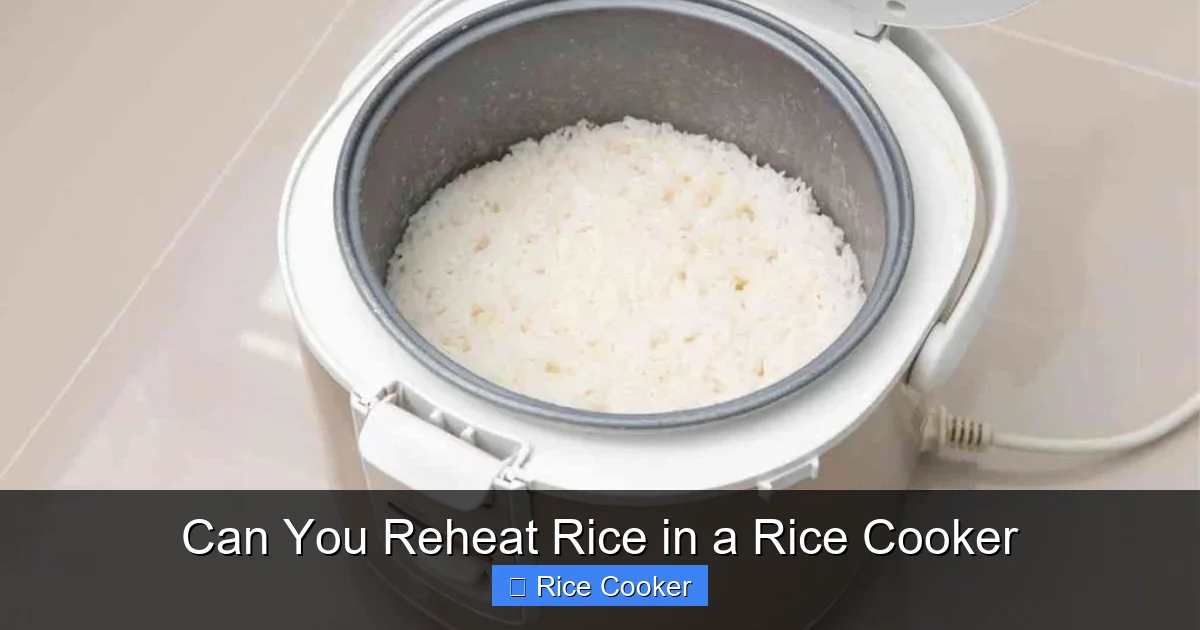
Pour the rice into the inner pot of your rice cooker. Make sure not to pack it down tightly—loose grains heat better. If your rice cooker has multiple settings, choose “Warm” or “Keep Warm.” Avoid using the “Cook” or “Boil” setting unless instructed otherwise.
Step 4: Heat for 5–10 Minutes
Turn on the rice cooker and let it run until the rice feels warm to the touch and steam begins to rise. Stir halfway through to ensure even heating. For most rice cookers, 5–10 minutes is sufficient—longer than that may cause overcooking or drying.
Step 5: Fluff and Serve
Once heated, remove the inner pot and fluff the rice again. Taste and adjust seasoning if needed—a sprinkle of salt, a dash of soy sauce, or a pat of butter can make a big difference.
Best Practices for Perfectly Reheated Rice
While the basic method works, following a few best practices will elevate your reheated rice from bland to amazing.
Use the Right Amount of Liquid
Too little liquid = dry rice. Too much = mushy rice. Start with 1 teaspoon per cup and add more only if needed. You can always add more, but you can’t take it out!
Stir Occasionally
Stirring every 3–5 minutes ensures all parts of the rice reach the same temperature. This is especially important if you’re reheating a large batch.
Leverage the Keep-Warm Function
If you’re reheating rice while waiting for other dishes to finish cooking, the keep-warm function is perfect. It maintains the right temperature without further cooking. Just remember to stir before serving.
Don’t Overheat
Running the rice cooker for more than 10–15 minutes after it switches to “warm” can lead to overcooking. The goal is revival, not recooking.
Experiment with Flavors
Reheating is a great opportunity to add flavor. Try mixing in:
- Coconut milk for Thai-style jasmine rice
- Sriracha and lime for Mexican rice
- Dill and lemon zest for pilaf
These additions work especially well with previously seasoned rice.
Common Mistakes to Avoid
Even experienced cooks make mistakes when reheating rice. Here are the most common pitfalls—and how to avoid them.
Mistake #1: Skipping the Cooling Step
Leaving rice at room temperature overnight increases bacterial growth exponentially. Always refrigerate within 2 hours of cooking.
Mistake #2: Not Adding Enough Moisture
Old rice dries out fast. Neglecting to add water leads to tough, chewy grains.
Mistake #3: Using the Wrong Setting
Using the “Cook” button instead of “Warm” can cause the rice to overcook and stick to the bottom.
Mistake #4: Reheating Multiple Times
Each reheat cycle gives bacteria more chance to multiply. Stick to one reheating session per batch.
Mistake #5: Not Stirring
Uneven heating results in hot spots and cold patches. Always stir during reheating.
Alternative Methods: When You Don’t Have a Rice Cooker
What if your rice cooker isn’t working or you’re reheating rice away from home? No problem—there are several effective alternatives.
Microwave Method (Quick & Easy)
Place rice in a microwave-safe bowl, add a splash of water, cover with a damp paper towel, and heat in 30-second intervals until warm. Stir between cycles. This works best for small batches.
Stovetop Method (Best for Texture)
Put rice in a saucepan with a tight-fitting lid. Add 1 tablespoon of water per cup. Cover and heat over medium-low for 3–5 minutes, stirring occasionally. This method gives excellent results for fluffy rice.
Oven Method (For Large Batches)
Spread rice on a baking sheet lined with parchment. Drizzle with water and cover with foil. Bake at 350°F (175°C) for 10–15 minutes. Great for reheating family-sized portions.
Tips for Different Types of Rice
Not all rice is created equal. Here’s how to handle different varieties when reheating.
Jasmine Rice
Fragrant and slightly sticky, jasmine rice benefits from a bit of coconut milk or fish sauce during reheating to restore its aroma. Add it with the water.
Basmati Rice
Long-grain basmati can become dry quickly. Reheat with broth instead of water to preserve its nutty flavor.
Brown Rice
Higher in fiber and oil content, brown rice tends to dry out faster. Use 2 tablespoons of water per cup and reheat longer (8–10 minutes).
Sushi Rice
Stickier than other types, sushi rice needs careful handling. Add vinegar mixture (rice vinegar + sugar + salt) along with water to revive authenticity.
Casserole or Fried Rice
For fried rice, reheat in a skillet with a little oil to prevent sticking. Rice cooker works too, but you may want to add beaten egg or vegetables back in afterward.
Environmental and Economic Benefits
Reducing food waste isn’t just good for your health—it’s good for the planet. By reheating rice instead of throwing it away, you’re saving money and cutting down on methane emissions from landfills.
According to the USDA, nearly 40% of food in the U.S. goes uneaten. Learning to safely reuse leftovers like rice is a simple step toward sustainable living.
Frequently Asked Questions About Reheating Rice
Is it safe to reheat rice in a rice cooker?
Yes, as long as the rice reaches 165°F (74°C) and hasn’t been reheated more than once. Always follow proper storage guidelines.
How long does reheated rice last?
Reheated rice should be consumed within 24 hours. Do not store it again after reheating.
Can I freeze rice for later reheating?
Absolutely! Freeze in airtight containers for up to 3 months. Thaw in the fridge overnight before reheating.
Why is my reheated rice still hard?
It likely didn’t get enough moisture or wasn’t heated long enough. Try adding more liquid and reheating in shorter bursts.
Can I reheat rice on the stovetop instead?
Yes, and many people prefer it for better control. Simmer covered with added liquid for 3–5 minutes.
Does reheating destroy nutrients?
Some vitamins (like vitamin C) degrade with heat, but the overall nutritional value remains high. The benefits of eating leftover rice far outweigh minor nutrient loss.
Should I rinse rice before reheating?
No. Rinsing removes surface starch that helps bind grains together. Only rinse if the rice feels gritty—but this is rare in properly cooked rice.
What’s the difference between “Warm” and “Cook” modes?
“Warm” maintains a low temperature (~170–180°F) without boiling. “Cook” brings water to a full boil and cooks new rice. Never use “Cook” for reheating.
Can I add spices during reheating?
Yes! Garlic powder, turmeric, or cumin blend well into reheated rice. Mix them with the water before heating.
Will my rice cooker burn rice during reheating?
Only if overheated or under-moistened. Stir frequently and monitor closely. Non-stick pots reduce burning risk.
Final Thoughts: Make Reheating Rice a Habit
Reheating rice in a rice cooker is not only safe and easy—it’s also a smart habit for reducing waste and saving time. With just a few simple steps, you can turn yesterday’s dinner into today’s delicious meal. Whether you’re feeding a family or packing lunches, mastering this skill will make your kitchen life smoother and more sustainable.
Remember: safety comes first, moisture is key, and flavor makes it worth the effort. Next time you have leftover rice, don’t hesitate to give your rice cooker another spin. You might just rediscover how good reheated rice can be.
Frequently Asked Questions
How many times can you reheat rice?
It’s safest to reheat rice only once. Each reheating cycle increases the risk of bacterial growth. Discard any rice that has been reheated more than once.
Can you reheat rice in a slow cooker?
Yes, but only briefly. Place rice in a slow cooker with a bit of liquid, cover, and heat on low for 10–15 minutes. However, a rice cooker is better suited for this task.
Why does my reheated rice taste gummy?
Gummy rice is usually due to over-reheating or insufficient fluffing. Stir gently and avoid prolonged heating. Also, make sure not to add too much liquid.
Is it okay to reheat rice on the stovetop?
Absolutely. Simmer rice with a splash of water in a covered pan for 3–5 minutes. This method gives excellent results and is preferred by many chefs.
Can I reheat fried rice in a rice cooker?
Yes, but add a little oil to prevent sticking. Stir in any missing ingredients like eggs or vegetables after reheating for best results.
How should I store leftover rice?
Refrigerate within 2 hours of cooking. Store in shallow, airtight containers to cool quickly. Label with the date and consume within 3–4 days.