
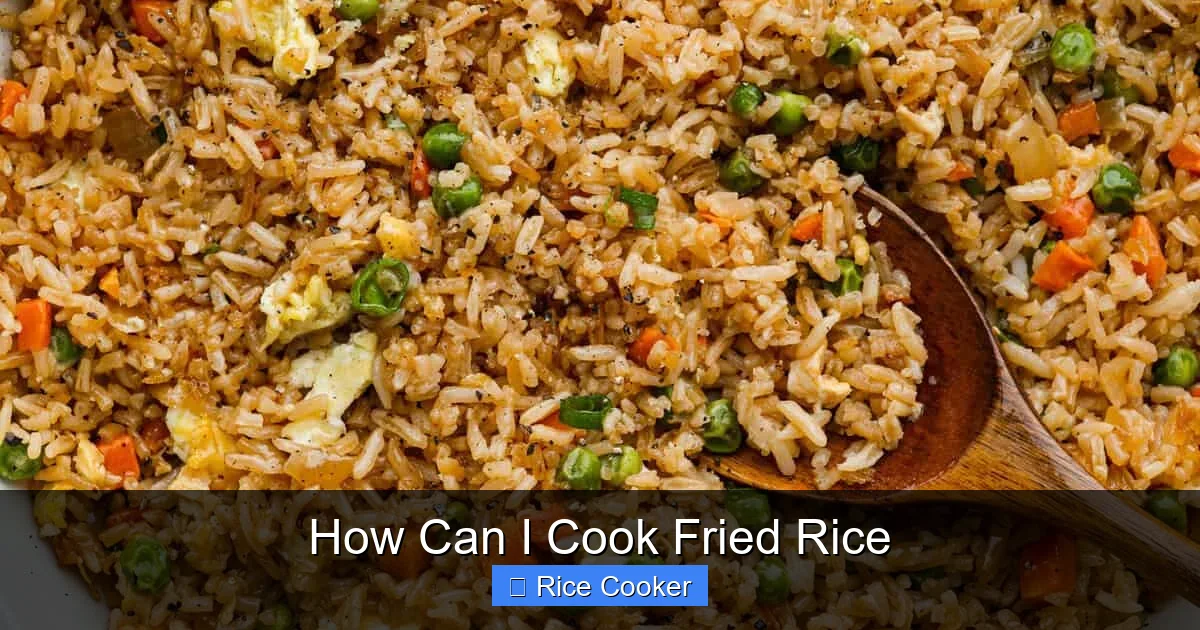
Cooking fried rice doesn’t have to be complicated. With basic ingredients and simple steps, you can make a delicious, satisfying meal in under 30 minutes. Whether you’re using leftover rice, fresh veggies, or your favorite protein, this guide will show you how to cook fried rice that’s fluffy, flavorful, and full of umami. Plus, we’ll share pro tips to avoid soggy rice and maximize flavor.
Key Takeaways
- Use cold, day-old rice: Freshly cooked rice is too moist—cold rice fries better and prevents mushiness.
- High heat is key: A hot pan or wok ensures quick cooking, caramelization, and that signature smoky flavor.
- Add protein first: Cook chicken, shrimp, or tofu before adding rice to build a flavor base.
- Veggies go last: Add softer vegetables like bell peppers or broccoli toward the end to keep them crisp.
- Soy sauce timing matters: Pour soy sauce over the rice at the end for even distribution without burning.
- Don’t overcrowd the pan: Fry in batches if needed to maintain high heat and prevent steaming.
- Customize freely: Fried rice is flexible—add eggs, corn, peas, or your favorite sauces to make it your own.
Quick Answers to Common Questions
Can I use fresh rice for fried rice?
No, fresh rice is too moist and will turn mushy. Always use cold, day-old rice for the best texture and crispiness.
What oil is best for frying rice?
Neutral oils like vegetable, canola, or peanut work well. Peanut oil adds a subtle nutty flavor, especially in Asian-style fried rice.
How long does fried rice last in the fridge?
Refrigerated fried rice lasts 3–4 days. Store it in an airtight container and reheat thoroughly on the stove.
Can I make fried rice in an air fryer?
Yes! Toss cold rice with a little oil, spread it in the air fryer basket, and cook at 375°F (190°C) for 8–10 minutes, shaking halfway through.
Is fried rice healthy?
It can be—especially if you use lean proteins, lots of vegetables, and minimal oil. Swap white rice for brown rice for more fiber.
📑 Table of Contents
- How Can I Cook Fried Rice? Your Complete Guide to Flavorful, Restaurant-Quality Fried Rice
- Why Cold Rice Is the Secret to Perfect Fried Rice
- The Best Rice for Fried Rice (And Why)
- Essential Tools: What You Need to Cook Fried Rice
- Step-by-Step: How to Cook Fried Rice on the Stovetop
- How to Make Fried Rice Using a Rice Cooker
- Flavor Boosters: Elevate Your Fried Rice
- Common Mistakes and How to Fix Them
- Customizing Fried Rice: Make It Your Own
- Serving and Storing Fried Rice
- Conclusion: Master Fried Rice, Master the Kitchen
How Can I Cook Fried Rice? Your Complete Guide to Flavorful, Restaurant-Quality Fried Rice
Have you ever wondered how to cook fried rice that tastes just like the version from your favorite Asian restaurant? It’s easier than you think—and the secret isn’t in the fancy kitchen gadgets, but in a few simple techniques. Fried rice is one of the most versatile, satisfying meals you can prepare, and it’s perfect for using up leftover rice, veggies, and proteins. Whether you’re cooking for one or feeding a crowd, mastering fried rice means having a reliable dish ready whenever hunger strikes.
In this guide, we’ll walk you through everything you need to know about cooking fried rice—from choosing the right rice to seasoning like a pro. We’ll cover both stovetop and rice cooker methods, so you can pick the way that fits your kitchen setup. You’ll also learn why cold rice is better, how to avoid common mistakes, and how to customize your fried rice to match your taste. By the end, you’ll be confident in the kitchen and ready to impress with your next batch of golden, fragrant fried rice.
Why Cold Rice Is the Secret to Perfect Fried Rice
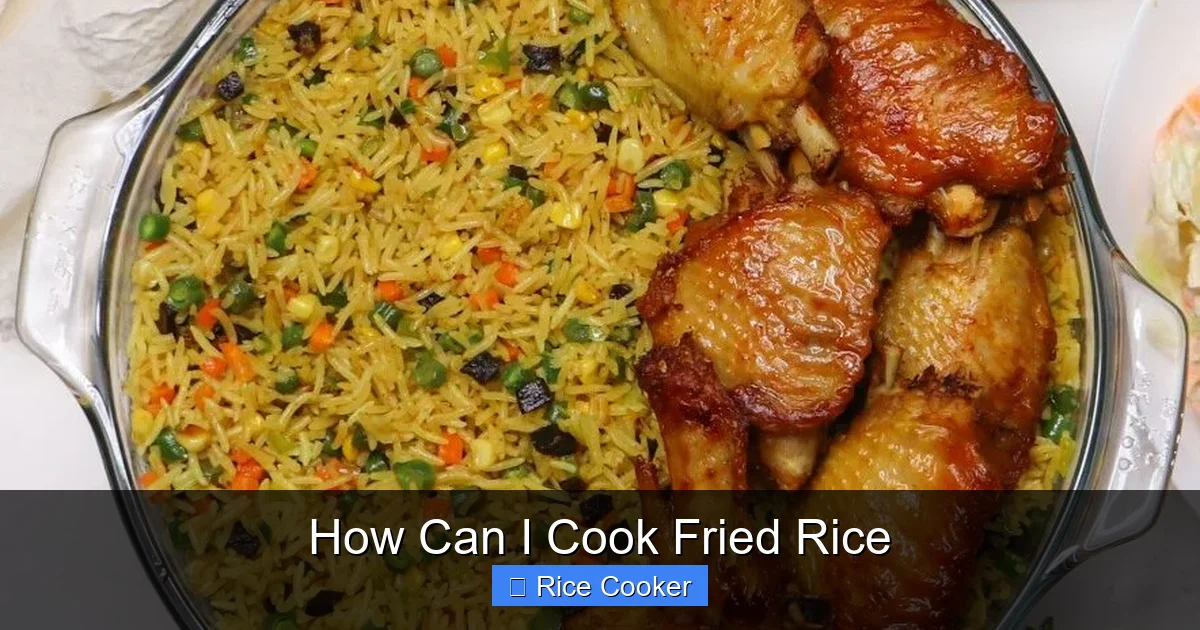
If you’ve ever made fried rice and ended up with a sticky, mushy mess, the culprit is likely fresh rice. When rice is still warm, it retains too much moisture, which causes it to clump and steam instead of fry. That’s why using cold, day-old rice is the golden rule of great fried rice. The starch has had time to firm up, making each grain separate and allowing it to sear beautifully in the pan.
Visual guide about How Can I Cook Fried Rice
Image source: joyfulcook.com
Here’s how to store rice properly: Let your cooked white or jasmine rice cool completely at room temperature for about an hour. Then transfer it to an airtight container and refrigerate it for at least 4 hours—ideally overnight. This not only improves texture but also makes reheating easier. If you’re planning ahead, you can freeze portions of rice for up to a month. Just thaw it in the fridge before using.
Another tip: Avoid overcooking your rice when making fried rice from scratch. Instead of boiling rice in excess water, try the “absorption method” with a bit less liquid. This results in firmer grains that hold up better during frying.
The Best Rice for Fried Rice (And Why)
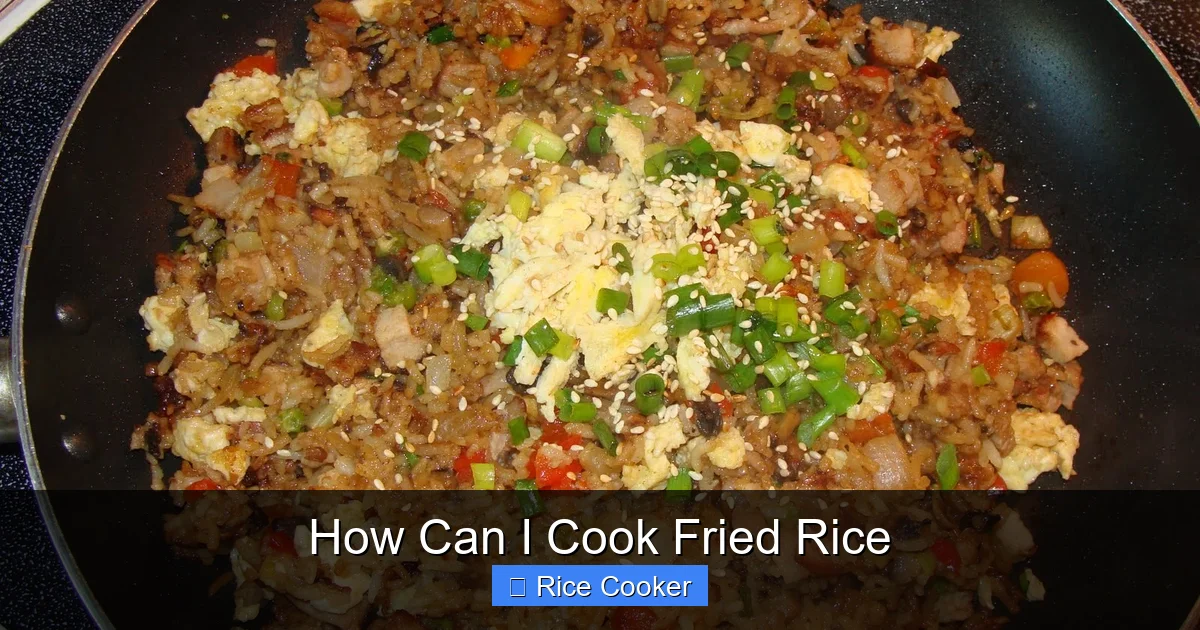
Not all rice is created equal when it comes to how to cook fried rice. Long-grain varieties like jasmine or basmati work best because they stay separate and don’t turn gummy. Short-grain rice, while delicious in sushi or risotto, tends to stick together and becomes too soft when stir-fried.
Visual guide about How Can I Cook Fried Rice
Image source: 4.bp.blogspot.com
Jasmine rice has a slightly floral aroma and light stickiness that enhances the overall flavor of fried rice. Basmati rice offers a fluffier texture and mild nutty notes. Both are excellent choices, but jasmine is often preferred in Thai and Vietnamese cuisines. For extra authenticity, use Thai jasmine rice labeled as “sticky rice” or “glutinous rice”—though note that true glutinous rice is different and not ideal for this dish.
Brown rice can also be used, but it requires more cooking time and may become too dense. If you want a healthier option, try brown rice fried with a bit more oil and longer stir-frying time to achieve the right texture.
Essential Tools: What You Need to Cook Fried Rice
You don’t need a professional wok or expensive equipment to make great fried rice. Most home kitchens already have what’s needed. Here’s a quick checklist:
- Large skillet or wok: A wide, shallow pan with high sides allows for tossing and spreading the rice evenly. A non-stick pan works well, but a cast-iron or carbon steel skillet gives better searing.
- Wooden spatula or spoon: Metal can scratch non-stick surfaces and damage delicate rice grains. Wooden tools are gentle and durable.
- Rice cooker (optional): While not essential, many modern rice cookers now include a “fry” or “keep warm” mode that simplifies the process.
- Measuring spoons and cups: Precision helps with seasoning and portion control.
- Cutting board and knife: For dicing veggies and proteins.
If you don’t have a wok, a large non-stick skillet will do. Just make sure it’s big enough to move the rice around freely without crowding.
Step-by-Step: How to Cook Fried Rice on the Stovetop
Gather Your Ingredients
Before you start, prep everything—this is called mise en place. You’ll need:
- 2–3 cups cold, day-old jasmine or long-grain rice
- 1–2 tbsp vegetable oil or neutral oil (like canola or peanut)
- 1 cup protein (chicken, shrimp, tofu, beef)
- 1 cup mixed vegetables (carrots, peas, corn, bell peppers)
- 2 eggs (optional)
- 3–4 tbsp soy sauce (low-sodium preferred)
- 1 tsp sesame oil (optional, for aroma)
- 1 clove garlic, minced
- 1 tsp ginger, grated
- Green onions, chopped
- Salt and pepper to taste
Heat the Pan and Add Oil
Place your skillet or wok over medium-high to high heat. Once hot, add 1 tablespoon of oil and swirl to coat the bottom. The oil should shimmer but not smoke immediately.
Cook the Protein First
Add your protein and cook until browned and nearly done. Remove and set aside. This builds a flavorful base and prevents overcooking later.
Scramble the Eggs (Optional)
Push the protein to one side and crack eggs into the empty space. Scramble gently, then push everything to the edges.
Add Aromatics
Add garlic and ginger. Stir-fry for 30 seconds until fragrant—don’t let them burn, or they’ll taste bitter.
Stir in Vegetables
Add harder vegetables like carrots first, then softer ones like peas and corn. Cook for 2–3 minutes until tender-crisp.
Introduce the Rice
Now add the cold rice. Break up any clumps with your spatula. Spread it evenly across the pan and let it sit for 30–60 seconds to develop a slight crust—this is key for flavor!
Season and Combine
Drizzle soy sauce evenly over the rice. Add sesame oil if using. Toss everything together, scraping the bottom to incorporate fond (the flavorful bits stuck to the pan). Mix in the cooked protein and eggs. Taste and adjust salt and pepper.
Finish with Green Onions
Remove from heat and fold in chopped green onions. Serve immediately while hot and crispy.
How to Make Fried Rice Using a Rice Cooker
Yes, you can make fried rice in a rice cooker! Many modern models come with a “fry” or “keep warm” setting that simulates stir-frying. Here’s how:
- Cook your rice as usual, then cool and chill it.
- Turn on the rice cooker’s “fry” mode (if available) or use the regular “cook” setting.
- Add oil and heat for 1–2 minutes.
- Add protein and cook until browned.
- Add vegetables and aromatics.
- Add cold rice and soy sauce.
- Close the lid and let the rice cooker stir-fry for 5–7 minutes, stirring occasionally.
Note: Not all rice cookers have a fry function. If yours doesn’t, you can still use it to reheat and warm the rice while finishing the dish on the stovetop.
Flavor Boosters: Elevate Your Fried Rice
Great fried rice isn’t just about rice and soy sauce. These small additions pack a big punch:
- Sesame oil: A few drops at the end adds depth and aroma.
- Garlic and ginger: Always sautéed first for maximum flavor.
- Shaoxing wine: Adds complexity; substitute with dry sherry or omit if unavailable.
- Coconut aminos: A gluten-free soy sauce alternative with a sweeter taste.
- Chili oil or sriracha: For heat lovers.
- Frozen shrimp shells: Boil briefly to extract seafood flavor.
For extra umami, add a splash of oyster sauce or a pinch of MSG (optional but effective).
Common Mistakes and How to Fix Them
Even experienced cooks make these errors. Here’s how to avoid them:
- Mushy rice: Caused by fresh or wet rice. Always use cold, dry rice.
- Bitter garlic/ginger: Overcooked aromatics. Add them early but remove before they darken.
- Weak flavor: Don’t skip the protein-first step or under-season.
- Steamy rice: Crowding the pan lowers heat. Fry in batches if necessary.
- Soggy vegetables: Add them late and don’t overcook.
Customizing Fried Rice: Make It Your Own
Fried rice is the ultimate blank canvas. Here are some popular variations:
- Beef fried rice: Use flank steak, sliced thin and marinated in soy, vinegar, and sugar.
- Shrimp fried rice: Quick-cook shrimp with garlic and chili flakes.
- Tofu fried rice: Press and fry tofu cubes before adding to rice.
- Vegetable fried rice: Load it with mushrooms, broccoli, zucchini, and snap peas.
- Egg fried rice: Scrambled eggs folded in at the end.
- Korean-style bibimbap fried rice: Add gochujang, spinach, and a fried egg on top.
You can also experiment with different oils—peanut oil gives a nutty flavor, while olive oil adds richness.
Serving and Storing Fried Rice
Serve fried rice hot, garnished with extra green onions, sesame seeds, or a lime wedge. It pairs well with pickled vegetables, a soft-boiled egg, or a side of miso soup.
To store leftovers, let them cool completely, then refrigerate in an airtight container for up to 3 days. Reheat in a skillet with a splash of water to revive texture. Avoid microwaving unless you stir frequently—it can make rice soggy.
Conclusion: Master Fried Rice, Master the Kitchen
Learning how to cook fried rice is more than just a recipe—it’s a skill that opens the door to countless creative possibilities. With the right rice, technique, and a few flavorful tweaks, you can transform leftovers into a meal that rivals takeout. Whether you’re using a traditional wok or a rice cooker with a fry function, the principles remain the same: high heat, cold rice, and bold seasoning.
Next time you have leftover rice, don’t pitch it. Turn it into a savory, satisfying fried rice loaded with your favorite ingredients. And remember—there’s no such thing as “wrong” fried rice. As long as it tastes good to you, you’ve nailed it.
Frequently Asked Questions
===
Can I use any type of rice for fried rice?
Long-grain rice like jasmine or basmati works best because it stays separate and doesn’t become too sticky. Avoid short-grain or sushi rice for fried rice.
Do I need a special pan to make fried rice?
A large, flat skillet or wok is ideal because it allows you to spread the rice and toss it easily. A non-stick pan works fine, but a heavy-bottomed pan heats more evenly.
How much soy sauce should I use?
Start with 2–3 tablespoons per 3 cups of rice. Adjust to taste—you can always add more, but it’s hard to fix if it’s too salty.
Can I freeze fried rice?
Yes, you can freeze it for up to 3 months. Thaw in the fridge overnight and reheat in a skillet with a splash of water to restore crispness.
Why is my fried rice soggy?
Soggy fried rice usually comes from using fresh rice or overcrowding the pan, which lowers the heat and causes steaming instead of frying.
What’s the difference between fried rice and chow fun?
Fried rice uses long-grain rice and is stir-fried quickly. Chow fun uses wide rice noodles and is cooked with soy sauce and bean sprouts, common in Cantonese cuisine.