
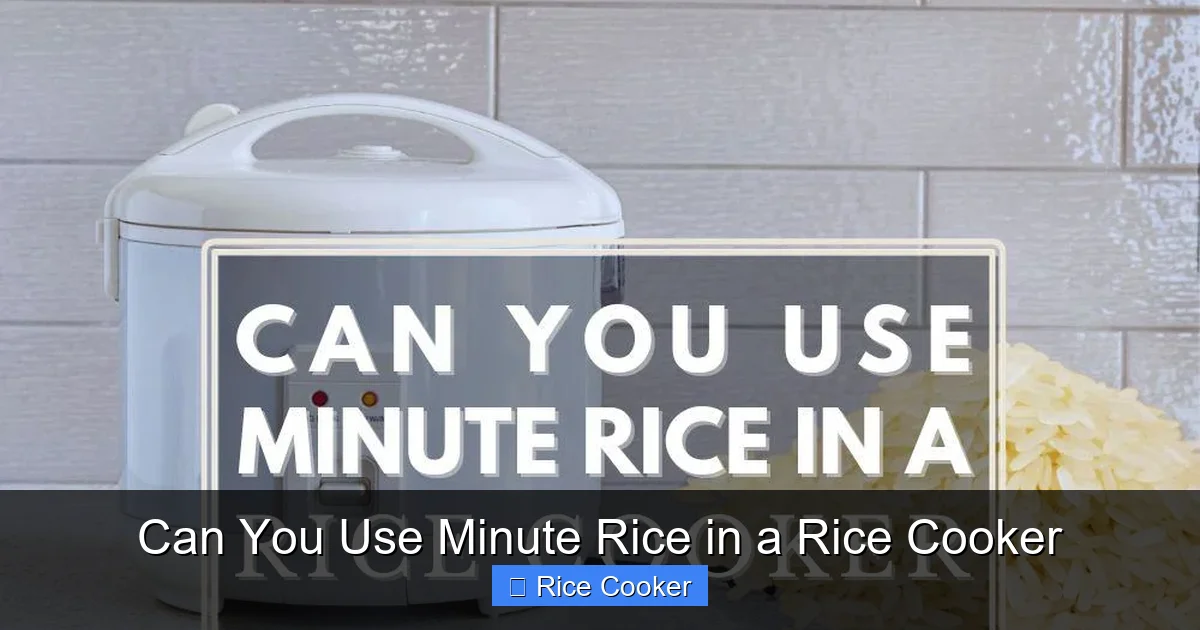
Can you use Minute Rice in a rice cooker? Absolutely! While Minute Rice is designed for stovetop cooking, it adapts beautifully to rice cookers with the right water ratio and timing. This method saves time without sacrificing texture or flavor, making it ideal for busy weeknights or meal prep. With just a few adjustments, you’ll enjoy fluffy, consistent results every time.
Have you ever stared into your pantry, grabbed a bag of Minute Rice, and wondered if your rice cooker could handle it? Maybe you’re short on time, or perhaps you just want to try something new without buying another box of pre-cooked rice. The good news? Yes—you absolutely can use Minute Rice in a rice cooker! In fact, many home cooks swear by this method because it’s faster than traditional stovetop cooking and delivers consistently fluffy results.
Minute Rice, originally developed as a quick-cooking convenience food, has become a kitchen staple across America. But unlike regular long-grain rice that needs soaking and slow cooking, Minute Rice comes precooked and dehydrated—meaning it rehydrates quickly when mixed with hot liquid. This makes it ideal for one-pot meals, side dishes, or even fried rice. And guess what? Your rice cooker is built to handle exactly that kind of fast-rehydrating grain.
In this comprehensive guide, we’ll walk you through everything you need to know about using Minute Rice in your rice cooker—from measuring ingredients to troubleshooting common issues. Whether you’re a beginner cook or someone looking to streamline dinner prep, you’ll find practical tips and tricks that make cooking with Minute Rice effortless and delicious.
Key Takeaways
- Yes, you can use Minute Rice in a rice cooker. It cooks evenly and yields fluffy grains when measured correctly.
- Use the standard 1:1.5 rice-to-water ratio—one cup of dry rice to 1.5 cups of water—for best results.
- Pre-soaking isn’t necessary, but adding a pinch of salt or oil enhances flavor and texture.
- Don’t overfill your rice cooker; most models hold only 6–8 cups max, so plan portions accordingly.
- Let the rice rest after cooking for 5–10 minutes to finish steaming and achieve perfect fluffiness.
- Clean your cooker promptly to prevent residue buildup from instant rice starch.
- Experiment with seasonings and mix-ins like herbs, broth, or vegetables for upgraded meals.
Quick Answers to Common Questions
Can you use Minute Rice in a rice cooker?
Yes! Minute Rice works perfectly in rice cookers when you use the right water ratio and follow basic instructions.
What’s the best water-to-rice ratio for Minute Rice?
Use 1.5 cups of water for every 1 cup of dry Minute Rice for fluffy, non-sticky results.
How long does it take to cook Minute Rice in a rice cooker?
It usually takes 5–7 minutes on a standard rice cooker cycle, followed by a 5–10 minute rest period.
Do I need to soak Minute Rice before cooking?
No soaking is necessary—Minute Rice rehydrates quickly using hot liquid alone.
Can I add spices or vegetables to Minute Rice in the cooker?
Yes! Add dried herbs, garlic powder, or frozen veggies directly to the water for enhanced flavor and nutrition.
📑 Table of Contents
Understanding Minute Rice and How It Works
Before diving into the how-to, let’s talk about what makes Minute Rice unique. Unlike brown or wild rice, which require longer cook times due to their dense structure, Minute Rice undergoes a parboiling and drying process. This means the starch inside the grain gelatinizes during initial cooking, then gets flash-dried—so when you add hot water or broth later, it absorbs moisture rapidly and reconstitutes into soft, edible kernels.
This pre-processing gives Minute Rice its signature speed: on the stove, it typically takes just 90 seconds to two minutes to cook fully. But here’s the secret—rice cookers don’t mind speed. They’re designed to monitor heat and steam, ensuring even cooking regardless of how quickly the grains absorb liquid. So even though Minute Rice is made for stovetops, your electric rice cooker can easily mimic those conditions.
That said, not all rice cookers are created equal. Some older models may lack precise temperature control, while newer smart units have sensors that adjust cooking cycles automatically. For best results, choose a basic automatic rice cooker rather than a pressure cooker or multi-cooker set to “rice” mode unless specified otherwise.
The Science Behind Quick-Cooking Rice
When you open a box of Minute Rice, you’re holding thousands of tiny, partially cooked grains that have been freeze-dried or air-dried after initial boiling. These grains contain residual starch that, when exposed to hot liquid (usually 190°F+), begins rehydrating almost instantly. The outer layer softens first, allowing internal moisture to escape—but because the core was already partially cooked, it doesn’t turn mushy like undercooked rice.
Rice cookers help regulate this process by maintaining steady heat throughout the cycle. After you pour in the water and rice, the unit heats the mixture until it reaches boiling point, then automatically switches to a “warm” setting once cooking completes. This keeps the rice at the ideal serving temperature without overcooking it.
Another advantage of using Minute Rice in a rice cooker is consistency. On the stovetop, you risk scorching the bottom or uneven heating if you’re not paying close attention. With a rice cooker, you press a button and walk away—perfect for multitasking!
How to Cook Minute Rice in a Rice Cooker: Step-by-Step Guide
Ready to give it a try? Follow these simple steps for foolproof results every time:
1. Measure Accurately
Start by measuring your dry Minute Rice. A standard serving is about ½ cup of uncooked rice per person. For example:
– 1 cup dry = serves 4
– ½ cup dry = serves 2
Then measure your liquid using the classic ratio: **1 part rice to 1.5 parts water**. So for 1 cup of dry rice, use 1.5 cups of water (or broth for extra flavor). Tap the bowl gently on the counter after pouring to release any air bubbles trapped between grains—this helps ensure even absorption.
2. Add Optional Enhancements
Want fluffier rice or more flavor? Try adding:
– A pinch of salt
– 1 teaspoon of butter or oil
– Herbs like thyme or parsley
– Garlic powder or onion flakes
These won’t significantly alter cook time but will elevate taste and texture.
3. Pour Into Clean Rice Cooker Pot
Make sure the inner pot is clean—residue from previous batches can affect performance. Place it back into the base, ensuring it sits level. Then pour in the rice and water mixture.
4. Select the Right Setting (If Applicable)
Most basic rice cookers only have one “Cook” button. If yours has multiple settings (like white rice, brown rice, or quick cook), select “Quick Cook” or “White Rice”—not “Brown Rice,” since that cycle runs hotter and longer than needed.
5. Start Cooking
Press the power button. The cooker will begin heating immediately. You’ll hear a hum as it brings the liquid to boil, then silence as it shifts to warm mode. Total cook time usually ranges from 5–7 minutes.
6. Let It Rest
Once the cycle ends, let the rice sit covered for 5–10 minutes. This allows residual steam to finish hydrating any slightly dry grains and creates a fluffier final product.
7. Fluff and Serve
Use a fork or rice paddle to gently stir through the rice. Avoid vigorous mixing—you want separated grains, not paste!
Common Mistakes to Avoid
Even experienced cooks sometimes run into hiccups when using Minute Rice in a rice cooker. Here are the most frequent pitfalls and how to fix them:
Mistake #1: Using Too Much Water
Too much liquid leads to soggy, sticky rice. Stick to the 1:1.5 ratio—no more, no less.
Mistake #2: Overfilling the Cooker
Most rice cookers max out at 6–8 cups of cooked rice (about 2–3 cups dry). Exceeding capacity causes overflow and poor heat distribution.
Mistake #3: Skipping the Resting Period
Neglecting to let the rice rest means you miss out on optimal texture. Always wait at least 5 minutes before fluffing.
Mistake #4: Not Cleaning the Inner Pot
Starchy residue from instant rice builds up quickly. Rinse the pot after each use to maintain performance.
Mistake #5: Using Cold Water
Cold water slows down rehydration. Use room-temperature or warm water for faster, more even cooking.
Flavor Variations and Creative Uses
Once you’ve mastered the basics, get creative! Minute Rice shines in both savory and slightly sweet dishes. Try these ideas:
Savory Options:
- Garlic Herb Rice: Add minced garlic and fresh rosemary to the water.
- Cheese & Broccoli Rice Casserole: Stir in grated cheddar and steamed broccoli post-cooking.
- Teriyaki Glaze Rice: Mix teriyaki sauce into the water before cooking.
- Spicy Southwest Rice: Add chili powder, cumin, and black beans.
Sweet Varieties:
- Cinnamon Sugar Rice: Combine cinnamon, sugar, and a splash of milk in the water.
- Apple Cinnamon Rice Pudding: Add diced apples and nutmeg; serve warm.
You can also use broth instead of water for deeper flavor—great for soups, risottos, or grain bowls.
Comparing Stovetop vs. Rice Cooker Methods
| Method | Cook Time | Effort Level | Texture Consistency | Best For |
|—————|———–|————–|———————-|————————|
| Stovetop | 2–3 mins | High | Variable | Immediate use |
| Rice Cooker | 5–7 mins | Low | Very Consistent | Meal prep, large batches |
The rice cooker wins on hands-off convenience and reliability. While stovetop cooking is faster per batch, it demands constant attention. Plus, leftover cooked Minute Rice reheats beautifully in the microwave or stovetop—but only if stored properly (in an airtight container, refrigerated within 2 hours).
Tips for Leftover Management
– Cool rice completely before refrigerating.
– Store in shallow containers for faster chilling.
– Reheat with a splash of water to revive dryness.
Frequently Asked Questions About Using Minute Rice in a Rice Cooker
Using Minute Rice in a rice cooker might sound unusual at first, but once you understand how it works, it becomes one of the easiest ways to prepare quick, reliable side dishes. Below, we answer the most common questions people ask—so you can cook confidently every time.
Is it safe to use Minute Rice in a rice cooker?
Yes, it’s completely safe! Minute Rice is FDA-approved and designed for rapid rehydration using standard cooking methods. Rice cookers simply provide a controlled environment that ensures even heating and prevents scorching.
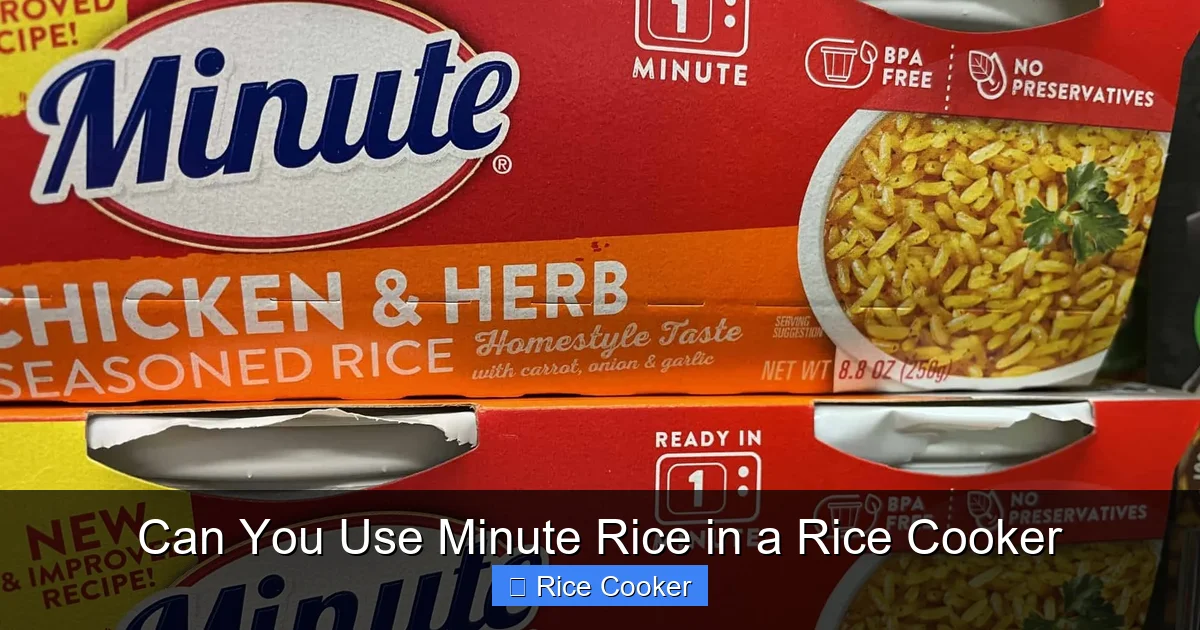
Visual guide about Can You Use Minute Rice in a Rice Cooker
Image source: stretchrecipes.com
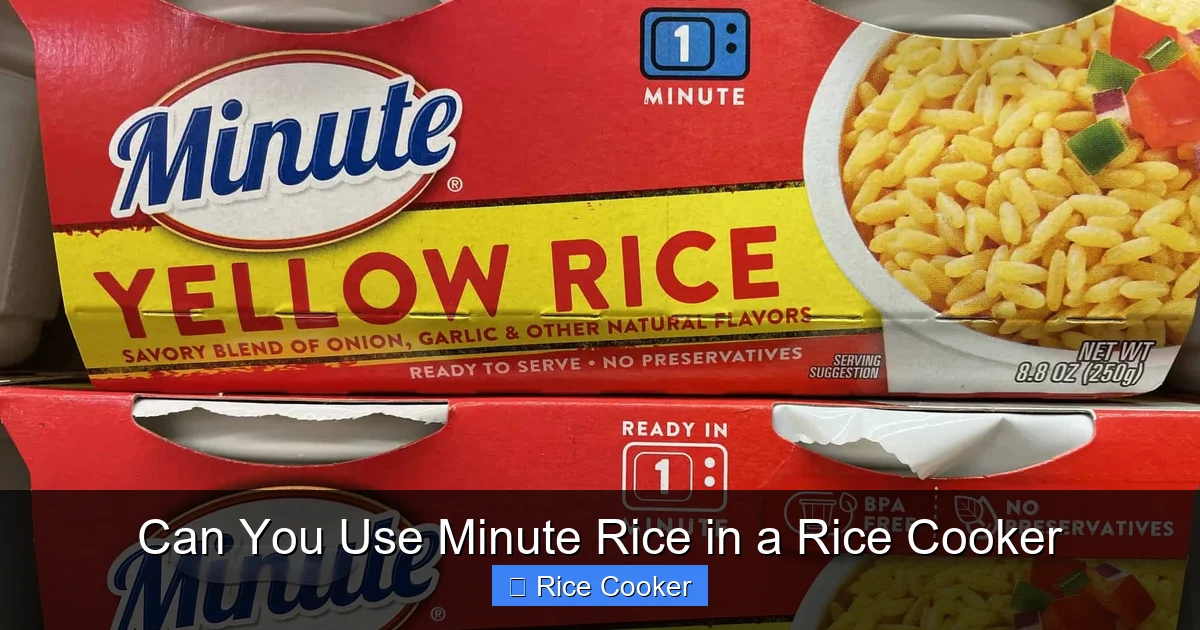
Visual guide about Can You Use Minute Rice in a Rice Cooker
Image source: stretchrecipes.com
Will Minute Rice work in all types of rice cookers?
Most automatic rice cookers will handle Minute Rice without issue. However, avoid using it in pressure cookers or multi-cookers set to “quick cook” unless the manual specifies compatibility with instant rice. Older models with manual timers may require slight adjustments.
Can I substitute other brands of instant rice?
Absolutely! Brands like Uncle Ben’s Ready Rice or Rice-A-Roni also work well in rice cookers using the same 1:1.5 water ratio. Test small batches first to fine-tune timing.
Do I need to rinse Minute Rice before cooking?
No rinsing is required—unlike long-grain rice, Minute Rice is already processed and free of excess starch. Rinsing could remove added nutrients or seasonings.
How do I prevent my rice cooker from getting sticky?
Use the correct water ratio, don’t overfill, and clean the inner pot regularly. Also, avoid lifting the lid during cooking—steam loss affects texture.
Frequently Asked Questions
Can you use Minute Rice in a rice cooker?
Yes, Minute Rice cooks excellently in a rice cooker using the standard 1:1.5 water-to-rice ratio. It produces fluffy, consistent results with minimal effort.
What happens if I use too much water with Minute Rice?
Too much water leads to overly soft, mushy rice that loses its distinct texture. Always measure carefully to avoid this issue.
Does Minute Rice work better in some rice cookers than others?
Basic automatic rice cookers perform best with Minute Rice. Multi-function units may require testing, but most modern models handle it well.
Can leftover Minute Rice be reheated in the rice cooker?
While possible, it’s not recommended—the cooker isn’t designed for reheating. Use the microwave or stovetop instead for best results.
Is Minute Rice healthier than regular rice?
Not necessarily. Minute Rice is pre-cooked and dried, losing some nutrients during processing. For maximum health benefits, consider whole-grain alternatives when possible.
How should I store leftover cooked Minute Rice?
Store in an airtight container in the refrigerator for up to 5 days. Reheat with a splash of water to restore moisture.