
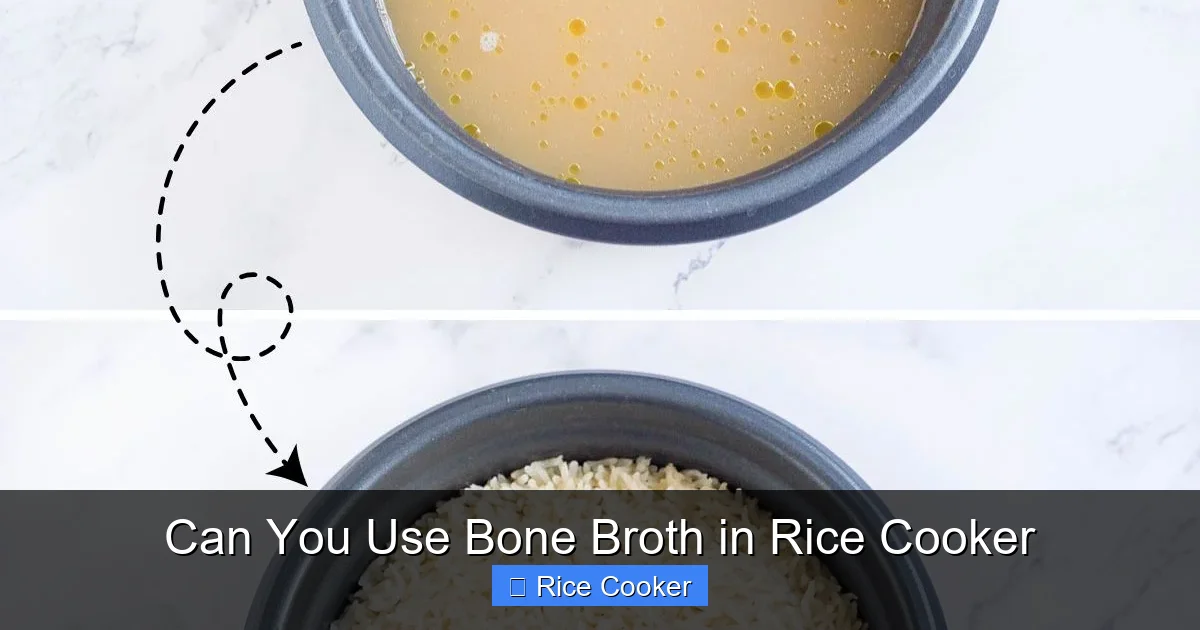
Can you use bone broth in a rice cooker? Absolutely! Using bone broth instead of water not only boosts flavor but also adds protein, minerals, and collagen to your rice. It’s a simple swap that turns a basic grain into a nourishing, delicious meal—perfect for busy weeknights or healing diets.
Key Takeaways
- Yes, you can use bone broth in a rice cooker — it’s a simple swap that enhances flavor and nutrition.
- Bone broth adds protein, collagen, and essential minerals like calcium and magnesium to your rice.
- It works with all rice types, including white, brown, jasmine, and wild rice.
- Using broth reduces sodium intake if you choose low-sodium or homemade versions.
- Cooking time remains the same — no extra steps needed, just replace water with equal parts broth.
- It’s ideal for soups, stews, and grain bowls — broth-based rice becomes a hearty base.
- Homemade bone broth is best — it’s richer in nutrients and free from additives.
📑 Table of Contents
- Why Swap Water for Bone Broth in Your Rice Cooker?
- How to Use Bone Broth in Your Rice Cooker: Step-by-Step Guide
- Benefits of Using Bone Broth in Rice Cooker
- Best Types of Rice to Cook in Bone Broth
- Troubleshooting Common Issues
- Creative Recipes Using Bone Broth Rice
- Tips for Making the Most of Bone Broth Rice
- Conclusion: A Simple Swap with Big Impact
Why Swap Water for Bone Broth in Your Rice Cooker?
Have you ever wondered if you could make your rice even more flavorful—and nutritious—by ditching plain water? The answer is yes, and the secret lies in something called **bone broth**. This nutrient-dense liquid, made by simmering animal bones and connective tissue (often with vegetables and herbs), has been used for centuries as a healing tonic and kitchen staple.
When you cook rice in bone broth instead of water, you unlock a whole new level of taste and health benefits. Imagine fluffy jasmine rice infused with deep umami, or creamy arborio rice with a savory richness. That’s what happens when you let the natural flavors of the broth infuse into every grain.
But it’s not just about taste. Bone broth is packed with gelatin, collagen, amino acids like glycine and proline, and minerals such as calcium, magnesium, and phosphorus. These nutrients are easily absorbed during cooking, making your rice a mini superfood meal.
Whether you’re following a healing diet, trying to boost immunity, or simply looking for a way to make dinner feel special without extra effort, using bone broth in your rice cooker is a game-changer. And the best part? It’s incredibly easy.
How to Use Bone Broth in Your Rice Cooker: Step-by-Step Guide

Visual guide about Can You Use Bone Broth in Rice Cooker
Image source: thealmondeater.com
Using bone broth in a rice cooker is as simple as swapping one ingredient for another. No fancy equipment, no complicated steps. Just follow these easy instructions:
1. Choose Your Rice Type
Start by selecting the type of rice you want to cook. Whether it’s long-grain white rice, brown rice, jasmine, basmati, or even wild rice, bone broth works beautifully with all of them. Each variety absorbs liquid differently, so adjust the ratio slightly if needed, but generally, a 1:1 ratio of broth to rice is perfect.
2. Measure the Broth
Use the same measuring cup you’d use for water. For example, if your recipe calls for 1 cup of water, use 1 cup of bone broth instead. If you’re using homemade broth, make sure it’s cooled slightly before adding it to the rice cooker to avoid temperature shock.
3. Add Rice and Broth
Rinse your rice under cold water (optional, but recommended for white rice) to remove excess starch. Then, place the rinsed rice in the inner pot of the rice cooker. Pour in the bone broth, ensuring the liquid level matches the usual water line. Don’t stir—just let the rice sit and absorb the liquid as it cooks.
4. Start the Cooking Cycle
Close the lid and press the “Cook” button. Most rice cookers have preset settings (like “White Rice,” “Brown Rice,” or “Steam”), so select the appropriate one. The cooking time will remain the same as when using water—no need to adjust timers.
5. Let It Rest
Once the cycle finishes, let the rice sit for 5–10 minutes with the lid closed. This allows the steam to finish cooking the rice evenly and helps the grains firm up. Then fluff gently with a fork before serving.
6. Serve and Enjoy
Your rice is now rich, aromatic, and packed with flavor. Serve it as a side dish, use it as a base for bowls, or mix in sautéed vegetables and protein for a complete meal.
Pro tip: For extra flavor, add a splash of soy sauce, a drizzle of olive oil, or a sprinkle of fresh herbs after cooking.
Benefits of Using Bone Broth in Rice Cooker
Beyond taste, there are real health perks to cooking rice in bone broth. Let’s break down why this simple swap is worth making.
Nutrient Boost
Bone broth is a powerhouse of nutrients. When you simmer bones for hours, they release collagen, gelatin, and minerals into the liquid. These compounds support joint health, gut lining repair, and skin elasticity. When cooked in rice, these nutrients become bioavailable—meaning your body can actually use them.
For example, gelatin helps improve digestion by supporting the gut barrier. Glycine, an amino acid found in high amounts in bone broth, promotes better sleep and reduces inflammation.
Enhanced Flavor Profile
Water is neutral—it doesn’t add flavor. Bone broth, on the other hand, delivers deep, savory notes. Even if your broth is mild (like chicken or vegetable), it imparts a subtle richness that makes rice taste more satisfying. Over time, your palate adjusts, and you may find yourself craving less salt in other dishes because your rice already tastes full-bodied.
Supports Gut Health
Many people struggle with digestive issues. Bone broth is gentle on the stomach and may help heal the gut lining. When combined with fiber-rich grains like brown rice, it creates a soothing, nourishing meal that supports overall wellness.
Convenience for Busy Lifestyles
You don’t need to make a separate pot of broth or adjust your cooking routine. Just grab a container of store-bought or homemade broth, pour it into the rice cooker, and press “start.” It’s that simple. This makes it ideal for meal prep, quick lunches, or family dinners.
Reduces Need for Added Salt
Store-bought broths often contain high levels of sodium. But if you use low-sodium or homemade bone broth, you can significantly cut back on salt in your diet. This is especially helpful for those managing blood pressure or reducing sodium intake.
Best Types of Rice to Cook in Bone Broth
Not all rice is created equal when it comes to absorbing flavor. Some varieties hold onto the broth’s essence better than others. Here’s a breakdown of the best options:
Jasmine Rice
Known for its fragrant aroma, jasmine rice takes well to bone broth. The floral notes blend beautifully with the savory broth, creating a luxurious side dish. It’s sticky and soft, perfect for steaming vegetables or wrapping in lettuce cups.
Basmati Rice
Long-grain and slightly nutty, basmati rice absorbs broth without becoming mushy. It’s great for pilafs or grain bowls, especially when paired with roasted veggies and grilled chicken.
Arborio Rice
This short-grain Italian rice is ideal for risotto. When cooked slowly in bone broth, it releases starches and becomes creamy, almost custard-like. The broth gives risotto a rich, meaty depth that rivals traditional meat-based versions.
Brown Rice
Though it takes longer to cook, brown rice benefits greatly from broth. Its nutty flavor complements the earthiness of bone broth, and the added nutrients make it a smart choice for long-term health.
Wild Rice
With its chewy texture and smoky flavor, wild rice holds up well in broth. It’s a fun alternative to traditional grains and pairs wonderfully with mushrooms or nuts.
Coconut Rice
Want a tropical twist? Combine bone broth with a splash of coconut milk for a creamy, aromatic rice that’s perfect with curries or grilled fish.
Troubleshooting Common Issues
Even though using bone broth in a rice cooker is straightforward, you might run into a few hiccups. Here’s how to fix them:
Rice Sticking to the Bottom
If your rice sticks or burns, it could be due to insufficient liquid or a dirty inner pot. Always ensure the broth covers the rice by at least half an inch. Clean the pot thoroughly before each use, and consider adding a teaspoon of oil or butter for extra glide.
Too Salty
Store-bought broths can be high in sodium. To reduce saltiness:
– Use low-sodium or homemade broth.
– Rinse rice before cooking to dilute excess salt.
– Add a pinch of sugar or lemon juice to balance the flavor.
Rice Too Dry or Crunchy
This usually means not enough liquid. Double-check the 1:1 ratio. Also, avoid opening the lid during cooking, as it releases steam and slows absorption.
Rice Too Soupy
If the rice is mushy, you likely used too much broth or didn’t rinse the rice (for white rice). Stick to the right ratio and rinse to prevent clumping.
Unpleasant Taste
Some broths (especially beef or game) can be strong. Start with mild options like chicken or vegetable broth. You can always enhance flavor later with garlic, ginger, or herbs.
Creative Recipes Using Bone Broth Rice
Once you’ve mastered the basics, the possibilities are endless. Here are a few delicious ideas to inspire your next meal:
Healing Chicken Bone Broth Rice Bowl
Cook jasmine rice in homemade chicken bone broth. Top with shredded chicken, steamed broccoli, sautéed mushrooms, and a drizzle of tamari. Garnish with green onions and sesame seeds.
Spicy Thai Coconut Bone Broth Rice
Combine bone broth with coconut milk and a paste of red curry, lemongrass, and lime juice. Serve over jasmine rice with sliced mango and crispy shallots.
Garlic Herb Brown Rice Pilaf
Sauté garlic and thyme in olive oil, then add brown rice and bone broth. Simmer until tender, then fold in toasted almonds and dried cranberries for a festive side.
Sushi-Style Bone Broth Rice
Mix cooked rice with rice vinegar, a touch of sugar, and a splash of low-sodium soy sauce. Shape into sushi rolls with avocado, cucumber, and smoked salmon.
One-Pot Bone Broth Risotto
Use a rice cooker with a “Risotto” setting (or mimic it by stirring occasionally). Cook Arborio rice in bone broth with onion, white wine, and Parmesan cheese for a creamy, comforting dish.
Tips for Making the Most of Bone Broth Rice
Want to elevate your bone broth rice even further? Try these expert tips:
– Make your own broth: Use leftover vegetable scraps, chicken carcasses, or beef bones. Simmer for 12–24 hours for maximum nutrient extraction.
– Freeze extras: Pour broth into ice cube trays or containers for easy portion control.
– Add aromatics: Toss in garlic cloves, bay leaves, or ginger while cooking rice for extra depth.
– Use different broths: Try turkey, duck, or even fish broth for unique flavor profiles.
– Pair with probiotics: Serve with fermented foods like kimchi or sauerkraut to boost gut health.
– Meal prep: Cook a large batch of broth rice at the start of the week. Store in airtight containers and reheat with a splash of water if needed.
Conclusion: A Simple Swap with Big Impact
Using bone broth in your rice cooker isn’t just a trend—it’s a smart, sustainable upgrade to your daily meals. By replacing water with broth, you transform plain rice into a flavorful, nutrient-rich dish that supports digestion, energy, and overall well-being.
The process is simple: measure, pour, cook, fluff. Yet the results are profound. Whether you’re feeding a family, meal prepping for the week, or seeking comfort in a warm bowl, bone broth rice delivers on all fronts.
And the best part? You don’t need to change your routine. Just open your fridge, grab a carton of broth, and let your rice cooker do the rest. In minutes, you’ll have a meal that tastes homemade, feels nourishing, and does your body good.
So the next time you reach for water, think again. Try bone broth. Your taste buds—and your cells—will thank you.
Frequently Asked Questions
Can I use any type of bone broth in my rice cooker?
Yes, but milder broths like chicken or vegetable work best for most rice. Stronger broths (like beef or game) can overpower delicate grains. Start with mild flavors and adjust based on preference.
Does using bone broth change the cooking time?
No, cooking time remains the same as when using water. The liquid ratio and heat duration are unchanged, so your rice cooker follows the standard cycle.
Is bone broth rice good for weight loss?
Yes, if you use low-sodium or homemade broth. It’s lower in calories and higher in protein and fiber, which can help you feel fuller longer. Pair it with lean proteins and veggies for a balanced, slimming meal.
Can I use frozen bone broth cubes?
Absolutely. Just thaw them first or add them directly—they’ll melt during cooking. One cube typically equals about 1/4 cup of liquid, so adjust measurements accordingly.
Will bone broth rice keep me full longer?
Yes, due to the protein and gelatin content. These compounds slow digestion and support satiety, making bone broth rice a great option for sustained energy.
Can I add spices or herbs to bone broth rice?
Definitely. Add garlic, ginger, turmeric, or cumin while cooking for extra flavor and health benefits. Just avoid adding salt-heavy seasonings if using high-sodium broth.