Leaving rice in the rice cooker for too long can lead to spoilage or bacterial growth. Most cooked rice stays safe for 1–2 hours at room temperature, but it’s best to cool and refrigerate it within that window. Proper storage and handling are key to enjoying rice without risking foodborne illness.
Have you ever finished dinner and realized there’s still rice left in your rice cooker? Maybe you’re planning a late-night snack or want to save time tomorrow. But then a little voice in your head whispers: *Is it safe to leave rice in the rice cooker all night?* You’re not alone—this question trips up many home cooks, especially those who rely on rice as a staple side dish.
Rice cookers are marvels of modern convenience. They automate the entire process—from rinsing to cooking—and often include a “keep warm” feature that maintains temperature without overcooking. But convenience doesn’t always mean safety. While it’s tempting to let the machine do the work while you sleep or run errands, understanding how long you can leave rice in the rice cooker is crucial for avoiding foodborne illnesses like food poisoning caused by bacteria such as *Bacillus cereus*. This guide will walk you through everything you need to know about storing rice in your rice cooker, from timing and temperature to reheating and freezing.
Key Takeaways
- Safety Window: Cooked rice should not sit out at room temperature for more than 2 hours—ideally less than 1 hour.
- Refrigeration is Best: Cool rice quickly and store it in an airtight container in the fridge for up to 5 days.
- Reheating Matters: Always reheat rice thoroughly (to 165°F/74°C) to kill any potential bacteria like Bacillus cereus.
- Rice Cooker Settings: Use the “Keep Warm” function cautiously—it’s not designed for long-term storage and may dry out rice.
- Signs of Spoilage: Discard rice if it smells off, has mold, slimy texture, or unusual color changes.
- Freezing Option: For longer storage, freeze rice in portions for up to 3 months—thaw and reheat safely.
- Prevent Cross-Contamination: Use clean utensils and containers when handling leftover rice to avoid introducing bacteria.
Quick Answers to Common Questions
How long can rice stay in a rice cooker?
Cooked rice can stay in a rice cooker for 1–2 hours if kept at proper temperature. Beyond that, it should be transferred to the refrigerator. The “keep warm” function is not meant for long-term storage and may dry out or spoil the rice over time.
Is it safe to leave rice in the rice cooker overnight?
No, it is not safe. Leaving rice in the rice cooker overnight increases the risk of bacterial growth, especially if the internal temperature drops into the danger zone. For safety, always refrigerate leftover rice within 1–2 hours of cooking.
Can you reheat rice that’s been in the rice cooker all day?
Only if it was properly stored. If rice was left in the cooker for more than 2 hours or wasn’t refrigerated promptly, it’s best to discard it. If it was cooled and chilled correctly, reheat it thoroughly to 165°F (74°C) before eating.
Why does rice go bad so fast?
Rice is rich in starch, which supports rapid bacterial growth—especially from *Bacillus cereus*. When left at room temperature, these bacteria can multiply and produce toxins that cause food poisoning, even after reheating.
What’s the best way to store leftover rice?
Spread rice in a shallow container, cool it quickly (within 1 hour), then seal and refrigerate in an airtight container. Label with the date and consume within 5 days. For longer storage, freeze in portion-sized containers for up to 3 months.
📑 Table of Contents
- Understanding Rice Safety and Bacterial Growth
- How Long Is It Safe to Leave Rice in the Rice Cooker?
- The Science Behind Rice and Bacteria
- Best Practices for Storing Leftover Rice
- Can You Reheat Rice Safely?
- Using the Keep Warm Function Wisely
- Freezing Rice: A Game-Changer for Meal Prep
- Special Considerations: Fried Rice and Mixed Dishes
- Common Myths About Rice Storage
- Conclusion: Stay Safe, Stay Delicious
Understanding Rice Safety and Bacterial Growth
When rice is cooked, its starches break down into sugars and proteins that create an ideal environment for bacterial growth—especially if left unrefrigerated. One particular culprit is *Bacillus cereus*, a hardy bacterium commonly found in soil and dust. It produces spores that survive normal cooking temperatures. If cooked rice is left sitting at room temperature, these spores can germinate, multiply, and produce toxins that cause vomiting or diarrhea.
The danger zone for food—where bacteria thrive most rapidly—is between 40°F (4°C) and 140°F (60°C). Once rice is cooled below 140°F, it enters this zone quickly if not handled properly. That’s why experts recommend not letting rice sit out for more than two hours, and ideally no more than one hour after cooking. Even though your rice cooker may stay hot, the internal temperature might drop into unsafe ranges once you open the lid or add ingredients.
How Long Is It Safe to Leave Rice in the Rice Cooker?
Visual guide about How Long Can You Leave Rice in the Rice Cooker
Image source: ricearray.org
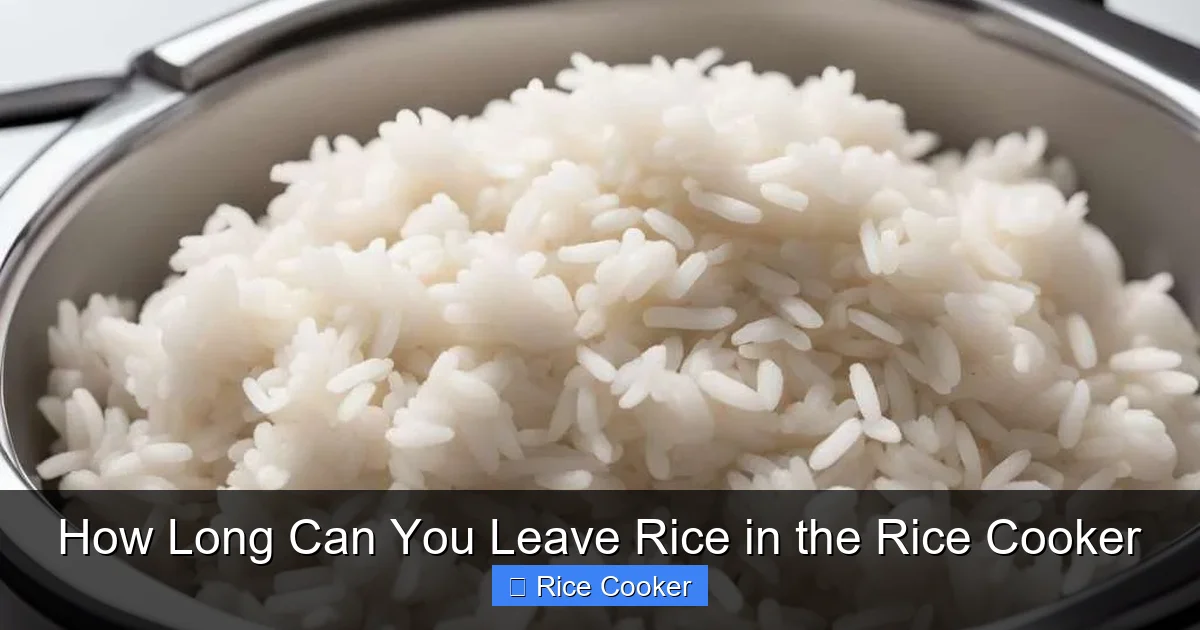
So, back to the original question: **How long can you leave rice in the rice cooker?** The short answer is: **not too long.**
If your rice cooker has a “keep warm” setting, it typically maintains rice around 165°F to 190°F (74°C to 88°C), which is above the danger zone. In theory, this could allow rice to stay safe for several hours. However, manufacturers design this function for convenience—not long-term storage. Over time, even at warm temperatures, moisture evaporates, causing the rice to dry out, clump together, or develop an unpleasant texture. More importantly, inconsistent heat distribution in older models may create pockets where bacteria can grow.
For optimal safety and quality:
– Leave rice in the cooker for no more than 1–2 hours after it finishes cooking.
– Avoid using the “keep warm” mode overnight, even if the manual says it’s safe. Human error (like forgetting to turn it off) increases risk.
– Once rice cools below 140°F (60°C), it enters the bacterial danger zone and must be refrigerated promptly.
In practical terms, if you’ve already eaten dinner and plan to eat the rest later, transfer the rice to a shallow airtight container within one hour. Then pop it in the refrigerator. This simple step makes a big difference in preventing foodborne illness.
The Science Behind Rice and Bacteria
Visual guide about How Long Can You Leave Rice in the Rice Cooker
Image source: ricearray.org
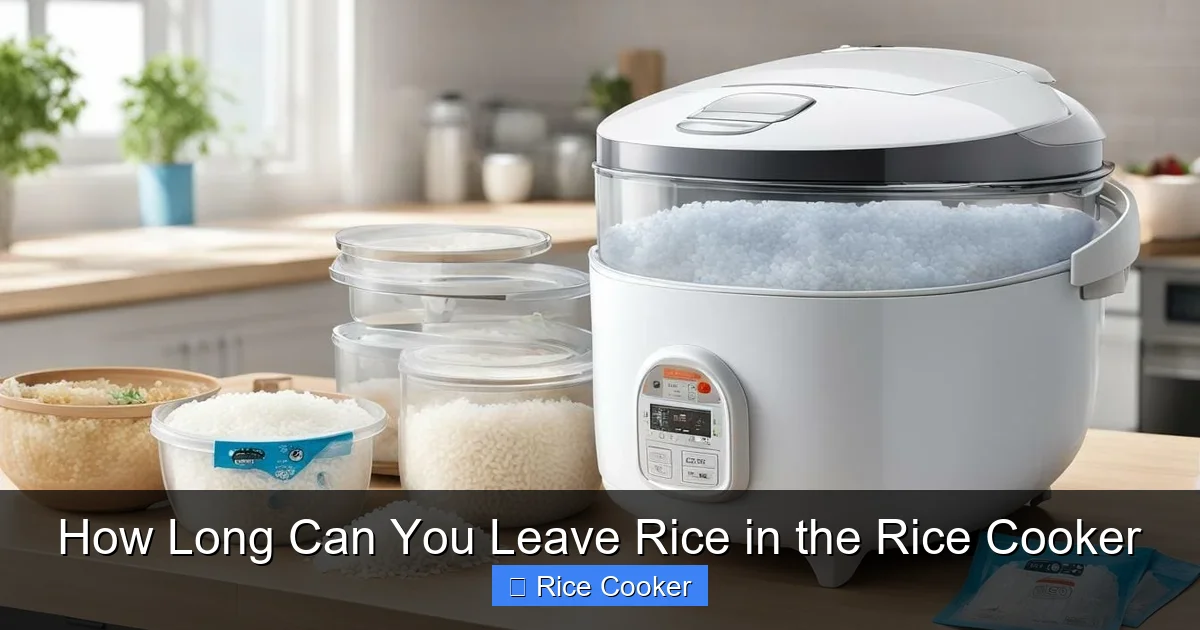
You might wonder: if I just washed my rice and cooked it thoroughly, why does it go bad so fast? The answer lies in the biology of *Bacillus cereus*. These bacteria love starch—and rice is basically pure starch! When cooked rice is exposed to air and warmth, spores from the bacteria can activate and start reproducing.
Even worse, some strains of *Bacillus cereus* produce heat-stable toxins that aren’t destroyed by reheating. So if someone eats rice that’s been sitting in the danger zone for too long and then microwaved, they could still get sick—even though the food looks and smells fine.
That’s why experts emphasize rapid cooling and refrigeration. Refrigeration slows bacterial growth dramatically, keeping rice safe for up to five days. Freezing extends that timeline further, locking in freshness for months.
Best Practices for Storing Leftover Rice
Now that we’ve covered the “why,” let’s talk about the “how.” Proper storage is your best defense against spoiled rice—and stomach troubles.
Cooling Rice Quickly
Never let hot rice sit uncovered for long. Instead, spread it out in a wide, shallow container or divide it into multiple smaller containers. This increases surface area, allowing heat to escape faster and reducing the chance of condensation (which encourages mold).
Use Airtight Containers
Glass or BPA-free plastic containers with tight-fitting lids work best. Avoid leaving rice in the original rice cooker pot unless you’ll consume it within 1–2 hours. The non-stick coating inside may trap moisture and promote bacterial growth over time.
Label and Date Your Containers
Mistakes happen—you might forget what’s in the fridge. Labeling helps ensure you don’t accidentally eat expired rice. Most cooked rice lasts 3–5 days in the refrigerator.
Check Before Eating
Before serving leftover rice, give it a quick smell and visual inspection. Normal rice should have a neutral odor and uniform texture. If it smells sour, has white spots, feels slimy, or looks discolored, toss it immediately.
Can You Reheat Rice Safely?
Absolutely—but only if done correctly. Reheating kills most surviving bacteria, but remember: toxins produced earlier aren’t eliminated by heat. Still, proper reheating minimizes risk.
Microwave Method
Place rice in a microwave-safe dish, cover loosely with a damp paper towel (to retain moisture), and heat in 30-second intervals until steaming hot throughout. Stir between intervals to ensure even heating.
Stovetop or Oven Reheating
Add a splash of water to prevent drying, cover the pan, and simmer on low heat until heated through. In the oven, wrap rice in foil and bake at 300°F (150°C) for about 10 minutes, checking frequently.
Always check the internal temperature with a food thermometer—rice should reach at least 165°F (74°C) before serving.
Using the Keep Warm Function Wisely
Many rice cookers come with a “keep warm” button labeled “保温” or similar. On paper, this seems perfect for holding rice until dinnertime. But here’s the catch: most models only keep rice warm for 12–24 hours max. Beyond that, the rice dries out, becomes gummy, or develops off-flavors.
Moreover, prolonged exposure to warmth accelerates oxidation and nutrient loss. And while the surface stays hot, cooler layers underneath may fall into the danger zone.
So, use the keep warm setting sparingly:
– Only for meals served within 6–12 hours.
– Never overnight.
– Monitor the rice periodically—if it starts smelling strange or looks dry, discard it.
Some high-end models offer extended warm functions or smart alerts, but standard home units aren’t built for long-term storage.
Freezing Rice: A Game-Changer for Meal Prep
Want to enjoy rice all week without worrying about spoilage? Freeze it!
Portion cooked rice into freezer-safe bags or containers. Press out excess air before sealing. Frozen rice keeps well for up to 3 months. When ready to eat, thaw overnight in the fridge or reheat directly from frozen (adding a bit of water helps).
Note: Freshly cooked rice freezes best—leftover refrigerated rice can absorb odors or become slightly mushy upon thawing.
Special Considerations: Fried Rice and Mixed Dishes
What if your rice was mixed with eggs, vegetables, or sauces? The rules change slightly.
Fried rice, for example, contains raw egg and possibly meat or dairy—all of which spoil faster than plain rice. Store it separately and consume within 2–3 days. Similarly, rice-based casseroles or stir-fries should be treated as perishable dishes, not just “rice.”
Also, avoid repeatedly reheating rice. Each cycle raises the risk of texture degradation and bacterial reactivation.
Common Myths About Rice Storage
Let’s clear up some misconceptions:
– Myth: Rice goes bad because of mold.
Reality: Mold takes days to form. Most rice spoilage comes from bacteria or chemical changes during improper storage.
– Myth: Boiling rice again kills all bacteria.
Reality: Boiling kills live bacteria, but toxins remain. Microwaving or steaming to 165°F is safer.
– Myth: Brown rice lasts longer than white rice.
Reality: Both types follow the same safety rules. Brown rice has more oil, so it may go rancid faster if not stored cold.
– Myth: Rice cooker pots are sterile.
Reality: Just like any kitchenware, they can harbor bacteria if not cleaned properly between uses.
By understanding these facts, you’ll make smarter choices every time you cook.
Conclusion: Stay Safe, Stay Delicious
Leaving rice in the rice cooker isn’t inherently dangerous—but it’s not ideal either. The key is balance: enjoy the convenience of your rice cooker without compromising safety. Cook fresh, cool quickly, store properly, and reheat thoroughly. With these habits, you’ll never have to wonder “how long can you leave rice in the rice cooker?” again.
Remember, food safety isn’t rocket science—it’s common sense. A few extra minutes of prep today saves you from an upset stomach tomorrow. So next time you finish cooking, ask yourself: *Should I eat this now, or save it for later?* If it’s later, move that rice to the fridge—your future self will thank you.
Frequently Asked Questions
How long is rice safe in the refrigerator?
Freshly cooked rice is safe in the refrigerator for up to 5 days when stored properly in an airtight container. Always check for signs of spoilage—such as sour smell, sliminess, or mold—before eating.
Can you eat rice that’s been sitting out for 3 hours?
It depends on the conditions. If the room is very cold or the rice was kept covered and stirred occasionally, it might be okay. But generally, rice left out for 3 hours exceeds the recommended 2-hour limit and should be discarded to avoid food poisoning risk.
Does freezing rice ruin its taste?
Not necessarily. Frozen rice retains good flavor for up to 3 months. Texture may become slightly softer upon thawing, but adding a splash of water while reheating helps restore moisture. Portioning and proper packaging minimize freezer burn and off-flavors.
Is brown rice harder to store than white rice?
Brown rice has more natural oils, making it slightly more prone to going rancid if not refrigerated immediately. However, both types follow the same safety rules. Store brown rice in the fridge or freezer right after cooking to preserve freshness.
Should I wash my rice before cooking?
Washing rice removes surface starch and potential contaminants, reducing stickiness and improving texture. Rinse until the water runs relatively clear. But don’t soak rice—it can leach away nutrients and affect cooking results.
Can I reuse rice cooker water?
Generally not recommended. Rice cooker water may contain pesticides, heavy metals, or bacteria from uncooked rice. Discard it after use, especially if you’re cooking brown rice or wild rice, which can have higher residue levels.