
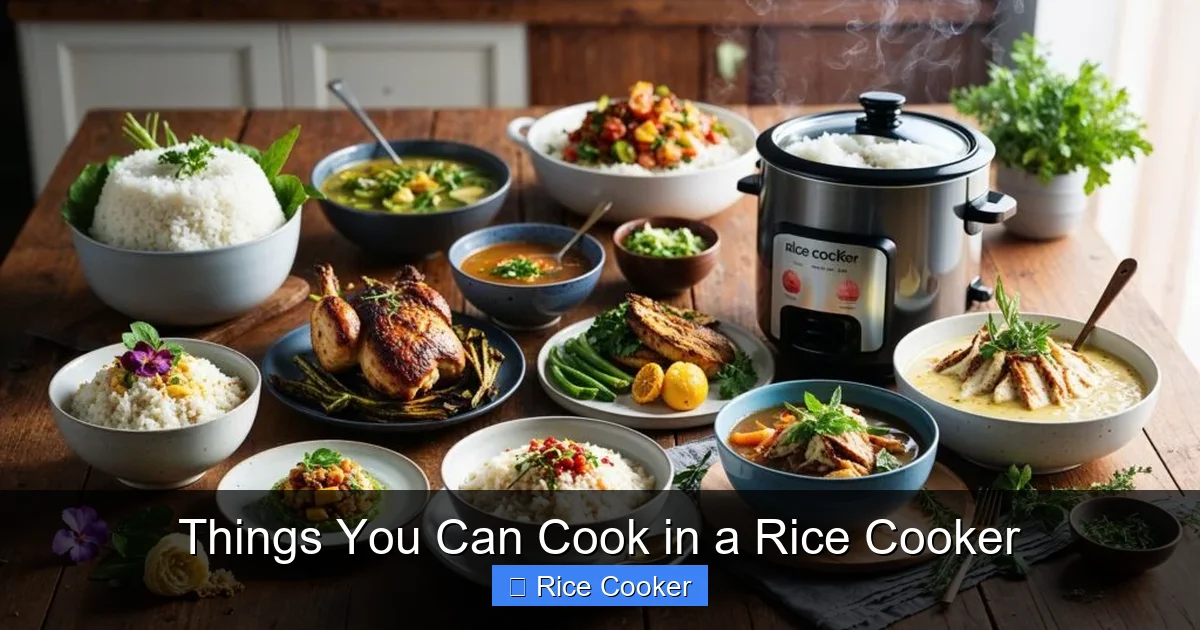
A rice cooker is far more than just a device for cooking rice. This versatile kitchen appliance can prepare everything from fluffy oatmeal and creamy soups to juicy meats and soft-baked cakes. With the right techniques, your rice cooker becomes an all-in-one cooking powerhouse that saves time, energy, and cleanup.
Key Takeaways
- Beyond Rice: Your rice cooker can cook grains like quinoa, barley, and millet, plus oats, pasta, and even steamed vegetables.
- Meat & Protein Magic: You can braise chicken, simmer beef stews, or steam fish—all with consistent heat and moisture control.
- Soups & Stews: Creamy bisques, hearty lentil soups, and slow-cooked beans are perfect for rice cooker use.
- Baking Made Easy: Steamed cakes, breads, and even cookies can be made using the steam or bake functions.
- One-Pot Meals: Combine rice with proteins and veggies for complete meals without dirtying multiple pans.
- Energy Efficient: Rice cookers use less electricity than ovens or stovetops, making them eco-friendly.
- Cleanup Is Simple: Most parts are dishwasher-safe, and you avoid the mess of traditional cooking methods.
Quick Answers to Common Questions
Can I cook pasta in a rice cooker?
Yes! Add dried pasta and water (2:1 ratio), cover, and cook for 10–12 minutes. Stir occasionally to prevent sticking. It’s perfect for small batches without boiling a full kettle.
Is it safe to cook meat in a rice cooker?
Absolutely. The sealed environment keeps meat moist and ensures even cooking. Braise chicken, simmer beef, or steam fish—just use enough liquid and monitor cook time.
Can I bake a cake in a rice cooker?
Yes, on models with a “bake” function or using the “warm” setting. Mix batter, pour into a greased pot, cover, and cook for 45–50 minutes. Results are denser and moister than oven cakes.
How do I clean my rice cooker?
Unplug and unplug the rice cooker. Wash the inner pot and removable parts in warm, soapy water or the dishwasher (check manufacturer instructions). Wipe the lid and exterior with a damp cloth.
Can I cook frozen foods in a rice cooker?
It’s not recommended. Frozen foods can create uneven cooking and may damage the heating element. Thaw or partially defrost ingredients before cooking.
📑 Table of Contents
- Introduction: The Unsung Kitchen Hero
- Grains Beyond White Rice: Expand Your Staples
- Soups, Stews, and Sauces: Liquid Gold in a Rice Cooker
- Meat, Poultry, and Fish: Tender Proteins Without the Grill
- Vegetables and Side Dishes: Steaming Power
- Baking and Desserts: Yes, Cake Too!
- Tips for Success: Mastering Your Rice Cooker
- Conclusion: Your All-in-One Cooking Companion
Introduction: The Unsung Kitchen Hero
Have you ever stood in front of your open oven, wondering if there’s an easier way to make dinner? Or maybe you’re tired of juggling multiple pots on the stove while trying to keep everything from burning? If so, it’s time to give your rice cooker the credit it deserves. While most people think of rice cookers as glorified rice makers, these humble appliances are actually incredibly versatile kitchen workhorses.
Modern rice cookers come with programmable settings, keep-warm functions, and even steam baskets that open up a world of possibilities. Whether you’re cooking for one or feeding a family, the rice cooker can handle it all—from breakfast to dessert—with minimal supervision. In this article, we’ll explore things you can cook in a rice cooker that go far beyond the usual cup of rice.
Grains Beyond White Rice: Expand Your Staples
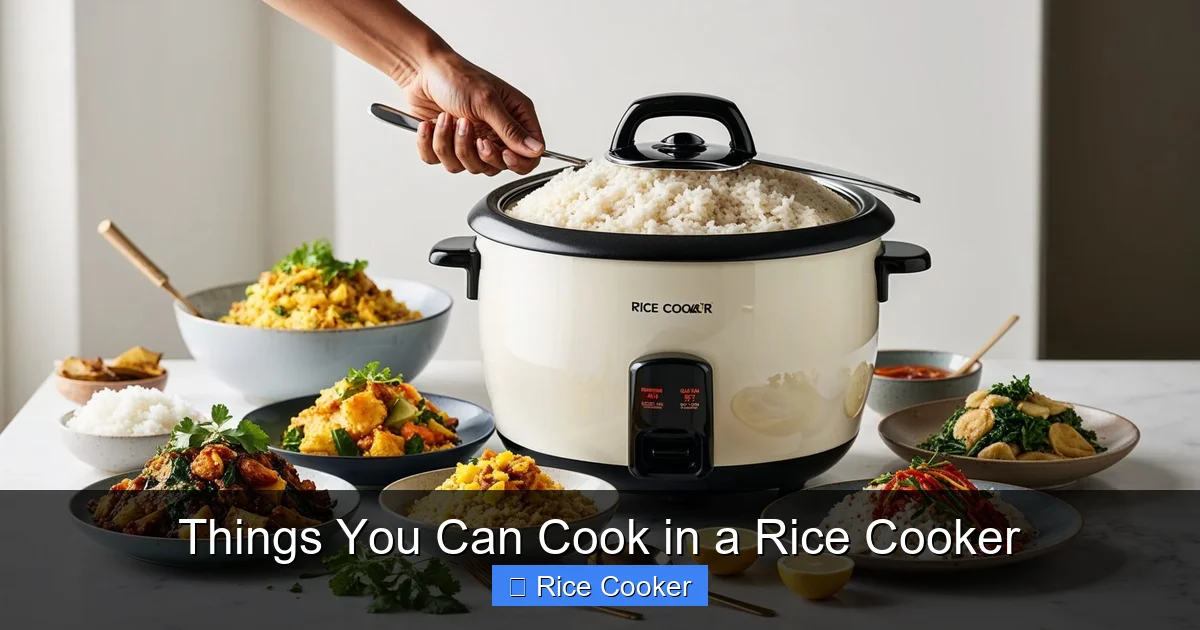
If you’ve only ever used your rice cooker for plain white rice, you’re missing out on a whole universe of flavors and nutrients. Many grains cook beautifully in a rice cooker, requiring similar timing and technique. Here’s how to get started:
Visual guide about Things You Can Cook in a Rice Cooker
Image source: toolsofkitchen.com
Cooking Quinoa Perfection
Quinoa is a superfood grain packed with protein and fiber, but it needs careful water-to-grain ratios to avoid mushiness. For every 1 cup of quinoa, use 2 cups of water or broth. Rinse the quinoa first to remove its natural coating (saponin), which can taste bitter. Add it to the rice cooker with your liquid, switch it to “cook,” and wait about 15–18 minutes. The result? Fluffy, golden quinoa that holds its shape and absorbs flavors beautifully.
Pro tip: Toast quinoa in a dry pan for 2–3 minutes before adding liquid for deeper nutty flavor. It’s especially delicious in grain bowls with roasted veggies and tahini dressing.
Barley That Cooks Like Magic
Jewel-toned pearl barley is another excellent candidate for your rice cooker. Use a 2:1 ratio of water to barley (e.g., 2 cups water to 1 cup barley). Unlike on the stovetop, where barley can take over an hour, your rice cooker will do it in about 45–60 minutes with consistent heat. The result is tender, chewy barley perfect for soups, salads, or side dishes.
Try this: Cook barley with diced carrots, celery, and thyme for a comforting side dish. Or blend it into a risotto-like texture by adding hot broth slowly during the last 10 minutes—your rice cooker can simulate this with its “slow cook” setting.
Steel-Cut Oats for Breakfast, No Stirring Required
Who says oatmeal has to boil on the stove? Steel-cut oats can be cooked in your rice cooker for a creamy, hands-off breakfast. Use a 4:1 ratio of liquid to oats (water, milk, or both). Set the timer for 20–30 minutes. The oats will soften gradually and absorb all the liquid, leaving you with thick, porridge-like oats.
Add-ins like cinnamon, chopped apples, or nuts can be stirred in after cooking. Top with fresh berries and a drizzle of honey for a restaurant-quality breakfast.
Rice Varieties: Brown, Black, Red, and Wild
While white rice cooks quickly, other grains need longer soaking and cooking times. Brown rice, for example, benefits from a 10-minute soak before cooking. Use a 1.5:1 water-to-rice ratio and cook for about 45 minutes. Black rice and red rice require even more patience—up to 50–60 minutes—but yield stunning, nutrient-rich results.
Wild rice is trickier due to its long strands, but it can be cooked in a rice cooker if you rinse it well and use extra water (about 4 cups per cup of wild rice). Be prepared for a longer cook time—around 50 minutes.
Pasta Perfection (Yes, Really!)
You can actually cook pasta in a rice cooker—no boiling water needed! Add dried pasta to the cooker, cover with water (use a 2:1 ratio of water to pasta), and set to “cook.” After 10 minutes, stir and continue cooking for another 8–12 minutes until al dente. Drain any excess water if desired.
This method works best with short pasta like penne or rigatoni. It’s great for making small batches or when you don’t want to fill up the kettle. Just remember to stir occasionally to prevent sticking.
Soups, Stews, and Sauces: Liquid Gold in a Rice Cooker
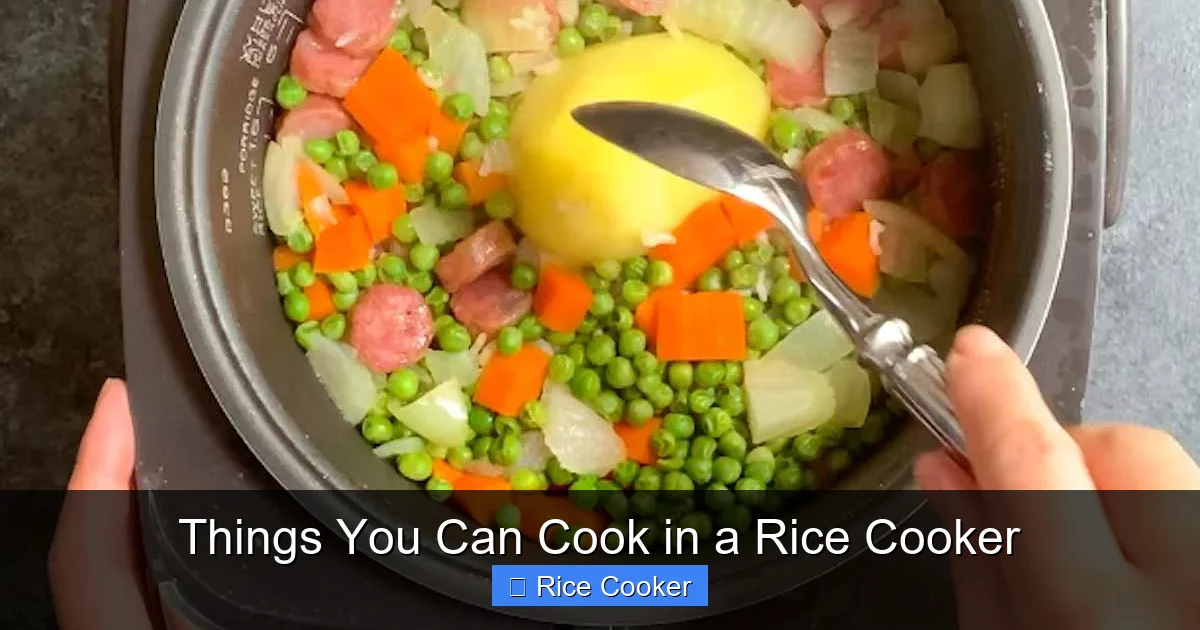
One of the greatest hidden talents of the rice cooker is its ability to gently simmer liquids without scorching. This makes it ideal for soups, stews, and sauces that require low-and-slow cooking. The sealed lid traps steam and maintains consistent temperature, ensuring even heat distribution.
Visual guide about Things You Can Cook in a Rice Cooker
Image source: izzycooking.com
Hearty Lentil Soup in Minutes
Lentils cook quickly, but they benefit from longer simmering to develop deep flavor. Combine 1 cup green or brown lentils with 3 cups vegetable or chicken broth, diced tomatoes, onions, carrots, and bay leaves. Set the rice cooker to “cook” for 30–40 minutes. The result is a thick, flavorful soup that’s ready to serve with crusty bread.
For extra creaminess, blend half the soup before serving. You can also add spinach, kale, or herbs at the end for freshness.
Creamy Tomato Basil Soup
Tomatoes and basil shine when cooked slowly. Sauté onions and garlic in olive oil, then add crushed tomatoes, vegetable broth, sugar, salt, and fresh basil. Let it cook on “warm” or “cook” for 30 minutes. Use an immersion blender to puree the soup until smooth. Garnish with a swirl of heavy cream and a basil leaf.
This method avoids the need for a separate pot and blender—everything goes in one container.
Chicken and Rice Soup: The Ultimate Comfort Dish
This classic soup comes together effortlessly in a rice cooker. Start by browning chicken breasts or thighs with onions and garlic. Add rice, chicken broth, carrots, celery, and seasonings. Cook on “cook” for 45–60 minutes. Shred the chicken before serving and return it to the pot.
The rice cooks simultaneously with the soup, making it a complete meal in one pot. Leftovers taste even better the next day!
Beef Stew with Tender Veggies
For a rich beef stew, sear chunks of beef chuck with onions and carrots. Add potatoes, celery, tomato paste, beef broth, and herbs. Cook on “slow cook” or “keep warm” for 2–3 hours. The long cook time breaks down connective tissue, yielding tender meat and perfectly cooked vegetables.
Serve with crusty bread or over mashed potatoes for a filling dinner.
Meat, Poultry, and Fish: Tender Proteins Without the Grill
Your rice cooker isn’t just for grains and liquids—it’s also a fantastic tool for preparing proteins. The moist, enclosed environment keeps meat juicy and flavorful, whether you’re braising chicken or steaming delicate fish.
Braised Chicken Thighs with Herbs
Place chicken thighs skin-side up in the rice cooker with onion slices, garlic, thyme, rosemary, and a splash of white wine or broth. Cook on “cook” for 30–40 minutes. The fat renders beautifully, and the skin turns crispy while the meat stays tender.
Serve with rice or mashed potatoes. The pan juices make a delicious sauce—just skim off excess fat and reduce over low heat.
Honey-Glazed Ham
Pre-cooked ham can be reheated and glazed in the rice cooker. Place ham in the inner pot with orange juice, brown sugar, cloves, and a bit of mustard. Cook on “warm” or “cook” for 20–30 minutes, basting occasionally. The result is a glossy, sweet ham perfect for holidays or family dinners.
Steamed Whole Fish
Delicate fish like salmon, cod, or tilapia cook beautifully under steam. Line the bottom of the rice cooker with parchment paper or foil. Place fish fillets on top, season with lemon slices, dill, and a sprinkle of salt. Add 1 cup of water to the inner pot, close the lid, and set to “steam” or “cook” for 10–15 minutes (depending on thickness).
The fish flakes easily and retains its moisture. Serve with a squeeze of lemon and steamed vegetables.
Pulled Pork Tacos
Slow-cook pork shoulder with lime juice, cumin, chili powder, and onions. Set the rice cooker to “keep warm” or “slow cook” for 3–4 hours until the meat shreds easily. Mix with salsa and serve in tortillas with cabbage slaw and avocado.
Make a double batch and freeze portions for quick weeknight meals.
Vegetables and Side Dishes: Steaming Power
Many vegetables can be steamed in the rice cooker using the built-in steam tray. This method preserves nutrients and keeps veggies crisp-tender. Steam broccoli, cauliflower, carrots, green beans, or Brussels sprouts for 8–12 minutes. Toss with olive oil, salt, and lemon juice for a simple side.
Sweet Potato Mash
Boil sweet potato cubes in the rice cooker with a bit of water for 20 minutes. Mash with butter, milk, and cinnamon for a naturally sweet side dish. Add roasted garlic for extra flavor.
Roasted Root Vegetables
For a twist, toss cubed carrots, parsnips, and beets with olive oil, salt, and thyme. Spread in a single layer on the steam tray or inside the pot. Cook on “cook” or “steam” for 25–30 minutes, stirring halfway. The result is caramelized, tender vegetables with deep flavor.
Baking and Desserts: Yes, Cake Too!
Surprisingly, some desserts can be baked in a rice cooker using the “bake” function (on models that have it) or by simulating baking with the “warm” setting. These recipes rely on steam rather than dry heat, resulting in soft, moist cakes.
Chocolate Rice Cooker Mug Cake
Mix 1/4 cup flour, 2 tbsp sugar, 2 tbsp cocoa, 1/4 tsp baking powder, 1/4 cup milk, and 1 tsp oil in a microwave-safe mug. Microwave for 1 minute. For a rice cooker version, transfer the mix to a greased inner pot and cover with a lid. Cook on “warm” for 20–25 minutes, checking occasionally. The cake will rise slightly and stay fudgy.
Banana Bread
Mash 2 ripe bananas with 1/3 cup sugar, 1 egg, 1/3 cup oil, and 1 cup flour. Add a pinch of baking soda and cinnamon. Pour into a greased pot and cover. Cook on “warm” for 45–50 minutes. The bread will be dense but moist, with a custard-like texture.
Steamed Custard
Whisk 2 eggs, 1/2 cup sugar, 1 cup milk, and vanilla extract. Pour into a heatproof dish placed inside the rice cooker with hot water (water bath method). Cover and cook on “steam” or “warm” for 30–40 minutes. The custard will be silky and rich.
Tips for Success: Mastering Your Rice Cooker
Even though your rice cooker is easy to use, a few tricks can make a big difference in the final result.
- Use the Right Water Ratio: Always follow recommended water-to-ingredient ratios. Too much water = mush; too little = burnt bottom.
- Don’t Open the Lid: Resist the urge to peek. Each time you lift the lid, heat escapes, disrupting the cooking process.
- Preheat for Baking: For cakes or breads, preheat the rice cooker for 5 minutes before adding batter.
- Use a Steamer Basket: Keep ingredients separate from liquids when possible to avoid dilution.
- Clean Immediately: Wipe the inside and lid after each use to prevent residue buildup.
Conclusion: Your All-in-One Cooking Companion
From breakfast oats to dinner stews and dessert cakes, your rice cooker is capable of so much more than just rice. Its simplicity, efficiency, and consistency make it an ideal tool for busy households, dorm rooms, or anyone looking to simplify their cooking routine. By experimenting with different ingredients and techniques, you’ll discover endless ways to use this unassuming appliance.
Whether you’re cooking grains, simmering soups, or baking treats, the rice cooker delivers reliable results with minimal effort. So next time you reach for your pot and pan, consider giving your rice cooker a try—it might just become your new favorite kitchen gadget.
Frequently Asked Questions
Can I cook quinoa in a rice cooker?
Yes, quinoa cooks perfectly in a rice cooker. Rinse it first, then use a 2:1 water-to-quinoa ratio and cook for 15–18 minutes. The result is fluffy and nutritious.
What types of rice work best in a rice cooker?
All types of rice—white, brown, black, red, and wild—can be cooked in a rice cooker. Adjust water ratios and cook times accordingly, with brown and wild rice needing longer times.
Can I make soup in a rice cooker?
Definitely. The rice cooker’s sealed lid allows liquids to simmer gently without scorching. Try lentil soup, chicken noodle, or tomato basil for easy, flavorful meals.
Is it okay to cook meat and rice together?
Yes, combining rice with meat and vegetables creates a complete one-pot meal. Just ensure the liquid covers the rice and adjust cook time as needed.
Can I use my rice cooker to bake bread?
Some models allow basic baking using the “warm” function. Banana bread and mug cakes work well, though results differ from oven-baked versions—expect a denser, steamed texture.
Do I need to soak grains before cooking in a rice cooker?
Not always, but soaking shortens cook time and improves texture. Brown rice and barley benefit from a 10–15 minute soak before cooking.