
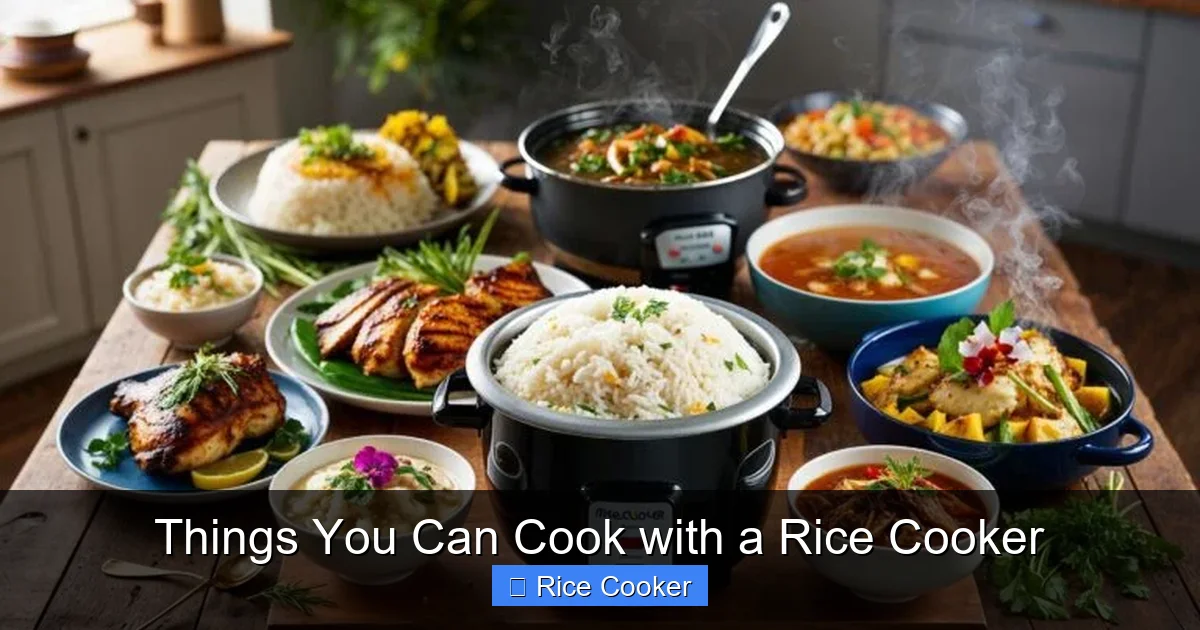
Your rice cooker is more than just a rice-making machine. From fluffy oats to savory stews and even desserts, this handy appliance can do so much more. Unlock its full potential with these easy, delicious ideas.
You’ve probably used your rice cooker dozens of times — maybe even hundreds — to make fluffy white rice, sticky sushi rice, or chewy brown rice. But what if I told you that your trusty kitchen appliance could be doing so much more? Yes, a rice cooker isn’t just for rice. In fact, many modern models come with multiple functions like slow cooking, steaming, and even baking.
Whether you’re short on time, trying to eat healthier, or just looking to save energy, your rice cooker is a surprisingly powerful tool. With a little creativity, you can use it to prepare everything from hearty breakfasts to comforting soups and even sweet desserts. No fancy equipment needed — just your imagination and a simple plug.
In this article, we’ll explore the wide world of things you can cook with a rice cooker. You’ll discover new recipes, learn helpful tips, and unlock the hidden potential of this kitchen workhorse. So grab your measuring cup and let’s get cooking!
Key Takeaways
- Versatility: Beyond white rice, a rice cooker can steam vegetables, cook grains, bake bread, and make one-pot meals.
- Time-saving: Set it and forget it — perfect for busy mornings or weeknight dinners.
- Energy-efficient: Uses less electricity than ovens or stovetops for many tasks.
- Easy cleanup: Most parts are removable and dishwasher-safe.
- Healthy cooking: Great for steaming, boiling, and low-fat meal prep.
- Creative baking: You can make cakes, pancakes, and even cookies in some models.
- Consistent results: Built-in sensors ensure perfectly cooked food every time.
Quick Answers to Common Questions
Can you bake bread in a rice cooker?
Yes, you can bake bread in a rice cooker using the same method as baking cakes. Mix your dough, place it in the greased inner pot, and cook on the “white rice” setting for 30–40 minutes. Some models even have a dedicated “bake” function.
Is it safe to cook soup in a rice cooker?
Yes, but only for certain types of soups. Avoid very thin broths or those with large amounts of liquid. Use a trivet to keep ingredients above the water level and stir occasionally to prevent sticking.
Do I need special cookware for my rice cooker?
No, the inner pot that comes with your rice cooker is designed specifically for it. Never use metal utensils that can scratch the non-stick surface. Stick to silicone, wood, or plastic tools.
Can I cook meat in a rice cooker?
Absolutely. Brown meat first in a pan, then transfer it to the rice cooker with rice, broth, and vegetables. Cook on high for 45–60 minutes until meat is tender and fully cooked.
How do I clean a rice cooker?
Turn off and unplug the unit. Wait for it to cool, then remove the inner pot and wipe the exterior with a damp cloth. The inner pot is often dishwasher-safe. For stubborn stains, soak in warm, soapy water.
📑 Table of Contents
Beyond White Rice: The Surprising Versatility of a Rice Cooker
Most people think of a rice cooker as a single-purpose gadget. But in reality, it’s one of the most underutilized appliances in the kitchen. Thanks to its precise temperature control and automatic shut-off feature, a rice cooker can mimic the functions of a slow cooker, steamer, or even a small oven — all in one compact device.
From cooking quinoa and millet to making jambalaya and risotto, the rice cooker adapts to a variety of ingredients and techniques. And because it’s designed to maintain consistent heat, your food comes out evenly cooked every time. Whether you’re a college student living in a dorm or a busy parent juggling work and family, learning how to cook with a rice cooker opens up a whole new world of convenience.
Plus, cleaning is a breeze. Many models have non-stick inner pots that can go straight into the dishwasher. No more scrubbing burnt-on food or wrestling with tough-to-clean pots. That means you spend less time cleaning and more time enjoying your meals.
Cooking Grains and Legumes
One of the easiest ways to expand your rice cooker’s use is by cooking other grains and legumes. These staples are not only nutritious but also incredibly versatile. Here’s how to get started:
– **Quinoa**: Rinse 1 cup of quinoa under cold water, then add 2 cups of water or broth. Set the cooker to “grain” mode (if available) or the standard white rice setting. Cook for about 15–18 minutes.
– **Oats**: Use a 1:2 ratio of oats to liquid (water or milk). Cook on the “porridge” or “white rice” setting. Stir once halfway through.
– **Barley**: Requires longer cooking time — around 45–60 minutes. Add 1 cup barley to 3 cups liquid.
– **Lentils**: Rinse red lentils, add them with 3 cups water, and cook for 20–25 minutes until soft.
Pro tip: Always rinse grains before cooking to remove excess starch and prevent clumping. For added flavor, use vegetable or chicken broth instead of plain water.
Making One-Pot Meals
Want a complete dinner with minimal effort? Your rice cooker can handle entire meals in one pot. Think of it as a portable slow cooker with better heat distribution.
Try making:
– **Jambalaya**: Sauté sausage and onions in a pan, then transfer to the rice cooker with rice, tomatoes, and spices. Add broth, stir, and cook for 30–40 minutes.
– **Chicken and Rice**: Brown chicken thighs, add rice, broth, carrots, and celery. Cover and cook for 45 minutes on high.
– **Vegetable Curry**: Sauté onions and garlic, add coconut milk, diced veggies, and rice. Season with curry powder and chili. Cook for 30 minutes.
These meals cook hands-off, so you can relax while dinner simmers. Plus, they’re perfect for meal prepping — portion into containers and reheat for lunch the next day.
Steaming Vegetables and Seafood
Many rice cookers come with a built-in steamer tray, which makes preparing healthy sides a snap. Steaming preserves nutrients and keeps flavors light and fresh.
Here’s how to steam effectively:
– Place the steamer basket over the inner pot filled with a few inches of water.
– Arrange vegetables like broccoli, cauliflower, or green beans in a single layer.
– Cover and set the cooker to “steam” mode, or use the standard setting for 10–15 minutes.
– For seafood, add shrimp or fish fillets during the last 5 minutes of cooking.
Steam eggs too! Crack eggs into a small bowl, cover with plastic wrap, and place in the steamer. Cook for 10–12 minutes for soft-boiled eggs.
Baking Cakes and Desserts
Yes, you read that right — you can bake cakes in a rice cooker. It’s easier than you think and produces surprisingly moist results.
Here’s a simple chocolate cake recipe:
– Whisk together 1 cup flour, ½ cup sugar, ¼ cup cocoa powder, 1 tsp baking powder, and a pinch of salt.
– Add ¾ cup milk, 2 tbsp oil, and 1 tsp vanilla. Mix until smooth.
– Grease the inner pot and pour in the batter.
– Cook on the “cake” setting (if available), or use the “white rice” setting for 30–40 minutes.
Check doneness with a toothpick — if it comes out clean, it’s ready. Let cool slightly before flipping onto a plate.
You can also make banana bread, muffins, or even cheesecake layers in your rice cooker. Just make sure the batter doesn’t overflow when rising.
Cooking Soups and Stews
While rice cookers aren’t as common for soup as slow cookers, they work surprisingly well for certain types of stews and soups. The key is to avoid adding too much liquid and to stir occasionally to prevent sticking.
Try making:
– **Minestrone Soup**: Combine tomatoes, beans, pasta, carrots, and kale with vegetable broth. Cook for 40–50 minutes.
– **Beef and Barley Stew**: Brown beef, add barley, onions, and broth. Simmer for 60 minutes until tender.
– **Rice Porridge (Congee)**: A traditional Asian comfort food made by simmering rice and water (or broth) for hours until thick and creamy. Perfect for sick days or cold weather.
Use a trivet or rack to keep ingredients above the bottom of the pot to prevent burning.
Preparing Breakfast Dishes
Start your day right with a hot, ready-made breakfast from your rice cooker. No need to stand over a stove or wait for the toaster.
– **Overnight Oats (in a jar)**: Layer oats, milk, yogurt, and fruit in a mason jar. Seal and refrigerate overnight. In the morning, microwave for 2 minutes or add hot water and cook in the rice cooker for 10 minutes.
– **Scrambled Eggs**: Whisk eggs with salt and pepper, pour into a greased pot, and cover. Cook on low for 15–20 minutes, stirring once.
– **Pancake in a Mug**: Mix 1 egg, ½ cup flour, ½ cup milk, and a pinch of cinnamon. Cook in the rice cooker for 10–12 minutes. Top with maple syrup.
These dishes are quick, customizable, and perfect for lazy weekends.
Tips for Maximizing Your Rice Cooker’s Potential
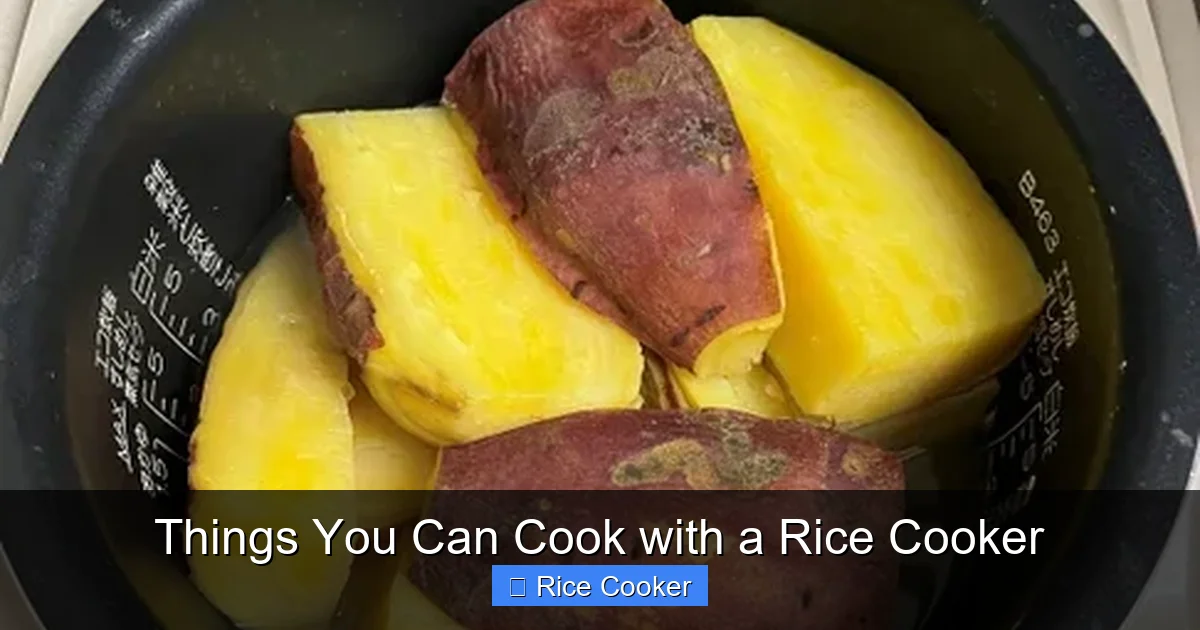
Visual guide about Things You Can Cook with a Rice Cooker
Image source: cdn.shopify.com
To get the most out of your rice cooker, keep these expert tips in mind:
– **Use the right amount of liquid**: Too much water can make food mushy; too little can burn. Follow recipe ratios carefully.
– **Preheat the cooker**: For baking, preheat for 2–3 minutes before adding batter.
– **Avoid overfilling**: Don’t fill past the max line — this prevents overflow and ensures even cooking.
– **Experiment with textures**: Adjust cooking time for firmer or softer results.
– **Clean immediately after use**: Wipe the exterior and rinse the inner pot while warm.
With practice, you’ll develop a feel for how your specific model works. Every rice cooker is a little different, so don’t be afraid to tweak recipes.
Common Mistakes to Avoid
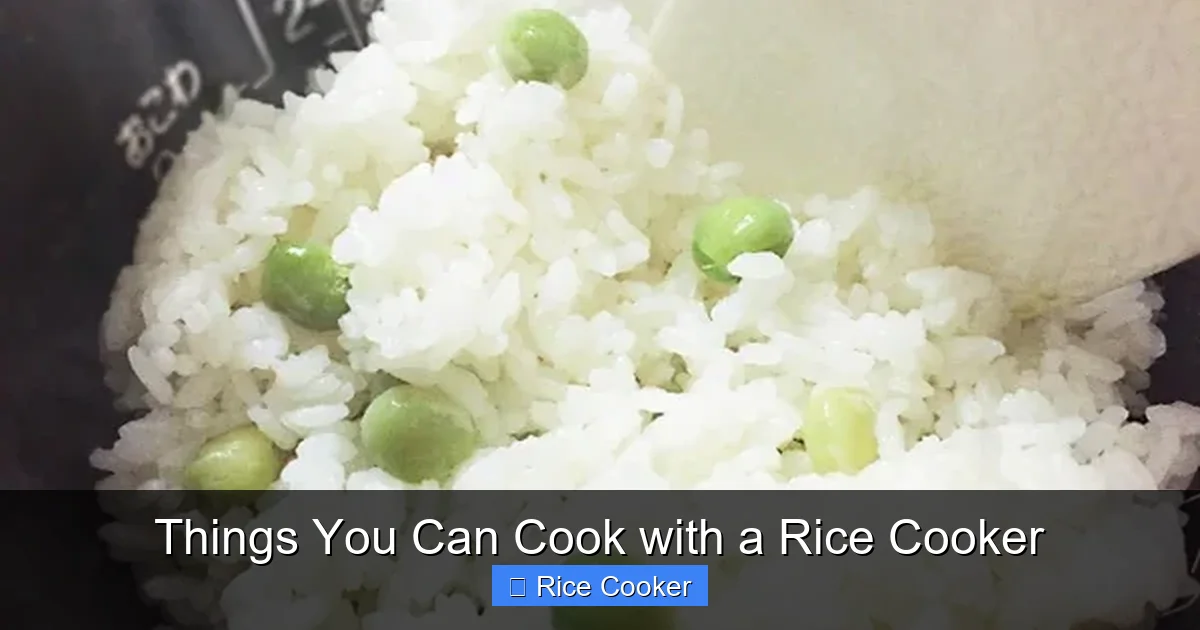
Visual guide about Things You Can Cook with a Rice Cooker
Image source: cdn.shopify.com
Even experienced cooks can run into trouble. Here are some common pitfalls and how to fix them:
– **Food sticking to the bottom**: This usually happens when there’s not enough liquid or the pot isn’t greased. Always use a non-stick pot and add enough liquid.
– **Undercooked food**: Check the manufacturer’s guide for recommended times. Some models need longer cooking periods.
– **Batter overflowing**: When baking, don’t fill the pot more than halfway. Use a taller container if possible.
– **Unpleasant odors**: Clean the inner pot thoroughly after each use. Vinegar and water can help remove lingering smells.
If your rice cooker starts smoking or making strange noises, unplug it immediately and check for blockages or damaged parts.
Final Thoughts: Your Rice Cooker Is a Kitchen Superhero
At first glance, a rice cooker might seem limited to making rice. But with a little creativity, it becomes a multitasking powerhouse. Whether you’re cooking grains, steaming veggies, baking a cake, or whipping up a one-pot dinner, this appliance delivers consistent, delicious results with minimal effort.
Not only does it save time and energy, but it also reduces the number of dirty pots and pans you need. That’s a win for both your kitchen and your schedule.
So next time you reach for your rice cooker, remember — it’s capable of so much more. Open the lid, close your eyes, and imagine the possibilities. Then go ahead — make something amazing.
Frequently Asked Questions
Can you cook pasta in a rice cooker?
Yes, you can cook pasta in a rice cooker. Use a 1:2 ratio of pasta to water, add salt, and cook for 8–12 minutes depending on the type. Stir halfway through to prevent sticking.
What’s the best way to make oatmeal in a rice cooker?
Use a 1:2 ratio of oats to water or milk. Cook on the “white rice” setting for 15–20 minutes, stirring once. Add toppings like nuts, fruit, or honey after cooking.
Can a rice cooker replace a slow cooker?
Not entirely, but it can handle many similar tasks. Rice cookers cook faster and have better heat control, but slow cookers are better for long, low-temperature cooking. Use the rice cooker for quicker meals and the slow cooker for braises and stews.
How do I prevent my rice cooker from burning food?
Always use enough liquid, grease the pot if cooking non-rice items, and avoid overcrowding. Stirring halfway through helps prevent scorching, especially with grains or meats.
Are rice cookers good for meal prepping?
Yes, absolutely. Cook a batch of rice, grains, or one-pot meals at the start of the week. Store in airtight containers and reheat quickly for fast, healthy lunches or dinners.
Can I cook frozen vegetables in a rice cooker?
Yes, but add them during the last 5–10 minutes of cooking. They’ll thaw and steam without overcooking. Avoid using very large or dense frozen vegetables like corn on the cob.