
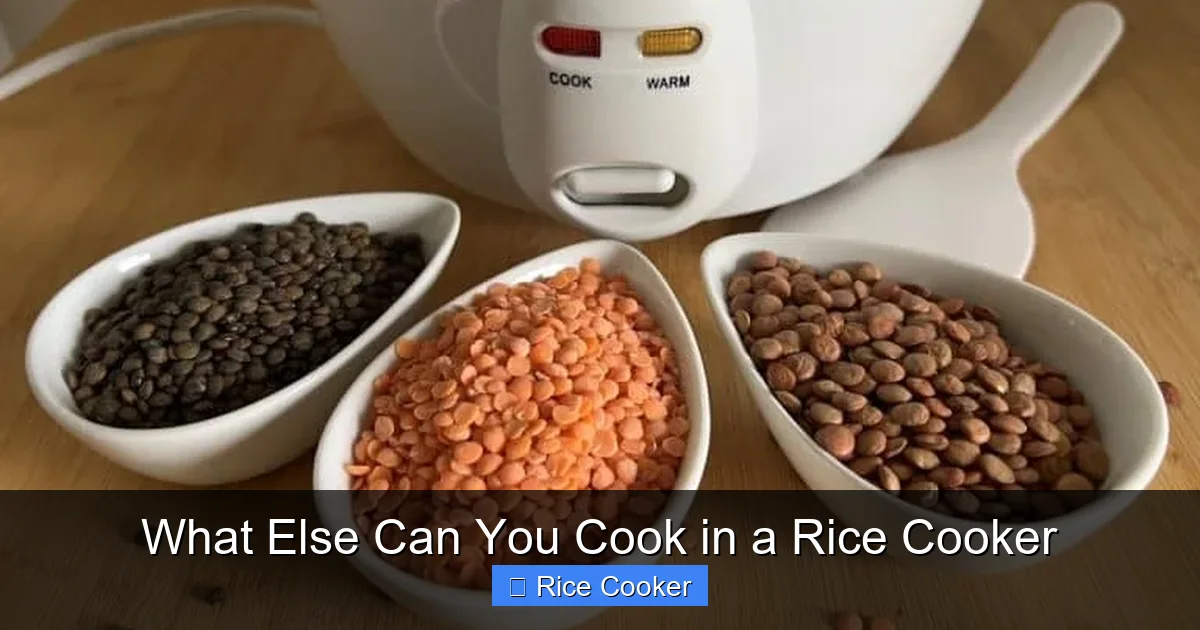
Rice cookers do so much more than cook rice. From fluffy oatmeal and steamed vegetables to tender chicken and even desserts, this versatile kitchen tool is a hidden multitasker. With the right techniques, you can save time, reduce cleanup, and enjoy delicious homemade meals effortlessly. Unlock the full potential of your rice cooker today!
Key Takeaways
- Beyond Rice: A rice cooker can cook grains, legumes, vegetables, meats, soups, and even desserts with minimal effort.
- One-Pot Convenience: Many dishes require no stirring or monitoring, making it ideal for busy lifestyles.
- Energy Efficient: Rice cookers use less electricity than ovens or stovetops, helping save on energy bills.
- Healthy Cooking: Steaming and slow-cooking methods preserve nutrients better than frying or boiling.
- Easy Cleanup: Most parts are non-stick and dishwasher-safe, reducing kitchen mess.
- Beginner-Friendly: Simple controls and automatic shut-off make it perfect for new cooks.
- Space Saver: Compact design fits easily in small kitchens without sacrificing functionality.
Quick Answers to Common Questions
Can you cook pasta in a rice cooker?
Yes! Add pasta and twice the amount of water to the inner pot. Cook on “White Rice” mode for 12–15 minutes, stirring occasionally. Drain excess water before serving.
Is it safe to cook meat in a rice cooker?
Absolutely. Just ensure the internal temperature reaches 165°F for poultry and 145°F for beef. Use a meat thermometer to check.
Do I need special cookware for a rice cooker?
You only need the inner pot that came with it. However, for baking or steaming, use heat-safe glass or ceramic dishes.
Can I make yogurt in a rice cooker?
Yes, if your model has a “Yogurt” setting. Heat milk, cool it, add culture, and let it ferment for 8–12 hours.
Why is my rice cooker food always wet?
Too much liquid or not draining properly after cooking can cause sogginess. Stick to recommended ratios and let it sit before opening.
📑 Table of Contents
What Else Can You Cook in a Rice Cooker?
We’ve all been there—standing in the kitchen, staring at a pot of water, wondering if we really need to boil pasta, roast veggies, or bake a cake. But what if I told you that most of those tasks could be done in the same appliance you already use to make fluffy white rice? That’s right—your rice cooker isn’t just for grains. In fact, with a little creativity and the right recipe, it can become the centerpiece of your kitchen. Whether you’re meal prepping, cooking for picky eaters, or simply looking to simplify dinner, a rice cooker opens up a world of culinary possibilities.
From hearty lentil soups and chewy quinoa bowls to moist chicken thighs and even banana bread, this humble kitchen gadget does more than you think. The secret lies in its ability to maintain consistent heat and moisture—perfect for tenderizing proteins, softening grains, and steaming delicate foods. Plus, many modern rice cookers come with multiple settings like slow cook, steam, and even yogurt fermentation. So whether you’re a college student living off ramen or a home cook aiming for gourmet meals, let’s explore everything you can cook in a rice cooker—beyond the usual rice.
Cooking Grains and Legumes Beyond Rice
While rice is the star of the show, rice cookers are perfectly suited for cooking other whole grains and legumes. These staples are not only nutritious but also incredibly versatile when prepared in a rice cooker.
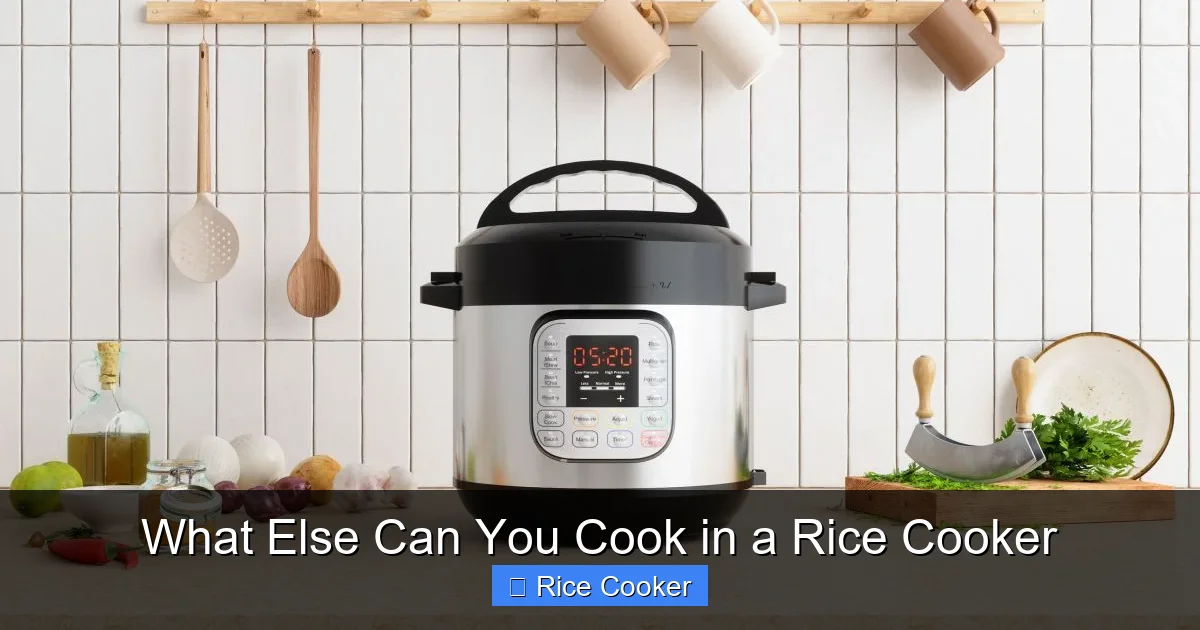
Visual guide about What Else Can You Cook in a Rice Cooker
Image source: storables.com
Quinoa and Millet
Quinoa and millet are gluten-free, high-protein grains that cook quickly in a rice cooker. For every cup of grain, use 2 cups of water (or broth for extra flavor). Simply rinse the grain first to remove any bitterness, add it to the inner pot, and press the “Cook” button. The result? Fluffy, separate grains—perfect for salads, breakfast bowls, or as a side dish.
Lentils and Beans
Dried lentils and beans take longer but benefit greatly from the slow, steady heat of a rice cooker. For lentils, use a 1:2 ratio (1 cup lentils to 2 cups water). For beans, soak them overnight and then cook on the “Slow Cook” setting for 4–6 hours. This method softens tough beans without requiring constant attention.
Oats and Hot Cereals
Forget the stovetop—cooking oats in a rice cooker is hands-off and foolproof. Use a 1:3 ratio (1/4 cup oats to 3/4 cup milk or water). Add a pinch of salt and your favorite toppings like cinnamon, nuts, or fruit. Press “Cook,” walk away, and wake up to a warm, creamy breakfast.
Tips for Perfect Grains:
- Measure accurately: Use the measuring cup that came with your rice cooker for best results.
- Don’t skip rinsing: Rinsing removes excess starch and prevents clumping.
- Let it rest: After cooking, let the grain sit for 5 minutes before fluffing with a fork.
Vegetables and Side Dishes
Steaming vegetables in a rice cooker preserves their color, texture, and nutrients better than boiling. With a steamer basket insert, you can cook a variety of veggies alongside your main dish—no extra pots needed.
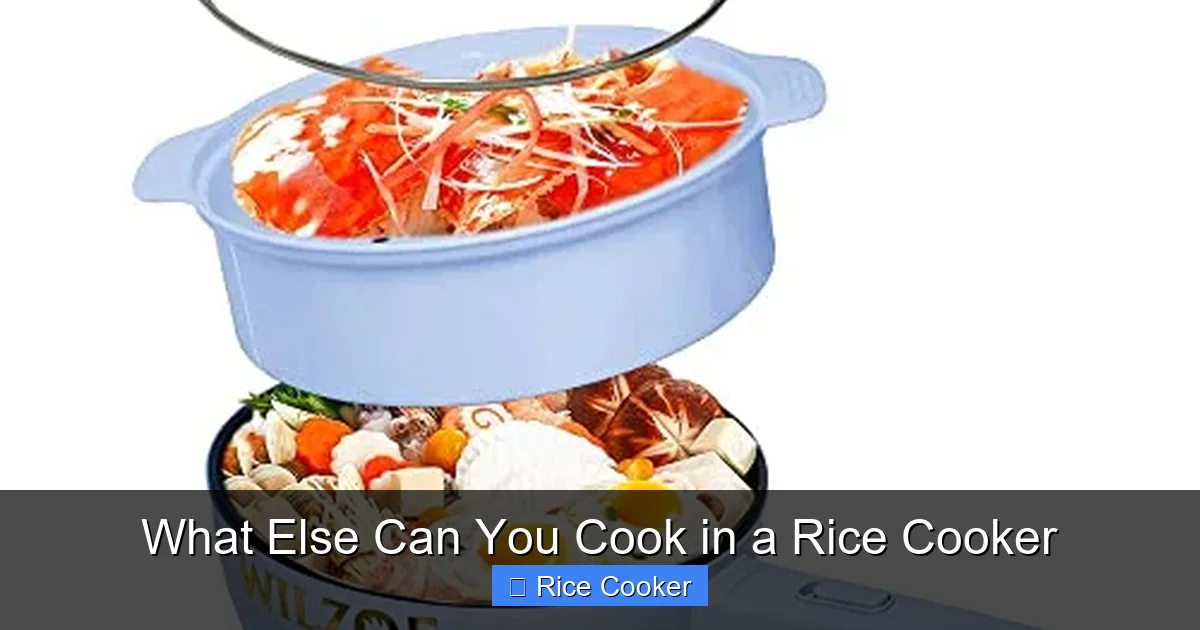
Visual guide about What Else Can You Cook in a Rice Cooker
Image source: m.media-amazon.com
Steamed Broccoli and Carrots
Place chopped broccoli and carrots in the steamer basket. Add 1 cup of water to the inner pot, cover, and set to “Steam.” Cook for 8–10 minutes until tender-crisp. Season with lemon juice, garlic powder, or a sprinkle of Parmesan.
Mashed Potatoes
Peel and cube potatoes. Add them to the inner pot with enough water to cover. Cook on “White Rice” mode for 25–30 minutes. Once soft, drain and mash directly in the pot with butter and milk for creamy, easy mashed potatoes.
Roasted Sweet Potatoes
Cut sweet potatoes into chunks, toss with olive oil, salt, and paprika. Place on a greased tray inside the rice cooker (use a trivet if needed). Cook on “Brown Rice” mode for 45–50 minutes. The result? Caramelized edges with tender insides—like oven-roasted potatoes, but with less cleanup.
Green Bean Casserole (Without Fried Onions)
Sauté mushrooms and onions in a pan, then transfer to the rice cooker with green beans and cream of mushroom soup. Add milk to thin. Cook on “Slow Cook” for 3–4 hours. Top with fresh crispy onions before serving.
Tips for Vegetable Success:
- Use a trivet: Prevents food from touching the water and keeps things separate.
- Cut evenly: Uniform pieces cook more evenly.
- Add herbs early: Toss in thyme or rosemary during cooking for deep flavor.
Proteins: Tender Meats and Eggs
Yes, you can cook meat and eggs in a rice cooker—and they turn out surprisingly juicy and flavorful. The sealed environment locks in moisture, making it ideal for lean cuts and delicate proteins.
Chicken Thighs and Breasts
Season chicken thighs or breasts with salt, pepper, garlic, and a splash of soy sauce. Place them in the inner pot (no water needed if using the “Slow Cook” setting). Cook on “Slow Cook” for 3–4 hours until internal temperature reaches 165°F. The result is fall-off-the-bone tenderness.
Pulled Pork
Combine pork shoulder, BBQ sauce, apple cider vinegar, and spices in the rice cooker. Cook on “Slow Cook” for 6–8 hours. Shred the meat with two forks and serve on buns or over rice. It’s restaurant-quality with zero babysitting.
Hard-Boiled Eggs
Place eggs in the inner pot. Add water just below the eggs. Set to “Cook” for 15–18 minutes. Let cool in the water for 10 minutes, then peel. Perfect for meal prep or snacks.
Scrambled Eggs
Crack eggs into a bowl, whisk with milk and salt. Pour into the inner pot. Cover and cook on “Keep Warm” for 10–12 minutes, stirring halfway. Creamy, custard-like eggs—no stovetop required.
Tips for Protein Perfection:
- Use a trivet or rack: Keeps meat above liquid to avoid sogginess.
- Don’t overcrowd: Cook in batches if needed for even cooking.
- Check internal temp: Use a meat thermometer to ensure safety.
Soups, Stews, and One-Pot Meals
A rice cooker is essentially a programmable slow cooker. Its ability to hold steady heat makes it ideal for simmering soups and stews without boiling over or burning.
Hearty Lentil Soup
Sauté onions, carrots, and celery in a bit of oil. Transfer to the rice cooker with red lentils, vegetable broth, tomatoes, and cumin. Cook on “Slow Cook” for 2–3 hours. Blend slightly for a creamy texture or leave chunky.
Beef and Barley Stew
Browning meat beforehand adds depth. Sear beef chunks, then add them back with barley, beef broth, and root vegetables. Slow cook for 4–5 hours until barley is tender and flavors meld.
Chicken Noodle Soup
Simmer chicken, carrots, celery, onion, and egg noodles in broth. Cook on “Slow Cook” for 3–4 hours. Shred chicken during the last hour. Freeze portions for quick lunches later.
Tomato Basil Soup
Simmer canned tomatoes, onion, garlic, and fresh basil with vegetable broth. Blend until smooth. Reheat on “Keep Warm” before serving with crusty bread.
Tips for Soups and Stews:
- Layer flavors: Sauté aromatics first for richer taste.
- Add liquids carefully: Too little = dry; too much = watery. Start with 4–6 cups per recipe.
- Thicken if needed: Stir in flour or cornstarch slurry during cooking.
Desserts and Baked Goods
Believe it or not, your rice cooker can make desserts—yes, really. From cakes to puddings to cookies, the even heat distribution helps create moist, tender treats without a conventional oven.
Banana Bread
Mash ripe bananas, mix with eggs, sugar, flour, baking soda, and vanilla. Pour into a greased pan inside the rice cooker. Cook on “Brown Rice” mode for 50–60 minutes. Test with a toothpick—it should come out clean.
Pudding and Custards
Mix milk, sugar, cornstarch, and egg yolks. Whisk until smooth. Cook on “Keep Warm” for 15–20 minutes, stirring constantly. The residual heat thickens it into a silky pudding. Chill before serving.
Fruit Cobbler
Toss sliced peaches or berries with sugar and cinnamon. In another bowl, mix flour, sugar, and butter for the topping. Layer fruit and topping in the inner pot. Cook on “Brown Rice” for 40–50 minutes. Serve warm with ice cream.
Chocolate Cake
Prepare a boxed cake mix according to instructions, adding an extra egg or sour cream for moisture. Pour into a greased pan and place inside the rice cooker. Cook on “White Rice” for 55–65 minutes. Frost once cooled.
Tips for Dessert Success:
- Use a heat-safe pan: Glass or ceramic works best.
- Don’t open too soon: Let the cake bake undisturbed for accurate doneness.
- Cool completely: Prevents cracking and makes slicing easier.
Breakfast Ideas and Snacks
Start your day right with breakfast dishes that cook while you sleep—or while you work.
Overnight Oats (No Prep)
Mix oats, milk, yogurt, chia seeds, and fruit in the inner pot. Seal and let sit overnight. In the morning, microwave for 1 minute or enjoy cold. Add honey or nuts before eating.
Frittata
Whisk eggs with milk, cheese, spinach, and diced ham. Pour into the inner pot. Cook on “Keep Warm” for 15–20 minutes. Flip halfway through for even browning.
Popcorn
Add popcorn kernels to the inner pot. Cover and shake occasionally over “Keep Warm” for 3–4 minutes. Season with salt, butter, or nutritional yeast.
Yogurt (Fermentation Mode)
Heat milk to 180°F, cool to 110°F, then stir in starter culture. Use the “Yogurt” function for 8–12 hours. Refrigerate before use. Great for probiotic-rich breakfasts.
Tips for Breakfast Boosts:
- Prep ahead: Make components the night before.
- Experiment with flavors: Try turmeric, cocoa powder, or matcha in oats.
- Reuse the pot: Clean it between uses to prevent cross-contamination.
Conclusion: Unlock Your Rice Cooker’s Full Potential
So, what else can you cook in a rice cooker? The answer is—almost anything. From breakfast to dessert, savory mains to sweet treats, this simple appliance can replace multiple kitchen tools. Whether you’re cooking for one or feeding a family, a rice cooker offers convenience, consistency, and creativity. No more juggling pots, pans, and burners—just set it and forget it.
The beauty of a rice cooker lies in its simplicity and reliability. It doesn’t judge your schedule, and it rarely burns food. With a little imagination, you can transform ordinary ingredients into extraordinary meals. Next time you reach for your trusty appliance, remember: it’s not just for rice. Think outside the box—or rather, outside the pot—and discover a whole new way to cook.
Frequently Asked Questions
===
What types of food can’t be cooked in a rice cooker?
Foods that require high-heat searing or deep frying are difficult. Also, very large cuts of meat may not cook evenly unless pre-seared. Avoid recipes needing frequent stirring or flipping.
How do I clean my rice cooker safely?
Unplug and unplug it first. Remove the inner pot and wash with warm, soapy water. Wipe the exterior with a damp cloth. Never submerge the base in water.
Can I leave food in a rice cooker after cooking?
It’s best not to leave perishable foods in the “Keep Warm” mode for more than 1 hour to avoid bacterial growth. For non-perishables like rice or bread, it’s fine.
Are electric rice cookers more efficient than stovetops?
Yes. They use less energy by maintaining consistent low heat and have insulated designs that reduce heat loss, making them more energy-efficient for certain meals.
Can I cook frozen food in a rice cooker?
Some foods can, like frozen dumplings or fully cooked meats. But raw, frozen items like burgers or fish may not cook evenly. Thaw slightly first for best results.
What’s the difference between a basic and multi-function rice cooker?
Basic models only cook rice. Multi-function ones offer settings like slow cook, steam, yogurt, and delay timer, giving you more versatility for diverse recipes.