
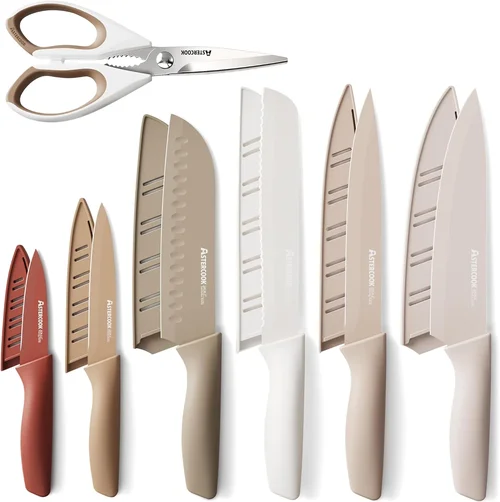
If you’re serious about cooking—whether you’re a home chef experimenting with new recipes or someone who simply wants to make meal prep faster and more enjoyable—then investing in a high-quality kitchen knife isn’t just a luxury; it’s a necessity. A premium knife doesn’t just cut better—it feels better in your hand, lasts longer, and transforms the way you interact with ingredients. Yet, for years, the idea of “premium” kitchen knives has been associated with price tags that rival small appliances. But times have changed. Thanks to advances in manufacturing, global supply chains, and increased competition among brands, you can now find truly exceptional knives under $100 that rival models costing twice as much.
This guide is designed to help you navigate that exciting intersection of quality and affordability. Whether you’re upgrading from a dull, mass-produced set or building your first serious knife collection, you’ll learn exactly what makes a knife “premium” even at this price point. We’ll break down the key factors to consider—from blade steel and handle ergonomics to balance, edge retention, and brand reputation—so you can make an informed decision without overspending. You’ll also discover the different types of knives available under $100, avoid common buying pitfalls, and get expert-backed tips on where and when to buy. By the end of this guide, you’ll not only know which knives offer the best value, but also how to care for them so they last a lifetime.
The market for sub-$100 premium knives has exploded in recent years, driven by demand from home cooks who refuse to compromise on performance. Brands like Victorinox, Wüsthof, Global, and Shun have introduced entry-level lines that retain the craftsmanship of their higher-end counterparts. Meanwhile, newer players like Mercer Culinary, Tojiro, and Sakai Takayuki have brought Japanese-inspired designs and high-carbon stainless steels into the affordable range. This means more choice, better materials, and smarter engineering than ever before. But with so many options, it’s easy to get overwhelmed. That’s why this guide focuses exclusively on knives that deliver professional-grade performance without the professional price tag—curated, tested, and explained by experts who’ve spent years in the kitchen.

What to Look for When Buying Buying Guide
1. Blade Steel and Edge Retention
The heart of any great knife is its blade steel—the material that determines how sharp it gets, how long it stays sharp, and how well it resists rust and wear. In the under-$100 range, you’ll encounter a mix of German and Japanese steel types, each with distinct characteristics. German steels like X50CrMoV15 (used by Wüsthof and Zwilling) are known for their durability, ease of sharpening, and resistance to chipping—ideal for heavy-duty tasks like chopping through bones or dense vegetables. Japanese steels such as VG-10, AUS-10, or high-carbon stainless variants offer finer edges and superior sharpness out of the box, making them perfect for precision slicing, dicing, and filleting.
Edge retention refers to how long a knife maintains its sharpness between sharpenings. A knife with poor edge retention may feel razor-sharp initially but dull quickly after a few uses. Look for blades made from steels with high levels of carbon (which enhances hardness and sharpness) and chromium (which improves corrosion resistance). For example, VG-10 contains about 1% carbon and 15% chromium, striking a balance between sharpness and rust resistance. While no knife under $100 will match the edge retention of premium Damascus or powdered steels found in $300+ models, many in this range come close—especially when properly maintained.
2. Handle Design and Ergonomics
A knife’s handle is just as important as its blade—especially during prolonged use. A poorly designed handle can cause hand fatigue, slipping, or even injury. Look for handles that fit comfortably in your grip, whether you prefer a full tang (where the blade extends through the handle) or a partial tang design. Full-tang knives generally offer better balance and durability, but modern partial-tang designs with riveted or molded handles can be equally secure.
Ergonomics matter too. Some handles are contoured to fit the natural curve of your fingers, while others feature textured grips or finger guards for added safety. Materials range from traditional wood (like Pakkawood, which is wood veneer fused with resin for water resistance) to modern composites like G-10 or fiberglass-reinforced nylon. Wood offers a classic feel but requires more maintenance; composites are nearly indestructible and dishwasher-safe (though we still recommend hand washing).
Consider your hand size and grip style. If you have smaller hands, a slimmer handle may feel more natural. If you’re doing heavy chopping, a thicker, rounded handle can reduce pressure points. Test the knife in-store if possible—or read detailed user reviews that describe real-world comfort over time.
3. Balance and Weight Distribution
Balance is what separates a good knife from a great one. A well-balanced knife feels like an extension of your hand, requiring less effort to control. There are two main types of balance: blade-heavy and handle-heavy. Blade-heavy knives (common in German-style designs) use the weight of the blade to do the cutting work, ideal for chopping and rocking motions. Handle-heavy knives (often seen in Japanese styles) give you more control for precise tasks like julienning herbs or deboning fish.
The ideal balance point is typically just forward of the bolster (the thick junction between blade and handle), where the knife pivots naturally in your grip. You can test this by placing the knife on your finger at that point—if it balances evenly, it’s likely well-designed. Avoid knives that feel “nose-heavy” (hard to lift) or “tail-heavy” (difficult to control during fine cuts).
Weight also plays a role. Heavier knives (6–8 oz for an 8-inch chef’s knife) provide momentum for chopping but may tire your wrist over time. Lighter knives (4–6 oz) offer agility but may lack authority for tougher jobs. Most home cooks find a mid-weight knife (around 5–7 oz) offers the best compromise.
4. Blade Geometry and Cutting Style
Blade geometry refers to the shape and angle of the cutting edge, which directly affects how the knife performs different tasks. Chef’s knives typically come in two main styles: Western (German/American) and Japanese.
Western chef’s knives have a curved belly that facilitates a rocking motion—ideal for chopping onions, herbs, or garlic. The blade is usually thicker near the heel, providing strength for heavy cuts. Japanese chef’s knives (often called gyutos) have a flatter profile with a sharper taper, enabling straighter, more precise cuts. They’re excellent for slicing proteins, vegetables, and sushi-grade fish.
Another key factor is the edge angle. Most Western knives are sharpened to 20 degrees per side, while Japanese knives often use 15 degrees or less. A narrower angle creates a finer edge but can be more prone to chipping if mishandled. Some knives feature a “dual-bevel” or “reverse tanto” tip for added durability.
Consider your cooking style. If you do a lot of chopping and mincing, a Western-style knife may suit you better. If you prioritize precision and presentation—especially with raw ingredients—a Japanese-inspired design could be the way to go.
5. Build Quality and Construction
Even within the under-$100 range, build quality varies significantly. Look for signs of attention to detail: smooth finishes, even grinds, tight rivets (if applicable), and seamless transitions between blade and handle. Avoid knives with visible seams, rough edges, or loose components—these are red flags for poor manufacturing.
Full-tang construction is generally preferred for durability, but some high-quality partial-tang knives use advanced adhesives and reinforced bolsters to achieve similar strength. Pay attention to the bolster itself—a well-designed bolster protects your fingers and adds structural integrity. Some budget knives omit the bolster entirely to cut costs, which can lead to discomfort and reduced lifespan.
Also check the tang stamp or laser etching. Reputable brands will clearly mark the steel type and country of origin. If a knife claims to be “high-carbon stainless” but lacks specific steel information, proceed with caution.
6. Brand Reputation and Heritage
Not all brands are created equal—even within the same price range. Established names like Victorinox, Wüsthof, and Global have decades (or centuries) of experience in knife-making, rigorous quality control, and consistent performance. Their entry-level lines often inherit the same standards as their premium offerings.
Newer brands or private-label manufacturers may offer attractive specs on paper but fall short in real-world use due to inconsistent heat treatment, poor QC, or misleading marketing. Research the brand’s history, read independent reviews, and check forums like Reddit’s r/knives or ChefTalk for unbiased user feedback.
That said, don’t dismiss lesser-known brands outright. Companies like Tojiro (Japan) and Mercer Culinary (USA) have built strong reputations for delivering exceptional value. The key is to prioritize transparency—brands that openly share their steel specs, manufacturing process, and warranty terms are usually more trustworthy.
7. Warranty and Customer Support
A strong warranty is a sign that a brand stands behind its product. Most reputable knife manufacturers offer at least a limited lifetime warranty covering defects in materials and workmanship. This means if your blade chips, cracks, or the handle detaches under normal use, they’ll repair or replace it—often free of charge.
However, warranties rarely cover normal wear and tear, misuse (like using a chef’s knife to pry open cans), or damage from improper sharpening. Read the fine print carefully. Some brands require you to register your purchase online, while others accept proof of purchase from authorized retailers.
Customer support matters too. Can you easily contact the company if something goes wrong? Do they respond promptly? Brands with U.S.-based support (like Victorinox or Wüsthof) tend to offer faster service than those relying solely on overseas distributors.
8. User Reviews and Real-World Performance
Specs and marketing copy only tell part of the story. Real user reviews—especially from verified purchasers—reveal how a knife performs over weeks or months of daily use. Look for patterns: Do multiple users report the same issue (e.g., handle loosening, edge rolling)? Are there consistent praises for sharpness or comfort?
Platforms like Amazon, BladeHQ, and specialty kitchen stores often include detailed reviews with photos. Pay attention to reviewers who mention their experience level (beginner vs. professional) and usage frequency. A knife that works well for occasional home cooks might not hold up in a busy kitchen.
Also consider video reviews on YouTube. Seeing a knife in action—chopping, slicing, rocking—can give you a better sense of its balance, sound, and feel than any written description.
Different Types of Buying Guide

Common Buying Mistakes to Avoid
❌ Mistake: Prioritizing Brand Over Performance
Why it’s bad: Just because a knife carries a famous name doesn’t mean it’s the right fit for your needs. Some premium brands offer “entry-level” lines that cut corners on materials or construction to hit a lower price point. Conversely, lesser-known brands may deliver better value with superior steel or ergonomics.
What to do instead: Focus on the knife’s actual specs—steel type, balance, handle comfort—and read independent reviews. A $70 knife from a reputable but lesser-known brand can outperform a $90 model from a household name if it’s better suited to your cooking style.
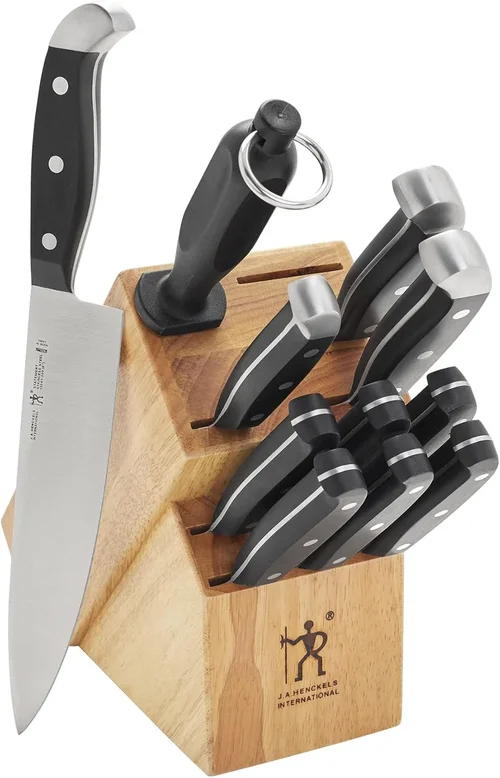
❌ Mistake: Buying a Full Set Instead of Individual Knives
Why it’s bad: Knife sets often include redundant or low-quality pieces (like oversized bread knives or flimsy steak knives) to inflate the perceived value. You end up paying for tools you’ll never use, and the core knives may be compromised to fit the set price.
What to do instead: Start with a single high-quality chef’s knife (8–10 inches), then add a paring knife and utility knife as needed. Build your collection gradually based on actual usage—not marketing bundles.
❌ Mistake: Ignoring Maintenance Requirements
Why it’s bad: Even the best knife will dull quickly if you don’t maintain it. Many buyers assume “stainless steel = no care needed,” but neglecting sharpening, honing, and proper storage leads to frustration and premature replacement.
What to do instead: Invest in a good honing steel (used weekly) and a sharpening system (whetstone or guided sharpener) for monthly touch-ups. Store knives in a block, magnetic strip, or sheath—never loose in a drawer.
❌ Mistake: Overlooking Handle Comfort
Why it’s bad: A beautiful blade means nothing if the handle causes hand cramps or slips during use. Discomfort leads to rushed cuts, poor technique, and potential injury.
What to do instead: If possible, hold the knife before buying. Pay attention to grip pressure, finger placement, and wrist alignment. Look for handles with ergonomic contours and non-slip textures.
❌ Mistake: Falling for “Damascus” Marketing
Why it’s bad: Many budget knives feature etched or stamped “Damascus patterns” that are purely cosmetic. True Damascus involves layering and forge-welding multiple steels—a process rarely found under $100. The pattern doesn’t improve performance; it’s just decoration.
What to do instead: Focus on the core steel type (e.g., VG-10, X50CrMoV15) rather than surface finishes. A plain blade with excellent heat treatment will outperform a “Damascus-look” knife every time.
❌ Mistake: Skipping the Honing Steel
Why it’s bad: Many new knife owners think sharpening is the only way to maintain an edge. But daily use bends the microscopic edge (called “rolling”), which a honing steel realigns in seconds. Without regular honing, you’ll need frequent sharpening, which wears down the blade faster.
What to do instead: Buy a quality honing steel (ceramic or steel, 10+ inches) and use it before or after each cooking session. It’s one of the best investments you can make for knife longevity.
❌ Mistake: Using the Wrong Cutting Surface
Why it’s bad: Cutting on glass, ceramic, or stone boards instantly dulls even the sharpest edge. Hard surfaces cause micro-chipping and accelerate wear.
What to do instead: Use wooden or soft plastic cutting boards. Bamboo is acceptable but can be harder on edges over time. Avoid anything harder than the blade itself.
Budget Guidelines: How Much Should You Spend?
– Entry-Level ($20–$40): This range includes basic stamped knives or entry-level forged models. Expect decent performance for light use, but limited edge retention and durability. Ideal for occasional cooks or students. Look for Victorinox Fibrox Pro or Mercer Genesis lines.
– Mid-Range ($40–$70): The sweet spot for most home cooks. Knives here often feature full tangs, better steel (like X50CrMoV15 or AUS-10), and improved ergonomics. Brands like Wüsthof Classic Ikon, Global G-2, and Tojiro DP offer exceptional value. You’ll get 80–90% of premium performance at half the cost.
– Premium ($70–$100): For enthusiasts and serious home chefs. These knives use high-performance steels (VG-10, SG2), precision heat treatment, and refined designs. Expect excellent balance, razor-sharp edges, and long-term reliability. Models like the Shun Classic, MAC MTH-80, and Sakai Takayuki VG-10 are standout choices.
– Luxury ($100+): While this guide focuses under $100, it’s worth noting that crossing this threshold unlocks hand-forged blades, custom handles, and artisanal craftsmanship. But for most users, the diminishing returns aren’t justified—especially when sub-$100 options perform so well.
Expert Tips for Getting the Best Deal
– Shop during holiday sales: Black Friday, Cyber Monday, and post-holiday clearances often feature 20–40% off premium knives. Sign up for brand newsletters to get early access.
– Buy directly from manufacturers: Brands like Victorinox and Wüsthof frequently offer exclusive deals on their websites, including free shipping or bundled sharpening kits.
– Check authorized retailers: Stores like Williams Sonoma, Sur La Table, and Chef’s Warehouse often carry demo or overstock models at discounted prices—still under warranty.
– Consider “seconds” or factory seconds: Some brands sell knives with minor cosmetic flaws (like slight handle discoloration) at significant discounts. Performance is unaffected.
– Read return policies carefully: Ensure you can return or exchange the knife if it doesn’t meet expectations. Most reputable sellers offer 30-day returns.
– Test before you buy (if possible): Visit a local kitchen store to handle knives in person. Feel the weight, grip, and balance—your instincts matter.
– Invest in care tools upfront: A $30 honing steel and $50 whetstone will extend your knife’s life far more than buying a slightly cheaper blade.
– Join online communities: Forums and subreddits often share exclusive promo codes, flash sales, or user-tested recommendations you won’t find elsewhere.

Frequently Asked Questions
Q: Can a knife under $100 really be “premium”?
A: Absolutely. “Premium” refers to performance, materials, and craftsmanship—not price. Many sub-$100 knives use the same high-carbon stainless steels and heat treatment processes as models costing $200+. The difference often lies in handle materials, branding, or decorative finishes—not core functionality.
Q: Should I buy German or Japanese steel?
A: It depends on your cooking style. German steel (softer, more durable) is great for heavy chopping and beginners who may mishandle the knife. Japanese steel (harder, sharper) excels at precision tasks but requires more careful use. Many cooks own both types for different purposes.
Q: Is a full tang necessary?
A: Not always, but it’s preferred for balance and durability. Modern partial-tang knives with robust construction can be just as strong—but inspect the join carefully. If the tang doesn’t extend at least ¾ of the handle length, it may be less stable.
Q: How often should I sharpen my knife?
A: Most home cooks need to sharpen every 3–6 months with regular use. Use a honing steel weekly to maintain the edge between sharpenings. Signs it’s time: food sticks to the blade, you need to apply more pressure, or slicing feels “mushy.”
Q: Can I put my knife in the dishwasher?
A: Technically yes—if it’s labeled dishwasher-safe—but we strongly advise against it. Dishwashers expose knives to harsh detergents, high heat, and jostling, which can damage the edge, handle, and finish. Hand wash with mild soap and dry immediately.
Q: What’s the best knife length for home use?
A: An 8-inch chef’s knife is the most versatile for average-sized hands and typical kitchen tasks. Larger (10-inch) suits tall users or big prep jobs; smaller (6-inch) works for compact kitchens or detailed work.
Q: Do I need a granton edge?
A: Granton edges (the scalloped indentations on the blade) reduce friction and prevent food from sticking—especially useful for slicing meats, cheese, or potatoes. They’re not essential but highly beneficial for specific tasks.
Q: How do I know if a knife is well-balanced?
A: Place the knife on your finger just forward of the bolster. If it balances evenly without tipping, it’s well-designed. You can also assess balance by how it feels during use—does it pivot naturally, or do you have to adjust your grip constantly?
Q: Are ceramic knives worth it under $100?
A: Ceramic knives stay sharp for years and never rust, but they’re brittle and can snap if dropped or used on hard foods. They’re best for slicing soft items like tomatoes or bread—not chopping or deboning. Most experts recommend sticking with steel for all-around use.
Q: What’s the difference between forged and stamped knives?
A: Forged knives are heated and hammered into shape, resulting in a denser, stronger blade with a visible bolster. Stamped knives are cut from a sheet of steel and often lighter. While forged knives are traditionally seen as superior, modern stamped knives (like Victorinox Fibrox) offer excellent performance at lower prices.
Our Final Recommendations
– Best for Budget-Conscious Buyers: Victorinox Fibrox Pro 8-Inch Chef’s Knife – At around $40, this knife punches far above its weight. Made with X50CrMoV15 steel, it’s razor-sharp, dishwasher-safe, and backed by a lifetime warranty. Perfect for students, beginners, or anyone needing reliable performance without breaking the bank.
– Best Overall Value: Wüsthof Classic Ikon 8-Inch Chef’s Knife – Priced around $85, this German classic offers full tang construction, precision-forged steel, and exceptional balance. It’s durable enough for daily use yet refined enough for serious cooking. A true workhorse.
– Best Premium Option: Shun Classic 8-Inch Chef’s Knife – At $95–$100, this Japanese gyuto features VG-10 core steel with 32 layers of Damascus cladding. It’s stunningly sharp, beautifully balanced, and ideal for precision tasks. The pakkawood handle feels luxurious and secure.
– Best for Beginners: Mercer Culinary Genesis 8-Inch Chef’s Knife – Around $50, this knife combines German engineering with beginner-friendly features: ergonomic handle, durable blade, and easy maintenance. Great for learning proper knife skills without intimidation.
– Best for Advanced Users: Tojiro DP Gyuto 210mm – At $80–$90, this Japanese knife uses VG-10 steel with a full tang and western-style handle. It offers professional-level sharpness and control, making it a favorite among serious home cooks and culinary students.
Conclusion: Making the Right Choice
Choosing the right premium kitchen knife under $100 isn’t about finding the cheapest or most hyped option—it’s about matching the knife’s design, materials, and performance to your unique cooking habits, hand size, and culinary goals. As we’ve explored, factors like blade steel, handle ergonomics, balance, and brand reputation all play critical roles in determining whether a knife will become a trusted kitchen companion or a forgotten drawer relic.
The good news? You no longer need to spend hundreds to get a knife that feels like it was made for your hand. With the right knowledge—and this guide as your roadmap—you can confidently select a blade that delivers professional results, lasts for years, and makes every meal prep session more enjoyable. Remember: a great knife isn’t just a tool; it’s an investment in your passion for cooking.
So take your time, prioritize what matters most to you, and don’t be swayed by flashy marketing or unnecessary extras. Start with a high-quality chef’s knife, maintain it properly, and build your collection thoughtfully. Your future self—and your taste buds—will thank you. Happy cutting!