
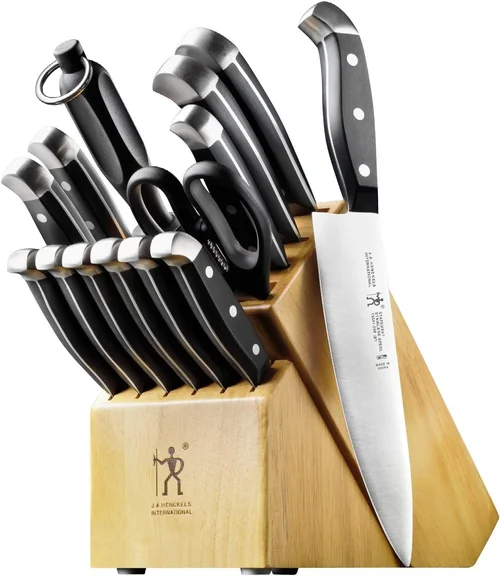
When it comes to equipping your kitchen for serious cooking, few investments are as impactful as a high-quality 15-piece knife block set. Whether you’re a home cook looking to elevate your meal prep or a culinary enthusiast aiming for professional-grade precision, the right knife set can transform your entire cooking experience. But with hundreds of options flooding the market—ranging from budget-friendly starter kits to luxury forged collections—choosing the best 15-piece knife block set can feel overwhelming. That’s where this comprehensive guide comes in.
In this expert-level buying guide, we’ll walk you through everything you need to know to make an informed decision. You’ll learn how to evaluate blade materials, handle ergonomics, block design, and long-term durability. We’ll break down the key factors that separate mediocre sets from truly exceptional ones, compare different types of knife blocks, and highlight common pitfalls to avoid. By the end, you’ll have a clear understanding of what makes a knife set worth your investment—and which models stand out in 2026.
The market for knife block sets has evolved significantly over the past few years. Traditional wooden blocks are being challenged by modern magnetic and acrylic designs, while blade technology has advanced with high-carbon stainless steel, Damascus patterns, and even ceramic options. At the same time, brands are offering more inclusive sets—15 pieces typically include an 8-inch chef’s knife, paring knife, bread knife, utility knife, shears, steak knives, and a sharpening steel—giving you a complete toolkit for nearly any kitchen task. With so many variables at play, it’s essential to know what to prioritize. This guide will help you cut through the noise and find the perfect set for your needs, budget, and cooking style.

What to Look for When Buying Buying Guide
1. Blade Material and Construction
The heart of any knife is its blade, and in a 15-piece set, consistency across all blades is crucial. The most common materials used in professional-grade knives are high-carbon stainless steel, Damascus steel, and ceramic. High-carbon stainless steel offers an excellent balance of sharpness, edge retention, and resistance to rust and staining. It’s durable, easy to maintain, and holds up well under daily use. Look for blades labeled with steel grades like X50CrMoV15 or VG-10, which are indicators of quality.
Damascus steel, often recognized by its distinctive wavy or mottled pattern, is typically made by layering multiple types of steel together. While the aesthetic appeal is undeniable, the real benefit lies in the enhanced strength and flexibility it provides. True Damascus blades are forged, not stamped, and offer superior performance. However, be cautious of “Damascus-style” finishes that are purely cosmetic—these won’t deliver the same performance benefits.
Ceramic blades are another option, known for their extreme hardness and ability to stay sharp for years. They’re lightweight and resistant to corrosion, but they’re also brittle and can chip if mishandled. For a 15-piece set, ceramic is less common due to cost and fragility, but some premium sets include a ceramic utility or paring knife.
Another key consideration is whether the blades are forged or stamped. Forged knives are made from a single piece of heated steel that’s hammered and shaped, resulting in a heavier, more balanced blade with a full tang (the metal extends through the handle). Stamped knives are cut from a flat sheet of steel and then shaped, making them lighter and often less durable. While stamped knives can still be high quality, forged blades generally offer better balance, longevity, and performance—especially in a professional setting.
2. Handle Design and Ergonomics
A knife is only as good as its grip. Even the sharpest blade can be frustrating to use if the handle is uncomfortable or slippery. When evaluating a 15-piece set, pay close attention to the handle material, shape, and balance. Common materials include wood, plastic (like POM or ABS), and composite resins. Wood handles offer a classic, warm feel and excellent grip when properly sealed, but they require more maintenance and can crack over time if exposed to moisture. Synthetic handles are more durable, dishwasher-safe, and resistant to warping, making them ideal for busy kitchens.
Ergonomics play a huge role in comfort during extended use. Look for handles with contoured shapes that fit naturally in your hand, with a slight curve or finger guard to prevent slipping. A full tang design—where the blade metal extends through the entire handle—adds weight and balance, reducing hand fatigue. Some premium sets feature triple-riveted handles for added strength and a traditional look.
Weight distribution is also important. A well-balanced knife should feel like an extension of your hand, with the weight centered near the heel of the blade. Too heavy, and it becomes tiring; too light, and it lacks control. Test the balance by holding the knife at the bolster (the thick part where the blade meets the handle)—if it tips forward or backward, it may not be ideal for precision tasks.
3. Knife Block Design and Functionality
The block itself is more than just a storage solution—it’s a critical component of your knife set’s longevity and usability. Traditional wooden blocks are popular for their classic look and ability to protect blades from damage. However, they can harbor bacteria if not cleaned regularly, and the slots may not accommodate all knife sizes, especially if you add custom blades later.
Magnetic knife blocks are gaining popularity for their modern aesthetic and ease of access. They allow you to display your knives prominently while keeping them secure and protected. Magnetic blocks are typically easier to clean and don’t trap moisture, reducing the risk of rust. However, they may not hold heavier knives as securely, and the magnetic strength can vary between models.
Acrylic or glass blocks offer a sleek, contemporary look and are easy to wipe down. They’re great for small spaces and allow you to see all your knives at a glance. The downside? They can scratch easily and may not provide the same level of blade protection as wood or magnetic options.
Consider the number and size of slots. A true 15-piece set should include slots for all included knives, plus extra space for future additions like a cleaver or santoku. Some blocks come with universal slots or flexible inserts that can accommodate various blade widths. Also, check if the block includes a slot for kitchen shears and a sharpening steel—these are often overlooked but essential for maintenance.
4. Included Knives and Versatility
Not all 15-piece sets are created equal. While the number of knives may be the same, the types and quality can vary significantly. A well-rounded set should include:
– 8-inch chef’s knife (the workhorse for chopping, slicing, and dicing)
– 3.5-inch paring knife (ideal for peeling and detailed work)
– 5-inch utility knife (versatile for smaller tasks)
– 8-inch bread knife (serrated edge for slicing bread and tomatoes)
– 6-inch boning knife (flexible blade for meat and poultry)
– 7-inch santoku knife (great for vegetables and precision cuts)
– Kitchen shears (for cutting herbs, packaging, and more)
– Sharpening steel (for maintaining edge sharpness)
– 6–8 steak knives (dinner table essentials)
Some sets may substitute or add specialty knives like a cleaver, cheese knife, or tomato knife. Consider your cooking habits—do you frequently prepare meat? A boning knife is a must. Love fresh bread? A quality bread knife is non-negotiable. The best sets offer a balanced mix that covers all major kitchen tasks without unnecessary extras.
Also, check the quality of the steak knives. Many budget sets include flimsy, stamped steak knives that dull quickly. Look for full-tang, forged steak knives with serrated or straight edges, depending on your preference. A good set should feel substantial in hand and match the quality of the chef’s knife.
5. Brand Reputation and Craftsmanship
Brand matters—especially when investing in a long-term kitchen tool. Established brands like Wüsthof, Zwilling J.A. Henckels, Shun, and Global have decades (or centuries) of experience in knife-making. They invest in research, use high-quality materials, and maintain strict quality control. These brands often offer better warranties, customer support, and resale value.
That said, newer brands like Mercer Culinary, Victorinox, and Dalstrong have disrupted the market with high-performance sets at competitive prices. Mercer, for example, is a favorite among professional chefs for its affordability and durability. Victorinox (makers of the Swiss Army knife) produces reliable, no-frills knives that punch above their weight class.
When evaluating a brand, look beyond marketing claims. Check where the knives are made—German and Japanese manufacturers are renowned for their precision, while some brands outsource production to lower-cost regions. Read user reviews, especially from long-term owners, to gauge real-world performance. A brand with a strong reputation for customer service and warranty support can save you headaches down the line.
6. Warranty and Customer Support
A knife set is a long-term investment, and a solid warranty is a sign of the manufacturer’s confidence in their product. Most reputable brands offer a limited lifetime warranty that covers defects in materials and workmanship. Some go further, offering free sharpening services or replacement parts.
Read the fine print: Does the warranty cover normal wear and tear? What about damage from misuse or dishwasher cleaning? Some brands void the warranty if knives are washed in a dishwasher, so hand-washing is often recommended. Others offer prorated coverage, meaning the warranty decreases in value over time.
Customer support is equally important. Can you easily contact the company if a knife chips or the block cracks? Do they offer repair services or replacements? Brands with strong support networks—like Wüsthof’s authorized service centers—provide peace of mind. Avoid no-name brands with vague or nonexistent warranty policies.
7. Maintenance and Care Requirements
Even the best knives require proper care to maintain their performance. Consider how much maintenance you’re willing to commit to. High-carbon steel blades need regular drying to prevent rust, while ceramic knives should never be used on hard surfaces like glass or stone.
Most professional sets recommend hand-washing and immediate drying. Dishwashers can damage handles, dull blades, and void warranties. A good sharpening steel should be used weekly to realign the edge, and professional sharpening every 6–12 months is ideal.
Some sets come with care instructions or even a maintenance kit. Look for brands that provide guidance on honing, sharpening, and storage. If you’re new to knife care, opt for a set with low-maintenance materials like stainless steel and synthetic handles.
8. Aesthetic and Kitchen Integration
While functionality is paramount, aesthetics matter too. Your knife block will be a permanent fixture on your countertop, so it should complement your kitchen’s style. Traditional wood blocks suit farmhouse or rustic kitchens, while sleek magnetic or acrylic blocks fit modern or minimalist designs.
Consider the color and finish. Natural wood tones are timeless, but some brands offer stained or painted blocks in black, white, or walnut. Magnetic blocks often come in stainless steel or matte finishes that resist fingerprints.
Also, think about counter space. Some blocks are compact and space-efficient, while others are bulky and dominate the counter. Measure your available space and choose a block that fits without overcrowding.
Different Types of Buying Guide

Common Buying Mistakes to Avoid
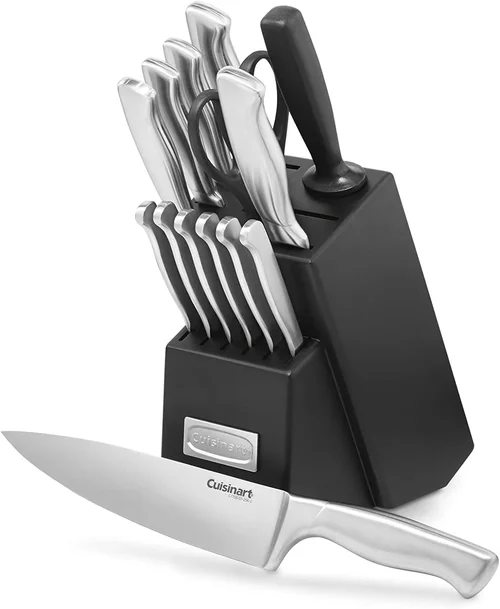
❌ Mistake: Prioritizing Price Over Quality
Why it’s bad: Cheap knife sets often use low-grade steel, stamped blades, and flimsy handles that dull quickly and break easily. You’ll end up replacing them within a year, costing more in the long run.
What to do instead: Invest in a mid-range set from a reputable brand. Look for high-carbon stainless steel and full-tang construction. A $200 set that lasts 10 years is better value than a $50 set that fails in six months.
❌ Mistake: Ignoring Handle Comfort
Why it’s bad: An uncomfortable handle leads to hand fatigue, reduced control, and even injury during prolonged use. Slippery or poorly shaped handles increase the risk of accidents.
What to do instead: Test the grip if possible. Look for ergonomic designs with textured or contoured handles. Avoid overly smooth plastic or unbalanced designs.
❌ Mistake: Overlooking Maintenance Needs
Why it’s bad: Assuming all knives are dishwasher-safe or require no sharpening leads to premature dulling and damage. High-maintenance materials like carbon steel can rust if not cared for.
What to do instead: Choose a set with care instructions and consider your willingness to maintain it. Opt for stainless steel and hand-wash only if you’re committed to upkeep.
❌ Mistake: Buying Based on Looks Alone
Why it’s bad: A beautiful Damascus pattern or glossy finish doesn’t guarantee performance. Some decorative knives are purely aesthetic and lack functional edge quality.
What to do instead: Focus on blade material, construction, and user reviews. A plain-looking forged knife will outperform a flashy stamped one every time.
❌ Mistake: Not Checking Block Compatibility
Why it’s bad: Some blocks have fixed slots that don’t fit all knife sizes. You may not be able to store additional knives or replace damaged ones.
What to do instead: Choose a block with universal or adjustable slots. Magnetic blocks offer the most flexibility for future additions.
❌ Mistake: Skipping the Warranty Check
Why it’s bad: Without a solid warranty, you’re on your own if a blade chips or the block cracks. Some brands offer no coverage at all.
What to do instead: Always verify the warranty terms. Look for lifetime coverage and responsive customer service.
❌ Mistake: Assuming All 15-Piece Sets Are Equal
Why it’s bad: Some sets include low-quality steak knives or duplicate utility knives instead of essential tools like a boning or santoku.
What to do instead: Review the full knife lineup. Ensure the set includes versatile, high-use knives and avoids filler items.
Budget Guidelines: How Much Should You Spend?
Why it’s bad: Assuming all knives are dishwasher-safe or require no sharpening leads to premature dulling and damage. High-maintenance materials like carbon steel can rust if not cared for.
What to do instead: Choose a set with care instructions and consider your willingness to maintain it. Opt for stainless steel and hand-wash only if you’re committed to upkeep.
❌ Mistake: Buying Based on Looks Alone
Why it’s bad: A beautiful Damascus pattern or glossy finish doesn’t guarantee performance. Some decorative knives are purely aesthetic and lack functional edge quality.
What to do instead: Focus on blade material, construction, and user reviews. A plain-looking forged knife will outperform a flashy stamped one every time.
❌ Mistake: Not Checking Block Compatibility
Why it’s bad: Some blocks have fixed slots that don’t fit all knife sizes. You may not be able to store additional knives or replace damaged ones.
What to do instead: Choose a block with universal or adjustable slots. Magnetic blocks offer the most flexibility for future additions.
❌ Mistake: Skipping the Warranty Check
Why it’s bad: Without a solid warranty, you’re on your own if a blade chips or the block cracks. Some brands offer no coverage at all.
What to do instead: Always verify the warranty terms. Look for lifetime coverage and responsive customer service.
❌ Mistake: Assuming All 15-Piece Sets Are Equal
Why it’s bad: Some sets include low-quality steak knives or duplicate utility knives instead of essential tools like a boning or santoku.
What to do instead: Review the full knife lineup. Ensure the set includes versatile, high-use knives and avoids filler items.
Budget Guidelines: How Much Should You Spend?
Why it’s bad: Some blocks have fixed slots that don’t fit all knife sizes. You may not be able to store additional knives or replace damaged ones.
What to do instead: Choose a block with universal or adjustable slots. Magnetic blocks offer the most flexibility for future additions.
❌ Mistake: Skipping the Warranty Check
Why it’s bad: Without a solid warranty, you’re on your own if a blade chips or the block cracks. Some brands offer no coverage at all.
What to do instead: Always verify the warranty terms. Look for lifetime coverage and responsive customer service.
❌ Mistake: Assuming All 15-Piece Sets Are Equal
Why it’s bad: Some sets include low-quality steak knives or duplicate utility knives instead of essential tools like a boning or santoku.
What to do instead: Review the full knife lineup. Ensure the set includes versatile, high-use knives and avoids filler items.
Budget Guidelines: How Much Should You Spend?
Why it’s bad: Some sets include low-quality steak knives or duplicate utility knives instead of essential tools like a boning or santoku.
What to do instead: Review the full knife lineup. Ensure the set includes versatile, high-use knives and avoids filler items.
Budget Guidelines: How Much Should You Spend?
– Entry-Level ($50–$150): These sets are ideal for beginners or occasional cooks. Expect stamped blades, plastic handles, and basic wooden blocks. While functional, they may dull quickly and lack durability. Brands like Farberware and Chicago Cutlery offer decent starter options.
– Mid-Range ($150–$350): This is the sweet spot for most home cooks. You’ll find forged or high-quality stamped blades, better handle materials, and more thoughtful block designs. Brands like Victorinox, Mercer, and Dalstrong deliver excellent value here.
– Premium ($350–$600): For serious cooks and enthusiasts, premium sets offer superior craftsmanship, Damascus or high-carbon steel, and elegant blocks. Wüsthof, Zwilling, and Shun dominate this tier with lifetime warranties and professional-grade performance.
– Luxury ($600+): These are collector’s items and gifts for serious chefs. Expect hand-forged blades, exotic handle materials, and artisanal blocks. Sets from brands like Miyabi or custom makers fall here—beautiful, functional, and built to last generations.
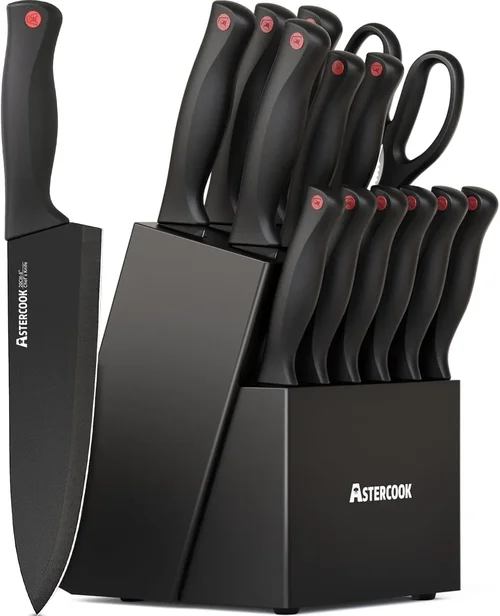
Expert Tips for Getting the Best Deal
– Shop During Sales: Major retailers like Amazon, Williams Sonoma, and Sur La Table offer deep discounts during Black Friday, Prime Day, and holiday sales. Sign up for newsletters to get early access.
– Buy Direct from Brands: Many manufacturers offer exclusive sets or bundles on their websites. Wüsthof and Shun often have limited editions not available elsewhere.
– Check Return Policies: Ensure you can return or exchange the set if it doesn’t meet expectations. Some retailers offer 30- or 60-day trials.
– Read Long-Term Reviews: Look for reviews from users who’ve owned the set for 6+ months. This reveals durability and real-world performance.
– Consider Refurbished or Open-Box: Certified refurbished sets from reputable sellers can save 20–40% and often come with the same warranty.
– Test Before Buying: If possible, visit a kitchen store to handle the knives. Feel the weight, balance, and grip.
– Bundle with Accessories: Some sets include cutting boards, sharpeners, or storage bags. These add value and reduce future purchases.
– Watch for Free Shipping: Knife sets can be heavy and expensive to ship. Look for free shipping thresholds or retailer promotions.

Frequently Asked Questions
Q: Are 15-piece knife sets worth it?
A: Yes, if you cook regularly. A full set provides versatility and eliminates the need to buy knives individually. However, if you only use a chef’s knife and paring knife, a smaller set may suffice.
Q: Can I put these knives in the dishwasher?
A: Most manufacturers recommend hand-washing to preserve blade sharpness and handle integrity. Dishwashers can cause rust, dulling, and handle damage.
Q: How often should I sharpen my knives?
A: Use a honing steel weekly to realign the edge. Professional sharpening every 6–12 months is ideal, depending on use.
Q: What’s the difference between German and Japanese knives?
A: German knives are heavier, with thicker blades suited for chopping and tough ingredients. Japanese knives are lighter, thinner, and excel at precision slicing.
Q: Do I need a boning knife?
A: If you frequently prepare meat or poultry, yes. A flexible boning knife makes removing bones and skin easier and safer.
Q: Can I add knives to a 15-piece set?
A: It depends on the block. Magnetic and universal-slot blocks allow additions. Fixed wooden blocks may not accommodate extra knives.
Q: Are steak knives included in all 15-piece sets?
A: Most include 6–8 steak knives, but quality varies. Check if they’re full-tang and match the set’s craftsmanship.
Q: How do I clean a wooden knife block?
A: Wipe with a damp cloth and mild soap. Avoid soaking. Occasionally sanitize with a vinegar solution and let air dry completely.
Q: What’s a full tang?
A: A full tang means the blade metal extends through the entire handle, providing better balance and durability.
Q: Are ceramic knives better than steel?
A: Ceramic stays sharper longer and is rust-proof, but it’s brittle and can’t be sharpened at home. Steel is more versatile and repairable.
Our Final Recommendations
– Best for Budget-Conscious Buyers: Victorinox Fibrox Pro 15-Piece Knife Block Set – Reliable, durable, and used by professionals worldwide. Excellent value under $200.
– Best Overall Value: Dalstrong Gladiator Series 15-Piece Knife Block Set – Forged high-carbon steel, stunning design, and includes a sharpening steel and shears. Priced around $300.
– Best Premium Option: Wüsthof Classic 15-Piece Knife Block Set – German engineering, lifetime warranty, and unmatched balance. A top choice for serious cooks.
– Best for Beginners: Mercer Culinary Genesis 15-Piece Knife Block Set – Affordable, easy to maintain, and perfect for learning proper knife skills.
– Best for Advanced Users: Shun Classic 15-Piece Knife Block Set – Japanese craftsmanship, razor-sharp edges, and beautiful Damascus cladding. Ideal for precision work.
Conclusion: Making the Right Choice
Choosing the best 15-piece knife block set isn’t just about picking the sharpest blades or the prettiest block—it’s about finding a balanced, durable, and functional toolkit that fits your lifestyle and cooking habits. From blade material and handle comfort to block design and brand reputation, every detail matters. Avoid common pitfalls like prioritizing price over quality or ignoring maintenance needs, and focus on long-term value.
Remember, a great knife set is an investment in your kitchen’s efficiency and your enjoyment of cooking. Whether you’re dicing onions, slicing bread, or carving a roast, the right tools make all the difference. Use this guide to compare options, set a realistic budget, and select a set that will serve you well for years to come.
Take your time, do your research, and don’t rush the decision. When you find the right set, you’ll wonder how you ever cooked without it. Happy chopping!