
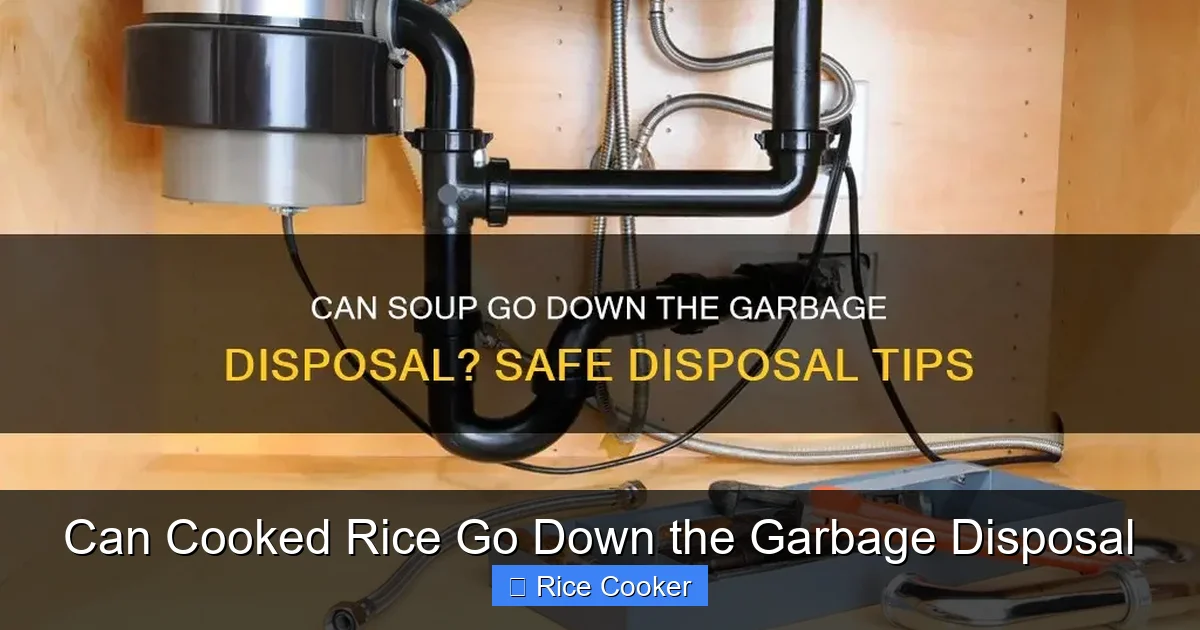
Can cooked rice go down the garbage disposal? While it might seem harmless, pouring cooked rice into your disposal can cause clogs and strain your plumbing. It’s better to compost or dispose of it properly.
Key Takeaways
- Cooked rice can clog pipes: Unlike raw rice, cooked rice expands when wet and sticks together, forming clumps that block drains.
- Garbage disposals aren’t designed for starchy foods: Disposals handle meat, vegetables, and bones better than high-starch items like rice.
- Short-term vs. long-term damage: A small amount may pass through, but repeated use can lead to expensive repairs.
- Alternatives exist: Composting is a safe, eco-friendly way to dispose of cooked rice and reduce waste.
- Prevention is key: Always scrape food scraps into the trash and avoid using disposals for rice or similar foods.
- Signs of a clog: Slow draining, gurgling sounds, or odors signal a potential rice-related blockage.
- Professional help matters: If a clog occurs, call a plumber—not DIY chemicals—to avoid pipe damage.
📑 Table of Contents
- Can Cooked Rice Go Down the Garbage Disposal? What You Need to Know
- The Science Behind Rice and Water
- What Happens When You Pour Cooked Rice Down the Disposal?
- Safety Tips: How to Dispose of Cooked Rice Safely
- Common Misconceptions About Garbage Disposals
- What to Do If You Already Poured Rice Down the Disposal
- Eco-Friendly Alternatives to Disposal Use
- When to Call a Professional Plumber
- Conclusion: Make Smart Choices for Your Home and Planet
Can Cooked Rice Go Down the Garbage Disposal? What You Need to Know
Have you ever had leftover rice after dinner and wondered what to do with it? Maybe you’re cleaning up your kitchen and think, “This is just a little bit—can’t I just run it down the disposal?” It’s a common question, especially in households that cook rice regularly, whether with a rice cooker, stovetop, or microwave. But before you flip the switch on your garbage disposal, let’s talk about what really happens when you put cooked rice down the drain.
While it might seem like a convenient shortcut, pouring cooked rice into your garbage disposal can lead to serious plumbing problems over time. The issue isn’t just about one meal—it’s about how rice behaves in water and how your disposal system was designed to work. In this article, we’ll break down the science behind why cooked rice doesn’t belong in the disposal, explore safer alternatives, and give you practical tips to keep your pipes flowing smoothly. Whether you’re a rice lover or just trying to be a responsible homeowner, this guide will help you make smarter choices for your kitchen and your plumbing.
The Science Behind Rice and Water
How Cooked Rice Expands
When raw rice is submerged in water, it begins to absorb moisture and swell. This process, called gelatinization, causes the rice grains to expand significantly. In fact, cooked rice can increase in volume by up to 300% compared to its dry state. This expansion isn’t just physical—it also changes the texture. The starches inside the rice dissolve slightly, creating a sticky, gel-like consistency that binds grains together.
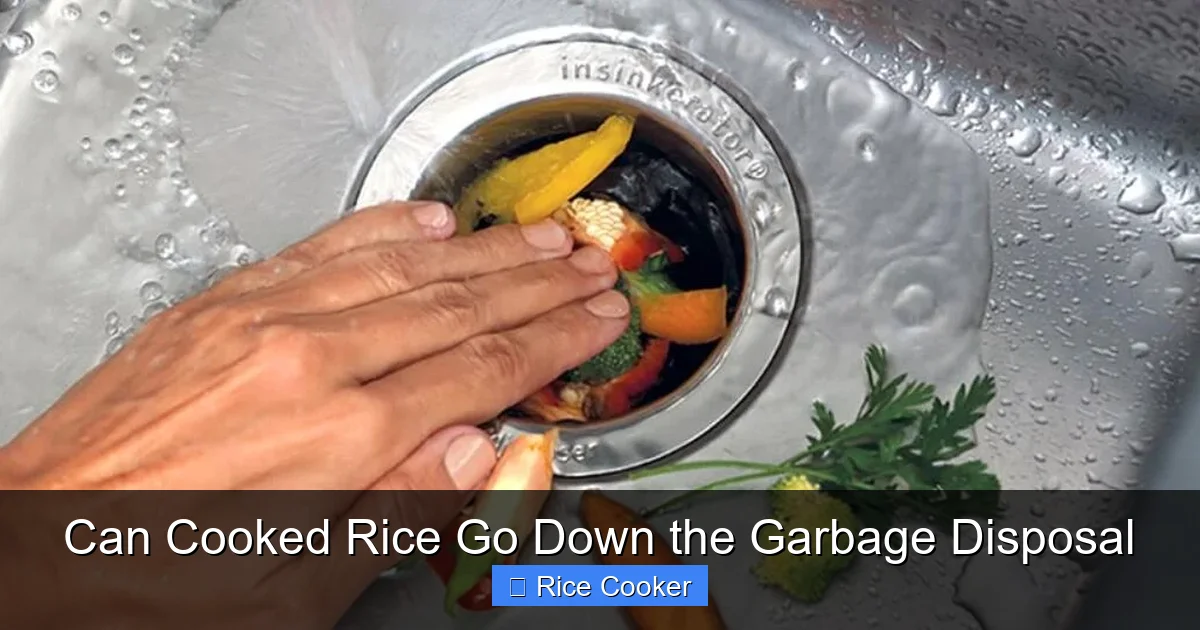
Visual guide about Can Cooked Rice Go Down the Garbage Disposal
Image source: bestgarbagedisposals.com
This sticky nature is what makes cooked rice so useful in recipes like risotto or sushi, but it’s exactly what makes it dangerous for your plumbing. When you pour cooked rice down the sink, it doesn’t break down completely like vegetable scraps or fruit peels. Instead, it forms clumps that cling to the inside of your pipes, especially in areas where water flow slows down.
Why Garbage Disposals Aren’t Built for Starchy Foods
Garbage disposals are designed to handle soft, fibrous, or protein-rich materials like meat, eggshells, and vegetable scraps. These foods break down easily under the blades’ grinding action and flush away quickly. But starchy foods like rice, pasta, and potatoes don’t behave the same way. They release starches into the water, which act like glue, sticking to the walls of your pipes and combining with other food particles to form stubborn sludge.
Over time, this buildup can create a full-blown clog. Even if the rice passes through the disposal initially, it may linger in your pipes and trap other debris. This is why plumbers often warn against putting anything starchy down the drain—even in small amounts.
What Happens When You Pour Cooked Rice Down the Disposal?
Immediate Effects: Is It Okay for Small Amounts?
In theory, a small amount of cooked rice (say, from one serving) might pass through your disposal without causing immediate issues. But even then, you’re not off the hook. The rice will still release starch into the water, increasing the risk of future clogs. And remember—your disposal runs every day. Over time, tiny bits of rice add up.
One study by the American Society of Plumbing Engineers found that even 10 grams of cooked rice per day can contribute to significant buildup in household plumbing over several months. That’s less than a tablespoon! So while you might not notice a problem right away, the cumulative effect can be costly.
Long-Term Consequences: Clogs and Repairs
The real danger comes later. As rice particles accumulate in your pipes, they create ideal conditions for bacteria and mold to grow. This leads to slow drainage, unpleasant odors, and even sewage backups. In severe cases, you might need a professional plumber to snake your drain or replace damaged sections of pipe.
And here’s the kicker: repair costs can range from $200 to over $1,000 depending on the severity. Plus, frequent use of harsh chemical cleaners to dissolve rice buildup can corrode your pipes and void warranties. It’s far easier—and cheaper—to prevent the problem in the first place.
Safety Tips: How to Dispose of Cooked Rice Safely
Composting: The Best Alternative
If you have access to a backyard or community compost bin, cooking rice is a fantastic candidate for composting. It’s rich in carbon and breaks down quickly when mixed with brown materials like leaves or paper. Just make sure it’s cooled completely before adding it to your pile.
For apartment dwellers, many cities offer curbside composting programs. Check your local guidelines—some accept cooked grains, while others do not due to pest concerns. If composting isn’t an option, the next best choice is the trash can.
Trash Disposal: Simple and Effective
Scrape leftover rice into a sealed container or plastic bag and toss it in the regular trash. This is the safest method for most households. Avoid flushing rice down toilets—even though some people think it’s okay, it can still contribute to blockages in sewer lines.
Preventing Future Messes
To avoid rice-related plumbing headaches, consider these habits:
- Store leftovers properly: Refrigerate rice within two hours of cooking to prevent bacterial growth (like Bacillus cereus, which can cause food poisoning).
- Use smaller portions: Cooking only what you’ll eat reduces waste and the temptation to dump scraps down the drain.
- Clean your disposal regularly: Run cold water while turning on the disposal, and occasionally grind ice cubes or citrus peels to keep blades sharp and odor-free.
Common Misconceptions About Garbage Disposals
Myth: “If It’s Organic, It’s Safe”
Just because rice is natural doesn’t mean it’s disposal-friendly. Many organic materials—like banana peels, avocado skins, and coffee grounds—also cause clogs if used too frequently. The key is balance and awareness.
Myth: “The Disposal Will Break It All Down”
Disposals don’t magically turn food into liquid. They chop food into small pieces so it can pass through your pipes, but they can’t dissolve starches or fibers completely. Think of it like a blender—it crushes ice, but it won’t turn ice into water.
Myth: “Running Hot Water Fixes Everything”
Hot water helps with grease and oils, but it has little effect on cooked rice. In fact, hot water can make rice starch even stickier. Always run cold water through the disposal to help push particles down the pipe.
What to Do If You Already Poured Rice Down the Disposal
Step-by-Step Recovery Plan
If you’ve already dumped cooked rice down the disposal, don’t panic. Follow these steps to minimize damage:
- Stop using the disposal immediately. Running it further can push rice deeper into your pipes.
- Pour boiling water down the drain. This helps loosen any loose particles (but avoid this if you have PVC pipes—hot water can warp them).
- Use a plunger. Create a tight seal around the drain and pump up and down several times to dislodge clogs.
- Check for slow drainage. If water pools in the sink, you likely have a partial blockage.
- Call a plumber if needed. Persistent issues require professional tools like hydro-jetting or drain snakes.
Remember: prevention beats cure. Once a clog forms, it’s harder—and more expensive—to fix.
Eco-Friendly Alternatives to Disposal Use
Reducing Kitchen Waste Overall
Rice isn’t the only food that shouldn’t go down the disposal. Consider composting all vegetable scraps, eggshells, and coffee grounds instead. Not only does this protect your plumbing, but it also enriches your soil and reduces landfill waste.
Using a Food Waste Disposer Wisely
If your home has a modern food waste disposer (different from a garbage disposal), it’s usually safer for soft organics—but still not ideal for rice. Always follow manufacturer guidelines and avoid large quantities at once.
DIY Drain Cleaners (Safely)
Instead of commercial chemical cleaners, try natural solutions like baking soda and vinegar. Pour half a cup of baking soda followed by vinegar down the drain, wait 15 minutes, then flush with hot water. This keeps your pipes clean without harsh chemicals.
When to Call a Professional Plumber
You know it’s time to call a pro if:
- Water backs up into your sink or tub.
- You hear gurgling noises when running water.
- Odors persist despite cleaning.
- Your disposal makes loud grinding noises but doesn’t work.
Ignoring these signs can lead to burst pipes or sewage leaks—both of which are emergencies. A licensed plumber can diagnose the issue quickly and recommend long-term solutions like pipe relining or replacement.
Conclusion: Make Smart Choices for Your Home and Planet
So, can cooked rice go down the garbage disposal? Technically, maybe—once. But doing so regularly is like pouring oil down the drain: it might seem fine now, but eventually, it’ll gum everything up. By choosing composting, proper storage, or simple trash disposal, you protect your plumbing and support a healthier environment.
Whether you’re using a traditional rice cooker or experimenting with quinoa and wild rice, remember that every food scrap counts when it comes to waste management. Small habits—like scraping rice into the bin instead of the sink—add up to big benefits for your home and the planet.
Next time you’re cleaning up after a meal, take a moment to think: “Is this really safe for my pipes?” With a little knowledge and planning, you can enjoy your favorite dishes without worrying about hidden plumbing disasters.
Frequently Asked Questions
Can uncooked rice go down the garbage disposal?
No, uncooked rice should never go down the garbage disposal. Like cooked rice, it expands when exposed to water and can cause clogs. Always dispose of both types in the trash or compost if possible.
Does cooked rice clog drains even if it goes through the disposal?
Yes, cooked rice can pass through the disposal initially but often leaves behind starch residue that sticks to pipe walls. Over time, this buildup combines with other debris to create clogs.
Is it safe to compost cooked rice?
Yes, cooked rice is generally safe to compost as long as it’s free of contaminants like sauces or meats. Cool it first and mix it with brown materials to speed decomposition.
What should I do if my sink is clogged with rice?
Stop using the disposal, pour boiling water (if pipes allow), use a plunger, and check for improvement. If the clog persists, contact a licensed plumber for professional help.
Can I use chemical drain cleaners on rice clogs?
Not recommended. Harsh chemicals can damage pipes and are ineffective against starch-based clogs. Natural methods like baking soda and vinegar are safer and more sustainable.
Are there any types of rice that are safer for disposals?
All forms of rice—white, brown, jasmine, basmati—are equally problematic due to their starch content. No variety is disposal-safe when cooked and drained.