

Cooking lentils in a rice cooker is not only possible but also incredibly convenient. With the right water ratio and cooking time, your rice cooker can produce tender, flavorful lentils without any hassle. Whether you’re making dal, soups, or side dishes, this method saves energy and simplifies meal prep.
Key Takeaways
- Yes, you can safely cook lentils in most rice cookers—they’re designed to handle grains and legumes with proper liquid ratios.
- Use the 2:1 water-to-lentils ratio for soft results, adjusting slightly based on lentil type (green vs. red).
- Soaking isn’t always necessary, especially for split lentils like masoor dal, but it reduces cooking time.
- Choose the right setting: Use the “Cook” or “Rice” mode; avoid “Quick Cook” for best texture.
- Add spices and seasonings after cooking to prevent mushiness and preserve flavor.
- Troubleshoot common issues like overcooking or undercooking with simple fixes.
📑 Table of Contents
- Can I Cook Lentils in My Rice Cooker? Absolutely—Here’s How!
- Why Choose a Rice Cooker for Lentils?
- Types of Lentils and Their Best Uses in a Rice Cooker
- How to Cook Lentils in Your Rice Cooker: Step-by-Step Guide
- Tips for Perfect Lentils Every Time
- Creative Ways to Use Cooked Lentils
- Troubleshooting Common Issues
- Comparing Rice Cooker vs. Stovetop vs. Instant Pot
- Safety Tips When Using Your Rice Cooker
- Final Thoughts: Embrace the Convenience
Can I Cook Lentils in My Rice Cooker? Absolutely—Here’s How!
Have you ever stared at a pot of boiling lentils, wondering if there’s an easier way? Maybe you’re short on time, trying to multitask dinner prep, or simply want to simplify your kitchen routine. The good news? You can absolutely cook lentils in your rice cooker—no special equipment required. In fact, using a rice cooker might be one of the easiest, most hands-off methods for preparing lentils, whether you’re making Indian dal, hearty bean stews, or even lentil salads.
Rice cookers are more versatile than you think. While they’re famous for making fluffy white rice, many models can handle whole grains, quinoa, oats, and yes—lentils. With just a few adjustments in timing and liquid ratios, you can transform plain dried lentils into tender, flavorful staples that work in curries, soups, grain bowls, or even breakfast porridge. Plus, using your rice cooker means less cleanup and consistent results every time.
Why Choose a Rice Cooker for Lentils?
Let’s face it: traditional stove-top cooking requires constant attention. You have to watch the pot, stir occasionally, and adjust heat levels to prevent sticking or burning. But with a rice cooker, you add everything in, press a button, and walk away. That’s not just convenience—it’s consistency.
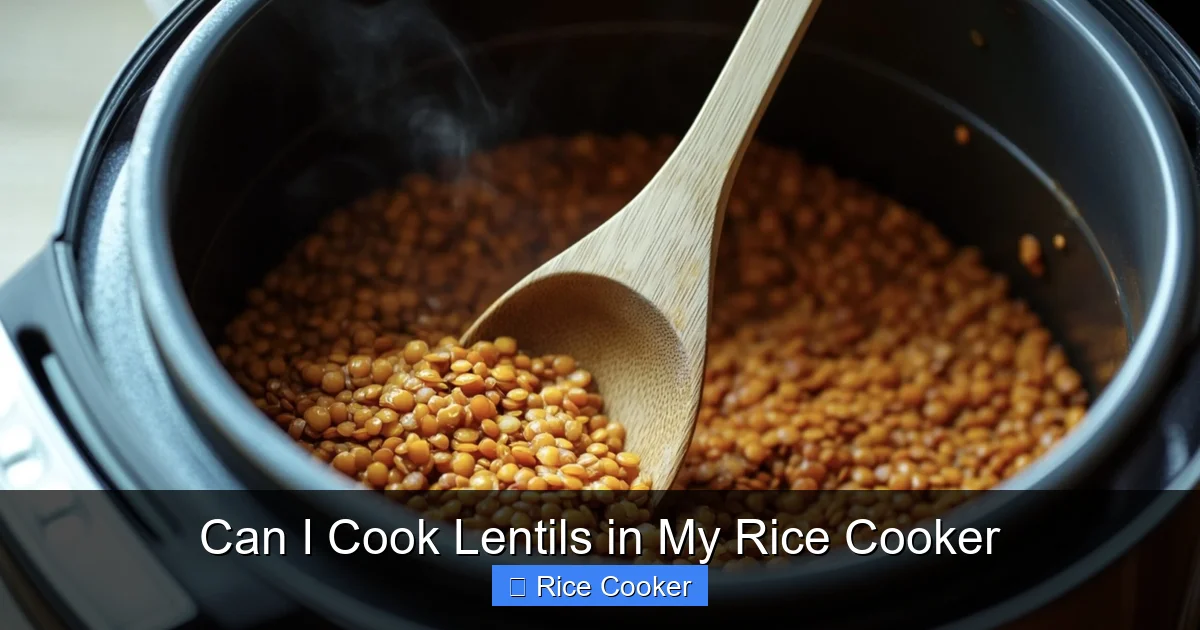
Visual guide about Can I Cook Lentils in My Rice Cooker
Image source: pulserecipes.com
Time-Saving Benefits
One of the biggest perks of cooking lentils in a rice cooker is speed. Most models come with pre-programmed settings that automatically switch to “warm” once cooking is done. This means no babysitting—just set it and forget it. For busy parents or anyone juggling multiple tasks, this is a game-changer.
Even Cooking Every Time
Rice cookers maintain a steady temperature throughout the process, which helps prevent scorching and ensures even doneness. No more half-done lentils or mushy ones—just perfectly cooked pulses ready to be seasoned and served.
Energy Efficiency
Compared to keeping a pot on the stove for 20–40 minutes, a rice cooker uses less energy, especially if you use the keep-warm function afterward. It’s a small step toward a greener kitchen.
Versatility Beyond Rice
Modern rice cookers often have multiple settings—like slow cook, steam, or porridge modes. Some advanced models even let you program custom timers. This flexibility makes them ideal for experimenting with different types of lentils and recipes.
Types of Lentils and Their Best Uses in a Rice Cooker
Not all lentils behave the same way when cooked. Understanding their textures and cooking times helps you choose the right ones and get the best results.
Red Lentils (Masoor Dal)
Red lentils break down easily during cooking, creating a creamy, soup-like consistency. They’re perfect for dals, lentil soups, or even breakfast porridge. Because they cook quickly (usually 15–20 minutes), they’re ideal for busy weeknights.
Green Lentils (Puy or French Green)
These retain their shape well and hold up beautifully in salads or grain bowls. They take longer to cook (about 25–30 minutes) and require slightly more liquid. Green lentils are great for adding protein and fiber to your meals without turning everything into mush.
Brown Lentils (Whole)
A bit firmer than green ones, brown lentils are excellent for pilafs, stews, or side dishes. They absorb flavors well and stay intact through reheating. Cooking time is similar to green lentils—around 25–30 minutes.
Black Beluga Lentils
Small, round, and dark, these lentils are nutty and hold their shape superbly. They’re fantastic in gourmet salads or as a base for veggie burgers. Expect a slightly longer cook time—about 25–30 minutes.
Pink or Yellow Lentils
These are somewhere between red and green in texture—creamy but still structured. They’re versatile and cook in about 20–25 minutes. Great for Middle Eastern dishes like lentil tabbouleh or spicy lentil curries.
How to Cook Lentils in Your Rice Cooker: Step-by-Step Guide
Ready to give it a try? Follow this simple guide for foolproof lentils every time.
Step 1: Measure Your Ingredients
Start by rinsing 1 cup of dried lentils under cold water to remove debris. Then measure out 2 cups of water (or broth for extra flavor). If you’re using a rice cooker with a measuring cup, that’s perfect—just make sure to level it off.
Step 2: Add to the Inner Pot
Place the rinsed lentils and water into the inner pot of your rice cooker. Don’t worry if it looks like too much liquid at first—lentils expand as they cook, but excess water will drain away during the cycle.
Step 3: Select the Right Mode
Press the “Cook” or “Rice” button—not “Quick Cook.” Quick cook modes use higher heat and shorter cycles, which can lead to uneven cooking or dry spots. Stick with standard settings for best results.
Step 4: Let It Do Its Thing
Close the lid and wait. Depending on the lentil variety, cooking usually takes 15–30 minutes. Once done, the cooker will switch to “Keep Warm.” Resist the urge to open the lid frequently—steam loss affects cooking time.
Step 5: Fluff and Season
After the cycle ends, gently fluff the lentils with a fork. At this point, you can add spices, salt, butter, or herbs. Adding salt too early can toughen lentils, so save it until the end.
Tips for Perfect Lentils Every Time
Even with the right method, small details matter. Here are pro tips to elevate your lentil game.
Don’t Overfill the Pot
Most rice cookers have a max fill line—stick to it! Overfilling can cause spills or uneven heating. If you need to cook a large batch, do it in two rounds.
Adjust Water Based on Desired Texture
For softer lentils (like in Indian dal), go with a 2.5:1 water ratio. For firmer ones (salad-friendly), use 1.8:1. Experiment to find your preference.
Soak When Needed
While most lentils don’t need soaking (especially split ones), soaking whole lentils for 30 minutes can cut cooking time by 5–10 minutes. Drain before adding to the cooker.
Use Broth Instead of Water
Vegetable, chicken, or even miso broth adds depth without extra effort. Just remember to reduce added salt later if needed.
Avoid Opening the Lid
Each time you open the lid, you lose heat and extend cooking time. Wait at least 10 minutes after the cycle ends before checking.
Store Leftovers Properly
Cooked lentils keep well in the fridge for up to 5 days or frozen for 3 months. Portion them into containers for easy meal prep.
Creative Ways to Use Cooked Lentils
Lentils aren’t just for dal! Once you master the basic method, the possibilities are endless.
Lentil Curry or Dal
Toss cooked lentils with coconut milk, tomatoes, ginger, garlic, and turmeric. Simmer briefly (or let the residual heat finish it) for a comforting, protein-rich meal.
Lentil Burgers or Patties
Mash cooled lentils with breadcrumbs, egg (or flaxseed binder), onions, and spices. Pan-fry or bake until golden. Serve in buns with avocado or tahini sauce.
Lentil Salad Bowls
Combine warm or chilled lentils with chopped cucumbers, cherry tomatoes, parsley, lemon juice, and olive oil. Top with feta or chickpeas for crunch.
Lentil Soup
Simmer lentils with carrots, celery, onions, and herbs for a nourishing soup. Blend part of it for a creamier texture if desired.
Lentil Breakfast Porridge
Make a savory oatmeal substitute with cooked lentils, turmeric, cumin, and a pinch of chili. Top with sautéed spinach and a fried egg.
Troubleshooting Common Issues
Even experts run into hiccups now and then. Here’s how to fix common problems.
Problem: Lentils Are Too Dry
This often happens with quick-cook settings or too little water. Next time, increase the liquid ratio and avoid opening the lid during cooking.
Problem: Lentils Are Mushy
Overcooked or high-heat settings cause this. Try reducing cooking time by 5 minutes or switching to a gentler heat mode if available.
Problem: Uneven Cooking
If some lentils are done and others aren’t, stir halfway through the cycle (if safe for your model). Otherwise, cook in smaller batches.
Problem: Taste Is Bland
Seasoning too early can dull flavors. Always add salt, spices, and fats after cooking. A splash of vinegar or lemon at the end brightens everything.
Comparing Rice Cooker vs. Stovetop vs. Instant Pot
You might wonder: which method is best? Let’s break it down.
| Method | Pros | Cons |
|---|---|---|
| Rice Cooker | Hands-off, consistent, energy-efficient, minimal cleanup | Limited capacity, less control over texture |
| Stovetop | Full control, great for large batches, traditional flavor | Requires monitoring, higher risk of burning |
| Instant Pot | Fast, pressurized cooking, keeps warm | Can overcook delicate lentils, louder noise |
For most home cooks, the rice cooker strikes the best balance between ease and quality. It’s ideal for everyday meals where you want reliable results without stress.
Safety Tips When Using Your Rice Cooker
Your rice cooker is a powerful kitchen appliance—use it safely.
Clean Regularly
Wipe the inner pot and lid after each use. Remove any residue to prevent mold or odors.
Avoid Metal Utensils
Use silicone, wood, or plastic tools only. Metal can scratch non-stick coatings.
Check Power Cord
Inspect cords for fraying or damage. Never immerse the base in water.
Follow Manufacturer Guidelines
Each model has unique specs. Always refer to the manual for capacity limits and care instructions.
Final Thoughts: Embrace the Convenience
Cooking lentils in your rice cooker isn’t just a shortcut—it’s a smarter way to cook. It saves time, reduces mess, and gives you tender, delicious results every single time. Whether you’re whipping up a quick lunch or meal-prepping for the week, this method fits seamlessly into your routine.
And the best part? You’re not limited to plain boiled lentils. With a little creativity, you can turn them into nutritious curries, satisfying salads, hearty soups, or even breakfast bowls. The rice cooker becomes your secret weapon for plant-based eating without the fuss.
So next time you see a bag of lentils in your pantry, don’t reach for the stovetop. Fire up that rice cooker instead—you’ll be amazed at how easy it is to make something truly nourishing.
Frequently Asked Questions
Can I cook red lentils in a rice cooker?
Yes, red lentils cook quickly in a rice cooker—usually in 15–20 minutes—and create a creamy texture perfect for dals or soups. Just use a 2:1 water-to-lentil ratio and avoid overcooking.
Do I need to soak lentils before cooking them in a rice cooker?
Not necessarily. Split lentils like masoor dal don’t require soaking, but whole lentils benefit from a 30-minute soak to reduce cooking time and improve texture.
What water ratio should I use for lentils in a rice cooker?
The standard is 2 cups water per 1 cup lentils for soft results. Adjust to 1.8:1 if you prefer firmer lentils, especially for salads or grain bowls.
Can I add salt to lentils while cooking in the rice cooker?
It’s better to add salt after cooking. Adding it too early can toughen the lentils and affect their final texture.
Will my rice cooker burn or stick to the bottom?
Stick happens mainly with low-quality cookers or insufficient liquid. Ensure you’re using enough water and don’t skip the rinse step. Non-stick pots help prevent this.
Can I cook other legumes like chickpeas or black beans in the rice cooker?
Yes, but they take longer—often 30–60 minutes depending on size and freshness. Soak overnight and increase liquid slightly for best results.