
Can I cook long grain rice in a rice cooker? The answer is a resounding yes! Long grain rice—like white or brown jasmine, basmati, or American long grain—is one of the most popular types cooked in rice cookers. With the right water-to-rice ratio and settings, your rice cooker will deliver consistently fluffy, separate grains every time. Whether you’re making everyday meals or preparing for a big gathering, cooking long grain rice in a rice cooker is simple, reliable, and hands-off.
Key Takeaways
- Long grain rice works perfectly in rice cookers: Rice cookers are designed to handle various rice types, including long grain varieties like basmati, jasmine, and American long grain.
- Proper water ratio is key: A 1:2 ratio (1 cup rice to 2 cups water) is ideal for most long grain rices, but some types may need slight adjustments.
- Pre-soaking improves texture: Soaking long grain rice for 20–30 minutes before cooking can lead to more even absorption and fluffier results.
- Use the right cooker setting: Most modern rice cookers have a “White Rice” or “Long Grain” setting—use it for best results.
- Let it rest after cooking: Allowing the rice to sit covered for 5–10 minutes after cooking helps steam finish the process and prevents sticking.
- Clean your rice cooker regularly: Residue buildup can affect future batches, so clean the inner pot and lid after each use.
- Experiment with seasonings: Add salt, butter, or broth to enhance flavor without changing the cooking method.
📑 Table of Contents
- Introduction: Why Long Grain Rice Belongs in Your Rice Cooker
- Understanding Long Grain Rice: What Makes It Special
- Why Choose a Rice Cooker for Long Grain Rice?
- Step-by-Step Guide: How to Cook Long Grain Rice in a Rice Cooker
- Pro Tips for Perfect Long Grain Rice
- Troubleshooting Common Issues
- Enhancing Flavor: Beyond Plain White Rice
- Can You Cook Other Grains in the Same Rice Cooker?
- Choosing the Right Rice Cooker for Long Grain Rice
- Storing and Reheating Leftover Long Grain Rice
- Conclusion: Mastering Long Grain Rice Has Never Been Easier
Introduction: Why Long Grain Rice Belongs in Your Rice Cooker
If you’ve ever wondered can I cook long grain rice in a rice cooker, you’re not alone. It’s one of the most common questions people ask when they first get a rice cooker—or when they’re trying to perfect their home-cooked meals. And the good news? Yes, absolutely. Long grain rice is not only compatible with rice cookers—it thrives in them.
Rice cookers were invented specifically to make cooking rice easy, consistent, and foolproof. Unlike stovetop methods that require constant attention and guesswork with heat control, a rice cooker does the heavy lifting for you. It automatically detects when the water has been absorbed and switches from cooking to warming mode. This precision is especially beneficial for long grain rice, which needs careful hydration to avoid becoming mushy or undercooked.
In this comprehensive guide, we’ll walk through everything you need to know about cooking long grain rice in a rice cooker—from choosing the right type of rice to mastering water ratios, timing, and even flavor enhancements. Whether you’re a beginner or a seasoned cook looking to refine your technique, you’ll find practical tips and expert advice to make every bowl of rice a success.
Understanding Long Grain Rice: What Makes It Special
Before diving into the how-to, it’s important to understand what makes long grain rice unique. Unlike short or medium grain varieties (like sushi or arborio rice), long grain rice has a slender shape and contains less starch. This lower starch content means it stays separate and fluffy when cooked—ideal for dishes like fried rice, pilafs, or simply enjoying with a protein and vegetables.
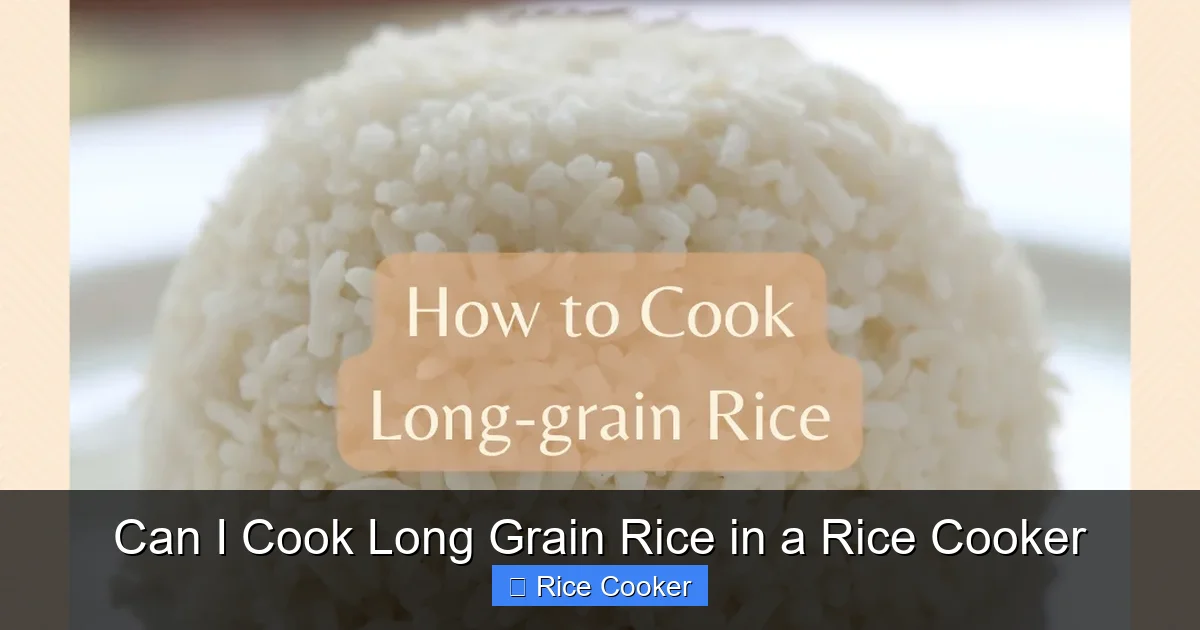
Visual guide about Can I Cook Long Grain Rice in a Rice Cooker
Image source: yourpinaymomma.com
Popular Types of Long Grain Rice
- Basmati: Known for its fragrant aroma and light, fluffy texture. Often used in Indian and Pakistani cuisine.
- Jasmine: Aromatic Thai rice with a slightly sticky texture when cooked, but still maintains individual grains.
- American Long Grain: Commonly found in U.S. supermarkets; neutral flavor and reliable cooking performance.
- Parboiled (Converted): Partially boiled in the husk, then dried. Retains nutrients and cooks evenly with a firmer texture.
Each type has slightly different water requirements and cooking times, but all respond well to the controlled environment of a rice cooker.
Why Choose a Rice Cooker for Long Grain Rice?
You might be thinking, “Isn’t a rice cooker just for basic white rice?” Not at all. Modern rice cookers are equipped with advanced sensors and multiple cooking programs designed to handle a wide variety of grains—including long grain types. Here’s why a rice cooker is the ideal tool:
- Precise Temperature Control: Maintains the right temperature throughout cooking to prevent overcooking or drying out.
- Automatic Shutoff: Once the water is absorbed, it switches to warm mode, preventing scorching or burning.
- Consistency: Every batch comes out the same, whether it’s your 1st or 100th time cooking.
- Hands-Free Convenience: Set it and forget it—perfect for busy mornings or meal prep.
Plus, many rice cookers come with keep-warm functions that maintain ideal serving temperature for hours, making them great for entertaining.
Step-by-Step Guide: How to Cook Long Grain Rice in a Rice Cooker
Ready to make perfect long grain rice? Follow these simple steps for foolproof results every time.
1. Measure Your Rice and Water Accurately
The foundation of great rice is the right water-to-rice ratio. For most long grain rices, use a 1:2 ratio—one cup of uncooked rice to two cups of water. However, this can vary slightly depending on the type:
| Long Grain Rice Type | Water Ratio | Notes |
|---|---|---|
| White Basmati | 1:1.75 | Lighter, less water needed |
| Brown Jasmine | 1:2.25 | Higher fiber content absorbs more water |
| American Long Grain | 1:2 | Standard ratio works best |
| Parboiled | 1:1.75 | Dense, so less water required |
Always rinse your rice first to remove excess starch, which can make the rice gummy if left unchecked.
2. Rinse the Rice Thoroughly
Place your rice in a fine-mesh strainer and rinse under cold running water until the water runs clear. This removes surface starch and helps the grains stay separate. Skipping this step can result in clumpy, sticky rice—especially with high-starch varieties like jasmine.
3. Add Rice and Water to the Inner Pot
Transfer the rinsed rice to the inner pot of your rice cooker. Pour in the measured water, then gently stir once with a spoon. Avoid stirring too much—this can damage the grains.
4. Select the Right Cooking Setting
Most rice cookers have preset modes. For long grain rice, choose:
- “White Rice”
- “Long Grain”
- Or “Normal”
Avoid “Quick Cook” or “Instant” settings unless your rice cooker specifically supports them for long grain rice—they may overcook or undercook the grains.
5. Start Cooking and Let It Do Its Thing
Close the lid and press the start button. The rice cooker will take about 18–30 minutes to complete the cycle, depending on the rice type and cooker model. You’ll hear a beep when it’s done.
6. Rest and Fluff
Once the cycle ends, let the rice sit, covered, for 5–10 minutes. This allows residual steam to finish cooking the grains evenly and prevents them from breaking apart. After resting, fluff the rice gently with a fork or rice paddle.
Pro Tips for Perfect Long Grain Rice
Even with the right steps, small details can make a big difference. Try these pro tips to elevate your rice game:
- Soak for Extra Fluffiness: Soak rinsed rice for 20–30 minutes before cooking. This helps the grains absorb water evenly and results in more uniform texture.
- Use Filtered or Room-Temperature Water: Cold tap water can affect cooking time, while filtered water improves taste and consistency.
- Add Fat for Moisture: Stir in a tablespoon of butter, oil, or ghee before cooking to add richness and prevent dryness.
- Season While Cooking: Add a pinch of salt or a splash of broth instead of plain water for extra flavor.
- Don’t Open the Lid During Cooking: Steam escapes and temperature drops, which can disrupt the cooking process.
- Clean Immediately After Use: Wash the inner pot and lid with warm, soapy water to prevent rice residue from hardening.
Troubleshooting Common Issues
Despite your best efforts, you might run into a few hiccups. Here’s how to fix them:
Problem: Rice Is Too Dry or Crunchy
This usually means there wasn’t enough water. Next time, increase the water slightly—try adding an extra quarter cup per cup of rice. Also, ensure your rice cooker is heating properly and not skipping steps.
Problem: Rice Is Sticky or Gluey
Over-stirring or using too much water can cause this. Always rinse thoroughly and stick to the recommended water ratio. If it happens again, reduce water by a small amount next time.
Problem: Uneven Grains (Some Soft, Some Hard)
This suggests inconsistent soaking or poor distribution of water. Try measuring more precisely and gently mixing once before cooking—no vigorous stirring.
Problem: Rice Burned or Burnt Smell
This often happens if the inner pot isn’t clean or if the heating plate has residue. Clean the cooker after every use, and check that the heating element is free of buildup.
Enhancing Flavor: Beyond Plain White Rice
Cooking long grain rice doesn’t have to be boring. With a few simple additions, you can transform it into a flavorful side dish or even a main course.
Add Aromatics
Sauté onions, garlic, or ginger in oil before adding rice and water. This infuses the grains with deep, savory notes.
Use Broth Instead of Water
Replace half or all of the water with chicken, vegetable, or mushroom broth for extra umami and moisture.
Infuse with Herbs and Spices
Add bay leaves, cinnamon sticks, or cardamom pods during cooking for subtle, aromatic flavors—great for pilafs or biryanis.
Dairy or Cream for Richer Texture
For a creamier version, replace some water with milk or coconut milk (great for jasmine rice in Asian desserts).
Try a Dash of Lemon Juice or Vinegar
This brightens the flavor and prevents the rice from being too flat—ideal for salads or grain bowls.
Can You Cook Other Grains in the Same Rice Cooker?
Absolutely! Many rice cookers are versatile enough to handle other grains—quinoa, millet, barley, and even oats. Just adjust the water ratio accordingly. For example, quinoa typically uses a 1:2.5 ratio, while barley needs more liquid and longer cooking time. Some models even have dedicated settings for these alternatives.
However, always check your rice cooker manual first. Not all models support mixed-grain cooking or have the right settings.
Choosing the Right Rice Cooker for Long Grain Rice
Not all rice cookers are created equal. To get the best results with long grain rice, consider these features:
- Fuzzy Logic Technology: Sensors detect moisture levels and adjust cooking time automatically—ideal for consistent results.
- Multiple Settings: Look for “White Rice,” “Long Grain,” “Brown Rice,” and “Mixed Grains” options.
- Non-Stick Inner Pot: Easy to clean and prevents rice from sticking.
- Large Capacity: Choose based on household size—1–2 cups for individuals, up to 10 cups for families.
- Keep-Warm Function: Maintains temperature for hours without overcooking.
Top brands like Zojirushi, Panasonic, and Cuckoo offer excellent models with advanced features tailored for long grain rice.
Storing and Reheating Leftover Long Grain Rice
Proper storage keeps your rice fresh and safe to eat. Learn more about safe storage practices in our guide on leaving cooked rice out of the fridge. Always cool cooked rice within two hours of cooking. Store it in an airtight container in the refrigerator for up to 5 days. For longer storage, freeze in portion-sized bags for up to 3 months.
To reheat, place the rice in a microwave-safe dish, sprinkle a little water over it, cover loosely, and heat in 30-second intervals until warmed through. Alternatively, steam it in a pot with a splash of water for 5–7 minutes.
Conclusion: Mastering Long Grain Rice Has Never Been Easier
So, can I cook long grain rice in a rice cooker? The answer is yes—and now you know exactly how to do it right. From understanding the types of long grain rice to mastering water ratios, timing, and flavor enhancements, your rice cooker is ready to deliver restaurant-quality rice at home.
With just a little practice and these proven techniques, you’ll never go back to guessing on the stovetop again. Whether you’re making everyday meals or preparing a special dinner, long grain rice cooked in a rice cooker offers unbeatable convenience, consistency, and delicious results.
Next time you reach for a bag of basmati, jasmine, or American long grain rice, remember: your rice cooker is your best friend. Trust the process, follow the steps, and enjoy perfectly fluffy, aromatic rice every single time.
Frequently Asked Questions
Can I cook long grain brown rice in a rice cooker?
Yes, long grain brown rice works well in rice cookers. Use a 1:2.25 water-to-rice ratio and select the “Brown Rice” setting if available. It may take longer to cook than white rice—usually 45–60 minutes.
Do I need to soak long grain rice before cooking?
Soaking is optional but recommended. Soaking for 20–30 minutes helps the rice absorb water evenly, resulting in fluffier, more uniform grains. It’s especially helpful for basmati and jasmine rice.
What’s the best water-to-rice ratio for long grain rice?
The standard ratio is 1 cup rice to 2 cups water. Adjust slightly based on rice type—basmati may need 1:1.75, while brown rice may require 1:2.25 for proper hydration.
Can I cook multiple types of rice in the same rice cooker?
Yes, most modern rice cookers allow you to switch between settings for different rice types. Just rinse each batch separately and use the correct water ratio and cooking time for each grain. For example, you can also try cooking Arborio rice using our guide.
How do I prevent long grain rice from sticking together?
Always rinse the rice thoroughly before cooking to remove excess starch. Use the correct water ratio, avoid over-stirring, and let the rice rest covered for 5–10 minutes after cooking.
Can I add flavorings like salt or butter to long grain rice in the rice cooker?
Absolutely. Add a pinch of salt or a teaspoon of butter or oil directly to the rice and water before cooking. This enhances flavor without affecting the cooking process.