
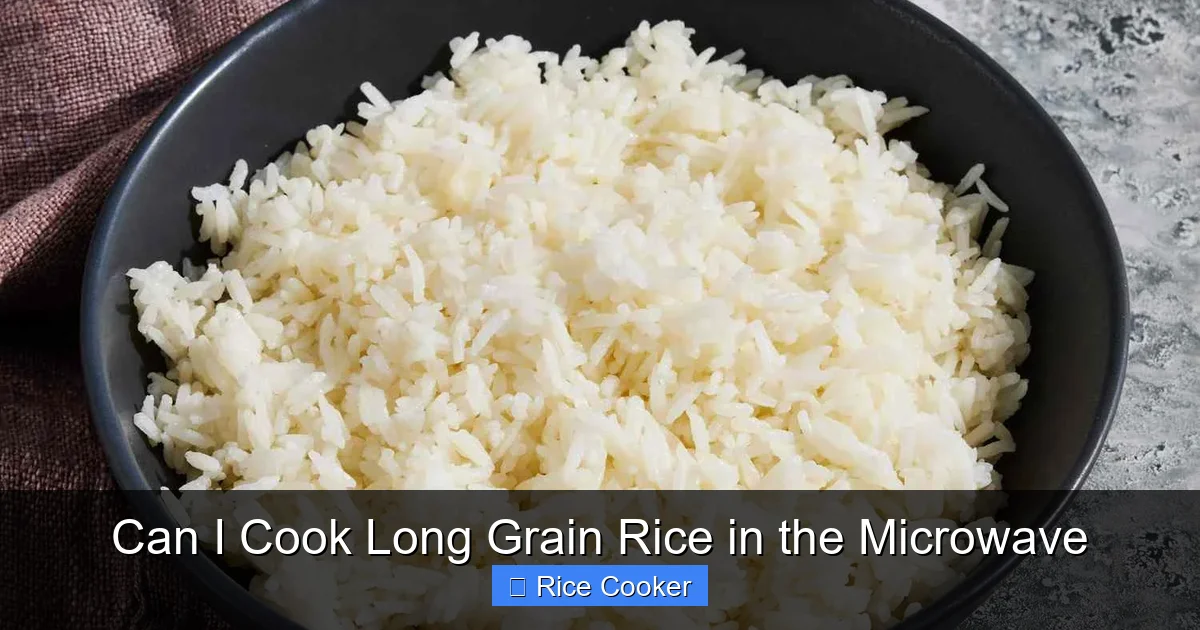
Cooking long grain rice in the microwave is not only possible but also surprisingly effective. With the right technique, water ratio, and timing, you can achieve fluffy, restaurant-quality results in under 10 minutes. Whether you’re in a hurry or don’t own a rice cooker, this method saves time and uses minimal cleanup.
Key Takeaways
- Microwave-safe container required: Always use a heat-resistant glass or ceramic dish to avoid melting plastic or shattering glass.
- Correct water-to-rice ratio: Use 1.5 cups of water for every 1 cup of long grain rice for ideal texture.
- Cover and vent properly: Covering traps steam while leaving a small vent prevents overflow and ensures even cooking.
- Let it rest after cooking: Resting allows residual heat to finish cooking the rice evenly without overcooking.
- Adjust for altitude and brands: High-altitude cooking may need slightly more water; different brands absorb moisture differently.
- Cleanup is simple: Most rice sticks to the bottom—just add a bit more water and reheat gently to loosen.
- No rice cooker? No problem: This method works as an excellent alternative when your rice cooker breaks or is unavailable.
📑 Table of Contents
- Can I Cook Long Grain Rice in the Microwave?
- The Science Behind Microwaving Rice
- What You’ll Need to Cook Long Grain Rice in the Microwave
- Step-by-Step Guide: How to Cook Long Grain Rice in the Microwave
- Tips for Perfect Microwave Rice Every Time
- Troubleshooting Common Issues
- Microwave Rice vs. Rice Cooker: Which Is Better?
- Creative Ways to Use Microwaved Rice
- Environmental and Energy Considerations
- Final Thoughts: Should You Try It?
Can I Cook Long Grain Rice in the Microwave?
If you’ve ever found yourself staring into the kitchen cabinet, wondering whether you can actually cook long grain rice in the microwave, the answer is a confident yes. While traditional methods often involve a pot on the stove or a dedicated rice cooker, the humble microwave has evolved into a surprisingly capable tool for preparing one of the world’s most beloved grains. In fact, many home cooks swear by this method—especially when they’re short on time or simply don’t own a rice cooker.
Long grain rice, such as white basmati, jasmine, or American long grain, thrives in moist, high-heat environments. The microwave excels at generating steam quickly and evenly, which mimics the gentle simmering process used in stovetop cooking. With just a few adjustments—like the right container, precise water ratios, and proper timing—you can produce fluffy, separate grains that are tender yet firm. And the best part? Cleanup is minimal, and the entire process takes less than 10 minutes.
The Science Behind Microwaving Rice
Understanding how microwaves work makes it easier to see why this method can be so effective. Microwaves heat food by agitating water molecules, creating friction that generates heat. When rice absorbs water and heats up in the microwave, the starch granules swell and gelatinize, transforming raw kernels into cooked grains. The key is maintaining enough moisture throughout the process so the rice doesn’t dry out or burn.

Visual guide about Can I Cook Long Grain Rice in the Microwave
Image source: recipes.net
Why Long Grain Rice Works Best
Not all rice types are created equal when it comes to microwave cooking. Long grain rice, in particular, performs well because of its low starch content and elongated shape. These characteristics allow each grain to cook uniformly without clumping. Short grain varieties like sushi rice or arborio tend to stick together more easily in a microwave, making them trickier to manage unless extra care is taken with stirring or ventilation.
How Microwaves Create Steam
One of the biggest advantages of microwaving rice is rapid steam generation. Unlike stovetop cooking, where heat transfers slowly through conduction, microwaves penetrate the food directly, causing water to boil instantly. This means that within minutes, your rice will begin to steam, cooking from the inside out. To control this process, it’s essential to cover the dish to trap steam and prevent evaporation.
What You’ll Need to Cook Long Grain Rice in the Microwave
You don’t need fancy equipment or specialized tools. In fact, most of what you need is already in your kitchen. Here’s a quick checklist to get started:
- 1 cup of long grain rice – rinsed and drained
- 1½ cups of water – filtered or tap, room temperature
- A microwave-safe bowl or dish – glass or ceramic works best
- Chef’s knife or spoon – for fluffing and checking doneness
- Lid or microwave-safe plate – to cover the bowl
- Paper towel or vented lid – optional, for better steam release control
Make sure your container is large enough to hold the rice and water without spilling. A 2-quart bowl is usually sufficient. Avoid metal—it reflects microwaves and won’t heat evenly.
Step-by-Step Guide: How to Cook Long Grain Rice in the Microwave
Follow these simple steps for foolproof results every time. This method yields about 3 cups of cooked rice.
Step 1: Rinse the Rice
Place your uncooked long grain rice in a fine-mesh strainer and rinse under cold running water until the water runs clear. Rinsing removes excess starch, which prevents the rice from becoming sticky. It also helps reduce the risk of arsenic contamination, especially in certain imported varieties.
Step 2: Combine Rice and Water
In your microwave-safe bowl, combine the rinsed rice and 1½ cups of water. Stir gently to ensure even distribution. The standard ratio for long grain rice is 1:1.5 (rice to water). This balance ensures the rice absorbs enough moisture to cook fully without turning mushy.
Step 3: Cover the Bowl
Place a lid or microwave-safe plate over the bowl. If you don’t have a lid, fold a damp paper towel over the top—this creates a breathable barrier that controls steam flow. Make sure there’s a small opening to allow excess vapor to escape, preventing pressure buildup.
Step 4: Microwave on High
Cook on high power for 10 to 12 minutes. The exact time depends on your microwave’s wattage. For example:
- 1000-watt microwave: ~10 minutes
- 800-watt microwave: ~12–14 minutes
- 600-watt microwave: ~15–18 minutes
Start with 10 minutes and check for doneness. Overcooking can make the rice tough or gummy.
Step 5: Let It Rest
Once the timer goes off, remove the bowl carefully (it will be hot!) and let it sit, covered, for 5 minutes. This resting period allows the remaining heat to finish cooking the rice evenly. Fluff the rice gently with a fork before serving.
Tips for Perfect Microwave Rice Every Time
Even with the right recipe, small details can make a big difference. Here are some pro tips to elevate your microwave rice game.
Use Room Temperature Water
Starting with cold water can delay cooking because it takes longer to reach boiling point. Using room temperature water ensures faster, more consistent heating.
Don’t Lift the Lid Too Soon
Avoid peeking during cooking. Every time you open the microwave, you lose heat and steam, which can disrupt the cooking process. Trust the timer and resist the urge to check too early.
Adjust for Altitude
If you live at high elevation (above 3,000 feet), water boils at a lower temperature, which can affect cooking time. Increase cooking time by 1–2 minutes and consider adding an extra ¼ cup of water.
Fluff Before Serving
After resting, use a fork to gently fluff the rice. This separates the grains and improves texture. Be careful not to mash them—fluffing should be light and airy.
Store Leftovers Properly
Refrigerate cooked rice within two hours of cooking. Store in an airtight container for up to 3 days. Reheat by adding a splash of water and covering again in the microwave for 1–2 minutes.
Troubleshooting Common Issues
Even experienced cooks run into hiccups now and then. Here’s how to fix common problems.
Rice Is Too Dry
If your rice is hard or crunchy, it likely didn’t absorb enough water. Add 1–2 tablespoons of water to the bowl, cover, and microwave for another 1–2 minutes. Let it sit before fluffing.
Rice Is Sticky or Clumpy
This usually happens if the rice wasn’t rinsed well or cooked too long. Next time, rinse thoroughly and reduce cooking time slightly. Also, avoid pressing down on the rice with the fork.
Bowl Leaks or Overflows
To prevent spills, use a deep bowl and ensure the lid fits snugly. If using a paper towel, tuck the edges under the rim to keep it secure. Elevating the lid slightly with a spoon creates a vent for steam.
Burnt Bottom Layer
This occurs when the rice sticks to the bottom of the bowl. Next time, stir the rice once halfway through cooking (if safe with your lid), or use a slightly larger amount of water. A non-stick bowl helps prevent sticking.
Microwave Rice vs. Rice Cooker: Which Is Better?
Many people wonder whether microwaving rice is as good as using a rice cooker. The truth is, both methods have pros and cons depending on your priorities.
Rice cookers offer consistent temperature control, automatic shut-off, and built-in steaming trays for veggies or eggs. They’re ideal for meal prep and families who eat rice daily. However, they take up counter space and cost money.
Microwaving rice is faster, cheaper, and requires no special appliance. It’s perfect for single servings, dorm kitchens, or emergency situations. While it lacks automation, it’s highly adaptable and produces great results with practice.
In short, if you only cook rice occasionally, the microwave is a smart choice. If you’re a frequent rice eater, investing in a rice cooker may save time and improve consistency over time.
Creative Ways to Use Microwaved Rice
Once you master the basics, you can experiment with flavors and textures. Here are some fun ideas:
- Garlic Herb Rice: Add minced garlic and fresh herbs (like parsley or cilantro) to the water before cooking.
- Spiced Rice: Toss in a pinch of turmeric, cinnamon, or curry powder for a golden, aromatic side dish.
- Coconut Rice: Replace half the water with coconut milk for a creamy, tropical flavor.
- Fried Rice Ready: Cook rice a day ahead, refrigerate, then sauté with soy sauce, vegetables, and scrambled egg.
These variations show how versatile microwave rice can be—even without a stovetop!
Environmental and Energy Considerations
Microwaving rice uses significantly less energy than boiling a full pot of water on the stove. Since you’re only heating the amount needed, there’s less waste and faster cooking times. For eco-conscious cooks, this method reduces water usage and energy consumption—making it a greener option compared to traditional boiling.
Additionally, using a microwave-safe glass bowl instead of disposable containers helps cut down on plastic waste. Just remember to recycle or reuse the bowl responsibly.
Final Thoughts: Should You Try It?
Cooking long grain rice in the microwave isn’t just possible—it’s practical, efficient, and delicious. Whether you’re a college student, a busy parent, or someone living solo, this method offers a reliable way to enjoy perfectly cooked rice without the fuss. With minimal ingredients, no special equipment, and under 10 minutes of active time, it’s a kitchen hack worth mastering.
Give it a try today. Your future self will thank you for saving time, reducing cleanup, and still enjoying fluffy, fragrant rice with every bite.
Frequently Asked Questions
Can I cook brown long grain rice in the microwave?
Yes, but it requires more water and longer cooking time. Use a 1:2.5 ratio (1 cup rice to 2.5 cups water) and cook for 15–20 minutes on high, letting it rest afterward.
Do I need to soak long grain rice before microwaving?
Soaking isn’t necessary for long grain rice in the microwave. Rinsing is sufficient. Soaking is more beneficial for short grain or wild rice varieties.
Can I freeze microwaved rice?
Absolutely. Cool cooked rice completely, portion it into freezer bags or containers, and store for up to 2 months. Thaw overnight in the fridge before reheating.
What type of rice works best in the microwave?
White long grain rice (like basmati, jasmine, or regular long grain) works best due to its low starch content and even cooking properties.
Is microwave rice safe to eat?
Yes, as long as you follow safe food practices—use clean utensils, store leftovers promptly, and reheat thoroughly—microwave rice is perfectly safe to consume.
Can I cook rice directly in a plastic container?
Only use containers labeled “microwave-safe.” Regular plastic can melt or leach chemicals when heated. Glass or ceramic is always safer.