
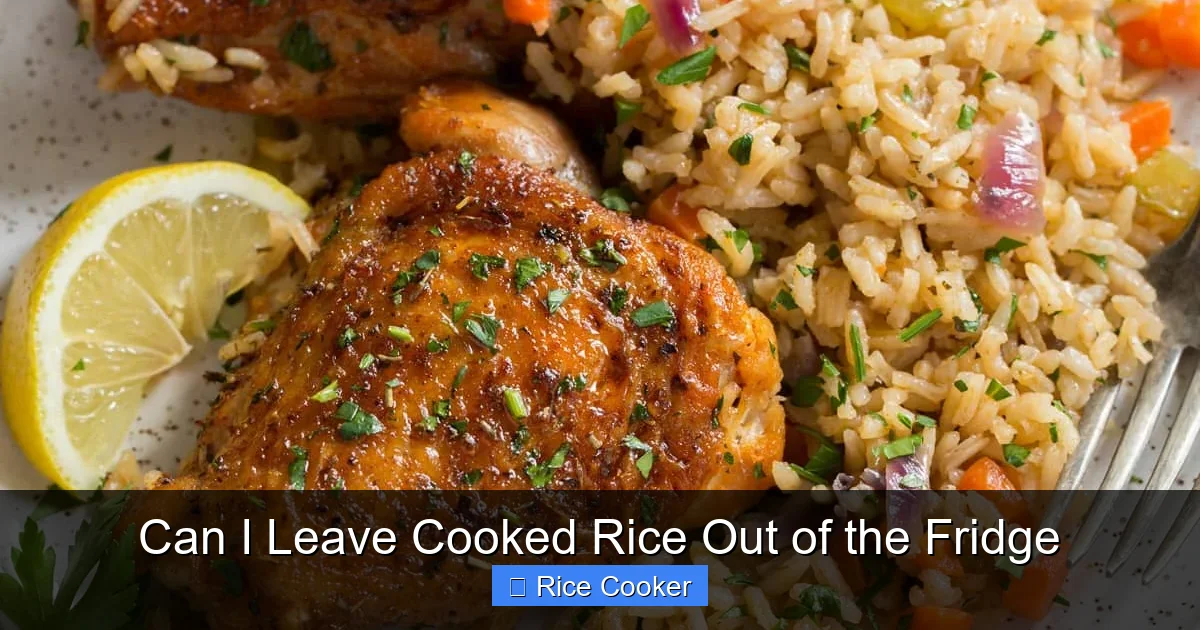
Leaving cooked rice out of the fridge is not recommended. Rice contains spores of Bacillus cereus bacteria that can survive cooking and multiply in warm, moist environments. When left at room temperature for more than 2 hours, the risk of food poisoning increases significantly. Always refrigerate cooked rice within 1 hour of preparation to stay safe and enjoy your meals.
Key Takeaways
- Rice can grow dangerous bacteria: Cooked rice may contain Bacillus cereus spores that produce toxins when left at room temperature.
- Time is critical: Do not leave cooked rice at room temperature for more than 2 hours (or 1 hour if the ambient temperature exceeds 90°F/32°C).
- Refrigeration slows bacterial growth: Storing rice in the fridge at or below 40°F (4°C) keeps it safe for up to 4–6 days.
- Reheating kills bacteria but not toxins: Warming rice doesn’t destroy heat-stable toxins produced by Bacillus cereus.
- Cold chain matters: Use shallow containers, cool quickly, and reheat thoroughly to maintain food safety.
- Signs of spoiled rice: Watch for unusual smells, slimy texture, or mold—discard immediately if any appear.
- Best practices prevent illness: Plan portions wisely, store promptly, and follow safe handling guidelines every time.
📑 Table of Contents
- Can I Leave Cooked Rice Out of the Fridge?
- The Science Behind Cooked Rice and Bacteria
- How Long Can You Safely Leave Cooked Rice Out?
- What Happens If You Leave Rice Out Overnight?
- Safe Storage Practices for Cooked Rice
- Rice Cookers and Food Safety
- Common Misconceptions About Leftover Rice
- Practical Tips for Busy Families
- When to Discard Rice
- Conclusion: Keep It Safe, Keep It Simple
Can I Leave Cooked Rice Out of the Fridge?
We’ve all been there. You cook a big batch of rice for dinner, and instead of storing it right away, life gets in the way. Maybe you’re rushing to clean up or just want to enjoy the warm rice now before it goes cold. But have you ever stopped to wonder: Is it okay to leave cooked rice out of the fridge?
This is a question many home cooks ask—especially those who love rice-based dishes like fried rice, sushi, or rice bowls. While it might seem harmless to let leftover rice sit on the counter, the truth is more complex than it appears. Understanding how rice behaves after cooking—and how bacteria thrive in certain conditions—can help you make safer choices in your kitchen.
In this article, we’ll explore everything you need to know about leaving cooked rice out of the refrigerator, including the science behind foodborne illness, practical tips for safe storage, and what to do if you accidentally leave rice sitting too long. Whether you’re using a traditional pot or a modern rice cooker, these guidelines apply to all types of cooked rice.
The Science Behind Cooked Rice and Bacteria
Visual guide about Can I Leave Cooked Rice Out of the Fridge
Image source: repairinuae.com
Cooked rice isn’t just plain white grains—it’s a perfect environment for bacterial growth if not handled properly. The reason lies in a spore-forming bacterium called Bacillus cereus. This microbe is naturally present in soil and can easily contaminate rice during growing or harvesting.
Here’s what happens next:
When raw rice is cooked, the high heat usually kills most bacteria—including Bacillus cereus cells. However, spores of this bacterium are highly resistant to heat. These spores can survive boiling and remain dormant in the rice even after cooking.
Once the rice cools down, especially when left at room temperature, the spores wake up. In warm, moist conditions (which cooked rice provides), they begin to multiply rapidly. Within hours, they start producing toxins—some of which can cause food poisoning.
There are two main types of food poisoning associated with Bacillus cereus:
– Emetic toxin: Causes nausea and vomiting within 1–5 hours after eating contaminated rice. This type is often linked to leftover rice that was left out too long.
– Enterotoxin: Leads to diarrhea and stomach cramps about 6–15 hours later. This results from improperly stored or reheated rice.
The scary part? Even if you reheat rice thoroughly (which kills live bacteria), it won’t destroy the toxins already formed. That’s why simply warming up leftover rice doesn’t guarantee safety.
How Long Can You Safely Leave Cooked Rice Out?
The general rule of thumb comes straight from the U.S. Food and Drug Administration (FDA): Do not leave cooked rice at room temperature for more than 2 hours. If the outside air temperature is above 90°F (32°C), reduce this window to just 1 hour.
Why such strict timing? Because bacterial growth follows predictable patterns based on temperature:
| Temperature Range | Bacterial Activity |
|——————-|——————–|
| Below 40°F (4°C) | Minimal growth |
| 40–140°F (4–60°C) | Rapid multiplication (“danger zone”) |
| Above 140°F (60°C) | Heat kills bacteria |
Cooked rice enters the “danger zone” almost immediately after cooling begins. Within 2 hours, enough toxins may accumulate to cause illness—even if no one notices spoilage signs.
Many people mistakenly believe that because rice looks and smells fine, it must be safe. But visual cues aren’t reliable indicators of contamination. Bacillus cereus doesn’t change the color, smell, or taste of rice. You could eat it and still get sick.
What Happens If You Leave Rice Out Overnight?
Let’s say you forgot to put the rice in the fridge last night. It sat on the counter overnight—maybe 8 to 10 hours. Is it still edible?
Unfortunately, no. Most experts agree that rice left out overnight should be discarded. By then, bacteria have likely multiplied to dangerous levels, and toxins may already be present.
Even if someone eats the rice and feels fine the next day, symptoms might appear hours later—or not until several days have passed. This delayed onset makes it hard to trace back to contaminated rice as the cause.
If you suspect someone ate unsafe rice, monitor them for symptoms like:
– Sudden nausea or vomiting
– Watery diarrhea
– Abdominal pain
– Mild fever
Most cases resolve on their own within 24 hours, but severe dehydration requires medical attention—especially in children, elderly individuals, or people with weakened immune systems.
Safe Storage Practices for Cooked Rice
Now that we understand the risks, here’s how to keep your rice—and your family—safe:
1. Cool Quickly
After cooking, spread rice out in shallow containers or place it in wide bowls to speed up cooling. The goal is to bring it from hot to cold as fast as possible, ideally within 1–2 hours.
2. Refrigerate Promptly
Store cooled rice in airtight containers in the refrigerator within 1 hour of cooking. Don’t let it sit longer than 2 hours total at room temperature.
3. Label and Date
Write the date on the container so you know how long it’s been stored. Freshly cooked rice lasts best when consumed within 4–6 days.
4. Reheat Thoroughly
Before eating, reheat rice to an internal temperature of at least 165°F (74°C). Stir frequently to ensure even heating. Never microwave rice without adding a little water—it dries out and promotes uneven cooking.
5. Avoid Cross-Contamination
Use clean utensils when removing rice from the container. Don’t reuse old serving spoons that touched uncooked ingredients or raw foods.
6. Freeze for Long-Term Storage
If you won’t use rice within a week, freeze it in freezer-safe bags or containers. Frozen rice stays safe for up to 1 month. Thaw in the fridge overnight before reheating.
Rice Cookers and Food Safety
If you use a rice cooker regularly, you’re probably wondering: “Does my machine affect how I should store rice?”
The short answer: No. Whether you cook rice in a stovetop pot or an electric rice cooker, the same food safety rules apply. Both methods reach boiling temperatures that kill most bacteria—but they also leave behind heat-resistant spores.
That said, some rice cookers come with keep-warm functions that cycle between temperatures (usually around 150–170°F / 65–75°C) to maintain warmth. While convenient, this feature does not eliminate bacterial risk. Leaving rice in the keep-warm mode for extended periods (over 2 hours) increases the chance of toxin production.
For maximum safety:
– Turn off the keep-warm function once rice is fully cooked.
– Transfer rice to a separate container if needed.
– Follow standard refrigeration guidelines.
Modern rice cookers often include timers and auto-off features, which help prevent overcooking—but don’t rely on them for food safety. Always treat cooked rice as potentially hazardous until proven otherwise through proper storage.
Common Misconceptions About Leftover Rice
Despite decades of warnings, myths about rice safety persist. Let’s clear up a few:
Myth #1: “Rice becomes safe after being frozen.”
False. Freezing stops bacterial growth but doesn’t kill Bacillus cereus spores or destroy existing toxins. Thawed rice still poses a risk if not handled correctly.
Myth #2: “I’ll just boil it again—that will make it safe.”
Boiling won’t help. Toxins produced by Bacillus cereus are heat-stable and survive boiling. The only way to eliminate live bacteria is thorough reheating to 165°F (74°C).
Myth #3: “If it smells normal, it’s fine.”
Bacillus cereus doesn’t alter the aroma or appearance of rice. Relying on smell is unreliable. When in doubt, throw it out.
Myth #4: “Brown rice is safer than white rice.”
Not necessarily. Both types carry the same bacterial risks. The difference lies in fiber content and cooking time—not food safety.
Practical Tips for Busy Families
Balancing meal prep, work, and family life can make safe food handling challenging. Here are some real-world strategies:
Prep Ahead on Weekends
Cook a large batch of rice at the start of the week. Divide into single servings, label, and freeze. Just thaw and reheat as needed.
Use Smaller Portions
Instead of cooking a full recipe, make half at a time. Smaller amounts cool faster and reduce waste.
Invest in Good Containers
Choose stackable, leak-proof containers with tight lids. Glass or BPA-free plastic works well. Avoid metal containers that can react with acidic sauces.
Set Reminders
Place a sticky note near your stove or rice cooker: “Store rice within 1 hour!” A phone alarm can also help.
Educate Household Members
Make sure everyone in your home knows why rice needs refrigeration. Kids especially love helping with cleanup—teach them the “cool, cover, chill” method.
When to Discard Rice
Even with careful handling, sometimes things go wrong. Know when to toss your rice:
- Slimy texture: Indicates bacterial breakdown of starches.
- Unusual odor: Sweet, sour, or rotten smells signal spoilage.
- Mold growth: Visible fuzzy spots mean immediate disposal.
- Exceeded storage time: Rice older than 6 days in the fridge is unsafe.
- Unknown source: Restaurant or catered rice should be treated as high-risk unless you’re certain it was stored properly.
Remember: When in doubt, throw it out. It’s better to lose a meal than risk illness.
Conclusion: Keep It Safe, Keep It Simple
So, can you leave cooked rice out of the fridge? Technically, for up to 2 hours—but honestly, it’s never worth the gamble. The potential consequences of food poisoning far outweigh the convenience of skipping the fridge.
By following simple steps—cooling quickly, refrigerating promptly, reheating thoroughly—you protect yourself and your loved ones from avoidable illness. And yes, even rice lovers deserve peace of mind when enjoying their favorite meals.
Whether you’re making sushi rolls, fried rice, or creamy risotto, treat every batch of cooked rice with respect. Your future self (and your taste buds) will thank you.
Frequently Asked Questions
Can I eat rice that’s been left out for 3 hours?
It depends on the temperature. If the room is cooler than 90°F (32°C), rice left out for 3 hours may still be safe if refrigerated immediately. However, if it’s warmer, bacteria can multiply rapidly, increasing the risk of food poisoning. When in doubt, it’s safest to discard it.
How do I know if rice has gone bad?
Signs of spoiled rice include a slimy texture, foul odor, mold growth, or discoloration. Bacillus cereus itself doesn’t change appearance or smell, so rely on these physical cues. If you notice any, throw the rice away immediately—do not taste it to check.
Does freezing rice kill bacteria?
Freezing stops bacterial growth but does not kill Bacillus cereus spores or destroy toxins they produce. Thawed rice remains potentially unsafe if not handled properly. Always reheat frozen rice to 165°F (74°C) before eating.
Can I reheat rice multiple times?
Yes, but each reheating cycle increases the risk of cross-contamination and nutrient loss. Limit reheating to once per day. Use shallow containers, add moisture if needed, and ensure the rice reaches a safe internal temperature every time.
Is brown rice safer than white rice?
No. Both types carry the same bacterial risks. Brown rice has more fiber and takes longer to cook, but neither is inherently safer regarding Bacillus cereus contamination. Proper storage applies to both.
What should I do if someone eats unsafe rice?
Monitor for symptoms like vomiting, diarrhea, or stomach cramps. Most cases resolve within 24 hours. Ensure the person stays hydrated. Seek medical attention if symptoms are severe, persistent, or accompanied by fever—especially in vulnerable individuals.