
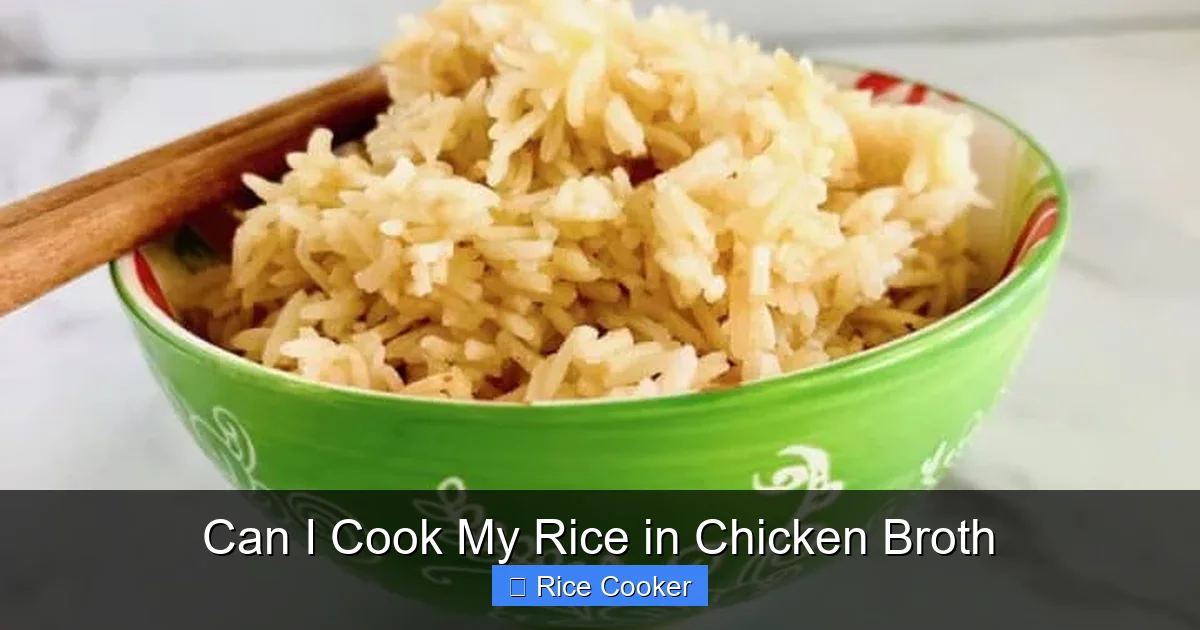
Cooking rice in chicken broth instead of water gives your dish a savory depth and aroma that plain water simply can’t match. Using broth is especially great for grainy varieties like jasmine or wild rice, and it works seamlessly with any rice cooker. With just a few simple adjustments, you’ll transform a basic side into a flavorful main—no extra effort required.
Cooking rice in chicken broth isn’t just possible—it’s one of the simplest ways to elevate a humble bowl of grains into something truly special. If you’ve ever wondered whether swapping water for broth makes a difference, the answer is a resounding yes. Not only does it add layers of flavor, but it also keeps your rice moist and aromatic from start to finish. And the best part? You don’t need fancy equipment—just your trusty rice cooker and a pot of simmering goodness.
Whether you’re making a weeknight dinner for two or prepping meals ahead for the family, using chicken broth as your cooking liquid turns everyday rice into a gourmet experience. It’s especially helpful if you’re trying to cut down on salt or want to infuse your dish with the essence of roasted chicken bones, herbs, and onions. Plus, broth-cooked rice pairs beautifully with almost anything: grilled meats, hearty stews, or even vegetarian dishes where you still crave that comforting, savory note.
In this article, we’ll walk you through everything you need to know about cooking rice in chicken broth—from choosing the right type of rice to adjusting your method for different grains. We’ll also share pro tips, troubleshooting advice, and delicious recipe ideas to get you started. So grab your measuring cup, fire up that rice cooker, and let’s dive in!
Key Takeaways
- Rice cookers work perfectly with chicken broth: Most standard electric rice cookers can easily handle liquid-based cooking, including broth, without any modifications.
- Flavor boost without salt overload: Broth adds natural umami and savoriness while reducing the need for added salt during or after cooking.
- Best rice types for broth cooking: Long-grain white rice, basmati, jasmine, brown rice, and wild rice all absorb broth beautifully and develop rich taste.
- Adjust cooking times slightly: Some grains may need 5–10 minutes more cooking time when using broth instead of water due to density differences.
- Use homemade or low-sodium store-bought broth: Homemade offers full control over ingredients; low-sodium versions prevent oversalting your final dish.
- Don’t skip rinsing long-grain rice: Rinsing removes excess starch so your cooked rice stays fluffy even when cooked in liquid.
- Perfect pairing ideas: Serve broth-cooked rice with roasted chicken, stir-fries, curries, or creamy sauces for a complete, restaurant-quality meal.
📑 Table of Contents
- Why Cook Rice in Chicken Broth?
- Which Rice Types Work Best?
- How to Cook Rice in Chicken Broth Step-by-Step
- Tips for Perfect Broth-Cooked Rice Every Time
- Common Mistakes and How to Fix Them
- Creative Ways to Use Broth-Cooked Rice
- Frequently Asked Questions About Cooking Rice in Chicken Broth
- Final Thoughts
Why Cook Rice in Chicken Broth?
You might be thinking, “Isn’t rice supposed to be neutral?” And yes—plain white rice is mild by design. But that doesn’t mean it has to stay bland. Cooking it in chicken broth is like giving it a gentle bath in flavor before serving. Instead of absorbing plain H₂O, your rice soaks up all those tasty compounds found in simmered bones, vegetables, and spices. That means each grain carries hints of garlic, thyme, celery, and yes—even that rich, golden gelatin from slow-roasted chicken.
Another big advantage is moisture retention. Water alone tends to evaporate quickly during cooking, sometimes leaving dry spots or undercooked centers. Broth, being thicker and more flavorful, helps distribute heat evenly and keeps things tender throughout. This is especially true for longer-grain rices like jasmine or basmati, which can become sticky or clumpy if not handled carefully.
And let’s talk about nutrition. While the actual nutrient transfer from broth to rice is minimal, using broth instead of water increases the overall sensory satisfaction of your meal. People who follow low-sodium diets often struggle to find flavorful alternatives to salty sauces or seasonings—but broth provides that without the guilt. It’s a win-win: better taste and healthier choices.
The Science Behind Flavor Infusion
When you boil water, it primarily acts as a medium for heat transfer—not much else happens chemically unless you add something soluble. Chicken broth contains proteins, minerals, and fats that dissolve into the cooking liquid and are absorbed by the rice kernels. As the grains swell and soften, they take in these elements, creating a subtle yet noticeable depth of flavor.
This process is similar to how paella gets its signature taste—rice cooked directly in a flavorful stock. In fact, many professional chefs swear by using broth for risottos and pilafs because it creates a cohesive, harmonious bite. Even instant or pre-packaged rice can benefit from broth; just remember to rinse it first to avoid gumminess.
Which Rice Types Work Best?
Not all rice behaves the same way when cooked in liquid. Some are naturally stickier, others firmer, and their texture changes depending on what they’re bathed in. Here’s a quick guide to help you pick:
Long-Grain White Rice (e.g., Jasmine, Basmati)
These varieties have slender grains that separate easily when cooked properly. They’re ideal for broth because they absorb flavor without turning mushy. Just be sure to rinse them before cooking to remove surface starch—otherwise, they’ll clump together no matter how gently you stir.
Medium-Grain Rice (e.g., Calrose, Arborio)
Arborio, commonly used in risotto, actually thrives in broth! Its high starch content becomes creamy when stirred constantly, but if you’re using a rice cooker (which doesn’t stir), go easy on the broth quantity or consider finishing with a splash of cream afterward.
Brown Rice
Brown rice takes longer to cook and requires more liquid overall—about double the amount compared to white rice. Because it has a tougher outer bran layer, it benefits from the extra richness that broth provides. Just increase cooking time by 10–15 minutes and check for tenderness toward the end.
Wild Rice & Other Specialty Grains
Wild rice isn’t technically rice—it’s a grass seed—but it cooks well in broth and develops a nutty, earthy flavor. Pearl barley and quinoa also work nicely, though quinoa prefers less liquid since it expands significantly upon hydration.
How to Cook Rice in Chicken Broth Step-by-Step
Ready to try it yourself? Follow this foolproof method for consistent results every time.
Gather Your Ingredients
– 1 cup uncooked rice
– 1½ cups chicken broth (low-sodium preferred)
– Optional: 1 tablespoon butter or olive oil
– Optional: Salt, pepper, or herbs (like bay leaf or parsley)
Prepare the Rice
For long-grain rices, rinse under cold water until the runoff runs clear. This prevents gummy texture. Brown rice usually doesn’t need rinsing, but give it a quick swish anyway.
Add Everything to the Cooker
Measure your rice into the inner pot of your rice cooker. Pour in the broth (and oil/butter if using). Add any seasonings now—they’ll infuse the rice as it cooks.
Start Cooking
Close the lid and press “Cook.” Standard settings usually work fine, but keep an eye on the first batch. If it seems too wet, drain excess liquid after cooking. If it’s too dry, add a little hot water and let it steam for 5 minutes.
Let It Rest
Once done, turn off the cooker and let the rice sit for 5–10 minutes. This allows steam to redistribute moisture evenly and fluffs up the grains naturally.
Fluff and Serve
Use a fork to gently break apart any clumps. Taste and adjust seasoning if needed—remember, broth already adds saltiness!
Tips for Perfect Broth-Cooked Rice Every Time
Even experienced cooks make mistakes sometimes. Here are some insider tricks to ensure success:
Measure Accurately
The classic ratio is 1:1.5 rice to liquid for most white rices. For brown or wild rice, use 1:2.5. Too little liquid = dry rice; too much = soupy.
Use Room-Temperature Broth
Cold liquid slows down the cooking process because it takes time to heat up. Warm broth ensures steady, even cooking.
If you intend to keep the rice warm afterward, you might want to review guidelines on leaving the rice cooker on warm.
Don’t Open the Lid Midway
Every time you lift the lid, you lose heat and steam, which throws off timing. Trust the machine—let it do its job.
Taste Before Adding Salt
Most broths are already seasoned, so you likely won’t need extra salt. Over-seasoning ruins an otherwise perfect dish.
Experiment with Aromatics
Add a whole onion, carrot, or celery stalk to the broth while simmering. Remove before adding rice for extra flavor without bits in your final dish.
Store Leftovers Properly
Cool cooked rice within two hours and refrigerate in an airtight container for up to 4 days. Reheat with a splash of broth or water to restore moisture.
Common Mistakes and How to Fix Them
Even with the best intentions, things can go wrong. Don’t worry—these fixes will save your meal!
Mistake: Rice Sticking to the Bottom
Caused by insufficient oil or low-quality nonstick coating on your cooker pot. Solution: Always add a teaspoon of oil or butter, and never scrape burnt bits off while cleaning.
Also, avoid leaving rice in the rice cooker overnight to prevent texture issues. Learn more about leaving rice in the rice cooker overnight.
Mistake: Mushy Texture
Usually due to overcooking or too much liquid. Try draining excess water post-cooking or reduce broth volume next time.
Mistake: Bland Flavor
If your broth tastes weak, the rice will too. Use homemade or high-quality store-bought broth, and don’t skimp on aromatics.
Mistake: Uneven Cooking
Some rice cookers have hot spots. Stir once halfway through if your model allows manual intervention (though most don’t). Otherwise, ensure broth is fully incorporated at the start.
Creative Ways to Use Broth-Cooked Rice
Once you master the basics, the possibilities are endless!
Chicken Fried Rice
Sauté diced chicken, peas, carrots, and scrambled eggs in soy sauce, then mix in cooled broth-rice and toss until heated through.
Mexican Cauliflower Rice Bowl
Swap cauliflower florets for rice, cook in lime-chicken broth with cumin and chili powder. Top with black beans, avocado, and cotija cheese.
Asian-Inspired Fried Rice
Use ginger-garlic broth, add soy, sesame oil, green onions, and scrambled egg. Serve with pickled veggies.
Vegetarian Option
Make a mushroom-orzo blend in vegetable broth spiked with miso paste and thyme.
Frequently Asked Questions About Cooking Rice in Chicken Broth
Can I use any type of chicken broth?
Yes! Store-bought works fine, but opt for low-sodium versions to control salt intake. Homemade broth offers superior flavor and customization.
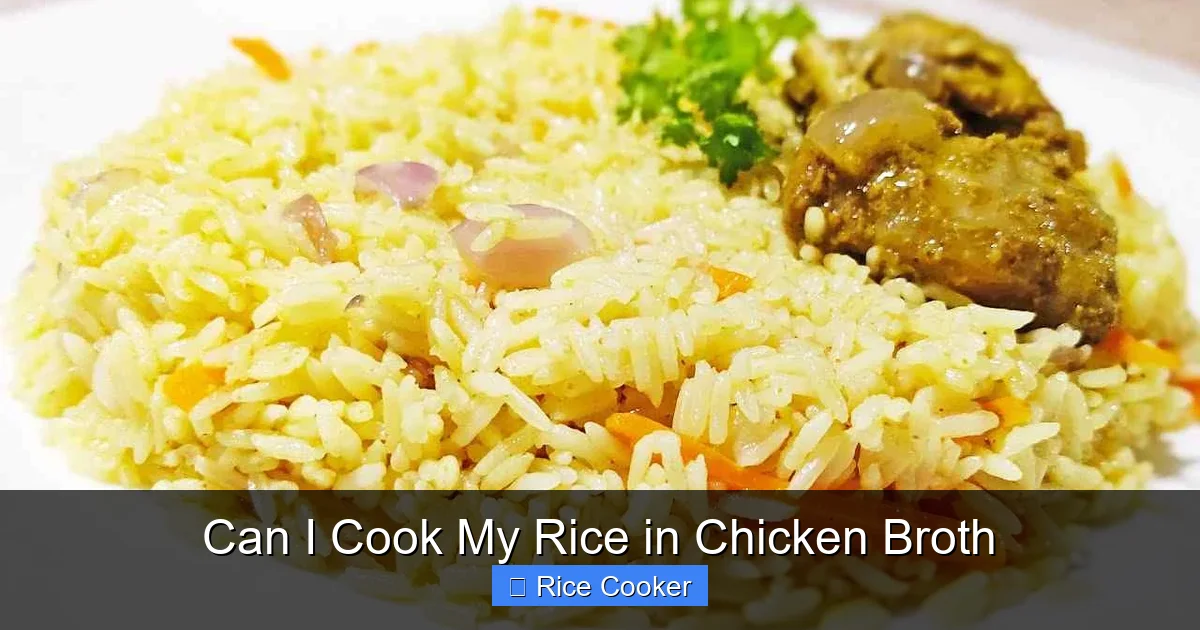
Visual guide about Can I Cook My Rice in Chicken Broth
Image source: terraskitchen.com
Do I need to adjust cooking time?
Generally no—most rice cookers auto-adjust. However, brown rice may need 10–15 extra minutes. Always check for doneness near the end.
What if my rice turns out too salty?
Drain excess liquid and serve with unsalted sides. You can also dilute with plain water or add acidic ingredients like lemon juice to balance flavor.
Can I freeze broth-cooked rice?
Absolutely! Cool completely, portion into freezer bags, and store for up to 3 months. Thaw overnight in the fridge before reheating.
Is it safe to reuse leftover broth?
Only if it was freshly made and stored properly. Discard any broth that smells off or shows signs of spoilage before reusing.
Will this method work in a pot on the stove?
Yes! Bring broth to a boil, add rice, reduce heat, cover, and simmer according to package directions. Keep an eye on it—it can go from done to burnt quickly.
Final Thoughts
Switching from water to chicken broth is one of the easiest upgrades you can make to your rice game. It costs nothing extra, takes seconds to set up, and delivers meals that taste homemade—even when you’re short on time. Whether you’re feeding picky eaters or impressing guests, this technique never fails.
Remember, practice makes perfect. Start with a simple jasmine or basmati blend, then branch out to brown rice or wild mixes as you gain confidence. And don’t forget to experiment with different broths—beef, turkey, or even bone broth can create unique profiles depending on your mood.
So next time you open your rice cooker, think beyond plain old water. Reach for that carton of broth instead, and watch how a tiny change transforms your plate. Your taste buds (and your dinner guests) will thank you.
—
Frequently Asked Questions
What is can i cook my rice in chicken broth?
can i cook my rice in chicken broth is an important topic with many practical applications.