
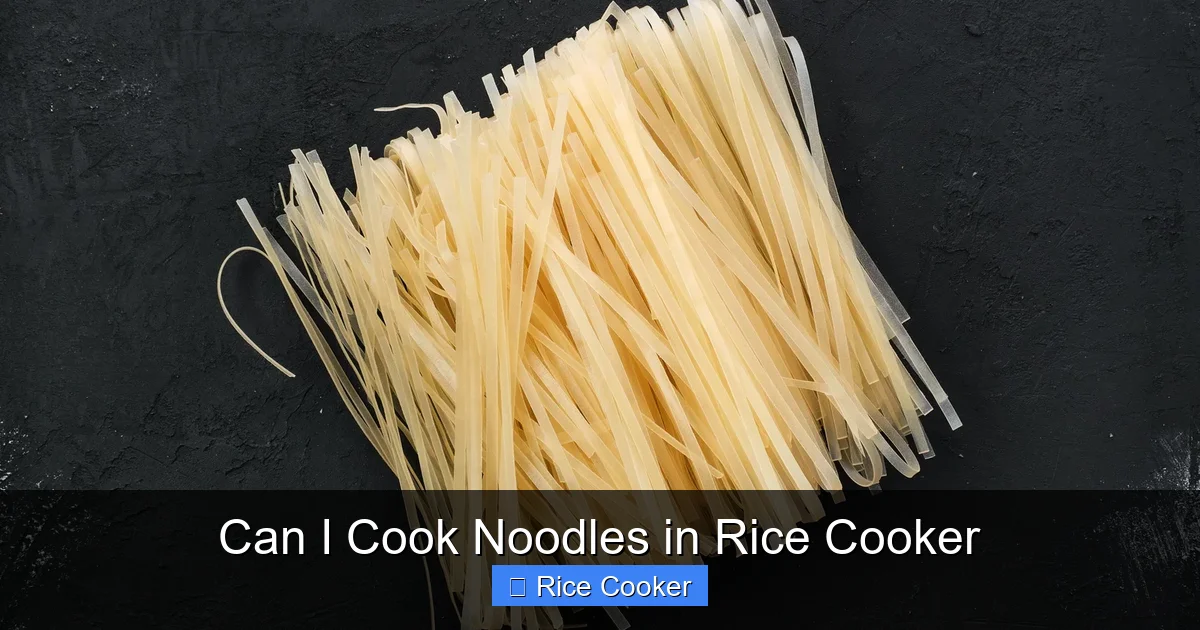
Can I cook noodles in a rice cooker? Absolutely — and it’s easier than you think. With the right technique, your rice cooker can replace a pot on the stove for most noodle dishes. Whether you’re making instant ramen or fresh pasta, this kitchen hack saves time, energy, and cleanup. You don’t need special tools or skills — just water, noodles, and your trusty appliance.
Key Takeaways
- Yes, you can cook most noodles in a rice cooker. From instant ramen to fresh pasta, many types of noodles work well.
- It’s faster and simpler than boiling on the stove. Just add water, noodles, and seasoning — then press start.
- No need for a separate pot or lid. The rice cooker does all the work in one bowl.
- You can customize flavors easily. Add vegetables, protein, or sauce after cooking.
- Cleanup is minimal and efficient. Use the same bowl for mixing and cooking.
- Some noodles may require adjustments. Thicker or dried pasta might need extra water or longer time.
- It’s great for dorm rooms, small kitchens, or quick meals. No stove? No problem.
📑 Table of Contents
- Can I Cook Noodles in Rice Cooker?
- The Science Behind Cooking Noodles in a Rice Cooker
- How to Cook Noodles in a Rice Cooker: Step-by-Step Guide
- Best Types of Noodles for Rice Cooker Cooking
- Tips for Perfect Rice Cooker Noodles
- Creative Rice Cooker Noodle Recipes
- Common Mistakes to Avoid
- Can All Rice Cookers Handle Noodles?
- Energy Efficiency and Convenience
- Cleaning and Maintenance
- Final Thoughts: Should You Try It?
Can I Cook Noodles in Rice Cooker?
Have you ever been craving a warm bowl of noodles but realized you don’t have a pot large enough, a stove that’s already in use, or just don’t feel like standing over a bubbling pot? If so, your rice cooker might be the unsung hero you didn’t know you needed. Yes — you read that right. You absolutely can cook noodles in a rice cooker. In fact, it’s one of the most convenient and underrated kitchen hacks out there.
Most people use their rice cookers only for rice, but this versatile appliance can do so much more. From steaming veggies to making soups and even baking cakes, the rice cooker is quietly powerful. And when it comes to noodles, it shines. Why boil a pot when you can let your rice cooker handle it? Not only does it save time, but it also keeps your kitchen cooler and reduces the chance of spills.
In this article, we’ll walk you through everything you need to know about cooking noodles in a rice cooker. We’ll cover which noodles work best, how to adjust recipes, tips for flavor, and even some creative ideas to turn your next meal into something special. By the end, you’ll be ready to ditch the stovetop (or at least share it) and embrace rice cooker noodle magic.
The Science Behind Cooking Noodles in a Rice Cooker
So, how does it work? At its core, a rice cooker is designed to heat water to a consistent temperature and maintain it until the contents reach the desired state — usually until the water is absorbed or boiled away. For noodles, this means gentle, even heating that cooks them thoroughly without turning them mushy (if timed right).
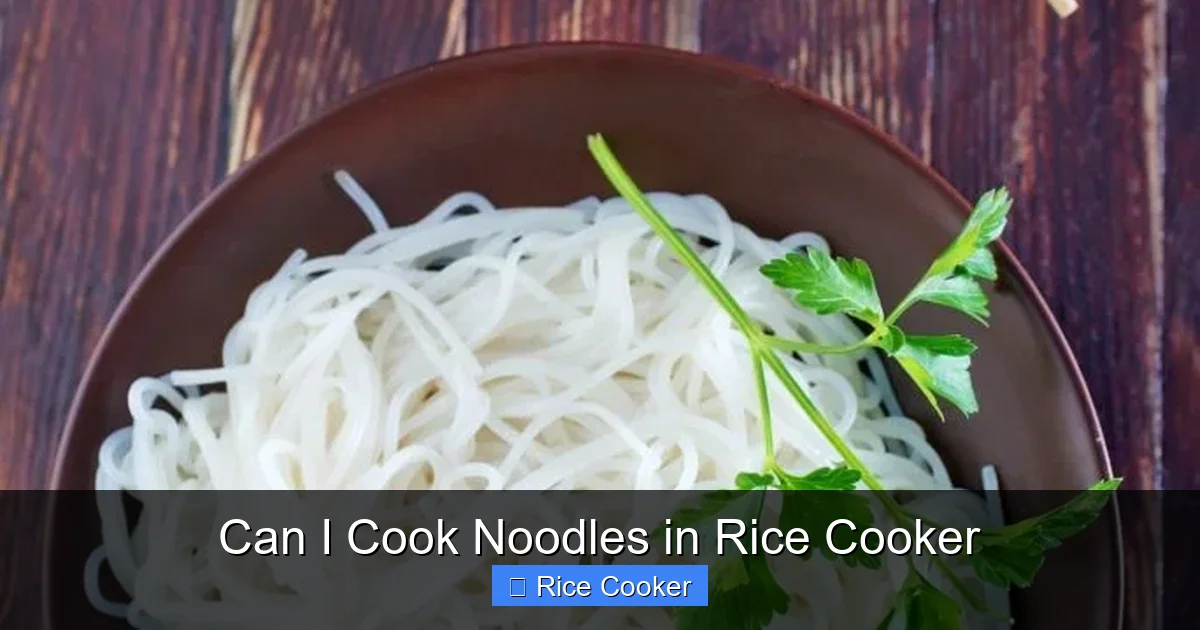
Visual guide about Can I Cook Noodles in Rice Cooker
Image source: ricecookerjunkie.com
Why Rice Cookers Are Great for Noodles
Rice cookers use induction or resistance heating to bring water to a boil and then automatically switch to “warm” mode once cooking is complete. This steady heat mimics what happens on a stove, but with less supervision required. Plus, many modern rice cookers come with a “noodle” or “quick cook” setting, though even basic models work fine.
Another advantage is the enclosed environment. The lid traps steam, helping the noodles cook faster and more evenly. There’s no risk of boiling over like you might see on a stovetop, especially if you’re using instant noodles.
What Makes Noodles Cookable in a Rice Cooker?
Not all noodles are created equal when it comes to rice cooker compatibility. Here’s a quick breakdown:
- Instant Noodles: These are the easiest. They’re pre-seasoned and designed to cook quickly, so they work perfectly in a rice cooker.
- Pasta (Fresh or Dried): Works best if you increase water slightly and allow extra cooking time. Fresh pasta cooks faster than dried.
- Asian Noodles (Rice noodles, udon, soba): These absorb water well and cook evenly. Soak rice noodles first if they’re very dry.
- Linguine, Spaghetti, Fettuccine: These work, but you may need to stir occasionally or drain excess water afterward.
Keep in mind that thicker or starchier noodles might clump if not stirred gently. But overall, rice cookers handle most common noodle types with ease.
How to Cook Noodles in a Rice Cooker: Step-by-Step Guide
Ready to give it a try? Follow these simple steps to make perfect noodles in your rice cooker — no stovetop required.
Step 1: Choose Your Noodles
Start by selecting the type of noodles you want. For beginners, instant ramen or soba noodles are ideal because they’re forgiving and cook quickly. If you’re using dried pasta, go for shapes that aren’t too long or thin, like penne or elbow macaroni.
Step 2: Measure Water
A general rule is to use about 1 cup of water per serving of noodles. Too little water risks burning; too much extends cooking time. For rice cookers without a measuring line inside, use the inner pot as a guide — fill just above where the noodles will sit.
Step 3: Add Noodles and Seasoning
Place the noodles in the rice cooker insert. Add your favorite seasonings — this is where the fun begins! For instant noodles, toss in the packet. For fresh pasta, sprinkle in salt and pepper. You can also add garlic powder, onion powder, or even a splash of soy sauce for depth.
Step 4: Close the Lid and Start Cooking
Secure the lid and press the “Cook” button. Most rice cookers will cycle between heating and warming. Wait until the cycle completes — this usually takes 8–15 minutes, depending on the noodles and model.
Step 5: Fluff and Serve
Once done, open the lid and fluff the noodles with a fork. If there’s excess water, you can drain it through a colander or leave it to evaporate while you add toppings.
Best Types of Noodles for Rice Cooker Cooking
Let’s dive deeper into which noodles shine in a rice cooker. Some are natural fits, while others need a little help.
1. Instant Ramen Noodles
This is the classic rice cooker noodle hack. It’s fast, reliable, and delicious. Just add water, noodles, and seasoning, then press start. Many people even skip the stove entirely when making ramen this way.
2. Soba Noodles
These Japanese buckwheat noodles cook quickly and hold up well in a rice cooker. Try adding a bit of mirin or tamari for authentic flavor.
3. Rice Noodles
Perfect for stir-fry-style meals. Soak them briefly before cooking if they’re dried, then add to the rice cooker with water and your choice of vegetables.
4. Fresh Pasta
Great for making small batches of homemade ravioli or gnocchi. Fresh pasta cooks faster, so keep an eye on it toward the end.
5. Elbow Macaroni or Penne
These tube-shaped pastas work well if you use a little more water. Stir gently halfway through cooking to prevent sticking.
6. Udon Noodles
Thick and chewy, udon loves a good soak. Add them to the rice cooker with broth instead of plain water for a richer taste.
Tips for Perfect Rice Cooker Noodles
Want your noodles to be restaurant-quality? Follow these pro tips.
Use Enough Water
Too little water = burnt noodles. Too much = soggy noodles. Aim for a ratio of about 1.5 cups water per 100g of dry noodles.
Stir Gently Midway
If using dried pasta or thick noodles, open the lid around the 5-minute mark and give everything a gentle stir. This prevents clumping.
Add Protein and Veggies Late
Don’t add meat or hard vegetables like carrots early. Instead, add them during the last 2–3 minutes so they stay crisp and don’t overcook.
Experiment with Broths
Instead of plain water, try chicken, vegetable, or miso broth. It adds incredible flavor without extra effort.
Don’t Overfill
Never fill the rice cooker beyond two-thirds full. This ensures proper circulation and prevents overflow.
Let It Rest
After cooking, let the noodles sit covered for 2–3 minutes. This allows them to absorb any remaining moisture and finish cooking.
Creative Rice Cooker Noodle Recipes
Now that you know the basics, here are some fun recipe ideas to inspire you.
1. Creamy Garlic Parmesan Pasta
Cook 1 cup of penne in 1.5 cups of water for 12 minutes. Stir in 1/4 cup of heavy cream, 2 tbsp butter, 1/2 cup grated Parmesan, and minced garlic. Simmer on “warm” for 2 more minutes.
2. Spicy Korean Ramyeon
Use 1 pack of ramyeon. Add 1 cup water, the seasoning packet, and a dash of gochujang (Korean chili paste). Top with a soft-boiled egg and green onions when done.
3. Vegetable Stir-Fry Noodles
Cook rice noodles with 1 cup water. Add sliced bell peppers, broccoli, carrots, and snap peas in the last 3 minutes. Toss with soy sauce and sesame oil.
4. One-Pot Carbonara
Use fresh fettuccine. Add 1 cup water, 2 eggs, 1/2 cup Parmesan, 2 slices bacon, and black pepper. Cook for 10 minutes. Stir gently off-heat until creamy.
5. Miso Soup with Udon
Cook udon noodles in 2 cups of water. Add diced tofu, wakame seaweed, and 2 tbsp white miso paste. Heat on “warm” for 2 minutes.
Common Mistakes to Avoid
Even experienced rice cooker users make errors. Here’s how to avoid them.
- Skipping the water measurement: Always measure water — guesswork leads to disaster.
- Overloading with ingredients: Too many items slow down cooking and cause uneven results.
- Not stirring: Especially for dried pasta, occasional stirring prevents clumping.
- Using the wrong cooker size: Smaller cookers work better for single servings.
- Forgetting to drain excess water: Drain or let evaporate before adding sauces.
Can All Rice Cookers Handle Noodles?
Most modern rice cookers can. Even older models with simple on/off switches work fine — just monitor the time. Look for ones with a “quick cook” or “noodle” function if you plan to do this often. These settings reduce cooking time and improve texture.
Energy Efficiency and Convenience
Cooking noodles in a rice cooker uses less energy than running a pot on the stove. Plus, you can prep other things while waiting. It’s ideal for busy mornings, late-night cravings, or meal prepping.
Cleaning and Maintenance
One of the biggest perks? Minimal cleanup. Just rinse the inner pot and wipe the lid. No burnt-on starch or stuck-on noodles. For stubborn residue, soak the pot in warm, soapy water for 10 minutes.
Final Thoughts: Should You Try It?
Absolutely. Cooking noodles in a rice cooker is practical, efficient, and surprisingly tasty. It’s especially useful in dorms, tiny apartments, or anywhere a stove isn’t available. Whether you’re making a quick snack or a full meal, this method delivers consistent results with minimal fuss.
Give it a try tonight. Start with instant ramen — a proven winner. Then branch out to pasta, soba, or even a custom stir-fry. Before long, your rice cooker won’t just be for rice anymore.
And who knows? You might just discover your new favorite kitchen trick.
Frequently Asked Questions
Can I cook any type of noodles in a rice cooker?
Most common noodles work well, including instant ramen, soba, rice noodles, and fresh pasta. Thicker or dried pasta may need extra water or time. Avoid super long or delicate strands like angel hair unless you stir carefully.
Do I need special noodles for the rice cooker?
Nope. Standard store-bought noodles are perfect. Instant noodles are especially easy since they’re already seasoned and designed for quick cooking.
How much water should I use?
As a rule of thumb, use about 1.5 cups of water per 100 grams of dry noodles. Adjust based on your cooker’s size and the noodle type.
How long does it take to cook noodles in a rice cooker?
Usually 8–15 minutes, depending on the noodles. Instant noodles take 5–7 minutes; dried pasta may need 12–15. Check the manual for timing tips.
Can I add vegetables and protein?
Yes! Add soft veggies like spinach or mushrooms early, and harder items like carrots or chicken later. Toss in an egg during the last minute for a soft-boiled effect.
Will my rice cooker burn the noodles?
Only if there’s too little water or the cooker overheats. Always measure water and avoid filling beyond two-thirds. Stirring midway helps prevent sticking.