
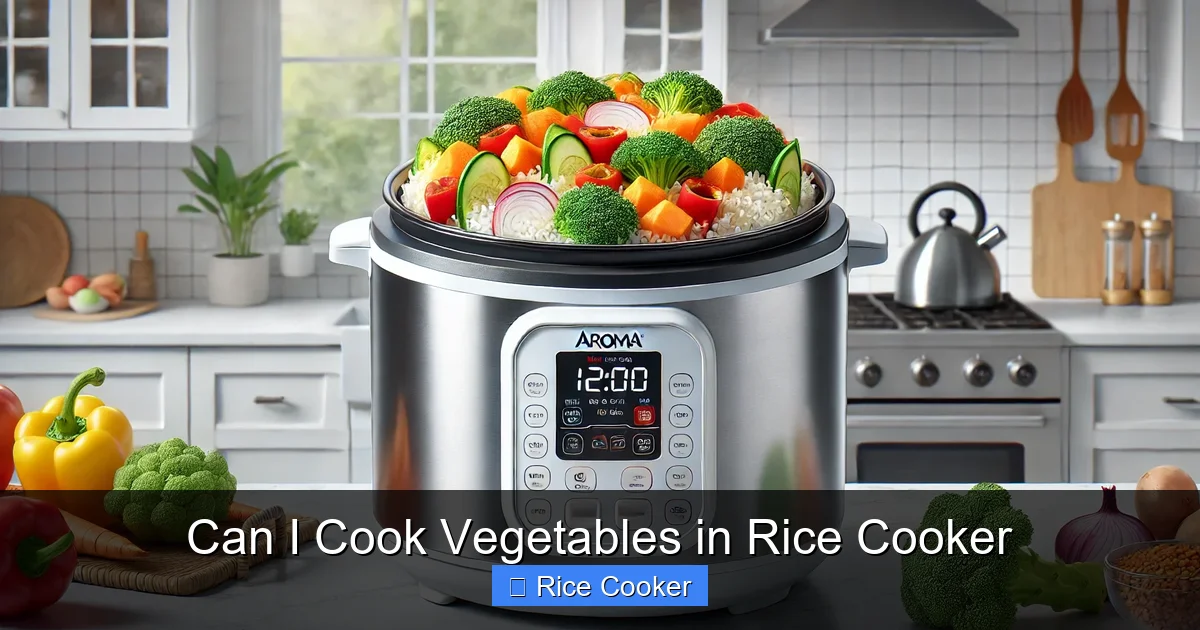
Yes, you can absolutely cook vegetables in a rice cooker—no extra effort required. This versatile kitchen appliance isn’t just for grains; it’s a powerful tool for steaming, boiling, and even sautéing veggies with minimal cleanup. With the right prep and timing, you can enjoy tender, nutritious vegetable dishes that rival stove-top results.
Key Takeaways
- Versatility: A rice cooker can steam, boil, and even lightly sear vegetables, expanding its use far beyond cooking rice.
- Nutrient retention: Cooking vegetables in a rice cooker helps preserve vitamins and minerals better than boiling or overcooking on the stove.
- Time-saving: Set it and forget it—many rice cookers have timers and automatic shut-off, ideal for busy schedules.
- Easy cleanup: Most models come with non-stick inner pots that are dishwasher-safe, making post-meal cleaning a breeze.
- Customizable textures: Adjust cooking time and liquid levels to achieve soft, al dente, or crisp-tender vegetables.
- Flavor infusion: Adding herbs, garlic, or broth during cooking enhances taste without extra steps.
- Safety first: Always ensure proper ventilation and avoid overcrowding the pot to prevent uneven cooking.
📑 Table of Contents
- Can I Cook Vegetables in Rice Cooker?
- The Science Behind Rice Cooker Cooking
- Best Practices for Cooking Vegetables in a Rice Cooker
- Step-by-Step Guide to Cooking Vegetables in a Rice Cooker
- Creative Vegetable Recipes for Your Rice Cooker
- Common Mistakes to Avoid
- Can You Sauté Vegetables in a Rice Cooker?
- Benefits Beyond Nutrition: Time, Convenience, and Safety
- Comparing Rice Cooker Cooking to Other Methods
- Tips for Specific Dietary Needs
- Maintaining Your Rice Cooker for Optimal Performance
Can I Cook Vegetables in Rice Cooker?
Have you ever stared into your pantry, wondering what to make for dinner, only to find a bag of frozen broccoli and some leftover carrots? Instead of reaching for the stovetop, have you considered using your rice cooker? You might be surprised to learn that cooking vegetables in a rice cooker is not only possible—it’s one of the easiest, healthiest, and most efficient ways to prepare them. Whether you’re meal prepping, cooking for picky eaters, or just trying to simplify your routine, your rice cooker can do more than brown grains.
In this article, we’ll explore everything you need to know about using your rice cooker as a multi-functional kitchen powerhouse. From basic steaming techniques to creative recipes, we’ll show you how to transform simple ingredients into delicious, nutrient-packed meals—all with minimal effort and maximum flavor. So, if you’ve ever asked yourself, “Can I cook vegetables in a rice cooker?”—the answer is a confident yes. Let’s dive in!
The Science Behind Rice Cooker Cooking
Before we get into recipes and methods, let’s talk about how your rice cooker actually works. At its core, a rice cooker is designed to maintain consistent heat and moisture, which is perfect for cooking grains. But here’s the secret: those same conditions are ideal for cooking vegetables too. When you add water (or broth) and set your cooker to “white rice” or “steam” mode, it creates a sealed environment where heat circulates evenly. This gentle, moist heat softens vegetables without leaching out nutrients like they would in boiling water.
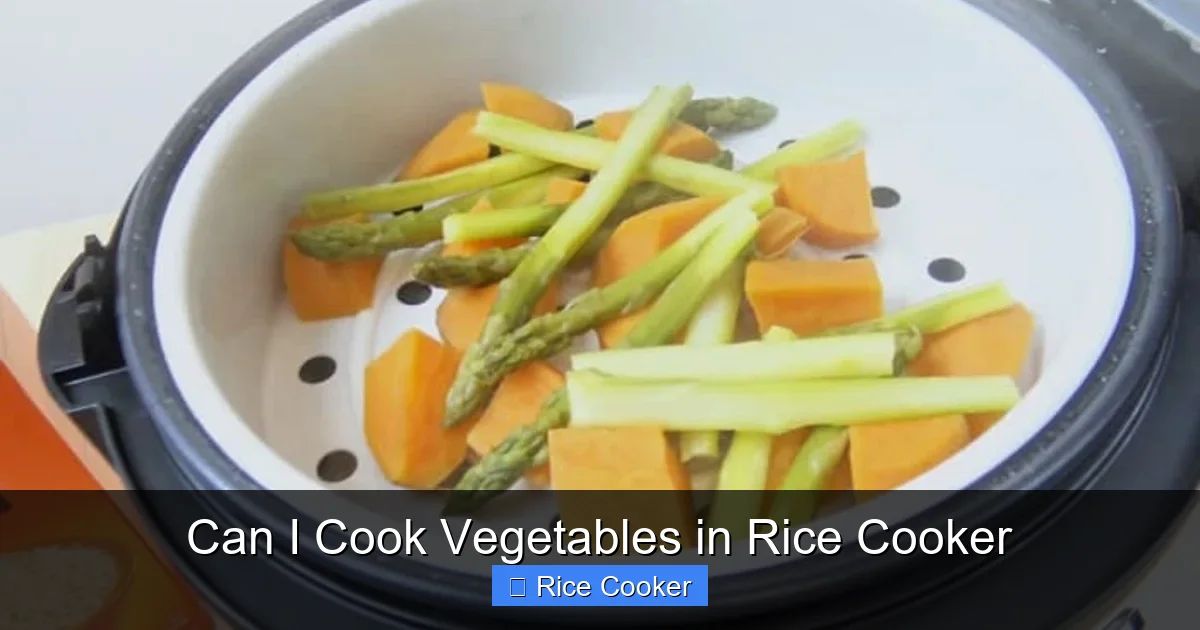
Visual guide about Can I Cook Vegetables in Rice Cooker
Image source: storables.com
Why Moist Heat Is Best for Veggies
Boiling vegetables in open water can cause up to 60% of water-soluble vitamins like vitamin C and B vitamins to dissolve into the water. Steaming or slow-cooking in a closed system, like a rice cooker, reduces this loss significantly. The trapped steam keeps veggies tender while preserving their color, texture, and nutritional value. Plus, no extra oil or fat is needed—making it a heart-healthy option.
How Different Modes Affect Vegetable Texture
Most modern rice cookers come with multiple settings: white rice, brown rice, quick cook, steam, and sometimes even sauté or porridge. Each mode adjusts temperature and timing slightly. For example, the “steam” function uses lower heat and longer time, ideal for delicate veggies like asparagus or green beans. The “white rice” cycle has higher heat and shorter duration, better for denser roots like potatoes or carrots. Understanding these differences helps you choose the right setting for your vegetables.
Best Practices for Cooking Vegetables in a Rice Cooker
If you’re new to this idea, it’s natural to wonder how to get started. Don’t worry—it’s simpler than you think. Follow these best practices to ensure success every time.
Choose the Right Vegetables
Not all vegetables are created equal when it comes to rice cooker cooking. Dense, starchy veggies like potatoes, sweet potatoes, carrots, and winter squash hold up well under moist heat. Leafy greens like spinach or kale should be added toward the end of cooking, as they wilt quickly. Delicate vegetables such as zucchini, mushrooms, or bell peppers cook faster and can become mushy if overdone. Frozen veggies work great too—just thaw them slightly before adding to avoid excess water.
Cut Uniformly for Even Cooking
Just like with rice, uneven sizes lead to uneven results. Chop your vegetables into similar-sized pieces so they cook at the same rate. For example, cut potatoes into 1-inch cubes and carrots into similar-sized sticks. Smaller pieces cook faster, while larger ones may stay underdone. If you’re unsure, test a piece halfway through cooking by piercing it with a fork.
Use the Right Amount of Liquid
The general rule is ½ cup of water or broth per cup of vegetables. Too little liquid risks burning; too much makes everything soggy. If using frozen vegetables, add an extra table spoon of liquid since they release water as they thaw. For steaming, you don’t need much—just enough to create steam without drowning your veggies.
Add Flavor Without Extra Effort
Want your vegetables to taste amazing without standing over a hot stove? Add aromatics like garlic cloves, ginger slices, or onion quarters directly into the pot. A splash of soy sauce, lemon juice, or olive oil also boosts flavor. Herbs like thyme or rosemary can be tied into a bundle and removed before serving.
Step-by-Step Guide to Cooking Vegetables in a Rice Cooker
Ready to try it? Here’s a foolproof method to get perfectly cooked vegetables every time.
Step 1: Prep Your Ingredients
Wash and chop your vegetables into uniform pieces. Peel if desired—some people leave the skin on for extra fiber and nutrients. Place them in the inner pot of the rice cooker. Add your chosen liquid (water, broth, or coconut milk for curries). Toss in any flavor enhancers like garlic, ginger, or spices.
Step 2: Select the Right Setting
For most vegetables, use the “white rice” or “steam” setting. If your cooker has a “vegetable” mode, that’s even better—but many standard models don’t. In that case, “white rice” works fine. Avoid “quick cook” unless your veggies are very small or already partially cooked.
Step 3: Start Cooking
Close the lid and press the start button. Most cycles take between 15 to 40 minutes. Check halfway through if you’re unsure about doneness. Once done, let the cooker sit for 5–10 minutes with the lid closed—this allows residual heat to finish cooking gently.
Step 4: Serve Immediately or Store
Carefully remove the inner pot (use oven mitts—it’s hot!). Fluff the vegetables with a fork and serve. Leftovers store well in the fridge for up to 4 days or freeze for 3 months.
Creative Vegetable Recipes for Your Rice Cooker
Your rice cooker isn’t just a steamer—it’s a blank canvas for creativity. Try these easy, tasty recipes to inspire your next meal.
Simple Steamed Mixed Vegetables
This classic combo includes broccoli, carrots, cauliflower, and green beans. Cut into bite-sized pieces, toss with a bit of olive oil, salt, and pepper, then add ¼ cup water. Cook on “white rice” mode for 25 minutes. Finish with a squeeze of lemon and fresh parsley.
One-Pot Creamy Garlic Potatoes
Dice 2 pounds of Yukon Gold potatoes. Add 1 cup of chicken or vegetable broth, 2 minced garlic cloves, 1 tbsp butter, and a pinch of thyme. Cook on “white rice” for 30 minutes. Stir once halfway through. The result? Tender, creamy potatoes with rich garlicky flavor—perfect mashed or roasted.
Spicy Asian-Inspired Cauliflower & Carrots
Slice 1 head of cauliflower and 2 large carrots. Add ½ cup low-sodium soy sauce, 2 tbsp rice vinegar, 1 tbsp maple syrup, and 1 tsp grated ginger. Cook on “steam” mode for 20 minutes. Garnish with sesame seeds and scallions. Serve warm or chilled as a side salad.
Curried Chickpea & Sweet Potato Bowl
Dice 1 large sweet potato and 1 can (15 oz) chickpeas. Add 1 cup coconut milk, 1 tbsp curry powder, 1 tsp cumin, and salt to taste. Cook on “white rice” for 35 minutes. Top with cilantro, avocado, and a dollop of plain yogurt.
Common Mistakes to Avoid
Even experienced cooks make errors. Here are the most common pitfalls and how to fix them.
Overcrowding the Pot
Packing too many vegetables limits steam circulation, leading to uneven cooking. Use only half the pot’s capacity for best results. Layer large items at the bottom and smaller ones on top.
Skipping the Inner Pot Liner
Some users try to cook without the non-stick liner, risking scorching or sticking. Always use the provided inner pot—it’s designed for this purpose.
Opening the Lid Frequently
Every time you lift the lid, heat escapes, slowing down cooking. Only check near the end unless you’re adding last-minute ingredients.
Using Too Much Water
Excess liquid dilutes flavors and turns vegetables into soup. Stick to recommended amounts based on quantity and type.
Ignoring Thawing for Frozen Veggies
Frozen vegetables release a lot of water when heated. Let them sit at room temperature for 10–15 minutes before adding to reduce sogginess.
Can You Sauté Vegetables in a Rice Cooker?
Many advanced rice cookers have a “sauté” or “keep warm” function that heats the base of the pot without boiling. This allows you to gently brown onions, garlic, or mushrooms before adding other ingredients. While not as powerful as a skillet, it’s sufficient for basic stir-fry prep or deglazing after browning meat. Just remember: sauté mode doesn’t circulate air like a stovetop, so browning will be limited compared to traditional cooking.
Benefits Beyond Nutrition: Time, Convenience, and Safety
Imagine coming home tired and opening your cooker to find perfectly steamed broccoli and tender carrots ready in 20 minutes. No stirring, no watching, no burnt edges. That’s the beauty of automation. Many models also have programmable timers, letting you delay start times so dinner is ready exactly when you walk in the door.
Safety is another plus. Unlike gas stoves or open pans, rice cookers have automatic shut-off features. Once the food is done, they stop heating—eliminating the risk of dry-outs or fires. And because everything happens inside a sealed unit, splatters are minimal. Cleanup? Just rinse the inner pot or pop it in the dishwasher.
Comparing Rice Cooker Cooking to Other Methods
| Method | Time | Nutrition Retention | Ease of Use | Cleanup |
|---|---|---|---|---|
| Rice Cooker | Moderate (15–40 min) | High | Very Easy | Very Easy |
| Steaming (Stove) | Moderate (10–20 min) | High | Easy | Medium |
| Boiling | Fast (5–10 min) | Low (nutrients lost) | Easy | Easy |
| Air Fryer | Fast (8–15 min) | Medium | Easy | Medium |
As shown, rice cooker strikes a balance between speed, nutrition, convenience, and safety. It’s especially ideal for families, seniors, or anyone wanting hands-off cooking.
Tips for Specific Dietary Needs
Whether you’re vegan, gluten-free, keto, or following another diet, your rice cooker can adapt.
- Vegan/Vegetarian: Use vegetable broth instead of water, and add legumes like lentils or chickpeas for protein.
- Gluten-Free: Naturally gluten-free—just avoid adding soy sauce unless certified GF.
- Low-Carb/Keto: Focus on non-starchy vegetables like zucchini, broccoli, and cauliflower. Skip grains and high-sugar veggies like corn or peas.
- Meal Prep Friendly: Batch-cook a week’s worth of roasted veggies and store them separately from grains to keep textures intact.
Maintaining Your Rice Cooker for Optimal Performance
To keep your rice cooker working smoothly for years, follow these care tips:
- Always unplug and let it cool before cleaning.
- Hand-wash the inner pot unless labeled dishwasher-safe—scrub gently with warm soapy water.
- Check the lid seal regularly for wear or cracks that could affect steam containment.
- Avoid metal utensils that can scratch the non-stick coating.
- Descale occasionally if you notice mineral buildup (especially with hard water).
Frequently Asked Questions
Can I cook frozen vegetables in a rice cooker?
Yes, you can cook frozen vegetables in a rice cooker, but it’s best to let them thaw slightly first to prevent excess water from making everything soggy. Add them along with a bit more liquid than usual, and adjust cooking time as needed.
Do I need special vegetables to cook in a rice cooker?
No, you don’t need special vegetables. Most root vegetables, cruciferous veggies, and hearty greens work well. Avoid overly delicate ones like lettuce unless cooking for a very short time.
How much water should I use for cooking vegetables in a rice cooker?
Generally, use ½ cup of liquid per cup of vegetables. This creates enough steam without drowning them. For steaming, less water is needed—just enough to cover the bottom of the pot.
Can I cook meat and vegetables together in a rice cooker?
Yes, you can cook meat and vegetables together. Brown the meat first using the sauté function (if available), then add vegetables and liquid. Adjust cooking time accordingly, as meats take longer than veggies.
Is it safe to leave my rice cooker unattended while cooking vegetables?
Yes, it’s generally safe. Modern rice cookers have automatic shut-off features that stop heating once the cycle completes. However, always follow manufacturer guidelines and never overload the pot.
Can I use my rice cooker to reheat leftovers?
Absolutely. Simply add a splash of water or broth to prevent drying out, close the lid, and select the “warm” or “reheat” setting if available. Otherwise, use the “white rice” mode for a few minutes until heated through.