
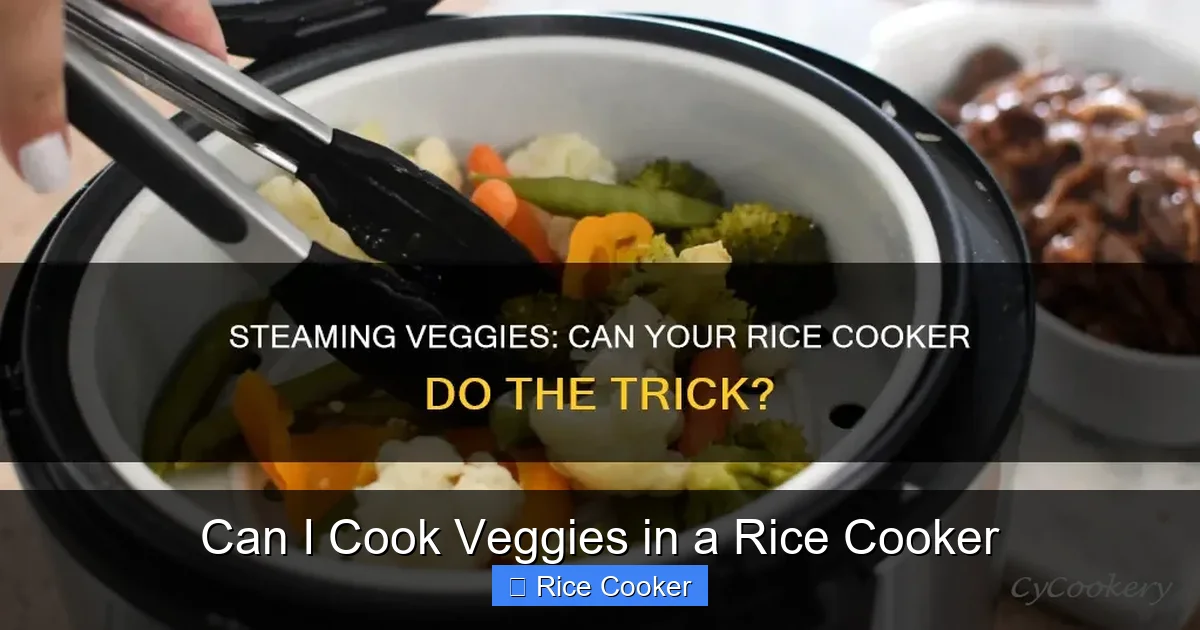
You absolutely can cook veggies in a rice cooker—and it’s easier than you think. Whether you’re steaming broccoli, roasting sweet potatoes, or making a one-pot veggie stir-fry, your rice cooker is a versatile tool that saves time and energy. This guide shows you how to unlock the full potential of your rice cooker beyond just rice.
Can I Cook Veggies in a Rice Cooker?
You’ve probably used your rice cooker dozens of times—maybe even hundreds. It’s that trusty little appliance that pops open when the rice is done, signaling dinner is ready. But have you ever thought, “Wait… can I actually cook *anything else* in here?”
The short answer? Absolutely. Yes, you can cook veggies in a rice cooker. In fact, many home cooks don’t realize just how versatile this humble kitchen gadget really is. From tender steamed broccoli to caramelized roasted sweet potatoes, your rice cooker can do it all—with minimal effort and maximum flavor.
Whether you’re meal prepping for the week, trying to eat more vegetables, or simply looking for a hands-off way to get dinner on the table, using your rice cooker for vegetables opens up a world of possibilities. No fancy equipment needed. Just chop, add, press a button, and let science do the rest.
In this complete guide, we’ll walk you through everything you need to know about cooking vegetables in a rice cooker—from basic techniques to creative recipes, safety tips, and pro-level hacks. By the end, you’ll be convinced (or already know) that your rice cooker isn’t just for rice anymore.
Why Use a Rice Cooker for Vegetables?
Before diving into recipes, let’s talk about why cooking veggies in a rice cooker is such a smart idea.
First, convenience reigns supreme. Unlike traditional cooking methods that require constant attention—stirring, flipping, watching for burns—a rice cooker runs on autopilot. Once you add your ingredients and set it, you can focus on other tasks while your food cooks perfectly every time.
Second, nutrient retention matters. Steaming vegetables gently in steamy, moist heat helps lock in vitamins like vitamin C and B-complex, which are sensitive to high heat and long cooking times. That means your veggies stay crisp, colorful, and packed with nutrition instead of turning into mushy, flavorless leftovers.
Third, cleanup is a breeze. Most modern rice cookers come with non-stick inner pots and removable parts that go straight into the dishwasher. No more scrubbing burnt-on bits off cast iron or aluminum pans.
And finally, energy efficiency counts. Rice cookers use far less electricity than an oven or stove for most vegetable preparations. So not only do you save time—you also save money on your utility bill.
Types of Rice Cookers and Their Suitability for Veggies
Not all rice cookers are created equal. The type you own will influence what kinds of vegetables you can cook and how well they turn out.
Basic Automatic Rice Cookers: These are the most common models found in homes worldwide. They usually have two settings: “Cook” and “Keep Warm” (see our guide on leaving a rice cooker on warm). While limited, they work great for simple steaming tasks like blanching green beans or softening carrots. Just add water and your chopped veggies, cover, and let the machine do its thing.
Multi-Function Rice Cookers: Also known as “smart” or “fuzzy logic” rice cookers, these often include additional modes like “Steam,” “Slow Cook,” “Sauté,” or “Bake.” These are ideal if you want more control over texture and don’t mind spending a bit more upfront. Models from brands like Zojirushi, Tiger, or Cuckoo typically offer the best versatility for cooking diverse vegetables.
Pressure Rice Cookers: Think Instant Pot or Ninja Foodi. These combine pressure cooking with steaming functions and allow you to braise, stew, or even dehydrate foods. Perfect for tougher root vegetables like beets or parsnips that need longer cooking times.
Induction Heating Rice Cookers: Top-of-the-line models that use precise temperature control for superior browning and even cooking—great for searing mushrooms or making crispy roasted cauliflower.
So whether you have a simple $30 model or a $300 smart unit, chances are good you can cook vegetables in it. Even if yours only has a “Cook” button, you’re still in business!
Getting Started: Basic Techniques for Cooking Veggies
Ready to give it a try? Start simple.
Steaming: This is the gentlest method and works best for delicate greens like spinach, kale, or asparagus. Fill the inner pot with 1–2 inches of water (just enough to create steam without submerging the veggies). Place a steamer basket or trivet inside, add your chopped vegetables, cover tightly, and select the “Cook” or “Steam” setting if available. Steam for 5–10 minutes until tender-crisp.
Sauté Mode (if available): For browning or caramelizing onions, garlic, or bell peppers, use the sauté function first. Add a splash of oil, heat for 2–3 minutes, then add your veggies and continue cooking until softened. This mimics pan-frying but without the mess.
Boiling/Simmering: Some rice cookers allow you to boil water directly in the pot. Great for pasta, soups, or boiling potatoes. Just fill the pot with water, bring to a boil, add salt and your diced potatoes, then switch to “Cook” mode.
Roasting: Believe it or not, some advanced models let you roast vegetables like you would in the oven. Toss chopped carrots, zucchini, or Brussels sprouts with olive oil, salt, and herbs. Arrange them in a single layer on a tray or directly in the pot (use parchment paper if concerned about sticking), close the lid, and select “Bake” or “Roast” mode. Cook for 20–30 minutes, checking occasionally.
Pro Tip: Always cut vegetables into uniform sizes so they cook evenly. Smaller pieces cook faster; larger chunks may stay undercooked.
Choosing the Right Vegetables for Your Rice Cooker
Not every vegetable responds the same way to rice cooker cooking. Here’s a quick breakdown:
Best Candidates:
– Leafy Greens (spinach, kale, Swiss chard): Steam for 3–5 minutes until wilted.
– Cruciferous Veggies (broccoli, cauliflower, cabbage): Steam 8–12 minutes for tender florets.
– Root Vegetables (carrots, potatoes, sweet potatoes): Roast or steam until fork-tender (15–25 mins).
– Mushrooms: Sauté or roast until golden brown (10–15 mins).
– Bell Peppers & Onions: Sauté until soft and slightly charred (8–10 mins).
Vegetables to Approach with Caution:
– Tomatoes: Too acidic and juicy; they tend to break down and make the pot sticky.
– Corn on the Cob: Best boiled separately due to kernel texture.
– Artichokes: Very dense; requires long steaming (45+ mins) and extra water.
– Avocados: Not suitable—they’re already ripe and will turn to mush.
When in doubt, start with smaller batches and adjust timing based on results.
Essential Tools and Accessories
While you can improvise with everyday items, having a few dedicated tools makes vegetable cooking in your rice cooker much smoother.
Steamer Basket or Trivet: Prevents veggies from sitting in water (which leads to sogginess). Look for ones that fit snugly in your model.
Measuring Cup: Helps you add the right amount of liquid every time.
Timer or Smartphone Timer: Since rice cookers don’t always show exact cook times, a backup timer ensures you don’t overcook.
Parchment Paper or Silicone Liners: Useful for roasting or baking to prevent sticking—especially helpful with starchy veggies like potatoes.
Wooden Spoon or Spatula: For stirring in sauté mode or scraping the bottom of the pot.
Optional: Herb Infuser (like a tea ball or cheesecloth pouch) to add subtle flavor without seeds or stems.
Step-by-Step Guide: Steamed Green Beans
Let’s put theory into practice. Follow along with this classic side dish:
Ingredients:
– 1 lb fresh green beans, trimmed
– 1 cup water
– Salt to taste
– Optional: lemon zest, garlic powder, red pepper flakes
Instructions:
1. Rinse and trim green beans. Cut diagonally into 2-inch pieces if desired.
2. Add 1 cup water to the inner pot. Place a steamer basket inside.
3. Scatter green beans evenly in the basket. Sprinkle with salt and any optional seasonings.
4. Close the lid securely. Select “Cook” mode. If your model has a “Steam” setting, use that instead.
5. After 8–10 minutes, check for doneness by piercing a bean with a fork. It should be bright green and tender but still firm.
6. Immediately transfer to a bowl and squeeze fresh lemon juice over top for brightness.
Serve warm as a healthy, low-calorie side dish. Leftovers keep well in the fridge for up to 4 days.
Creative Rice Cooker Vegetable Recipes
Now for the fun part—recipes! These show how adaptable your rice cooker can be.
1. Garlic-Roasted Sweet Potatoes
Toss cubed sweet potatoes with olive oil, minced garlic, smoked paprika, salt, and pepper. Spread in a single layer on parchment paper placed inside the pot. Close lid, select “Bake” mode (or “Cook” if no bake function), and cook for 25 minutes. Flip halfway through for even browning.
2. One-Pot Veggie Fried Rice
Sauté diced onion, carrot, and celery in oil using the sauté function. Add cooked rice, peas, corn, soy sauce, and scrambled egg. Stir well, close lid, and cook on “Cook” mode for 5 minutes. Garnish with sesame seeds and green onions.
3. Creamy Mushroom Risotto
Sauté sliced mushrooms until golden. Stir in Arborio rice, vegetable broth, thyme, and nutritional yeast. Cook on “Risotto” mode (if available) or “Cook” mode for 18–20 minutes, adding broth gradually. Finish with a drizzle of truffle oil.
4. Honey-Glazed Carrots
Combine baby carrots, honey, butter, and orange zest in the pot. Cover and cook on “Steam” mode for 12 minutes until tender and glossy.
5. Herbed Broccoli & Cauliflower Medley
Steam florets with lemon slices and chopped parsley for 10 minutes. Drizzle with tahini-lemon dressing before serving.
Safety Tips and Common Mistakes to Avoid
Even though rice cookers are designed for safe home use, a few precautions ensure success:
Don’t Overfill: Leave at least 1/3 empty space in the pot to allow steam circulation. Otherwise, pressure buildup could cause spills or damage.
Use Fresh Ingredients: Stale or spoiled veggies won’t improve flavor and may produce off-smells during cooking.
Don’t Forget Water: Dry-roasting veggies directly in a dry pot risks burning. Always add liquid unless using a specialized roasting function.
Clean Immediately: Wash the inner pot and steamer basket right after use to prevent stains or odors from setting in.
Avoid Metal Utensils: Stick to wooden or silicone spatulas—metal can scratch non-stick coatings.
Common Pitfalls:
– Underestimating cook time (especially for denser roots)
– Using too much water and making everything soggy
– Not letting the cooker cool before cleaning
– Assuming all models support sauté or roast functions
With practice, these issues become minor bumps in the road, and you can also learn about leaving a rice cooker unattended for added safety.
Meal Prep Made Easy: Batch-Cooking Veggies
One of the biggest advantages of using a rice cooker for vegetables is batch cooking. Want to prep a week’s worth of sides in under 30 minutes?
Try this routine:
– Monday: Roast broccoli, cauliflower, and Brussels sprouts (store in airtight containers).
– Tuesday: Steam kale and green beans (best eaten fresh but keeps 2–3 days).
– Wednesday: Sauté mushrooms and zucchini (great over grains).
– Thursday: Make creamy mashed potatoes (freeze half for later).
Label each container with date and contents. Then reheat quickly on the stovetop or in the microwave when needed. No more last-minute scrambling!
Frequently Asked Questions About Cooking Veggies in a Rice Cooker
Can I cook frozen vegetables in a rice cooker?
Yes! Frozen veggies work fine—just add a little extra water since they release moisture as they thaw. Steam frozen broccoli or peas for 8–10 minutes until heated through.
Do I need to add oil or butter?
Not always. Steaming uses natural moisture. But if you’re sautéing or roasting, a small amount of oil helps prevent sticking and adds richness. Use sparingly to keep things healthy.
Can I cook meat and vegetables together?
Absolutely. Brown chicken thighs before adding veggies, or layer beef stew with carrots and potatoes. Just increase liquid slightly and check for doneness.
What if my rice cooker doesn’t have a “Steam” button?
No problem! Simply press “Cook”—the heating element creates enough steam to cook most vegetables. It might take a few extra minutes, but results are still excellent.
How do I stop my rice cooker from smelling?
Clean the inner pot immediately after use. For lingering odors, simmer vinegar or lemon slices in water for 10 minutes on “Cook” mode, then wipe clean. If you’re wondering about storing rice for later, see our advice on keeping rice in the rice cooker overnight.
Can I use my rice cooker to make soup?
Yes! Add broth, chopped veggies, and grains. Simmer on “Cook” mode for 20–30 minutes until everything’s tender. Just avoid overfilling and stir occasionally.
Final Thoughts: Embrace the Versatility of Your Rice Cooker
At this point, it should be clear that your rice cooker is far more than a grain-based appliance. It’s a compact, efficient kitchen powerhouse capable of steaming, sautéing, roasting, and even brewing herbal infusions (yes, really!). And when it comes to cooking vegetables, it delivers consistent, nutritious results with zero stress.
Whether you’re feeding a family, meal prepping for busy weekdays, or exploring plant-forward eating, learning how to cook veggies in a rice cooker gives you a reliable shortcut to healthier meals. Plus, it’s beginner-friendly, budget-conscious, and kind to the environment.
So next time you reach for the broccoli or grab a bag of carrots from the fridge, pause and consider: Why not toss them into the rice cooker instead of the pot? You might just discover your new favorite way to eat greens.
Key Takeaways
- Versatility: A rice cooker can handle more than just grains—it’s great for steaming, sautéing, and even baking vegetables.
- Healthy Cooking: Steaming veggies preserves nutrients better than boiling or frying.
- Time-Saving: You can cook multiple types of vegetables at once without constant monitoring.
- Simple Setup: Most rice cookers require only water or broth, a trivet, and your chopped veggies.
- Creative Recipes: Try roasted carrots, garlic mashed potatoes, or herb-seasoned green beans in your rice cooker.
- Cleanup is Easy: Non-stick inner pots make washing up a breeze after cooking.
- Energy Efficient: Rice cookers use less power than ovens or stovetops for most vegetable recipes.
Frequently Asked Questions
Can I cook frozen vegetables in a rice cooker?
Yes! Frozen veggies work fine—just add a little extra water since they release moisture as they thaw. Steam frozen broccoli or peas for 8–10 minutes until heated through.
Do I need to add oil or butter?
Not always. Steaming uses natural moisture. But if you’re sautéing or roasting, a small amount of oil helps prevent sticking and adds richness. Use sparingly to keep things healthy.
Can I cook meat and vegetables together?
Absolutely. Brown chicken thighs before adding veggies, or layer beef stew with carrots and potatoes. Just increase liquid slightly and check for doneness.
What if my rice cooker doesn’t have a “Steam” button?
No problem! Simply press “Cook”—the heating element creates enough steam to cook most vegetables. It might take a few extra minutes, but results are still excellent.
How do I stop my rice cooker from smelling?
Clean the inner pot immediately after use. For lingering odors, simmer vinegar or lemon slices in water for 10 minutes on “Cook” mode, then wipe clean.
Can I use my rice cooker to make soup?
Yes! Add broth, chopped veggies, and grains. Simmer on “Cook” mode for 20–30 minutes until everything’s tender. Just avoid overfilling and stir occasionally.