
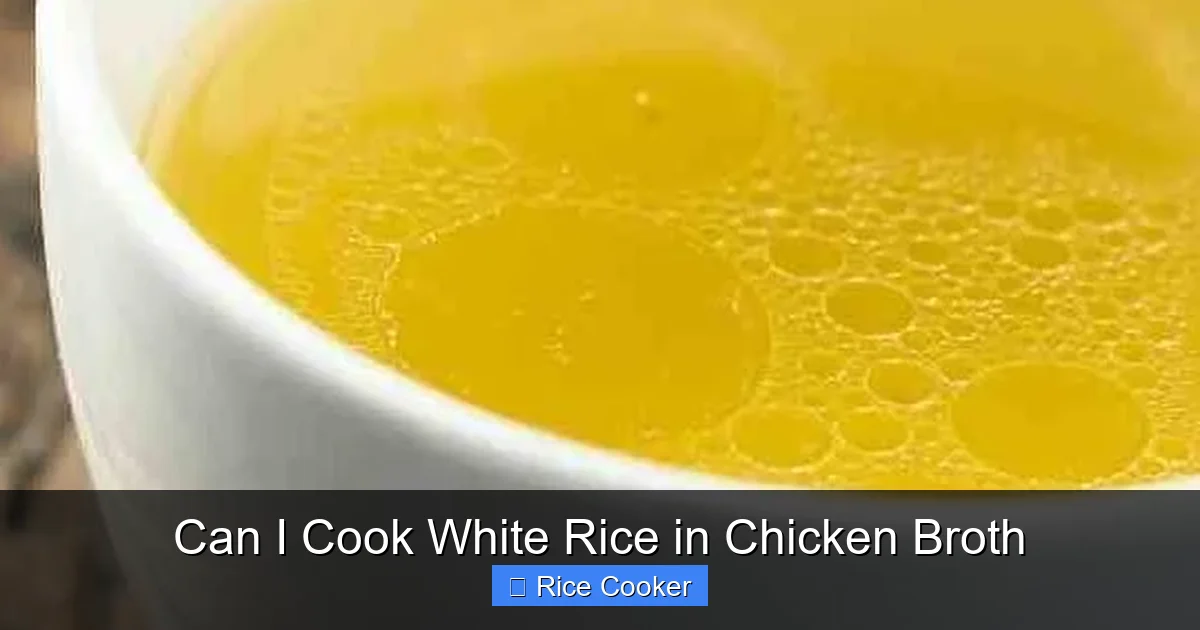
Can you cook white rice in chicken broth? Absolutely! Using chicken broth instead of water adds rich flavor and nutrients to your rice, making every bite more delicious. Whether you’re using a stovetop or a rice cooker, this simple swap transforms plain white rice into a savory side dish perfect for meals.
Key Takeaways
- Understanding can i cook white rice in chicken broth: Provides essential knowledge
📑 Table of Contents
- Can You Cook White Rice in Chicken Broth? Yes—and It Tastes Amazing!
- The Science Behind Cooking Rice in Broth
- How to Cook White Rice in Chicken Broth: Step-by-Step Guide
- Choosing the Right Type of Chicken Broth
- Troubleshooting Common Issues
- Cooking White Rice in Chicken Broth for Different Dishes
- Health Benefits of Chicken Broth-Cooked Rice
- Frequently Asked Questions About Cooking White Rice in Chicken Broth
Can You Cook White Rice in Chicken Broth? Yes—and It Tastes Amazing!
Have you ever wondered if there’s a way to make your everyday bowl of white rice more exciting? Instead of plain, boring grains, what if you could infuse your rice with deep, savory flavors while also boosting its nutritional value? Enter: cooking white rice in chicken broth. This simple yet powerful technique not only elevates the taste but also turns a basic staple into something truly special.
Whether you’re whipping up a weeknight dinner or preparing a comforting family meal, swapping water for chicken broth is a game-changer. Not only does it reduce the need for added salt, but it also adds layers of umami flavor that make each grain more satisfying. Plus, if you’re using homemade bone broth, you’re getting collagen, amino acids, and other beneficial compounds that support digestion and joint health.
In this comprehensive guide, we’ll walk you through everything you need to know about cooking white rice in chicken broth—from the science behind why it works, to step-by-step instructions for both stovetop and rice cooker methods. We’ll also share pro tips, troubleshooting advice, and creative ways to use your newly flavored rice. So grab your measuring cup, open that carton of broth, and let’s get cooking!
The Science Behind Cooking Rice in Broth
Before diving into recipes, it helps to understand why cooking white rice in chicken broth makes such a difference. Unlike brown rice, which has a bran layer that slows down absorption, white rice is mostly starch and absorbs liquids quickly and evenly. When you cook it in broth instead of water, those starches soak up the savory goodness, creating a richer, more aromatic result.
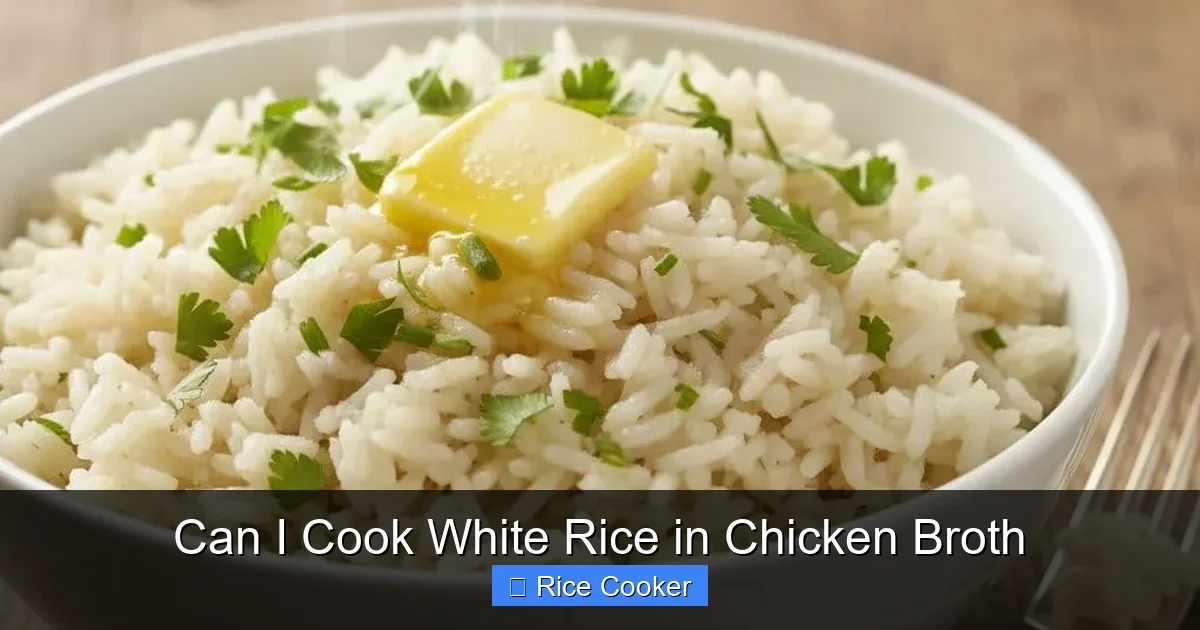
Visual guide about Can I Cook White Rice in Chicken Broth
Image source: enticinglysimple.com
Why Broth Works Better Than Water
Water is neutral—it doesn’t add flavor or nutrients. Broth, on the other hand, contains dissolved proteins, minerals, and flavor compounds extracted during simmering. These elements transfer directly into the rice grains, enhancing their taste without overpowering them. Think of it like soaking beans in vegetable stock before cooking: the end result is far more complex than boiling in plain water.
Nutritional Benefits of Broth-Cooked Rice
Cooking rice in chicken broth isn’t just about taste—it can also improve your meal’s nutritional profile. Homemade broths often include bones, cartilage, and vegetables rich in calcium, magnesium, and trace minerals. While these won’t drastically change the rice’s macro content, they do contribute small amounts of extra nutrition. For people following low-sodium diets, choosing low-salt or no-salt-added broth allows better control over sodium levels.
Texture Considerations
One common concern is whether broth will make rice mushy or overly sticky. The key lies in ratio and timing. Using too much liquid or overcooking can lead to gummy results. However, most standard ratios (1 cup broth per 1 cup rice) work beautifully for fluffy, separated grains. Modern rice cookers are especially forgiving because they regulate temperature automatically, preventing scorching or uneven cooking.
How to Cook White Rice in Chicken Broth: Step-by-Step Guide
Ready to give it a try? Below are two reliable methods—one for the stovetop and one optimized for your rice cooker. Both yield delicious, aromatic white rice every time.
Stovetop Method
- Measure Ingredients: For every 1 cup of white rice, use 1 cup of chicken broth. If your broth is strong-flavored (like homemade), you may want to dilute it slightly with half broth and half water to avoid overpowering the dish.
- Rinse the Rice: Place rice in a fine-mesh strainer and rinse under cold water until the water runs clear. This removes excess starch and prevents clumping.
- Sauté (Optional): Heat a tablespoon of oil or butter in a saucepan over medium heat. Add rinsed rice and toast for 1–2 minutes. This step adds depth and prevents mushiness.
- Add Broth and Bring to Boil: Pour in the broth, add a pinch of salt if desired, and bring to a rolling boil.
- Simmer Covered: Reduce heat to low, cover tightly, and simmer for 18–20 minutes (or according to package directions). Avoid lifting the lid during this time.
- Rest and Fluff: Remove from heat and let sit, covered, for 5 minutes. Then fluff gently with a fork before serving.
Rice Cooker Method
- Prepare Ingredients: Again, use a 1:1 ratio of rice to broth. Rinse rice thoroughly.
- Add to Inner Pot: Place rinsed rice into the rice cooker’s inner pot. Pour in the broth.
- Select Setting: Turn on your rice cooker and select the “White Rice” setting (most models have preset options).
- Let It Cook: Once cooking starts, leave the lid closed. Most electric rice cookers automatically switch to “warm” mode when done. You can also leave it on warm for extended periods, but see guidelines on leaving a rice cooker unattended.
- Rest Before Serving: Allow the rice to rest for 5–10 minutes after cooking completes. Fluff before plating.
Pro Tips for Perfect Broth-Rice
- Use Room-Temperature Broth: Cold broth lowers the cooking temperature, extending cook time and potentially affecting texture.
- Season Lightly: Since broth already has salt, taste before adding extra. Too much can make rice bland or salty.
- Try Aromatics: Add a bay leaf, garlic clove, or onion slice while cooking for extra fragrance.
- Store Leftovers Properly: Cool rice within two hours and refrigerate in an airtight container for up to 4 days. Reheat with a splash of water or broth to restore moisture.
Choosing the Right Type of Chicken Broth
Not all broths are created equal when it comes to cooking rice. Your choice affects flavor intensity, sodium content, and overall dish quality.
Homemade vs. Store-Bought
Homemade broth offers superior flavor and customization. You can simmer bones with herbs, carrots, celery, and onions for hours, extracting maximum nutrients. It’s ideal if you have access to leftover bones or make broth regularly.
Store-bought broth is convenient and widely available. Look for low-sodium or no-salt-added versions if you’re monitoring sodium intake. Avoid brands with long ingredient lists full of preservatives—opt for organic or natural labels instead.
Sodium Content Matters
If you’re on a low-sodium diet, always check the label. Even “natural” broths can contain significant salt. When in doubt, dilute store-bought broth with water (1:1 ratio) to cut sodium without sacrificing flavor.
Vegetarian or Vegan Options?
Absolutely! You can substitute chicken broth with vegetable broth or even mushroom stock. These provide earthy, umami-rich profiles that complement white rice beautifully. Just ensure the broth is unsalted or low-sodium to maintain control over seasoning.
Troubleshooting Common Issues
Even experienced cooks occasionally run into hiccups. Here’s how to fix them.
Too Salty?
If your broth-cooked rice turns out too salty, don’t panic. Add a peeled potato cut into chunks and let it sit in the rice for 15–20 minutes. The potato will absorb some of the excess salt. Discard it before serving.
Rice Is Mushy or Sticky
This usually happens due to overcooking or too much liquid. Next time, reduce cook time by 2–3 minutes or use slightly less broth. Also, avoid stirring during cooking—this breaks up the grains.
Rice Is Undercooked
Check your water-to-rice ratio and ensure your heat source is hot enough. On the stovetop, bring the mixture to a full boil before reducing heat. In a rice cooker, verify that the inner pot is seated correctly and the lid seals well.
No Flavor Penetration
If the rice tastes flat despite using broth, try sautéing the rice first (as described earlier). Toasting activates enzymes that help bind flavor to the grain. Also, ensure your broth is fresh and flavorful—stale or old broth won’t deliver strong results.
Cooking White Rice in Chicken Broth for Different Dishes
The beauty of broth-cooked rice is its versatility. It pairs well with almost any main course and can be transformed into new dishes.
Grain Bowls and Bowls of Joy
Top your aromatic rice with roasted vegetables, grilled chicken, avocado, and a drizzle of tahini or soy sauce. The savory base lets each component shine.
Soups and Stews
Instead of adding plain rice to your soup, cook it separately in broth first. This prevents the rice from becoming mushy and ensures consistent texture throughout the meal.
Fried Rice and Stir-Fries
Cook rice in broth ahead of time, cool it completely, then freeze portions in zip-top bags. When ready to fry, thaw and stir-fry with eggs, soy sauce, and your favorite proteins. The pre-seasoned rice takes on even more flavor.
Risotto-Like Creaminess (Without Arborio)
While traditional risotto uses short-grain rice and constant stirring, you can mimic creaminess by cooking white rice in broth and letting it sit covered after draining. Stir in a bit of butter or olive oil for richness.
Dessert Rice Pudding (Savory Twist)
Surprise your guests by making a savory rice pudding using chicken broth, cinnamon stick, and a splash of cream. Serve warm with crumbled feta or nuts—it’s unexpected but delightful.
Health Benefits of Chicken Broth-Cooked Rice
Beyond taste, this method offers subtle health advantages worth noting.
Digestive Support
Chicken broth contains gelatin and glutamine, which may soothe the digestive tract. People recovering from illness or dealing with mild gut issues often find broth easier to digest than plain food.
Hydration and Electrolytes
Broth contributes small amounts of potassium and sodium, helping maintain fluid balance—especially useful if you’ve been sweating or eating processed foods.
Reduced Need for Added Salt
Because broth imparts its own savoriness, you naturally use less table salt. Lower sodium intake supports heart health and reduces blood pressure risks.
Weight Management Friendly
Rice cooked in broth feels more satisfying due to flavor density, which may help you eat less overall. Pair it with lean proteins and veggies for a balanced, filling meal.
Environmental and Economic Considerations
Making broth from scratch isn’t just tasty—it’s also sustainable and cost-effective.
Reduce Food Waste
Use chicken bones, vegetable scraps, or herb stems to make homemade broth. Instead of throwing them away, turn them into nutrient-rich stock that enhances your rice.
Save Money Long Term
Buying boxed broths adds up. Making your own once a week (using frozen scraps) costs pennies per batch and lasts in the fridge for up to 4 days or freezer for months.
Less Packaging Waste
Homemade broth eliminates plastic containers and cardboard boxes. Store it in reusable jars or glass containers instead.
Frequently Asked Questions About Cooking White Rice in Chicken Broth
Is it okay to cook white rice in chicken broth in a rice cooker?
Yes! Most rice cookers handle broth perfectly. Just ensure the inner pot is clean and the lid seals tightly. The machine regulates temperature automatically, so you don’t risk burning or overcooking.
Will cooking rice in broth make it too salty?
Not necessarily—it depends on the broth. Low-sodium or no-salt-added broths prevent excess salt. If yours is high in sodium, dilute it with water (1:1 ratio) before cooking.
Can I use bouillon cubes instead of broth?
You can, but dilute them heavily—usually one cube in 4 cups of water—to avoid concentrated salt and artificial additives. Fresh or shelf-stable broth is preferable for cleaner flavor.
Does cooking time change when using broth?
Generally no. White rice cooks in about the same time whether in water or broth, assuming similar volume and heat. Follow package instructions or your rice cooker’s guidelines.
Can I freeze broth-cooked rice?
Absolutely. Cool completely, portion into freezer-safe containers or bags, and freeze for up to 3 months. Thaw overnight in the fridge and reheat with a splash of broth to revive moisture.
What if my rice is still crunchy after cooking?
It might be undercooked. Try adding 1–2 tablespoons of hot broth, re-covering, and simmering for 5 more minutes on the stovetop, or placing the rice cooker back on “cook” for another cycle.
Frequently Asked Questions
Is it okay to cook white rice in chicken broth in a rice cooker?
Yes! Most rice cookers handle broth perfectly. Just ensure the inner pot is clean and the lid seals tightly. The machine regulates temperature automatically, so you don’t risk burning or overcooking.
Will cooking rice in broth make it too salty?
Not necessarily—it depends on the broth. Low-sodium or no-salt-added broths prevent excess salt. If yours is high in sodium, dilute it with water (1:1 ratio) before cooking.
Can I use bouillon cubes instead of broth?
You can, but dilute them heavily—usually one cup in 4 cups of water—to avoid concentrated salt and artificial additives. Fresh or shelf-stable broth is preferable for cleaner flavor.
Does cooking time change when using broth?
Generally no. White rice cooks in about the same time whether in water or broth, assuming similar volume and heat. Follow package instructions or your rice cooker’s guidelines.
Can I freeze broth-cooked rice?
Absolutely. Cool completely, portion into freezer-safe containers or bags, and freeze for up to 3 months. Thaw overnight in the fridge and reheat with a splash of broth to revive moisture.
What if my rice is still crunchy after cooking?
It might be undercooked. Try adding 1–2 tablespoons of hot broth, re-covering, and simmering for 5 more minutes on the stovetop, or placing the rice cooker back on “cook” for another cycle.