
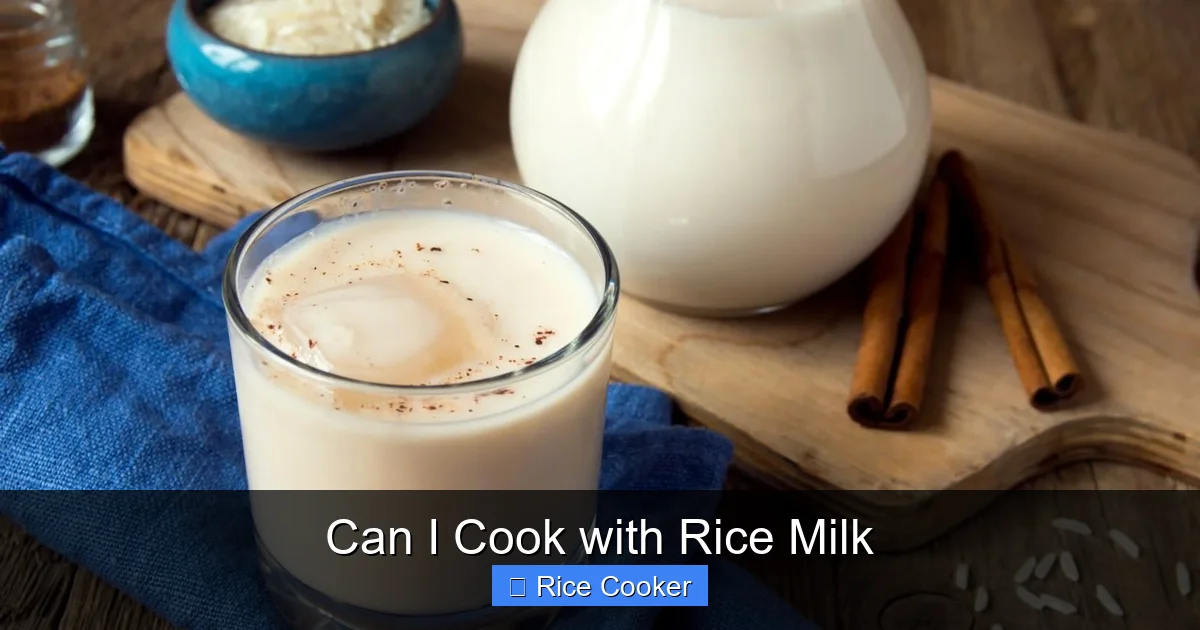
Can I cook with rice milk? Absolutely! Rice milk is a versatile, plant-based alternative that works well in many recipes. While it has a mild flavor and thin consistency, with the right techniques, it can replace dairy milk in soups, sauces, baked goods, and even desserts without sacrificing taste or texture.
Can I Cook with Rice Milk? Yes—and You’ll Love How It Tastes!
If you’ve ever stood in your kitchen wondering whether rice milk is just for cereal or smoothies, let me tell you: rice milk is far more versatile than you think. Whether you’re vegan, lactose intolerant, allergic to dairy, or simply looking to cut back on animal products, rice milk offers a gentle, naturally sweet option that works surprisingly well in the kitchen. But can you actually cook with rice milk? The short answer is yes—and the long answer is even better.
Unlike some plant-based milks that break down when heated or lose their nutritional value, rice milk holds up nicely during cooking. It’s not only safe to use but can also bring a delicate creaminess and subtle sweetness to your favorite dishes. From rich risotto to fluffy pancakes, rice milk can be a game-changer in your culinary toolkit. In this article, we’ll explore everything you need to know about cooking with rice milk—how it behaves when heated, which recipes it shines in, and how to get the best results every time.
So grab your apron, fill your rice cooker (or just your regular pot), and let’s dive into the world of rice milk cooking!
For tips on safely using your rice cooker while preparing rice milk-based dishes, check out our guide on leaving a rice cooker unattending.
Understanding Rice Milk: What Is It and Why Use It?
Before we start tossing rice milk into our pots and pans, it’s helpful to understand what rice milk actually is—and why people choose it over other plant-based alternatives like almond milk or oat milk.
Rice milk is made by soaking brown rice in water, boiling it, then blending and straining the mixture until smooth. The result is a pale, slightly sweet liquid that closely resembles traditional cow’s milk in appearance but differs in taste and nutritional profile. Most commercial rice milk brands add vitamins and minerals (like calcium and vitamin D) to mimic the nutritional value of dairy milk. Some versions are sweetened with cane sugar or brown rice syrup, while others come in unsweetened forms for those watching their sugar intake.
One of the main reasons people turn to rice milk is its mild flavor. Unlike coconut milk, which can dominate a dish with its tropical notes, or soy milk, which sometimes carries a bean-like aftertaste, rice milk stays neutral—making it ideal for recipes where you don’t want the milk itself to steal the spotlight.
Another benefit? Rice milk is naturally free from common allergens like nuts and soy, making it a great choice for people with multiple food sensitivities. Plus, it’s often lower in fat than dairy milk and contains no cholesterol, appealing to health-conscious cooks.
But here’s the catch: rice milk is thinner and less protein-rich than cow’s milk. That means it doesn’t foam as well, won’t curdle easily when heated, and lacks the structure needed for certain recipes like cheese sauces or custards. Still, with a few smart substitutions and adjustments, rice milk can do a lot of heavy lifting in the kitchen.
How Rice Milk Behaves When Cooked
Now that we know what rice milk is, let’s talk about how it reacts when you heat it—because not all plant-based milks are created equal in the cooking process.
When you simmer or boil rice milk, it remains stable. Unlike soy or almond milk, which can separate or develop off-flavors at high temperatures, rice milk tolerates heat quite well. It won’t scorch easily, and its natural starches help give it a slightly thicker mouthfeel when warmed.
However, because rice milk is so thin, it doesn’t contribute much body to a sauce or soup on its own. If you’re making a béchamel or Alfredo-style dish, for example, you might notice the final product comes out runnier than expected. That’s okay—just plan ahead by using a thickening agent like cornstarch, arrowroot powder, or a small amount of flour mixed with cold rice milk (a “roux” equivalent).
Also, keep in mind that rice milk can lose some of its delicate aroma when boiled for too long. For recipes where fragrance matters—like vanilla puddings or infused broths—add rice milk toward the end of cooking to preserve its subtle sweetness.
Another thing to watch for: if you’re using flavored rice milk (like chocolate or strawberry), those flavors can intensify during heating. A little goes a long way, so taste as you go and adjust accordingly.
In short: rice milk is forgiving in the kitchen. It won’t ruin your dish if you make a minor mistake, and with a few tweaks, it can deliver satisfying results every time.
Best Recipes to Cook with Rice Milk
Ready to put rice milk to work? Here are five categories of dishes where rice milk truly shines—along with practical examples and pro tips.
1. Creamy Soups and Stews
One of the easiest ways to use rice milk is in soups. Its mild flavor blends seamlessly with vegetables, herbs, and spices, creating a velvety texture without overpowering the other ingredients.
Try this: Make a simple roasted red pepper soup by blending cooked peppers, garlic, onion, vegetable broth, and a splash of unsweetened rice milk. Simmer gently, then blend until smooth. Garnish with a drizzle of olive oil and fresh basil.
Pro tip: To thicken the soup, stir in a teaspoon of cornstarch dissolved in a tablespoon of cold rice milk before heating. This creates a silky base without clumping.
2. Baked Goods and Pancakes
Rice milk is a fantastic substitute in baking—especially when you need a neutral-tasting liquid that won’t clash with chocolate chips, berries, or cinnamon.
For pancakes: Replace half the dairy milk in your favorite batter with rice milk. You’ll get lighter, fluffier rounds with a tender crumb.
For muffins or quick breads: Rice milk helps keep cakes moist and tender. Try adding it to banana bread or zucchini muffins for extra softness.
Note: Because rice milk doesn’t contain casein (the milk protein that helps bind baked goods), you might see slightly less rise. Don’t worry—it still bakes beautifully, just expect a tender rather than ultra-fluffy result.
3. Sauces and Gravies
While rice milk alone won’t thicken a gravy, it makes an excellent base when combined with a roux or slurry.
Example: Make a mushroom gravy by sautéing onions and mushrooms, then whisking in flour to form a roux. Gradually pour in rice milk while stirring constantly. Season with thyme, salt, and pepper. Let it simmer until desired thickness.
Bonus: Rice milk-based sauces pair wonderfully with rice, pasta, or mashed potatoes—especially if you’re serving a grain-heavy meal.
4. Rice Pudding and Desserts
Here’s a classic where rice milk really earns its place: rice pudding.
Traditional versions use cow’s milk, but rice milk gives a lighter, more fragrant result. Simmer arborio or sushi rice with rice milk, sugar (optional), cinnamon, and a pinch of salt until creamy and tender. Chill before serving with a sprinkle of nutmeg.
For best texture, consider cooking the rice in a rice cooker first and keeping it warm; see our guide on keeping rice warm in a slow cooker for tips.
Other dessert ideas:
– Vanilla custard (use a cornstarch-thickened base)
– Fruit compotes (simmer apples or pears in rice milk with cardamom)
– Ice cream (freeze blended rice milk with cocoa powder and maple syrup)
5. Infused Broths and Beverages
You can even use rice milk to make savory infusions. Try steeping lemongrass, ginger, or bay leaves in warm rice milk for 30 minutes, then straining. Use it as a base for risottos or grain bowls.
Or blend it into morning smoothies—its natural sweetness balances tart fruits like berries or citrus.
Tips for Cooking Success with Rice Milk
Even though rice milk is easy to work with, a few smart moves will elevate your results:
– Always use unsweetened rice milk unless the recipe calls for sweetness. Sweetened versions can throw off flavor balance.
– Warm rice milk slowly over low heat to avoid curdling (though it’s rare).
– For thickening, mix dry starches.
– For thickening, mix dry starches (cornstarch, arrowroot) with cold rice milk first—this prevents lumps.
– Taste frequently during cooking. Rice milk’s mildness means it won’t mask mistakes, so small adjustments go a long way.
– Store opened containers tightly sealed in the fridge and use within 7–10 days for best quality.
Common Mistakes to Avoid
Despite its versatility, there are a few pitfalls to watch out for:
– Using rice milk in recipes that rely heavily on milk proteins (like cheese sauces or meringues). In these cases, consider combining rice milk with another liquid or using a non-dairy creamer.
– Expecting rice milk to perform exactly like whole milk. It won’t foam, brown, or create the same richness.
– Overheating for too long. While safe, prolonged boiling can dull the flavor.
Nutritional Considerations
Let’s talk numbers. One cup (240 ml) of plain rice milk typically contains:
– Calories: 120–140
– Fat: 2–3 g
– Protein: 1 g
– Carbohydrates: 24–28 g (mostly sugars)
– Calcium: Often fortified to match dairy milk levels
Compared to cow’s milk (which has ~8g protein per cup), rice milk falls short in protein—but excels in being hypoallergenic and low in saturated fat. It’s also naturally gluten-free (check labels, as some brands add maltodextrin derived from wheat).
If you’re using rice milk for nutritional reasons, pair it with protein-rich foods like beans, lentils, or tofu to round out your meals.
Frequently Asked Questions About Cooking with Rice Milk
Can I substitute rice milk for dairy milk in any recipe?
Most recipes work fine with rice milk, especially those involving liquids or baked goods. However, avoid using it in dishes that depend on milk’s ability to foam, brown, or form strong emulsions—like whipped cream or cheesy sauces without a thickener.
Will rice milk curdle when heated?
Rice milk is very unlikely to curdle because it contains no animal proteins. Even at high heat, it remains stable and smooth—perfect for soups and stews.
Is sweetened rice milk okay for cooking?
Yes, but use it sparingly. Sweetened rice milk adds extra sugar, which may affect flavor balance in savory dishes. Stick to unsweetened for better control.
Can I freeze leftover rice milk?
It’s not recommended. Rice milk separates when frozen and loses texture upon thawing. Always use fresh for best results.
Does rice milk work in coffee or tea?
Absolutely! Rice milk froths well in lattes and adds a creamy texture to hot beverages. Just warm it gently on the stove or in the microwave.
How does rice milk compare to oat or almond milk for cooking?
Oat milk is creamier and better for foaming; almond milk is lighter but can be pricey. Rice milk stands out for its neutrality and affordability—ideal for neutral-flavored recipes.
Conclusion: Embrace Rice Milk in Your Kitchen
So, can you cook with rice milk? Without a doubt—yes! It’s not just a cereal companion; it’s a flexible, plant-powered ingredient that brings lightness, moisture, and subtle sweetness to countless dishes. Whether you’re whipping up a weeknight soup, baking weekend pancakes, or experimenting with new flavors, rice milk deserves a spot in your pantry.
Remember: cooking with plant-based ingredients takes a bit of practice, but the payoff is worth it. Start small—try replacing dairy milk in one recipe per week—and soon you’ll find yourself reaching for rice milk without hesitation.
And hey, if you’ve never used rice milk before, now’s the perfect time. Open a carton, pour it into a pot, and discover how easy—and delicious—cooking with rice milk can be.
Key Takeaways
- Rice milk is safe and effective for cooking: It’s heat-stable and can be used as a direct substitute in most recipes calling for milk.
- It adds subtle sweetness and lightness: Rice milk enhances the flavor of dishes while keeping them creamy and smooth.
- Use it in both savory and sweet dishes: From creamy soups to fluffy pancakes, rice milk adapts well across cuisines.
- Beware of thin consistency: Because rice milk is less thick than dairy milk, you may need to adjust thickening agents like flour or cornstarch.
- Choose unsweetened varieties for better control: Unsweetened rice milk allows you to manage sugar content in your cooking.
- Pair it with complementary ingredients: Vanilla, cinnamon, or nutmeg can help balance rice milk’s mild flavor in recipes.
- Store properly and use within timeframe: Always refrigerate after opening and check expiration dates to ensure freshness.
Frequently Asked Questions
Can I substitute rice milk for dairy milk in any recipe?
Most recipes work fine with rice milk, especially those involving liquids or baked goods. However, avoid using it in dishes that depend on milk’s ability to foam, brown, or form strong emulsions—like whipped cream or cheesy sauces without a thickener.
Will rice milk curdle when heated?
Rice milk is very unlikely to curdle because it contains no animal proteins. Even at high heat, it remains stable and smooth—perfect for soups and stews.
Is sweetened rice milk okay for cooking?
Yes, but use it sparingly. Sweetened rice milk adds extra sugar, which may affect flavor balance in savory dishes. Stick to unsweetened for better control.
Can I freeze leftover rice milk?
It’s not recommended. Rice milk separates when frozen and loses texture upon thawing. Always use fresh for best results.
Does rice milk work in coffee or tea?
Absolutely! Rice milk froths well in lattes and adds a creamy texture to hot beverages. Just warm it gently on the stove or in the microwave.
How does rice milk compare to oat or almond milk for cooking?
Oat milk is creamier and better for foaming; almond milk is lighter but can be pricey. Rice milk stands out for.
How does rice milk compare to oat or almond milk for cooking?
Oat milk is creamier and better for foaming; almond milk is lighter but can be pricey. Rice milk stands out for its neutrality and affordability—ideal for neutral-flavored recipes.