
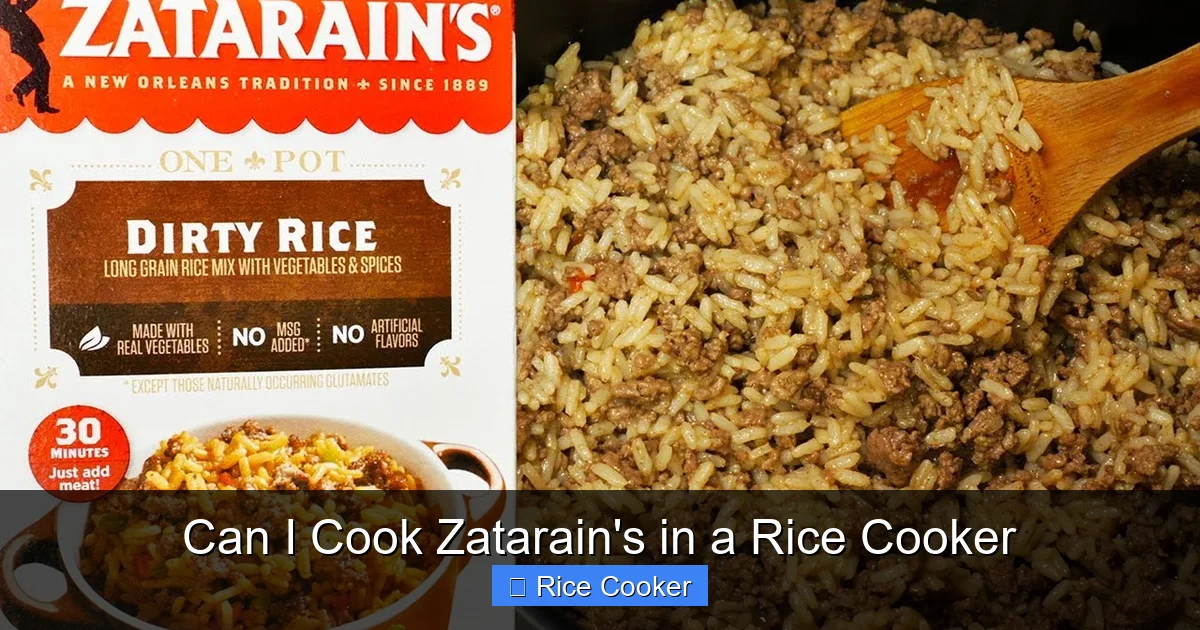
Can I cook Zatarain’s in a rice cooker? Absolutely! With the right water ratio and a few simple steps, your rice cooker can make flavorful Zatarain’s dishes like jambalaya or dirty rice. This guide walks you through everything you need to know—from measuring ingredients to timing—so you get consistent, delicious results.
Key Takeaways
- Zatarain’s mixes work great in rice cookers: Their pre-seasoned blends are designed for one-pot meals and cook efficiently in electric rice cookers.
- Use the correct water ratio: Most Zatarain’s recipes call for 2 cups of water per 1 cup of mix—follow this to avoid mushy or undercooked grains.
- Add extras at the end: Stir in cooked meat, vegetables, or spices after the rice is done to keep textures fresh and flavors balanced.
- Cleaning is easy: Rice cooker pots are typically non-stick and dishwasher-safe, making cleanup simple after cooking.
- Experiment with flavors: Try Cajun spice blends, shrimp, sausage, or bell peppers to customize your dish beyond the original mix instructions.
- Prep ahead saves time: Chop veggies and sauté meats while the rice cooks to streamline your meal prep.
📑 Table of Contents
- Can I Cook Zatarain’s in a Rice Cooker?
- What Are Zatarain’s Mixes?
- Why Use a Rice Cooker for Zatarain’s?
- How to Cook Zatarain’s in a Rice Cooker: Step-by-Step Guide
- Popular Zatarain’s Varieties and Best Uses in a Rice Cooker
- Tips for Perfect Results Every Time
- Troubleshooting Common Issues
- Creative Ways to Customize Your Dish
- Cleaning and Maintenance Tips
- Final Thoughts: Why This Method Works
Can I Cook Zatarain’s in a Rice Cooker?
If you’re standing in your kitchen wondering whether you can use your trusty rice cooker to whip up a quick dinner with Zatarain’s famous seasoning mixes, the answer is a confident yes. Whether it’s jambalaya, dirty rice, or red beans and rice, these ready-to-cook blends were made for one-pot convenience—and your rice cooker fits the bill perfectly. With just a few adjustments, you can enjoy restaurant-quality Southern flavors without standing over a hot stove.
But before you start pouring that first cup of water into your appliance, let’s talk ratios, timing, and a few pro tips to help you get it just right.
What Are Zatarain’s Mixes?
Zatarain’s has been a staple in Southern kitchens since 1889, offering pre-seasoned dry mixes that simplify traditional Cajun and Creole dishes. From jambalaya—a hearty blend of rice, tomatoes, and sausage—to red beans and rice or even dirty rice (which gets its name from the dark color of the seasoning), these mixes combine spices, herbs, and often dehydrated vegetables in one convenient package. All you add is liquid (usually water or broth) and sometimes protein or veggies, then cook until tender.

Visual guide about Can I Cook Zatarain’s in a Rice Cooker
Image source: cdn.gardengrocer.com
Originally developed for stovetop cooking, many home cooks have discovered they can adapt Zatarain’s recipes for modern appliances—including rice cookers. The beauty of these mixes is their consistency: no guessing which spice goes where. But when using them in a rice cooker, you still need to pay attention to texture and timing to ensure everything cooks evenly.
Why Use a Rice Cooker for Zatarain’s?
Rice cookers offer precision temperature control and automatic shut-off, which means less babysitting and more flavor development. Unlike boiling on the stove—where evaporation can leave you with too much liquid or unevenly cooked grains—your rice cooker maintains a steady simmer until the moisture is absorbed. This leads to more consistent results, especially important when working with seasoned blends that rely on precise hydration levels.
Plus, using a rice cooker frees up your stovetop for other tasks, like sautéing onions or frying up some andouille sausage. And because Zatarain’s mixes are already balanced with salt and spices, there’s less risk of over-salting compared to DIY versions. Just be sure not to add extra salt unless specified in your recipe variation.
How to Cook Zatarain’s in a Rice Cooker: Step-by-Step Guide
Ready to turn your rice cooker into a Southern-style kitchen hero? Here’s how to do it safely and successfully:
Gather Your Ingredients
Start with the basics: 1 cup of Zatarain’s mix (choose your favorite variety), 2 cups of water (or chicken/broth if preferred), and any additional ingredients like diced ham, sausage, or chopped bell peppers. You might also want a splash of hot sauce or a pat of butter for extra richness.
Measure the Water Accurately
Most Zatarain’s recipes require a 2:1 ratio of water to mix. So for every 1 cup of dry mix, use exactly 2 cups of liquid. Too little water = gummy, clumpy rice; too much = soupy, weak-flavored stew. A standard 6-cup rice cooker can handle up to 2 cups of mix comfortably, but don’t overload it beyond capacity—this affects heat distribution.
Add Optional Extras Carefully
If adding raw meat or uncooked vegetables, consider pre-cooking them slightly first. For example, brown your sausage before mixing everything together. Raw onions or celery can go in whole or chopped, but keep in mind they may soften more than desired if left uncooked. Alternatively, add them after the rice finishes to preserve crunch.
Cook on Standard Setting
Once everything is in the inner pot, close the lid securely and select the “White Rice” or “Normal” setting. Avoid using “Quick Cook” or “Porridge” modes—they apply too much pressure or speed, which can ruin the delicate balance of your Zatarain’s blend. Let the machine do its thing without opening the lid during cooking.
Let It Rest
After the cycle ends, let the rice sit for 5–10 minutes with the lid closed. This allows residual steam to finish cooking any stubborn bits and helps the grains firm up slightly. Then fluff gently with a fork before serving.
Taste and Adjust
Give it a taste. If it’s bland, add a pinch more salt or a dash of hot sauce. If it’s too wet, you can transfer the contents to a skillet and simmer uncovered for a few minutes to reduce excess moisture. Keep notes for next time—every rice cooker behaves slightly differently!
Popular Zatarain’s Varieties and Best Uses in a Rice Cooker
Not all Zatarain’s mixes are created equal when it comes to texture and cooking method. Some lean toward soupy stews, while others are closer to pilaf-style rice. Here’s how different varieties perform in your rice cooker:
Jambalaya
One of the most popular choices, jambalaya combines rice, tomatoes, and proteins like chicken or sausage. Because it includes tomato paste or crushed tomatoes, it tends to release more liquid during cooking. To prevent overflow, stir occasionally after the initial boil subsides, or opt for low-sodium broth to reduce acidity. Adding smoked sausage early helps infuse flavor deeply.
Dirty Rice
This savory blend gets its name from the dark, rich color imparted by the seasonings—often including black pepper and paprika. It pairs well with ground beef or turkey. Since dirty rice is typically cooked with oil first, consider lightly browning your meat in a separate pan before combining it with the dry mix and water. This builds a stronger flavor base.
Red Beans and Rice
A classic New Orleans staple, red beans and rice usually calls for soaking dried beans overnight. However, many Zatarain’s versions include pre-cooked beans in the mix. In that case, simply follow the water ratio and cook as usual. The result should be a thick, flavorful stew with tender beans and perfectly cooked white rice.
Cajun Chicken and Rice
This version features bite-sized chicken pieces mixed with rice and aromatic vegetables. For best results, cube the chicken breast or thigh into even-sized pieces so they cook uniformly. Add them directly with the dry mix and water—no need to sear first unless you love caramelized edges.
Shrimp Creole
While shrimp cooks quickly, it’s best added toward the end of cooking to avoid toughness. One trick: cook the rice mixture first, then remove it from heat, stir in raw shrimp, cover, and let it steam for 5 minutes. The residual heat will cook the shrimp without overdoing it.
Tips for Perfect Results Every Time
Even with a foolproof recipe, small tweaks can make a big difference. Here are some insider tips from experienced rice cooker users:
- Use filtered water: Tap water can contain minerals that alter taste or leave spots on rice. Filtered water ensures cleaner flavor.
- Don’t skip the rest period: Residual heat continues cooking grains even after the cycle stops. Skipping this step risks underdone rice.
- Line the pot for easy cleanup: Place a silicone liner or parchment paper inside if you’re worried about sticking—especially useful for sticky tomato-based dishes like jambalaya.
- Ventilate if needed: If your rice cooker starts steaming heavily, crack the lid slightly during the last 5 minutes to release excess vapor.
- Store leftovers properly: Cool completely before refrigerating in an airtight container. Reheat gently on the stovetop with a splash of water to revive moisture.
Troubleshooting Common Issues
Despite careful preparation, things don’t always go according to plan. Don’t panic—most issues have simple fixes:
Too Much Liquid Remaining
If your rice cooker leaves behind excess water, drain it through—most issues have simple fixes:
Too Much Liquid Remaining
If your rice cooker leaves behind excess water, drain it through a colander or transfer the contents to a saucepan and simmer uncovered. Stir frequently to prevent scorching. You can also mix in breadcrumbs or mashed potatoes to absorb extra moisture and create a thicker consistency.
Too Much Liquid Remaining
If your rice cooker leaves behind excess water, drain it through a colander or transfer the contents to a saucepan and simmer uncovered. Stir frequently to prevent scorching. You can also mix in breadcrumbs or mashed potatoes to absorb extra moisture and create a thicker consistency.
Rice Stuck to the Bottom
This happens when the bottom layer isn’t stirred occasionally or when too little oil/oil isn’t used initially. To prevent it, rub a thin layer of oil around the pot before adding ingredients. If stuck rice does occur, turn off the cooker, let it cool slightly, then gently scrape with a wooden spoon—avoid metal utensils on non-stick surfaces.
Undercooked Grains
Check the model of your rice cooker—some older models take longer to reach full heat. Extend cooking time by 5–10 minutes manually (after the cycle ends) and test with a toothpick. If grains are still hard, return to heat with a bit more water and cook in short intervals.
Bland Taste
Zatarain’s mixes are salty enough for most people, but if yours tastes flat, try finishing with a squeeze of lemon juice, a knob of butter, or a sprinkle of fresh herbs like parsley or green onions. These brighten the overall profile without altering the main ingredients.
Creative Ways to Customize Your Dish
The great thing about Zatarain’s mixes is their flexibility. Once you’ve mastered the basic method, feel free to experiment:
- Add cheese: Stir in shredded cheddar or Monterey Jack after cooking for a creamy, melty topping.
- Boost nutrition: Mix in frozen peas, corn, or diced sweet potatoes halfway through cooking for extra vitamins and fiber.
- Make it spicy: Toss in sliced jalapeños, red pepper flakes, or a diced habanero for heat lovers.
- Switch proteins: Swap sausage for bacon, chicken for turkey kielbasa, or even lentils for a vegetarian option.
- Serve with sides: Pair jambalaya with cornbread or coleslaw. Dirty rice shines alongside fried catfish or deviled eggs.
Cleaning and Maintenance Tips
Your rice cooker’s inner pot and lid should be cleaned promptly after use to prevent food buildup. Most components are dishwasher-safe, but hand-washing preserves non-stick coatings longer. Use warm soapy water and a soft sponge—never abrasive scrubbers. Dry thoroughly before storing to prevent mold or odors.
Also, check the heating element and vent regularly for residue. A quick wipe with a damp cloth keeps airflow clear and prevents overheating. Regular maintenance extends the life of your appliance and ensures reliable performance.
Final Thoughts: Why This Method Works
Cooking Zatarain’s in a rice cooker isn’t just convenient—it’s smart. The appliance’s sealed environment locks in aromas and flavors, while its automated timing removes guesswork. Whether you’re feeding a family or meal-prepping for the week, this method delivers consistent results with minimal effort. Plus, you get the authentic taste of New Orleans without leaving your kitchen.
So next time you’re craving something warm, comforting, and full of bold spices, reach for that Zatarain’s box and your rice cooker. With this guide as your roadmap, you’ll never wonder again—yes, you absolutely can cook Zatarain’s in a rice cooker, and it’s better than ever.
Frequently Asked Questions
Can I cook Zatarain’s jambalaya in a rice cooker?
Yes! Simply mix 1 cup of Zatarain’s jambalaya mix with 2 cups of water (or broth), add cooked sausage or chicken if desired, and cook on the standard setting. Let it rest before serving for best texture.
Do I need to soak Zatarain’s rice before cooking?
No soaking required. Unlike long-grain wild rice or certain specialty grains, Zatarain’s mixes are formulated to cook fully in 15–20 minutes without pre-soaking.
Can I add vegetables to my Zatarain’s rice cooker dish?
Absolutely. Diced onions, bell peppers, and celery work well. For best results, chop finely and add them with the dry mix. Avoid leafy greens—they’ll wilt too much.
Is it safe to use Zatarain’s in a pressure cooker instead?
Not recommended. Pressure cookers require different liquid ratios and cooking times, which could lead to mushy or overly dry results. Stick to the rice cooker for optimal outcomes.
How long does Zatarain’s rice take to cook in a rice cooker?
Typically 18–22 minutes on the standard setting, followed by a 5–10 minute rest. Exact time may vary by model, so refer to your manual if available.
Can I freeze leftover Zatarain’s rice?
Yes! Cool completely, portion into freezer bags or containers, and store for up to 3 months. Thaw overnight in the fridge and reheat gently on the stovetop with a splash of water.