

Can I freeze cooked rice pudding? Absolutely! Freezing rice pudding is a smart way to preserve its creamy texture and rich flavor, especially when using a rice cooker. With proper storage and simple reheating techniques, you’ll enjoy homemade desserts all week long—no waste, no hassle.
Key Takeaways
- Freezing is safe and effective: Cooked rice pudding can be safely frozen for up to 3 months without losing much of its quality.
- Use airtight containers: Always transfer cooled rice pudding into freezer-safe, airtight containers to prevent freezer burn and absorb odors.
- Label and date: Write the freezing date on your container so you know exactly how long it’s been stored—this helps maintain freshness.
- Reheat gently: Thaw overnight in the fridge or warm it slowly on the stove to avoid curdling or separation.
- Rice cookers make great tools: Whether you use one to cook the rice or reheat the pudding, modern rice cookers simplify the whole process.
- Customize before freezing: Add mix-ins like nuts, fruit, or spices just before freezing to keep textures intact and flavors balanced.
📑 Table of Contents
- Can I Freeze Cooked Rice Pudding? The Definitive Guide
- Why Freeze Rice Pudding?
- How Long Can You Freeze Cooked Rice Pudding?
- Preparing Rice Pudding for Freezing: Step-by-Step
- Best Containers for Freezing Rice Puddy
- Thawing and Reheating Frozen Rice Pudding
- Tips to Maintain Texture and Flavor After Freezing
- Creative Ways to Enjoy Frozen Rice Pudding
- Common Mistakes to Avoid When Freezing Rice Puddy
- Does the Type of Rice Matter When Freezing?
- Can You Freeze Rice Pudding Made in a Rice Cooker?
- Final Thoughts: Should You Freeze Your Rice Pudding?
Can I Freeze Cooked Rice Pudding? The Definitive Guide
There’s something deeply comforting about a warm bowl of rice pudding—especially when it’s made with creamy milk, fragrant vanilla, and tender grains of rice. But what happens when you make too much? Or maybe you’re meal-prepping desserts for the week and want to save time? That’s where freezing comes in. So yes, you absolutely can freeze cooked rice pudding, and doing it right means you’ll still enjoy that silky-smooth texture and rich taste when you thaw it later. In fact, freezing is one of the best ways to extend the life of this beloved dessert while keeping it delicious.
But before you pop your entire pot into the freezer, there are some important steps to follow. From cooling methods to packaging tips, we’ll walk through everything you need to know—whether you used a traditional stovetop recipe or a modern rice cooker to make your pudding. Let’s dive in!
Why Freeze Rice Pudding?
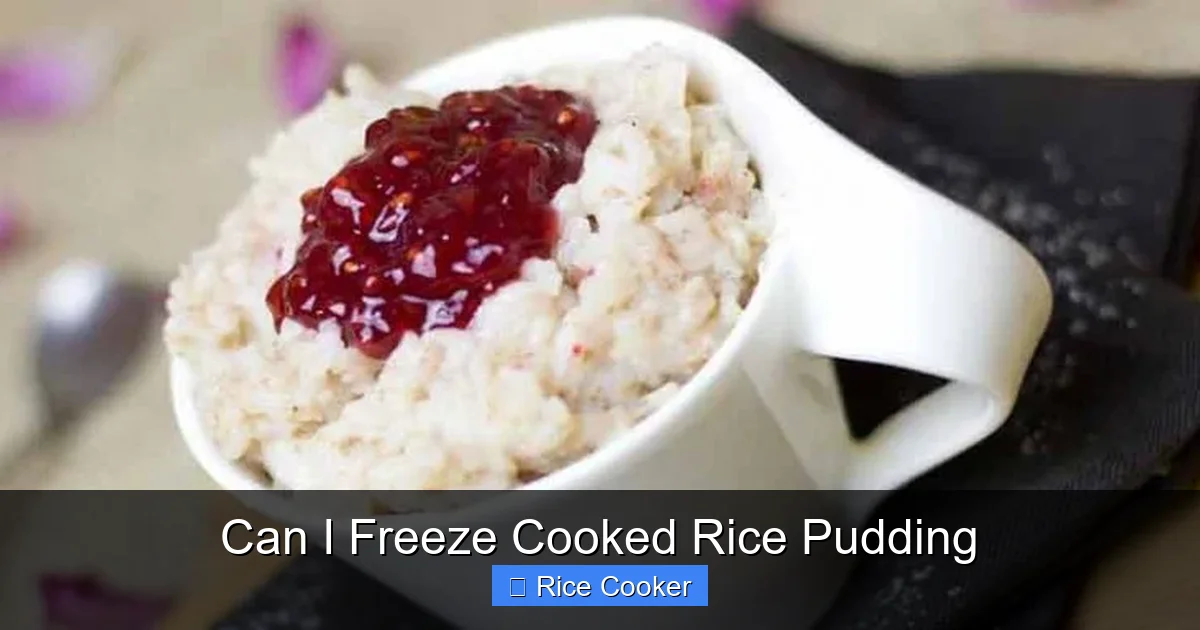
Visual guide about Can I Freeze Cooked Rice Pudding
Image source: pantrytips.com
Freezing isn’t just about saving leftovers—it’s about preserving perfection. Rice pudding has a unique balance: it’s soft, custard-like, and slightly sweet, but if not stored correctly, it can dry out, become grainy, or develop off-flavors. By freezing it properly, you lock in moisture and flavor, ensuring each bite remains as satisfying as the first.
Plus, rice pudding freezes beautifully because the starch in the rice stabilizes during the cooling and freezing process. This means even after weeks in the freezer, your pudding won’t turn into a rubbery mess. And since it requires minimal ingredients and effort to make, freezing allows you to batch-cook it using your rice cooker, then enjoy it throughout the week or month without extra work.
Whether you’re prepping for busy weekdays, stocking up for holidays, or simply avoiding food waste, freezing rice pudding is a game-changer. It’s also a great way to customize your favorite recipes—adding cinnamon, raisins, or almond extract before freezing lets you experiment with flavors without risking a failed batch.
How Long Can You Freeze Cooked Rice Pudding?
The short answer: up to 3 months. Most experts agree that rice pudding maintains its best quality when frozen no longer than three months. Beyond that, while it may still be safe to eat, the texture and flavor might degrade slightly due to ice crystal formation and oxidation.
Here’s a quick breakdown:
– Best quality: 1–2 months
– Safe to eat (but less ideal): Up to 3 months
Always check for signs of spoilage before eating—smell, color changes, or an unusual texture could indicate freezer burn or bacterial growth. If everything looks and smells normal, go ahead and enjoy!
One pro tip: divide large batches into smaller portions. This way, you only thaw what you need, reducing the chance of leftover pudding sitting in the fridge too long.
Preparing Rice Pudding for Freezing: Step-by-Step
Not all freezing methods are created equal. To get the best results, preparation is key. Follow these steps carefully:
Let It Cool Completely
Never put hot rice pudding directly into the freezer. Doing so raises the internal temperature too quickly, creating condensation inside the container and increasing the risk of bacterial growth. Instead, let the pudding cool at room temperature for about 1 hour, then cover loosely and refrigerate for another 2–4 hours until fully chilled.
Choose the Right Container
Use shallow, airtight containers designed for freezing—plastic tubs with locking lids, glass containers with tight-fitting lids, or specially labeled freezer bags work well. Avoid wide-mouthed jars unless they have secure seals; otherwise, air exposure causes freezer burn.
Leave headspace! Rice pudding expands slightly as it freezes. Leave at least ½ inch (about 1 cm) between the top of the pudding and the lid to allow room for expansion.
Add a Layer of Protection (Optional)
For extra protection against odors and drying out, press a piece of parchment paper or plastic wrap directly onto the surface of the cooled pudding before sealing. This creates a barrier between the air and the food.
Label Everything
Write the date and contents on a sticky note or use a permanent marker. Trust us—you’ll thank yourself later when you pull out a mysterious container from the back of the freezer!
Best Containers for Freezing Rice Puddy
Choosing the right container makes all the difference. Here’s what works best:
– Glass containers: Great for even heat distribution when reheating and reusable. Look for ones with airtight silicone seals.
– Plastic freezer-safe tubs: Lightweight and stackable—ideal for bulk storage.
– Freezer bags: Perfect for portion control. Lay flat to save space and thaw more evenly.
– Avoid metal containers: They can react with acidic ingredients and aren’t recommended for long-term freezer storage.
Remember: always double-check that your chosen container is labeled “freezer safe” before use. Some plastics release chemicals when frozen.
Thawing and Reheating Frozen Rice Pudding
This is arguably the most important part. Rushing the thawing process ruins the texture. Patience pays off!
Thaw in the Refrigerator (Recommended Method)
Transfer the sealed container to the refrigerator and let it thaw slowly overnight. This method preserves the creamy consistency best. Once thawed, give the pudding a stir—it may have separated slightly, but gentle mixing usually brings it back together.
Quick Thaw (For Small Portions Only)
If you’re short on time, place the sealed container in a bowl of cold water for 30–60 minutes. Change the water every 15 minutes to speed things up. Never microwave frozen pudding straight from the freezer—the heat will unevenly warm it and create hot spots.
Reheat Gently
Once thawed, reheat your rice pudding slowly over low heat. Use a heavy-bottomed saucepan and stir frequently to prevent scorching. Add a splash of milk or cream if it seems too thick—it will thicken again as it warms.
Alternatively, if you have a rice cooker with reheat or keep-warm functions, this is perfect for gentle warming. Just add a tablespoon of liquid to help it heat through evenly.
Tips to Maintain Texture and Flavor After Freezing
Even with careful handling, some changes are inevitable. Here’s how to minimize them:
– Don’t add dairy-heavy mix-ins before freezing: Heavy cream or ricotta can separate upon thawing. Save those additions for after reheating.
– Include sugar early: Sugar acts as a preservative and helps retain moisture, so incorporate it while cooking.
– Use high-quality rice: Short-grain or Arborio rice holds better than long-grain varieties during freezing cycles.
– Stir occasionally while reheating: Prevents lumps and ensures uniform temperature.
If your pudding looks watery after thawing, don’t panic! Simmer it gently on the stove, stirring constantly, until it reaches your desired consistency. A cornstarch slurry (1 tsp cornstarch + 1 tsp water) mixed in can help re-thicken it.
Creative Ways to Enjoy Frozen Rice Pudding
Freezing opens doors to creativity. Try these ideas:
– Break-and-reheat style: For individual servings, portion the pudding into ramekins before freezing. Thaw and warm one at a time—perfect for breakfast!
– Layer with fruit: Top thawed pudding with fresh berries, sliced peaches, or caramelized apples for a twist.
– Spiced version: Add cardamom, nutmeg, or a pinch of cayenne before freezing for warmth.
– Cold treat: Chill thawed pudding in the fridge and serve with whipped cream—great for summer!
You can also use frozen rice pudding as a filling for pies or trifles, or blend it into smoothies (though texture will change).
Common Mistakes to Avoid When Freezing Rice Puddy
Even experienced home cooks slip up sometimes. Watch out for these pitfalls:
– Skipping the cooling step: Leads to bacterial growth and container damage.
– Overfilling containers: Causes cracking when frozen.
– Using improper lids: Loose covers allow air in, leading to freezer burn.
– Freezing in open bowls: Not only does it look messy, but it invites contaminants and dries out fast.
– Ignoring portion sizes: Large blocks freeze unevenly and take forever to thaw.
By avoiding these mistakes, you’ll ensure your rice pudding stays delicious and ready whenever you want it.
Does the Type of Rice Matter When Freezing?
Absolutely! The kind of rice you use affects how well your pudding holds up after freezing. Stick with:
– Arborio rice: Creamy and starch-rich—ideal for puddings.
– Short-grain white rice: Holds moisture better than brown rice.
– Avoid long-grain or basmati: Tend to break down and become mushy.
Cooking the rice thoroughly before adding milk ensures it absorbs liquid evenly and doesn’t turn gritty after freezing. If you’re using a rice cooker, cook the rice first (with a bit more water than usual), then transfer to a saucepan to simmer in milk and spices.
Can You Freeze Rice Pudding Made in a Rice Cooker?
Yes—and many people swear by making rice pudding directly in their rice cooker. Modern models often come with special settings or steam baskets that make this easy. The process is simple:
1. Cook rinsed rice in the cooker with water until done.
2. Add milk, sugar, vanilla, and any desired spices.
3. Switch to “warm” or “cook” mode (depending on your model) and stir occasionally.
4. Continue cooking until thickened—about 20–30 minutes on low heat.
Once ready, follow standard freezing procedures. Just make sure the cooker is unplugged and cooled before transferring the mixture to storage containers.
One advantage? Less cleanup! Plus, the consistent heat of a rice cooker prevents scorching and ensures even cooking—a big plus when making delicate desserts.
Final Thoughts: Should You Freeze Your Rice Pudding?
In short: yes, and you should feel confident doing it. Freezing cooked rice pudding is safe, practical, and surprisingly simple when you follow the right steps. Whether you’re using a classic stovetop method or a convenient rice cooker, proper freezing preserves flavor and texture so you can enjoy this cozy dessert anytime.
Just remember: patience during cooling and thawing, the right container, and gentle reheating are your best friends. With these tips, you’ll never worry about wasting a single spoonful.
So next time you’ve got extra pudding—or want to prep ahead—go ahead and freeze it. Your future self will thank you with a perfectly warm, creamy, and delicious bowl of comfort.
Frequently Asked Questions
Can I freeze rice pudding immediately after cooking?
No, you must let it cool completely first. Hot food creates condensation and raises the risk of bacterial growth. Cool at room temperature for 1 hour, then refrigerate until fully chilled before freezing. If you used a rice cooker to prepare the pudding, make sure it’s cooled before transferring to storage.
How do I prevent my rice pudding from getting icy after freezing?
Use airtight containers and press plastic wrap directly onto the surface to minimize air exposure. Also, avoid overloading the freezer—cold air needs circulation. Proper packaging reduces ice crystal formation. When reheating, a rice cooker’s gentle warm setting can help avoid uneven heating.
Can I freeze rice pudding with fruit added?
Yes, but choose firm fruits like chopped apples or pears. Avoid soft berries that can turn mushy. Add fruit just before freezing for best texture.
Is it okay to refreeze rice pudding after thawing?
Only if it was thawed in the refrigerator and hasn’t been left out at room temperature for more than 2 hours. Otherwise, discard to avoid food safety risks.
What’s the best way to reheat frozen rice pudding in a rice cooker?
Thaw in the fridge first. Then place the container in the rice cooker with the “keep warm” setting on low. Add a splash of milk if needed and stir occasionally until heated through.
Can I freeze rice pudding made with coconut milk?
Yes, but note that coconut milk can separate when frozen. Stir well after thawing and reheat gently on the stove to re-emulsify the fats.