
Can I freeze cooked rice noodles? Absolutely! Freezing is a smart way to preserve their texture and flavor. With proper storage, frozen rice noodles stay fresh for months and reheat beautifully.
Have you ever cooked a big batch of rice noodles only to realize you won’t finish them all in one sitting? Or maybe you’re planning a week of quick Asian-inspired meals but want to save time? If so, you’re probably wondering: Can I freeze cooked rice noodles? The short answer is yes—and not just yes, but a resounding, enthusiastic yes with some helpful tips to get it right.
Freezing is one of the most reliable ways to extend the life of perishable foods, and rice noodles are no exception. Whether you’re using rice noodles in a cold Vietnamese salad, a steaming Thai curry, or a simple stir-fry, knowing how to freeze them properly means you’ll always have a backup on hand. Plus, when done correctly, frozen rice noodles retain their delicate texture and don’t become mushy—even after months in the freezer.
In this complete guide, we’ll walk through everything you need to know about freezing cooked rice noodles. From preparation and storage to thawing and reheating, you’ll learn how to preserve your noodles like a pro. We’ll also explore creative ways to use frozen noodles in recipes, common mistakes to avoid, and why this technique fits perfectly with rice cooker meal prep routines. So grab a bowl of leftover noodles, and let’s dive in!
—
Key Takeaways
- Understanding can i freeze cooked rice noodles: Provides essential knowledge
📑 Table of Contents
- Why Freeze Cooked Rice Noodles?
- How Long Can You Freeze Cooked Rice Noodles?
- Best Ways to Freeze Cooked Rice Noodles
- How to Thaw and Reheat Frozen Rice Noodles
- Using Frozen Rice Noodles in Recipes
- Common Mistakes to Avoid
- Can You Freeze Raw Rice Noodles?
- Freezing Rice Noodles with Rice Cookers
- Final Thoughts: Should You Freeze Cooked Rice Noodles?
Why Freeze Cooked Rice Noodles?
Before we jump into the how-to, let’s talk about the why. Why even bother freezing cooked rice noodles in the first place?
First, rice noodles—especially those made from rice flour (like rice vermicelli or rice stick noodles)—are shelf-stable dry goods. But once they’re cooked, they enter the realm of perishable food. Depending on how long they sit at room temperature, they can develop bacterial growth or lose freshness. Freezing stops that process cold, literally.
But beyond safety, freezing offers convenience. Imagine this: you spend 15 minutes cooking a large pot of rice noodles for a stir-fry base. Instead of tossing half of it, you portion it out, freeze it, and now you have ready-to-use noodles for the next two weeks. No more last-minute scrambling for ingredients or relying on takeout.
Also, freezing helps reduce food waste. Leftover noodles from dinner can become the star of lunch the next day—without any risk of going bad. And if you’re meal prepping for a busy week, having pre-cooked, pre-portioned noodles in the freezer cuts down on prep time significantly.
Another benefit? Texture preservation. Unlike pasta, which can turn soggy when frozen and reheated, rice noodles hold up surprisingly well—especially if you follow the right steps. They might absorb a little more sauce when reheated, but they won’t fall apart or become gluey.
So whether you’re a home cook looking to save time, someone who hates food waste, or just love having quick ingredients on hand, freezing cooked rice noodles is a game-changer.
—
How Long Can You Freeze Cooked Rice Noodles?
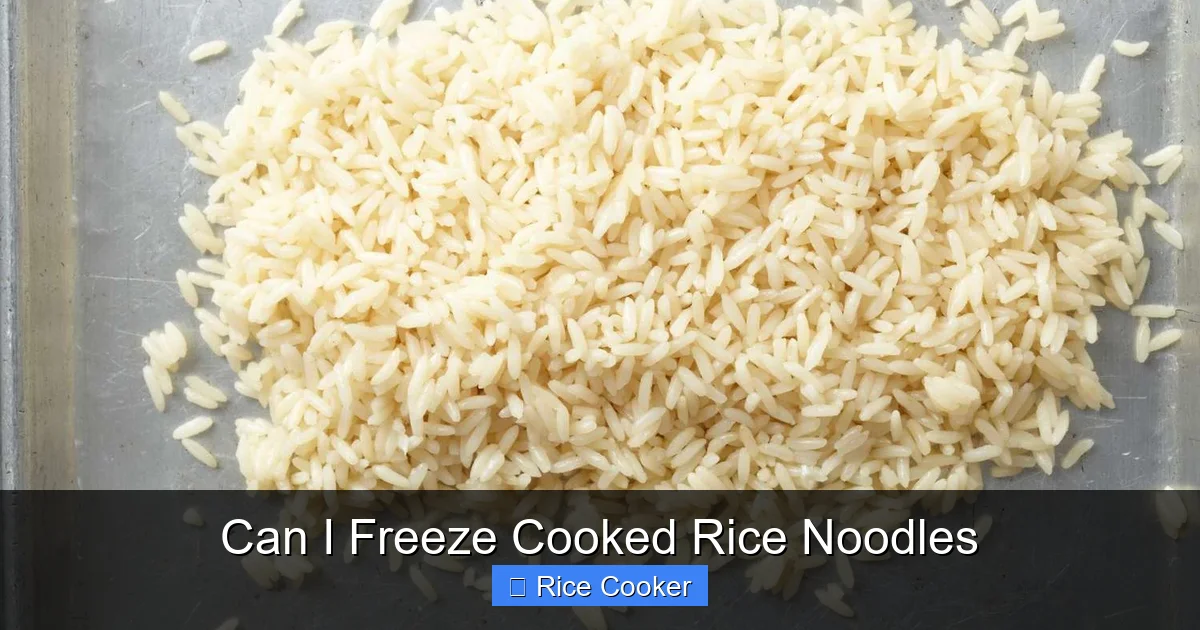
Visual guide about Can I Freeze Cooked Rice Noodles
Image source: allrecipes.com
If you’re thinking about freezing your cooked rice noodles, you’re probably wondering: How long will they last? And when should I stop using them?
The good news is that cooked rice noodles can be safely stored in the freezer for up to 3 to 4 months. This timeframe ensures maximum quality—meaning texture, flavor, and safety are preserved.
However, it’s important to note that while they’re safe to eat past that point, the quality may begin to decline. After 4 months, you might notice slight changes in taste or texture, though they won’t necessarily be harmful. For best results, try to use them within that 3–4 month window.
Here’s a quick reference table:
| Storage Method | Max Duration | Notes |
|—————-|————–|——-|
| Refrigerator | 3–5 days | Best for short-term storage |
| Freezer | 3–4 months | Ideal for long-term meal prep |
Always label your containers with the date so you know exactly when you froze them. A simple label like “Rice Noodles – Oct 10” goes a long way in preventing confusion later.
One thing to keep in mind: freezing slows down chemical reactions and microbial growth, but it doesn’t stop them entirely. That’s why proper packaging is essential. Moisture and air exposure are the biggest enemies of frozen noodles—they lead to freezer burn, off-flavors, and clumping.
So while 3–4 months sounds generous, treat it as a guideline, not a guarantee. When in doubt, trust your senses. If the noodles smell off, feel slimy, or look discolored after thawing, it’s better to toss them.
—
Best Ways to Freeze Cooked Rice Noodles
Now that we’ve covered why and how long, let’s get practical. How do you actually freeze cooked rice noodles so they stay usable and tasty?
There are several methods, but the key is minimizing air exposure and preventing clumping. Here are the most effective approaches:
Method 1: Flash Freeze Before Bagging
This is one of the best techniques for preventing clumps. After cooking your rice noodles, drain them thoroughly and spread them out in a single layer on a baking sheet lined with parchment paper. Place the sheet in the freezer for 1–2 hours, or until the noodles are firm.
Once frozen solid, transfer them to a freezer-safe bag or container. This step ensures each noodle stays separate, making it easy to grab just what you need later.
Method 2: Portion and Seal
Portion your cooked noodles into meal-sized amounts—say, 1 cup per serving. Place each portion in a resealable freezer bag or airtight container. Squeeze out as much air as possible before sealing. Label each bag with the date and contents.
This method is ideal for people who plan to use the noodles in specific recipes, like a curry or soup. You can thaw only what you need without opening the whole batch.
Method 3: Freeze in Sauce or Broth
Want to skip the thawing step altogether? Try freezing your noodles directly in the sauce or broth they were cooked in. Just pour the entire dish into a freezer-safe container, cover, and freeze.
When you’re ready to eat, simply thaw in the fridge overnight or heat directly in a pot. This works especially well for soups, broths, and one-pot dishes. The noodles absorb the liquid slowly, so they stay tender.
What NOT to Do
Avoid freezing noodles that are still soaking in water or sitting in a pan. Excess moisture leads to ice crystals and mushy noodles after thawing. Always drain them completely before freezing.
Also, don’t pack them too tightly. Leave a little space in the container or bag—expansion during freezing can crack plastic or tear bags.
—
How to Thaw and Reheat Frozen Rice Noodles
Freezing is only half the battle. The real test comes when you want to eat them. How do you thaw and reheat frozen rice noodles without turning them into a sad, sticky mess?
Here are the best methods, ranked by speed and effectiveness:
Option 1: Quick Reheat in Hot Water (Fastest)
This is perfect for stir-fries or when you’re short on time. Fill a bowl with boiling water, add the frozen noodle portion, and soak for 3–5 minutes, stirring occasionally. Drain, then toss with your favorite sauce or oil and stir-fry.
This method mimics traditional cooking, helping the noodles rehydrate and regain their texture.
Option 2: Steam or Microwave
For a softer texture, steam the frozen noodles in a steamer basket over boiling water for 8–10 minutes. Alternatively, microwave in short bursts (30 seconds at a time), stirring between intervals, until heated through.
Be careful with microwaving—overdoing it can make noodles rubbery.
Option 3: Add Directly to Hot Dishes
Frozen noodles work beautifully when added straight to boiling soups, stews, or curries. They’ll thaw and cook simultaneously, absorbing flavors beautifully. Just give them a quick stir to distribute heat evenly.
Pro Tips for Perfect Reheating
– Add a splash of water or oil: Prevents sticking and adds moisture.
– Don’t overcook: Rice noodles cook fast—just warm them through.
– Stir-fry immediately: For best texture, transfer to a hot pan with oil and toss for 1–2 minutes.
With these tips, your frozen noodles will taste almost as good as freshly cooked ones.
—
Using Frozen Rice Noodles in Recipes
One of the greatest advantages of freezing cooked rice noodles is their versatility. Once thawed, they fit seamlessly into countless dishes. Here are some popular ways to use them:
In Stir-Fries
Frozen rice noodles are ideal for stir-fries. Just thaw them in hot water, drain, and toss into a pan with vegetables, protein, and sauce. Their neutral flavor absorbs seasonings beautifully.
Try a classic Pad Thai or a spicy Garlic Chili Noodles recipe using your pre-frozen noodles. It saves time and ensures consistent results every time.
In Soups and Broths
Add frozen noodles directly to hot miso soup, pho, or ramen. They’ll soften as the soup sits, creating a satisfying bite. For extra texture, add fresh herbs and a soft-boiled egg on top.
In Cold Salads
Thaw noodles in cold water, rinse under tap water, and toss with herbs, lime juice, peanuts, and chili. A refreshing Vietnamese Summer Rolls or Noodle Salad becomes effortless.
In Casseroles and Bakes
Layer frozen noodles in casserole dishes with cheese, meat, and sauce. Bake until bubbly. Think of a creamy Rice Noodle Bake inspired by Chinese casseroles.
In Breakfast Bowls
Who says noodles are just for dinner? Toss thawed noodles with scrambled eggs, veggies, and soy sauce for a quick breakfast stir-fry.
The possibilities are endless—and all start with a well-stocked freezer.
—
Common Mistakes to Avoid
Even with the best intentions, things can go wrong when freezing rice noodles. Let’s go over some common pitfalls and how to avoid them:
Mistake 1: Not Draining Enough Water
Leftover water in the noodle pot leads to sogginess and clumping. Always drain thoroughly and pat dry with a towel if needed.
Mistake 2: Using Non-Freezer-Safe Containers
Plastic bags or containers that aren’t freezer-rated can warp, leak, or leach chemicals. Stick to BPA-free freezer bags or glass containers with tight lids.
Mistake 3: Freezing Without Portioning
Freezing a big batch all together leads to massive clumps. Always portion first—it makes reheating so much easier.
Mistake 4: Ignoring the Date
Without labeling, you might forget how long the noodles have been frozen. Use a permanent marker or freezer tape to write dates clearly.
Mistake 5: Overcrowding the Freezer
Give your noodles room to expand. Don’t stack heavy containers on top of each other—it can damage packaging and affect freezing efficiency.
By avoiding these mistakes, you’ll keep your noodles fresh, usable, and delicious.
—
Can You Freeze Raw Rice Noodles?
A common question is whether raw rice noodles can be frozen. The short answer: technically yes, but it’s not recommended.
Raw rice noodles are already dried and shelf-stable. Freezing them doesn’t improve safety or shelf life significantly. In fact, raw noodles can absorb odors from the freezer and may become brittle or hard when thawed.
If you must freeze raw noodles, store them in an airtight container with a piece of bread or a silica gel pack to absorb moisture. But again, it’s unnecessary unless you’re storing them for an extremely long time.
It’s far smarter to buy fresh noodles, cook them, and freeze the cooked version instead. That way, you control portion size and ensure optimal texture.
—
Freezing Rice Noodles with Rice Cookers
Since this article falls under the “Rice Cooker” category, let’s tie it all together. Many people use rice cookers to cook rice noodles—especially rice stick noodles or rice vermicelli.
After cooking in the rice cooker, simply drain and proceed with freezing as usual. Some even recommend letting the noodles cool slightly before freezing to prevent condensation buildup.
Using a rice cooker makes portion control easy—just cook what you need, and freeze the rest. It’s perfect for families or meal preppers who want consistency across meals.
Plus, rice cookers are compact and energy-efficient, making them ideal for small kitchens. Combine that with freezing leftovers, and you’ve got a powerful duo for hassle-free cooking.
—
Final Thoughts: Should You Freeze Cooked Rice Noodles?
So, back to the original question: Can I freeze cooked rice noodles? The answer remains a confident yes—with caveats, yes. But those caveats are simple, manageable, and worth it for the benefits.
Freezing cooked rice noodles is a smart, practical strategy for reducing waste, saving time, and keeping your pantry stocked with versatile ingredients. Whether you’re making stir-fries, salads, soups, or casseroles, having pre-cooked noodles on hand makes meal prep a breeze.
Just remember: proper packaging, portioning, and labeling are key. Avoid excess moisture, use freezer-safe containers, and always thaw carefully. With these steps, your frozen noodles will deliver restaurant-quality meals—right from your kitchen.
Next time you cook a big batch, don’t hesitate to freeze half. Your future self (and your taste buds) will thank you.
—
Frequently Asked Questions
Can I freeze cooked rice noodles for long-term storage?
Yes, you can safely freeze cooked rice noodles for up to 3–4 months. Properly packaged, they retain quality and are great for meal prep. Just make sure to label and store them in airtight containers or freezer bags.
Will frozen rice noodles become mushy when thawed?
Not if you thaw them correctly. Quick reheating in hot water or adding them directly to a hot dish prevents mushiness. Avoid microwaving for too long, as it can make them tough or rubbery.
Do I need to blanch rice noodles before freezing?
No, blanching isn’t necessary. Simply cook the noodles, drain well, portion, and freeze. Blanching is more common with green beans or leafy greens—not rice noodles.
Can I freeze rice noodles in sauce?
Absolutely! Freezing noodles with sauce or broth is a great option, especially for soups and curries. Just use a freezer-safe container and leave space for expansion.
How do I prevent rice noodles from sticking together in the freezer?
Spread them out on a baking sheet and flash freeze before transferring to a bag. This keeps them separated. Also, avoid overpacking and consider adding a small piece of parchment paper between layers.
Are frozen rice noodles safe to eat cold?
Yes, but they’re best warmed. While you can eat them cold after thawing, warming enhances flavor and texture. Cold noodles work well in salads, though—just rinse and chill them first.