
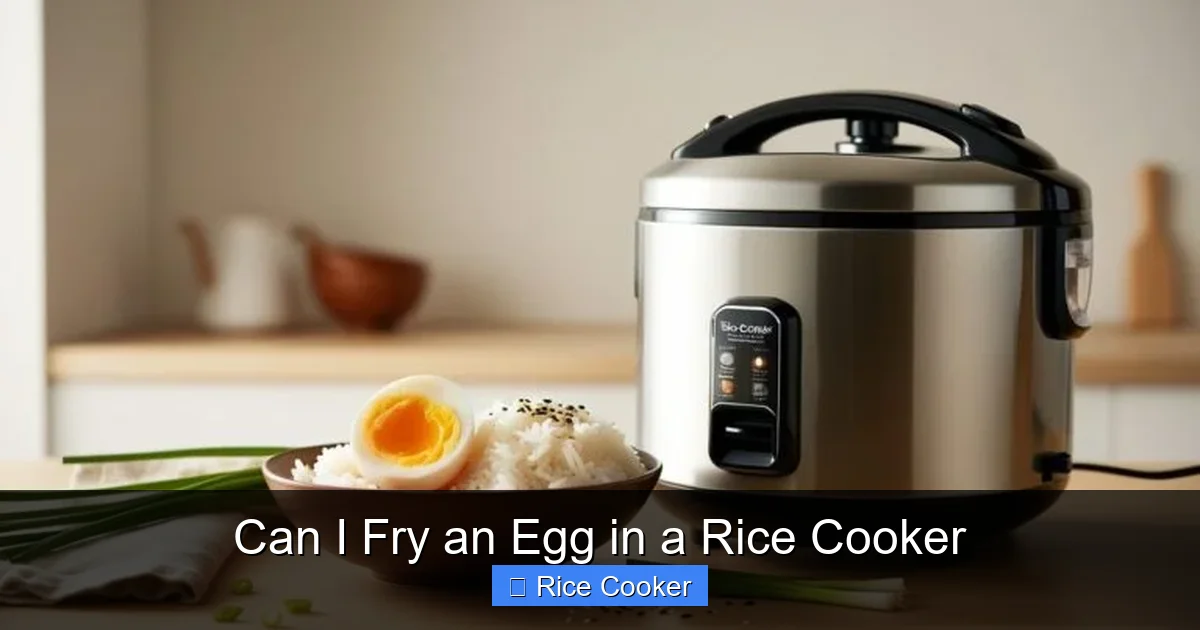
Yes, you can absolutely fry an egg in a rice cooker! It’s a clever, energy-efficient way to make breakfast with minimal cleanup. With the right technique and timing, you’ll get fluffy scrambled or perfectly browned fried eggs using just a little oil and heat.
Can I Fry an Egg in a Rice Cooker?
Ever been staring at your rice cooker after a perfectly cooked bowl of jasmine rice, wondering what else this humble kitchen gadget can do? You’re not alone. Over the years, people have turned rice cookers into mini ovens, slow cookers, and even wok-like surfaces. One of the most surprising hacks? Frying an egg. Yes, you read that right—you can actually cook a delicious fried egg in a rice cooker. No stove? No problem.
At first glance, frying an egg seems like a task reserved for pans and skillets. But with a little ingenuity and the right settings, your rice cooker can become your new go-to breakfast station. Whether you’re camping, living off-grid, or just want to save on gas, learning how to fry an egg in a rice cooker opens up a world of culinary possibilities. Plus, it’s surprisingly easy once you know the trick.
In this complete guide, we’ll walk you through everything you need to know about frying eggs in a rice cooker. From understanding how heat works in these appliances to mastering timing and technique, you’ll be whipping up golden-brown beauties in no time. We’ll also share pro tips, troubleshoot common mistakes, and even suggest fun variations like adding cheese or herbs. So grab your rice cooker, crack an egg, and let’s dive in!
How Does a Rice Cooker Work for Frying?
Before you start cracking eggs, it’s important to understand how a rice cooker handles heat. Unlike stovetop pans that rely on direct flame or electric burners, rice cookers use internal heating elements—usually located at the bottom—to generate warmth. Once the rice (or water) is added and the cooker is turned on, it heats up rapidly and then automatically switches to “keep warm” mode to maintain temperature.
This dual-phase operation makes rice cookers excellent for gentle, consistent heating. For frying eggs, this means you don’t need high, intense heat—just steady, moderate warmth. The key is to avoid triggering the automatic shut-off by keeping the lid open slightly or using a lower setting if available. Many modern rice cookers have adjustable temperature controls or multiple cooking modes, which can help you fine-tune the process.
The non-stick coating inside most rice cookers is another game-changer. It mimics the performance of a well-seasoned skillet, preventing eggs from sticking and making cleanup a breeze. Just remember: never use metal utensils on the interior, as they can scratch the coating and reduce its effectiveness over time.
Choosing the Right Rice Cooker for Egg Frying
Not all rice cookers are created equal when it comes to cooking eggs. While any basic model can handle the job, certain features make the process smoother:
– Non-stick inner pot: Essential for easy egg release and cleanup.
– Adjustable temperature settings: Allows you to control heat intensity.
– Larger capacity: Lets you cook multiple eggs at once.
– Stay-warm function with manual override: Gives you flexibility in timing.
If you’re serious about using your rice cooker for more than just rice, consider investing in a high-quality model with these features. But even entry-level units work fine—just expect to monitor the cooking process more closely.
What You’ll Need to Fry an Egg in a Rice Cooker
Frying an egg in a rice cooker doesn’t require fancy equipment. In fact, you probably already have everything you need:
– A clean rice cooker with a non-stick inner pot
– Fresh eggs
– A small amount of oil (vegetable, canola, or olive oil)
– A spatula or silicone scraper
– Optional: salt, pepper, cheese, herbs, or hot sauce
You don’t need a whisk, measuring cup, or special pan—just your trusty rice cooker and a little creativity. The simplicity of the setup is one of the biggest perks of this method.
Step-by-Step Guide: How to Fry an Egg in a Rice Cooker
Ready to give it a try? Follow these simple steps for foolproof fried eggs:
1. Prepare the rice cooker: Wipe the inner pot clean and dry. Add 1 teaspoon of oil and swirl it around to coat the bottom evenly. Make sure the rice cooker is unplugged before adding ingredients.
2. Crack the egg: Crack one or two eggs directly into the oiled pot. Be careful not to break the yolk if you want a runny center.
3. Plug in and set the mode: Plug in the rice cooker and select the “cook” or “boil” setting. Let it heat up for about 2–3 minutes until the oil shimmers slightly.
4. Cook slowly: Reduce heat to low or switch to “keep warm” mode. Cover the lid but leave it slightly ajar to allow steam to escape. Cook for 3–5 minutes, depending on how you like your eggs.
5. Check for doneness: Lift the lid carefully to check the egg. The whites should be fully set, and the yolk should be firm or runny based on preference.
6. Serve immediately: Use a spatula to gently lift the egg out and transfer it to a plate. Season with salt, pepper, or your favorite toppings.
Pro Tip: For two eggs, space them apart so they cook evenly. You can also crack both eggs into a bowl first, then pour them into the pot together.
Common Mistakes to Avoid
Even seasoned chefs make mistakes—especially when trying something new. Here are some frequent errors people encounter when frying eggs in a rice cooker:
– Using too much oil: Too much oil can make the eggs greasy and dilute flavors. Stick to 1 teaspoon for one egg.
– Skipping preheating: Jumping straight in without letting the oil heat up leads to uneven cooking and sticking.
– Overcrowding the pot: Cooking too many eggs at once lowers the temperature and results in soggy whites.
– Leaving the lid closed: Trapped steam softens the egg instead of browning it. Keep the lid slightly open for crispier edges.
– Using cold eggs: Cold eggs may splatter when added to hot oil. Let them sit at room temperature for a few minutes beforehand.
By avoiding these pitfalls, you’ll dramatically improve your success rate and enjoy restaurant-quality eggs at home.
Variations and Creative Twists
Once you’ve mastered the basics, why stop there? Your rice cooker can handle a variety of egg dishes beyond plain fried eggs. Try these fun ideas:
– Cheese omelet: Whisk 2 eggs with a pinch of salt and pepper. Pour into the heated pot, sprinkle shredded cheese on top, and cover for 4–5 minutes.
– Herb-fried egg: Add fresh chives, parsley, or dill to the egg mixture before cooking.
– Spicy kick: Mix in hot sauce or chopped jalapeños for a zesty twist.
– Bacon and egg combo: Cook crumbled bacon first, then add eggs on top. The rendered fat adds flavor and keeps everything crispy.
– Mushroom scramble: Sauté sliced mushrooms in the oil before adding eggs for a hearty breakfast.
These variations turn a simple hack into a versatile cooking tool. Experiment with different ingredients and find your favorite combinations.
Benefits of Using a Rice Cooker for Eggs
Why bother frying eggs in a rice cooker when you could just use a pan? There are several compelling reasons:
– Saves energy: Rice cookers use less electricity than stovetops, especially induction or gas models.
– Less cleanup: One pot means fewer dishes. Most inner liners are dishwasher-safe.
– Consistent results: The controlled heat ensures even cooking every time.
– Hands-free convenience: Set it and forget it—ideal for busy mornings.
– Portable option: Perfect for dorm rooms, RVs, or outdoor adventures where traditional cooking isn’t feasible.
Whether you’re cooking solo or feeding a family, the rice cooker offers a practical, efficient solution.
Troubleshooting Tips
Stuck on how to fix a problem? Here’s what to do if things go wrong:
– Eggs stick to the bottom: Make sure the oil is hot enough and the pot is properly coated. Avoid moving the egg too early.
– Eggs are too dry: Reduce cooking time or switch to “keep warm” mode sooner.
– Rice cooker turns off mid-cook: Some models detect liquid and shut down. Keep the lid ajar or add a splash of water if needed.
– Uneven browning: Rotate the pot gently halfway through cooking to distribute heat evenly.
With practice, you’ll develop a feel for your specific rice cooker’s behavior and adjust accordingly.
Safety Considerations
While frying eggs in a rice cooker is generally safe, keep these precautions in mind:
– Never leave the rice cooker unattended while cooking eggs.
– Use oven mitts when handling the hot inner pot.
– Ensure the area around the appliance is clear of flammable materials.
– Clean the rice cooker thoroughly after each use to prevent buildup.
Following basic safety rules protects both you and your kitchen.
Cleaning and Maintenance
After enjoying your egg creation, cleaning up is simple:
– Let the inner pot cool completely before washing.
– Hand wash with mild soap and a soft sponge.
– Avoid abrasive scrubbers that can damage the non-stick surface.
– Dry thoroughly before storing.
Regular maintenance extends the life of your rice cooker and keeps it ready for future meals.
Final Thoughts
Frying an egg in a rice cooker might sound unconventional, but it’s a brilliant example of how everyday tools can double as versatile kitchen heroes. With just a little oil, patience, and the right technique, you can create delicious, protein-packed breakfasts without ever touching a stove.
Whether you’re testing a new cooking method, saving energy, or simply running out of counter space, this hack proves that innovation happens in the smallest corners of our kitchens. So next time you’re craving a sunny-side-up egg, don’t panic—grab your rice cooker and get cracking!
Key Takeaways
- Yes, it’s possible: A rice cooker can function as a makeshift frying pan for eggs, especially when set to the “keep warm” or “cook” mode.
- Low and slow works best: Using low heat prevents the egg from burning while allowing it to cook evenly without sticking.
- Non-stick surface is key: The non-stick coating inside most rice cookers helps eggs release easily and reduces the need for extra oil.
- Oil choice matters: Use a high-smoke-point oil like vegetable or canola oil to avoid burning during heating.
- Timing is everything: Cooking usually takes 3–6 minutes depending on desired doneness—watch closely to avoid overcooking.
- Cleanup is simple: Most rice cooker parts are dishwasher-safe, making post-cooking cleanup a breeze.
- Great for batch cooking: You can cook multiple eggs at once, ideal for meal prepping or feeding a crowd.
Frequently Asked Questions
Can I really fry an egg in a rice cooker?
Yes, absolutely! With the right technique and timing, you can fry eggs in a rice cooker using its built-in heating element and non-stick surface. It’s a great alternative when you don’t have access to a stove.
Do I need special oil to fry eggs in a rice cooker?
No special oil is required—just use a standard cooking oil like vegetable, canola, or olive oil. Choose one with a high smoke point to prevent burning during the initial heating phase.
How long does it take to fry an egg in a rice cooker?
It typically takes 3–6 minutes, depending on how you like your eggs. Whites should be fully set, while the yolk can be runny or firm based on personal preference.
Can I cook multiple eggs at once in a rice cooker?
Yes, you can cook multiple eggs as long as they fit comfortably in the inner pot without overcrowding. Space them out to ensure even cooking.
Will the egg stick to the rice cooker pot?
If you use enough oil and preheat properly, the non-stick surface prevents sticking. Avoid metal utensils and don’t move the egg too soon.
Is it safe to leave the rice cooker unattended while frying eggs?
It’s best not to leave it unattended, especially during the initial heating stage. Always supervise the process to avoid accidents or overcooking.