
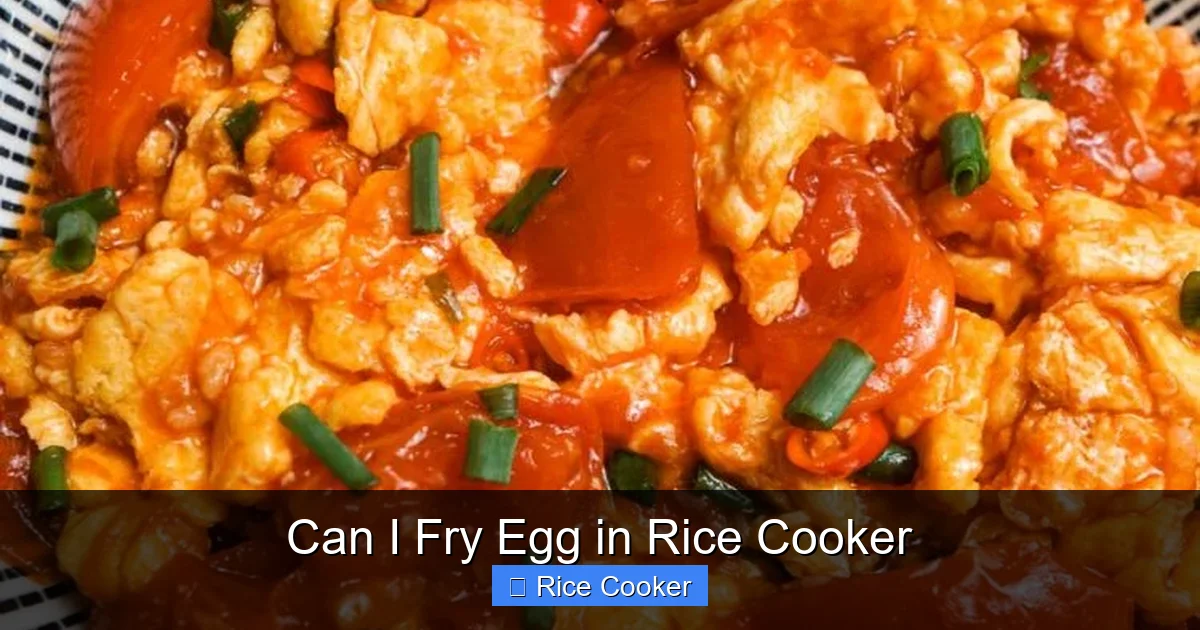
Can I fry egg in rice cooker? Absolutely! With the right technique, your rice cooker becomes a versatile kitchen tool for cooking eggs without a stove. Whether you’re making scrambled eggs, sunny-side up, or even an omelet, you don’t need a frying pan. The non-stick inner pot and controlled heat make it surprisingly effective for egg dishes. Plus, it’s hands-off and energy-efficient. Let’s explore how to do it safely and deliciously!
Key Takeaways
- Rice cookers can cook eggs: Yes, they are capable of frying eggs using steam, direct heat, or oil-free methods.
- No special equipment needed: You only need your standard rice cooker and basic kitchen tools.
- Multiple egg styles possible: Scrambled, sunny-side up, soft-boiled, and even omelettes can be made in a rice cooker.
- Non-stick surface helps: The ceramic or Teflon-coated inner pot prevents sticking when used correctly.
- Saves time and energy: Cook eggs while your rice is ready—multitask like a pro.
- Safe and mess-free: Minimal cleanup and no open flames make it ideal for apartments or dorm rooms.
- Great for meal prep: Batch-cook eggs for breakfast burritos, salads, or snacks.
📑 Table of Contents
- Can I Fry Egg in Rice Cooker? The Ultimate Guide
- Why Use a Rice Cooker to Fry Eggs?
- Types of Eggs You Can Make in a Rice Cooker
- Step-by-Step: How to Fry Eggs in a Rice Cooker
- Tips for Perfect Eggs Every Time
- Common Mistakes to Avoid
- Creative Recipes to Try
- Safety First: What to Watch Out For
- Can Any Rice Cooker Handle Eggs?
- How Long Does It Take to Fry Eggs in a Rice Cooker?
- Can I Cook Multiple Eggs at Once?
- Do I Need Special Accessories?
- Final Thoughts: Is It Worth It?
Can I Fry Egg in Rice Cooker? The Ultimate Guide
You’ve probably heard that a rice cooker is only for rice—boiling grains, maybe some steamed veggies. But here’s a fun kitchen secret: yes, you absolutely can fry eggs in a rice cooker. In fact, many home cooks have discovered this clever trick as a way to save time, reduce cleanup, and enjoy perfectly cooked eggs without ever touching a stovetop.
Whether you’re in a rush before work, prepping breakfast for the whole family, or just want to try something new, your trusty rice cooker might be more versatile than you think. From fluffy scrambled eggs to golden sunny-side-up beauties, the rice cooker can handle it all—especially if you know the right techniques. And the best part? No greasy pans to scrub afterward.
In this complete guide, we’ll walk you through everything you need to know about frying eggs in a rice cooker. We’ll cover the science behind it, step-by-step methods for different types of eggs, safety tips, and even recipe ideas. So grab your rice cooker, crack an egg, and let’s get cooking!
Why Use a Rice Cooker to Fry Eggs?
Before we dive into recipes, let’s talk about why anyone would choose a rice cooker over a frying pan. After all, frying usually means oil, sizzling, and a hot burner—right?
Visual guide about Can I Fry Egg in Rice Cooker
Image source: thumbs.dreamstime.com
The Convenience Factor
Rice cookers are designed for set it and forget it cooking. Once you add ingredients and press “cook,” you can walk away. That’s perfect for busy mornings when you want breakfast ready in under 10 minutes. No standing over a hot stove, watching the egg to make sure it doesn’t burn.
Plus, rice cookers use less electricity than stovetops. And since they often come with non-stick pots, cleaning up is a breeze. Just rinse and wipe—no soaking, scrubbing, or degreasing required.
Even Heat Distribution
Rice cookers are engineered to distribute heat evenly across the bottom of the pot. This means your eggs won’t get hot spots or rubbery edges. Instead, they cook gently and consistently—just like a professional kitchen setup.
Perfect for Small Spaces
If you live in a tiny apartment, dorm room, or RV, a rice cooker is a compact, multi-use appliance. It doesn’t take up much counter space, and you can use it for everything from porridge to one-pot meals. Adding eggs to the menu makes it even more useful.
Energy Efficiency
Compared to running a gas or electric stove, rice cookers use significantly less energy. They heat up quickly and retain heat well, so you don’t need to keep the element on high. This makes them eco-friendly and wallet-friendly.
Types of Eggs You Can Make in a Rice Cooker
Not all eggs are created equal—and neither are their rice cooker recipes. Depending on your preference, you can make several popular styles right in your machine.
Scrambled Eggs
Fluffy, creamy, and easy. Scrambled eggs are a classic breakfast favorite, and they cook beautifully in a rice cooker. Since there’s no direct flame or aggressive stirring needed, the result is tender and evenly cooked every time.
Sunny-Side Up
Love a runny yolk with a firm white? Sunny-side up eggs are simple and satisfying. In a rice cooker, they cook slowly and gently, giving you a perfect custard-like texture without flipping or flipping.
Soft-Boiled Eggs
Want a soft-boiled egg with a gooey center? Just add water, crack the egg in, and let the rice cooker do its thing. The gentle simmer creates a tender white and a silky yolk. You might also be interested in learning how to make hard-boiled eggs in a rice cooker.
Omelets
Believe it or not, you can make mini omelettes in a rice cooker. Whisk eggs with cheese, spinach, or diced ham, pour into the pot, and let it cook undisturbed. The result? A soft, cheesy omelet with no flipping required.
Steamed Egg Custard
For a richer option, try steamed egg custard. Beat eggs with milk, season, and steam until set. It’s silky, smooth, and perfect for brunch.
Step-by-Step: How to Fry Eggs in a Rice Cooker
Now for the main event: actually cooking eggs in your rice cooker. Here’s how to do it safely and effectively.
Method 1: Oil-Free Scrambled Eggs (Best for Non-Stick Pots)
This method works best if your rice cooker has a non-stick inner pot. It requires no oil, which keeps things healthy and clean.
- Preheat the rice cooker: Turn it on and let it warm up for 1–2 minutes. This helps prevent sticking.
- Add beaten eggs: Crack 1–2 eggs into a bowl, whisk with a fork, and pour into the inner pot.
- Cover and cook: Close the lid and set the timer. For scrambled eggs, cook for 5–7 minutes on the “Keep Warm” or “Cook” setting. Stir halfway through if possible.
- Check and adjust: If the eggs look too dry, add a splash of water or milk. Cover again and cook 1–2 more minutes.
Method 2: Oil-Fried Eggs (Use with Care)
Adding a little oil can help brown the eggs and create a more traditional fried texture. But be cautious—oil can splatter or smoke if overheated.
- Heat oil: Pour 1 teaspoon of oil (vegetable, olive, or coconut) into the inner pot. Turn the rice cooker on “Warm” for 1 minute to heat the oil.
- Add eggs: Crack the egg(s) directly into the oil. For sunny-side up, let them cook undisturbed.
- Cook covered: Close the lid and switch to “Cook” mode. Cook for 4–6 minutes depending on desired doneness.
- Flip gently: For over-easy or scrambled style, use a spatula to flip or stir carefully.
Method 3: Steamed Eggs (Custard Style)
This method uses steam to create a soft, silky texture—great for delicate eaters or kids.
- Prepare the mixture: Whisk 2 eggs with 2 tablespoons of milk or water. Season with salt and pepper.
- Pour into pot: Add the mixture to the inner pot. Do not add rice.
- Steam: Add 1/4 cup of water to the outer chamber (if applicable), or simply place a trivet inside with water below. Steam for 10–12 minutes.
- Let rest: Turn off the heat and let sit for 2 minutes before serving.
Tips for Perfect Eggs Every Time
Getting great results takes practice—but these tips will help you nail it from the start.
Use a Non-Stick Pot
If your rice cooker has a ceramic or Teflon coating, you’re already halfway there. Avoid metal utensils that can scratch the surface. Use silicone or wooden spoons instead.
Don’t Overcrowd the Pot
Too many eggs at once can lower the temperature and lead to uneven cooking. Stick to 2–3 eggs max per batch.
Preheat Before Adding Eggs
Giving the pot a few minutes to warm up prevents cold spots and reduces sticking. Especially important for oil-based methods.
Use the Right Amount of Liquid
For scrambled or steamed eggs, adding a splash of milk, water, or broth helps create a fluffier texture. Too little liquid = tough eggs.
Monitor Cooking Time
Rice cookers vary by brand. Start checking after 4 minutes and adjust based on your model. Keep notes for next time!
Clean Immediately
Egg proteins stick easily. Rinse the pot while it’s still warm to remove residue. Avoid letting eggs cool and harden in the pot.
Common Mistakes to Avoid
Even seasoned rice cooker users can slip up. Here’s what not to do.
Using Too Much Oil
Oil can burn at high heat. Stick to 1 teaspoon and avoid smoking. If it starts to smell, turn off the cooker immediately.
Ignoring the Lid
Leaving the lid open allows steam to escape, cooling the pot and ruining your eggs. Always keep it sealed during cooking.
Skipping Preheating
Cold pots cause eggs to stick. Give it 1–2 minutes on “Warm” before adding ingredients.
Using Metal Utensils
Metal can scratch non-stick coatings. Opt for silicone, wood, or plastic tools instead.
Adding Too Many Ingredients
While you can mix in cheese, herbs, or veggies, too much can overwhelm the eggs or clog the cooker. Keep it simple at first.
Creative Recipes to Try
Once you master the basics, the possibilities expand. Here are a few fun ideas to inspire you.
Cheese & Herb Scramble
Whisk 2 eggs with 2 tbsp milk, 1 tbsp grated cheddar, and chopped chives. Cook in a preheated rice cooker for 6 minutes. Serve with toast.
Spinach & Feta Omelette
Whisk 3 eggs with sautéed spinach, crumbled feta, and salt. Pour into the pot and cook covered for 8 minutes. Fold gently before serving.
Sweet Yogurt Pancakes (with a twist)
Mix 1 egg, 1/2 cup yogurt, 1/4 cup flour, and a pinch of baking powder. Cook in the rice cooker for 10 minutes on “Cook.” Flip and cook another 5 minutes.
Overnight Steel-Cut Oats with Poached Egg
Cook steel-cut oats overnight in the rice cooker. In the morning, crack an egg into the pot, close the lid, and steam for 8 minutes for a poached effect.
Safety First: What to Watch Out For
While rice cookers are generally safe, eggs can pose risks if mishandled.
Avoid Cross-Contamination
Never use the same pot for raw meat and eggs unless thoroughly cleaned. Raw eggs can carry salmonella.
Don’t Leave Unattended
Although rice cookers are automated, it’s still good practice to check occasionally—especially when experimenting with new recipes. For more info, see our guide on leaving a rice cooker unattended.
Check for Cracks
Inspect the inner pot for chips or cracks. Damaged surfaces can harbor bacteria or release harmful chemicals.
Use Proper Lids
Only use the original lid. Third-party lids may not seal properly, leading to steam leaks or pressure buildup.
Unplug When Not in Use
After cooking, unplug the rice cooker to prevent accidental activation or overheating.
Can Any Rice Cooker Handle Eggs?
Most modern rice cookers can cook eggs, but there are exceptions. Older models with thin aluminum pots or no non-stick coating may not perform well. Look for these features:
- Non-stick inner pot
- Adjustable timers or multiple settings (e.g., “Keep Warm,” “Steam”)
- Transparent or removable lid (for easier monitoring)
If your rice cooker lacks these, consider upgrading—or use a dedicated steamer basket accessory.
How Long Does It Take to Fry Eggs in a Rice Cooker?
It depends on the method:
- Scrambled: 5–7 minutes
- Sunny-side up: 4–6 minutes
- Steamed custard: 10–12 minutes
- Oil-fried: 5–8 minutes
Always start with shorter times and check frequently. You can always cook longer, but you can’t uncook.
Can I Cook Multiple Eggs at Once?
Yes, but not too many. Aim for 2–3 eggs max in a standard 6-cup rice cooker. More than that will lower the temperature and lead to uneven cooking. For larger batches, divide into two rounds.
Do I Need Special Accessories?
Not really. A silicone spatula, measuring cup, and whisk are all you need. Some people use small ramekins or muffin tins lined with parchment paper for shaped omelettes—but it’s optional.
Final Thoughts: Is It Worth It?
Absolutely. Learning to fry eggs in a rice cooker isn’t just a quirky hack—it’s a practical skill that saves time, reduces cleanup, and opens doors to creative breakfast ideas. Whether you’re a college student, a busy parent, or someone who loves kitchen experiments, this technique fits seamlessly into your routine.
And the best part? Once you get the hang of it, you’ll find yourself reaching for your rice cooker more often—not just for rice, but for eggs, soups, stews, and even desserts. It’s a true multitasking marvel.
So go ahead—crack that egg. Your rice cooker is ready.
Frequently Asked Questions
Can I fry eggs in any rice cooker?
Most modern rice cookers with non-stick pots can fry eggs, but older models with thin, non-coated interiors may not work well. Check your manual or test with a small batch first.
Do I need oil to fry eggs in a rice cooker?
Not necessarily. Oil-free methods work great with non-stick pots. However, adding a little oil can help brown the eggs and give them a more traditional fried texture.
How long does it take to cook eggs in a rice cooker?
It varies by method: scrambled eggs take 5–7 minutes, sunny-side up 4–6 minutes, and steamed custard 10–12 minutes. Always start checking early and adjust as needed.
Can I make an omelet in a rice cooker?
Yes! Whisk eggs with fillings like cheese, spinach, or ham, pour into the pot, and cook covered for 6–8 minutes. No flipping required.
Will eggs stick to my rice cooker pot?
They can if the pot isn’t non-stick or isn’t preheated. To prevent sticking, warm the pot first, use a non-stick model, and avoid metal utensils.
Is it safe to leave eggs in the rice cooker overnight?
No. Leaving eggs unattended for extended periods increases the risk of bacterial growth. Always cook fresh and consume promptly.