

Can I give chickens cooked rice? Absolutely — cooked rice is safe and nutritious for chickens when fed properly. It provides energy, supports digestion, and can even help during hot weather when chickens need extra hydration. Just remember: always cook it plain, without salt or seasoning, and feed only in moderation as part of a balanced diet.
Have you ever wondered whether that leftover bowl of rice from dinner can go straight into your chicken coop? You’re not alone. Many backyard poultry owners toss out cooked grains, thinking they’re a harmless snack. But before you start feeding your flock every last bit of your meals, let’s dive into the truth about giving chickens cooked rice — what’s safe, what’s not, and how to do it right.
Chickens are omnivores, meaning they eat both plants and small animals. In the wild, they scratch through soil looking for seeds, insects, and grains. That’s why rice — especially when cooked — fits so naturally into their diet. But just because your chickens might enjoy it doesn’t mean it’s always the best choice. Like any human food, rice can be beneficial… or risky — depending on how you prepare and serve it.
In this article, we’ll explore everything you need to know about feeding cooked rice to chickens. From nutritional benefits to safety concerns, we’ll cover practical tips, answer common questions, and help you make informed decisions for your flock. Whether you’re new to raising chickens or a seasoned homesteader, you’ll find valuable insights to keep your birds happy, healthy, and well-fed.
Key Takeaways
- Cooked rice is safe and nutritious: Chickens can eat cooked rice without digestive issues, especially if it’s plain and cooled.
- Plain is best: Never feed rice with salt, butter, oil, or spices — these can harm chickens and cause health problems.
- Moderation is key: While rice is okay, it should not replace their main feed; it’s better as an occasional treat or supplement.
- Cooking method matters: Boiled or steamed white or brown rice works well — avoid instant or pre-seasoned varieties.
- Use as a hydrating aid: Cooked rice holds water, helping chickens stay cool and hydrated during summer months.
- Supports gut health: The starch in rice can aid digestion, especially after chickens have eaten something heavy or rich.
- Store properly: Leftover cooked rice must be refrigerated within two hours to prevent bacterial growth like Bacillus cereus.
📑 Table of Contents
- Is Cooked Rice Safe for Chickens?
- Nutritional Benefits of Cooked Rice for Chickens
- How to Feed Cooked Rice to Chickens Safely
- Can Chickens Eat Brown Rice Instead of White?
- Common Mistakes to Avoid When Feeding Rice to Chickens
- Using Rice to Help Chickens During Hot Weather
- Alternatives to Cooked Rice for Chickens
- Final Thoughts: Is Cooked Rice Worth It?
Is Cooked Rice Safe for Chickens?
Let’s start with the most important question: Can chickens eat cooked rice? The short answer is yes — cooked rice is perfectly safe for chickens when prepared correctly. Unlike raw rice, which can expand in a chicken’s stomach (a rare but dangerous risk), cooked rice is soft, easy to digest, and poses no choking hazard.
When rice is cooked, its starches break down, making it much easier for chickens to process. This is why rice has been a staple in poultry diets across many cultures for centuries. In fact, farmers in parts of Asia and Africa have long fed rice to chickens, especially during harvest seasons or when other feed was scarce.
However, safety depends entirely on preparation. Raw or uncooked rice is not recommended — it can absorb water in the chicken’s crop and swell, potentially causing blockages. Always ensure the rice is fully cooked before offering it to your flock.
The Risks of Feeding Raw or Undercooked Rice
While cooked rice is safe, raw rice is a different story. When raw rice comes into contact with liquid in a chicken’s crop (the pouch where food is stored before digestion), it can absorb water and expand up to five times its original size. This swelling can lead to a condition called “rice belly,” where the crop becomes bloated and painful.
Symptoms of this include:
– Distended abdomen
– Lethargy
– Loss of appetite
– Difficulty breathing
If you suspect a chicken has eaten raw rice and is showing signs of distress, remove the food immediately and consult a veterinarian. Prevention is always better than treatment.
Nutritional Benefits of Cooked Rice for Chickens
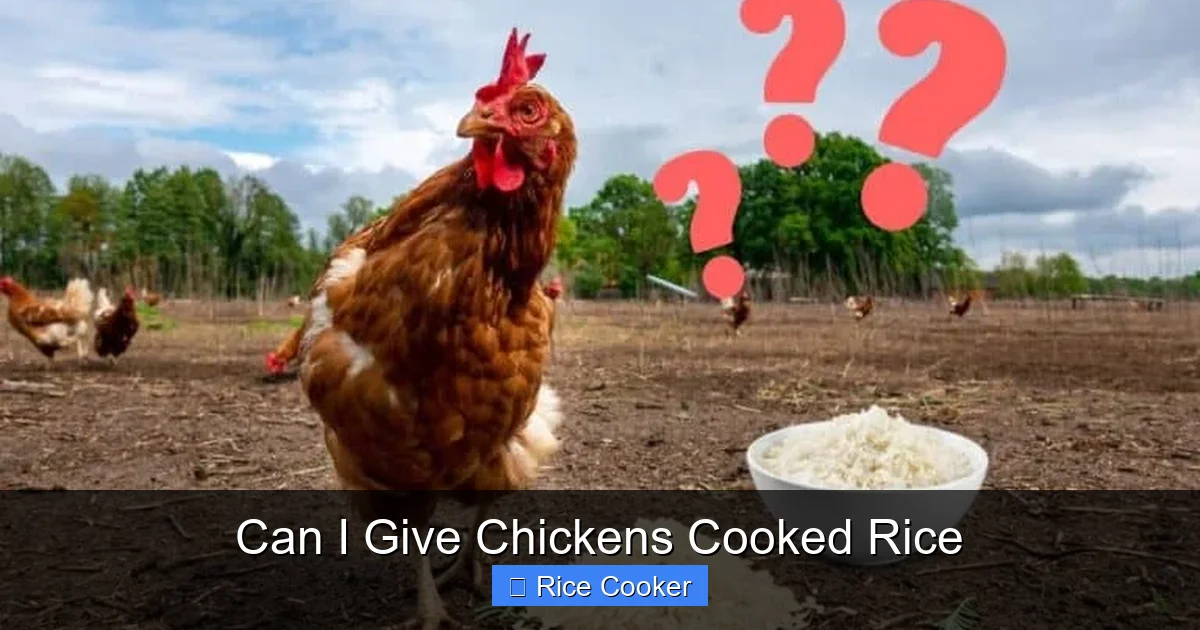
Visual guide about Can I Give Chickens Cooked Rice
Image source: theeverydaymomlife.com
Cooked rice isn’t just safe — it’s also nutritious. While it shouldn’t replace complete chicken feed, it offers several benefits that support your flock’s health.
Energy Source
Rice is rich in carbohydrates, which provide quick energy. This makes it ideal for chickens that are molting, laying eggs, or preparing for cold weather. The starch in rice is broken down into glucose, fueling their metabolism efficiently.
Digestive Aid
The softened texture of cooked rice helps soothe the digestive tract. If your chickens have recently eaten something too rich or heavy, a small amount of rice can help balance their system. It’s especially useful when transitioning chickens to new feed or after illness.
Hydration Support
One of the lesser-known benefits of cooked rice is its ability to retain moisture. After cooking, rice holds onto water, making it a great way to boost hydration, especially in hot climates. Chickens pant to cool down, but adding wet foods like rice to their diet helps them retain fluids and stay cool.
Low-Fat Option
Unlike some human snacks (think fried rice or rice balls), plain cooked rice contains no added fats or oils. This makes it a lean protein source that won’t clog a chicken’s liver or contribute to fatty liver syndrome.
Easy to Digest
Because rice is already cooked, chickens don’t need to spend energy breaking it down further. This reduces strain on their digestive system and allows nutrients to be absorbed faster.
How to Feed Cooked Rice to Chickens Safely
Now that we’ve covered safety and nutrition, let’s talk about the best ways to serve cooked rice to your chickens.
Start with Plain, Unseasoned Rice
Always use plain white or brown rice that’s been boiled or steamed — no sauces, no butter, no salt, and definitely no garlic or onion. These ingredients can be toxic to chickens. For example, onions contain compounds that damage red blood cells, leading to anemia.
If you’re using leftover rice from home, double-check that it wasn’t cooked with oil, butter, or spices. Even a pinch of salt can be harmful over time, as chickens don’t need sodium in large amounts.
Cool Before Serving
Serve rice at room temperature or slightly warm. Hot rice can scald a chicken’s mouth or crop. Let it cool for 10–15 minutes after cooking.
Limited Portions
Aim for no more than 10% of a chicken’s total diet to come from treats like rice. Too much rice can fill them up before they eat their proper feed, which may lack essential nutrients.
For a medium-sized hen, a small handful (about 1–2 tablespoons) per bird per day is plenty. Overfeeding rice can lead to imbalanced nutrition and weight gain.
Mix It With Other Foods
To make rice more interesting and nutritionally complete, mix it with vegetables like chopped carrots, spinach, or pumpkin. You can also combine it with cracked corn, oats, or cooked beans.
For example, try a “chicken grain bowl” made of:
– 1 cup cooked brown rice
– ½ cup chopped kale
– ¼ cup diced zucchini
– A few pieces of apple
This adds variety and fiber while keeping the rice as a base.
Clean Up Spilled Grains
If chickens scatter rice on the ground, it’s okay — they’ll eat it. But make sure it doesn’t mold. Wet, uncovered rice left out overnight can grow mold, which produces mycotoxins harmful to chickens.
Store any unused cooked rice in an airtight container in the refrigerator for up to 4 days. Reheat gently before serving.
Can Chickens Eat Brown Rice Instead of White?
Yes — brown rice is actually a better option than white rice. While both are safe, brown rice retains its bran and germ layers, which contain more fiber, vitamins, and minerals.
Brown Rice Advantages
- Higher fiber: Supports healthy digestion and prevents constipation.
- More nutrients: Contains B vitamins, magnesium, and antioxidants.
- Slower digestion: Provides sustained energy release, unlike white rice’s quick burn.
However, brown rice takes longer to cook and may not soften as much as white rice. Make sure it’s fully tender before feeding.
Feeding Tips for Brown Rice
– Soak brown rice for 30 minutes before cooking to reduce cooking time.
– Cook until very soft — chickens have weaker digestive systems than humans.
– Avoid instant brown rice, which often includes preservatives or flavorings.
Common Mistakes to Avoid When Feeding Rice to Chickens
Even with good intentions, there are a few common pitfalls that can turn a healthy treat into a problem.
Mistake 1: Feeding Salted or Seasoned Rice
Many people toss out rice from restaurant meals or takeout boxes — but these often contain high levels of salt, MSG, or oil. Salt can cause kidney damage in chickens, and oils can lead to fatty liver disease. Always opt for plain, homemade rice.
Mistake 2: Overfeeding
Treats should never exceed 10% of a chicken’s diet. If your chickens are eating rice instead of their layer pellets or starter feed, they’re missing out on calcium, protein, and other critical nutrients.
Mistake 3: Leaving Rice Out Too Long
Cooked rice can harbor bacteria like Bacillus cereus, which causes food poisoning in humans and animals. Always refrigerate leftovers within two hours of cooking. Discard any rice that smells off or feels slimy.
Mistake 4: Using Instant or Microwave Rice
Instant rice packets often contain preservatives, artificial flavors, or excess sodium. Similarly, microwaveable rice cups usually come with butter, salt, or seasonings. Stick to boiling rice from scratch.
Mistake 5: Not Mixing With Other Foods
While rice is fine alone, feeding it exclusively can lead to boredom and nutritional gaps. Chickens need variety — so rotate rice with other grains, veggies, and protein sources.
Using Rice to Help Chickens During Hot Weather
Chickens struggle in heat just like humans. They lose electrolytes through panting, and dehydration can set in quickly. This is where cooked rice shines — its high water content helps keep birds hydrated.
How Rice Aids Hydration
When chickens eat wet foods, they absorb moisture through their digestive system. This internal watering system complements their external sources (waterers, misting). In extreme heat, offering rice can reduce the need for constant refilling of water containers.
Practical Tip: Create a “Cooling Grain Mix”
During summer, try this refreshing mix:
– 1 part cooked brown rice
– 1 part mashed banana
– 1 part grated cucumber
– Sprinkle of apple cider vinegar (optional, for gut health)
Serve in shallow trays or plates. Chickens will peck and drink the moisture-rich mixture, helping them beat the heat.
Alternatives to Cooked Rice for Chickens
While rice is a great option, it’s not the only one. Consider these alternatives for variety:
Oatmeal
Steel-cut or rolled oats are rich in fiber and easy to digest. Cook until soft, then cool. Chickens love the chewy texture.
Quinoa
A complete protein source, quinoa is packed with amino acids. Cook until tender, and offer in small amounts.
Barley
Like rice, barley is high in carbohydrates and fiber. It’s great for winter feeding when chickens need extra warmth.
Cooked Pasta
Plain cooked pasta (no sauce!) can be a fun treat. Cut into small pieces so chickens don’t swallow large chunks whole.
Popcorn
Air-popped popcorn is a crunchy, low-fat snack. Avoid buttered or salted versions.
Remember: all treats should be given in moderation and rotated regularly to avoid boredom or dietary imbalances.
Final Thoughts: Is Cooked Rice Worth It?
So, can you give chickens cooked rice? Yes — absolutely. When prepared and served correctly, rice is a safe, nutritious, and hydrating treat that supports your flock’s overall health. It’s especially helpful during hot weather or when you want to encourage picky eaters to consume more moisture.
But like any treat, rice should play a supporting role in your chickens’ diet. It’s not a substitute for quality feed, and overuse can lead to nutritional deficiencies. Keep portions small, always serve plain and cooled rice, and mix it with other foods for a balanced meal.
By following these guidelines, you’ll not only keep your chickens happy but also strengthen your bond with them. After all, raising chickens is about more than eggs — it’s about building trust, learning together, and sharing simple joys like watching a hen dig into a bowl of warm rice.
Whether you’re tossing out leftovers or cooking fresh grains, you now know how to do it safely. Next time you’re about to throw away that cooked rice, think twice — your chickens might thank you with a cheerful cluck.
Frequently Asked Questions
Can chickens eat raw rice?
No, raw rice is not safe for chickens. It can absorb water in their crops and expand, potentially causing blockages or discomfort. Always serve fully cooked rice.
How much cooked rice should I feed my chickens?
Limit rice to no more than 10% of their total diet. For a single hen, 1–2 tablespoons per day is sufficient. Overfeeding can displace nutrient-rich feed.
Can I feed my chickens leftover fried rice?
No, fried rice typically contains oil, salt, and spices that are harmful to chickens. Stick to plain, unseasoned rice cooked at home.
Is brown rice better than white rice for chickens?
Yes, brown rice is more nutritious due to higher fiber and mineral content. Just ensure it’s fully cooked and soft before serving.
Can rice help chickens stay hydrated in summer?
Yes, cooked rice holds moisture and can help chickens absorb more water internally, aiding hydration during hot weather.
How long can I store cooked rice for chicken treats?
Refrigerate cooked rice within two hours of cooking. Use within 3–4 days. Discard if it develops an off smell or slimy texture.