
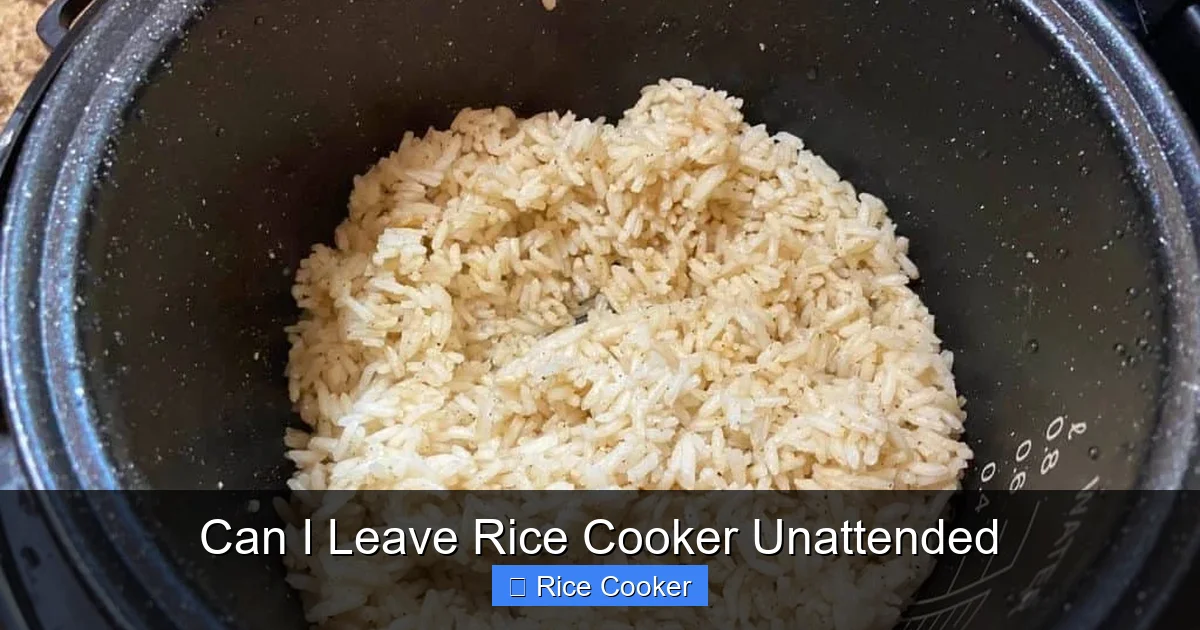
Can I leave rice cooker unattended? Yes, most modern rice cookers are designed with safety features like automatic shut-off, so you can leave them running without worry. However, leaving it unattended for long periods or in poor conditions increases risks like overheating or fire hazards. Always check your model’s manual and use common sense—never leave a rice cooker on if you smell smoke, see sparks, or have any malfunctions.
Key Takeaways
- Safety Features: Most rice cookers come with automatic shut-off mechanisms that turn off the device once the rice is cooked, reducing the need to stay nearby.
- Unattended Use Is Usually Safe: For short durations (under 30 minutes after cooking), leaving your rice cooker unattended is generally fine—especially if it has a keep-warm function.
- Avoid Overnight Use: It’s not recommended to leave a rice cooker plugged in or running overnight unless it has advanced safety certifications like UL or ETL listing.
- Monitor First-Time Use: When using a new model or trying a different rice type, stay close during the initial cycle to ensure everything runs smoothly.
- Keep the Area Clear: Never place flammable items near your rice cooker and ensure proper ventilation around the appliance.
- Clean Regularly: A dirty inner pot or heating plate can cause overheating, so clean your rice cooker regularly to maintain safe operation.
- Check Manufacturer Guidelines: Always refer to your user manual for specific instructions on unattended use and safety precautions.
📑 Table of Contents
- Can I Leave Rice Cooker Unattended? Here’s What You Need to Know
- The Science Behind Rice Cookers: How Do They Work?
- Safety Features in Modern Rice Cookers
- When Is It Safe to Leave Your Rice Cooker Unattended?
- Common Risks of Leaving Rice Cooker Unattended
- Practical Tips for Safe Unattended Use
- What to Do If Your Rice Cooker Starts Smoking
- Smart Rice Cookers: The Future of Kitchen Safety
- Conclusion: Yes, But Stay Smart About It
Can I Leave Rice Cooker Unattended? Here’s What You Need to Know
Have you ever wondered whether it’s safe to leave your rice cooker running while you go about your day? Whether you’re preparing dinner before work, cooking a batch of grains for meal prep, or making rice for a family gathering, convenience plays a big role in how we use kitchen appliances. The rice cooker—once considered a novelty—has become a staple in kitchens worldwide for its simplicity and reliability.
But as handy as they are, concerns about safety, especially regarding unattended use, often arise. After all, we’ve all seen those cautionary tales about kitchen fires caused by forgotten appliances. So, can you really leave your rice cooker on without watching it? The short answer is yes—but with some important caveats. In this article, we’ll explore the science behind rice cookers, their built-in safety features, and practical tips to ensure you can use your rice cooker safely, even when you’re not standing right next to it.
The Science Behind Rice Cookers: How Do They Work?
Understanding the Cooking Cycle
Rice cookers operate on a simple yet brilliant principle: they monitor internal temperature and adjust power accordingly. Most basic models use a thermostat to detect when water has been absorbed by the rice and when it reaches boiling point. Once the water level drops and the pot dries out, the thermostat triggers the switch from “cooking” mode to keep-warm mode—typically between 167°F and 176°F (75°C to 80°C).
Visual guide about Can I Leave Rice Cooker Unattended
Image source: missvickie.com
This entire process usually takes anywhere from 18 to 45 minutes, depending on the type of rice and the amount being cooked. During this time, the cooker draws power continuously, but once the rice is done, it switches to low-power mode to maintain warmth without further boiling or drying.
Why Keep-Warm Mode Matters
The keep-warm function is what makes unattended use possible. Unlike stovetop pots, which require constant monitoring to prevent scorching or burning, rice cookers automatically reduce heat output once cooking is complete. This means that even if you step away, the appliance will continue to hold the rice at a safe, food-grade temperature without risking overheating.
However, it’s important to note that keep-warm mode isn’t meant for extended storage. While it can safely hold rice for several hours, the quality may degrade over time. That said, for short breaks—like checking emails or answering a phone call—it’s perfectly acceptable.
Safety Features in Modern Rice Cookers
Automatic Shut-Off Mechanism
One of the most critical safety features in any rice cooker is the automatic shut-off. This mechanism ensures that once the rice reaches the desired consistency and moisture level, the heating element turns off completely. No more worrying about boiling over or burning rice—your appliance does the work for you.
Most modern rice cookers also include a delay timer, allowing you to set a cooking schedule up to 24 hours in advance. This feature adds another layer of convenience and safety, as you can start cooking before leaving for work and return to perfectly cooked rice.
Thermal Fuses and Circuit Protection
Higher-end models often come equipped with thermal fuses—tiny components that act as circuit breakers. If the internal temperature rises above a certain threshold due to a malfunction (such as a clogged vent or stuck thermostat), the fuse melts and cuts off power to prevent overheating or fire.
These safety devices are especially important in older models or those used in areas with inconsistent power supply. While they add cost, they significantly reduce the risk of electrical issues.
Non-Stick Inner Pots and Heat Distribution
The design of the inner pot also contributes to safety. Non-stick coatings prevent rice from sticking and burning, which reduces the chance of smoke buildup. Additionally, many pots are made from aluminum or stainless steel with thick bases that distribute heat evenly, minimizing hot spots that could damage the unit or affect cooking performance.
When Is It Safe to Leave Your Rice Cooker Unattended?
Short-Term Absences (Under 30 Minutes)
If you’re just stepping out for a quick errand, taking a shower, or attending to a toddler, it’s generally safe to leave your rice cooker on. As long as the cooking cycle has completed and it’s in keep-warm mode, the risk is minimal. Just make sure the lid is securely closed to retain moisture and heat.
For example, if you’re making jasmine rice for dinner while getting ready to leave the house, you can safely set the timer and head out—knowing your meal will be ready upon return.
Using Delay Timer Functions
Many rice cookers now include programmable timers that allow you to start cooking at a specific time. This is particularly useful for busy individuals who want hot meals without spending time in the kitchen during peak hours.
Just ensure that the delay timer is functioning correctly and that the appliance hasn’t been recalled due to known defects. Always test the timer on a small batch first if you’re unsure.
Avoiding Overnight or Extended Use
While rice cookers are built to last, prolonged unattended use—especially overnight—can pose risks. Although the keep-warm function uses minimal energy, continuous operation increases wear on components and raises the chance of failure. Smoke, strange odors, or unusual sounds should never be ignored.
If you must leave the house for an extended period, consider unplugging the rice cooker once the rice is fully cooked. Alternatively, look into smart rice cookers with app connectivity that send notifications when cooking is complete.
Common Risks of Leaving Rice Cooker Unattended
Fire Hazards from Overheating
Although rare, fire hazards can occur if the rice cooker malfunctions. A blocked steam vent, damaged thermostat, or faulty wiring can cause the unit to overheat. In extreme cases, this might lead to melting plastic parts or igniting nearby materials.
To mitigate this risk, always inspect your rice cooker before each use. Look for cracks in the lid, loose cords, or residue blocking the vents. Clean the exterior and interior regularly, and replace any worn-out parts immediately.
Water Spills and Electrical Shorts
Spilling water on the base of the rice cooker can cause electrical shorts, especially if the cord or plug gets wet. Even a small amount of moisture can trigger a dangerous spark or damage internal circuits.
Always place your rice cooker on a dry, stable surface away from sinks or counter edges. Avoid using it near open water sources, and never immerse the base in water for cleaning.
Degradation of Food Quality
Beyond safety, leaving rice in keep-warm mode for too long affects taste and texture. Overcooked or dried-out rice becomes mushy or chewy, losing its appeal. Bacteria can also grow in warm environments, especially if the rice sits for more than 2 hours.
For optimal results, consume rice within 1–2 hours of cooking, or refrigerate it promptly if storing for later.
Practical Tips for Safe Unattended Use
Choose the Right Model
Not all rice cookers are created equal. When shopping, look for models with safety certifications such as UL, ETL, or CSA. These indicate that the product meets strict electrical and fire safety standards. Additionally, opt for units with multiple safety features: thermal fuses, auto shut-off, and sturdy construction.
Popular brands like Zojirushi, Cuckoo, and Panasonic consistently rank high for safety and reliability. Reading customer reviews can also help you identify models prone to overheating or malfunctions.
Maintain Your Appliance Regularly
Regular maintenance extends the life of your rice cooker and enhances safety. Clean the inner pot after each use with warm, soapy water and a soft sponge. Wipe down the exterior with a damp cloth, and never use abrasive cleaners that could damage the non-stick coating.
Also, check the power cord for fraying or exposed wires. Replace it immediately if you notice any damage. A well-maintained rice cooker operates more efficiently and reduces the likelihood of unexpected failures.
Use Common Sense
Even the safest appliance can become dangerous if misused. Never place paper towels, dishcloths, or other flammable items near the rice cooker. Keep children and pets away from the appliance during operation, and avoid stacking heavy objects on top of it.
If you ever smell burning plastic or see smoke, unplug the unit immediately and contact the manufacturer. Don’t attempt to fix it yourself unless you’re trained—better to replace it than risk injury.
What to Do If Your Rice Cooker Starts Smoking
Accidents happen. If your rice cooker begins emitting smoke or a burning odor, follow these steps:
- Unplug Immediately: Turn off the power and disconnect the plug from the outlet. Do not touch the appliance until it cools down.
- Ventilate the Area: Open windows and doors to clear the air. Avoid inhaling fumes, especially if they seem chemical or acrid.
- Inspect for Damage: Once cooled, examine the inner pot, lid, and base for signs of melting, charring, or warping.
- Contact Support: Reach out to the manufacturer for guidance. Many offer warranty repairs or replacements for defective units.
- Dispose Responsibly: If the damage is severe, recycle or dispose of the appliance according to local e-waste regulations.
Prevention is always better than dealing with emergencies. By following basic safety practices, you can enjoy the convenience of your rice cooker without unnecessary stress.
Smart Rice Cookers: The Future of Kitchen Safety
Technology continues to improve kitchen safety, and rice cookers are no exception. Smart rice cookers now connect to Wi-Fi and allow remote monitoring via smartphone apps. You can receive real-time updates on cooking progress, get alerts when the cycle completes, and even control settings from your phone.
Some models also feature voice activation, recipe integration, and automatic ingredient dispensing. While these features come at a higher price, they offer peace of mind—especially for elderly users or those with mobility challenges.
As smart home ecosystems grow, expect even more integration with platforms like Alexa, Google Assistant, and Apple HomeKit. Imagine saying, “Hey Google, start cooking brown rice,” and having your dinner ready in under 30 minutes—without lifting a finger.
Conclusion: Yes, But Stay Smart About It
So, can you leave your rice cooker unattended? Absolutely—but only under the right conditions. Thanks to automatic shut-off, keep-warm functions, and robust safety designs, most modern rice cookers are built to handle short absences without issue. However, vigilance is still key. Always prioritize maintenance, avoid prolonged use, and trust your instincts if something feels off.
Whether you’re a college student making instant meals between classes or a busy parent managing a hectic schedule, the rice cooker offers unmatched convenience. By understanding how it works and respecting its limits, you can harness its benefits safely and effectively.
In the end, the decision to leave your rice cooker unattended comes down to balance—between convenience and caution. With the right knowledge and tools, you can enjoy perfectly cooked rice anytime, anywhere, without constant supervision.
Frequently Asked Questions
Is it safe to leave my rice cooker on overnight?
It’s not recommended to leave a rice cooker running overnight unless it has advanced safety certifications. While the keep-warm function uses little power, prolonged use increases the risk of malfunctions. For safety, unplug it once the rice is cooked.
Can a rice cooker catch fire if left unattended?
While rare, fires can occur if the appliance develops faults like a blocked vent or broken thermostat. Always ensure your rice cooker is clean, undamaged, and placed on a stable surface away from flammable materials to minimize risk.
How long can rice stay in keep-warm mode?
Rice can safely stay in keep-warm mode for 2–3 hours, but quality declines after 1 hour. For best taste and nutrition, consume it within 1–2 hours or refrigerate promptly.
Should I unplug my rice cooker after use?
You don’t need to unplug it every time, especially if using the delay timer or keep-warm function. However, unplugging it when not in use saves energy and reduces wear on internal components.
What should I do if my rice cooker starts smoking?
Immediately unplug the appliance, open windows for ventilation, and let it cool. Inspect for damage, and contact the manufacturer if needed. Never attempt to use a smoking rice cooker again.
Are all rice cookers safe to leave unattended?
No. Older or low-quality models may lack essential safety features like thermal fuses or reliable thermostats. Always check for safety certifications and read the manual before assuming unattended use is safe.