
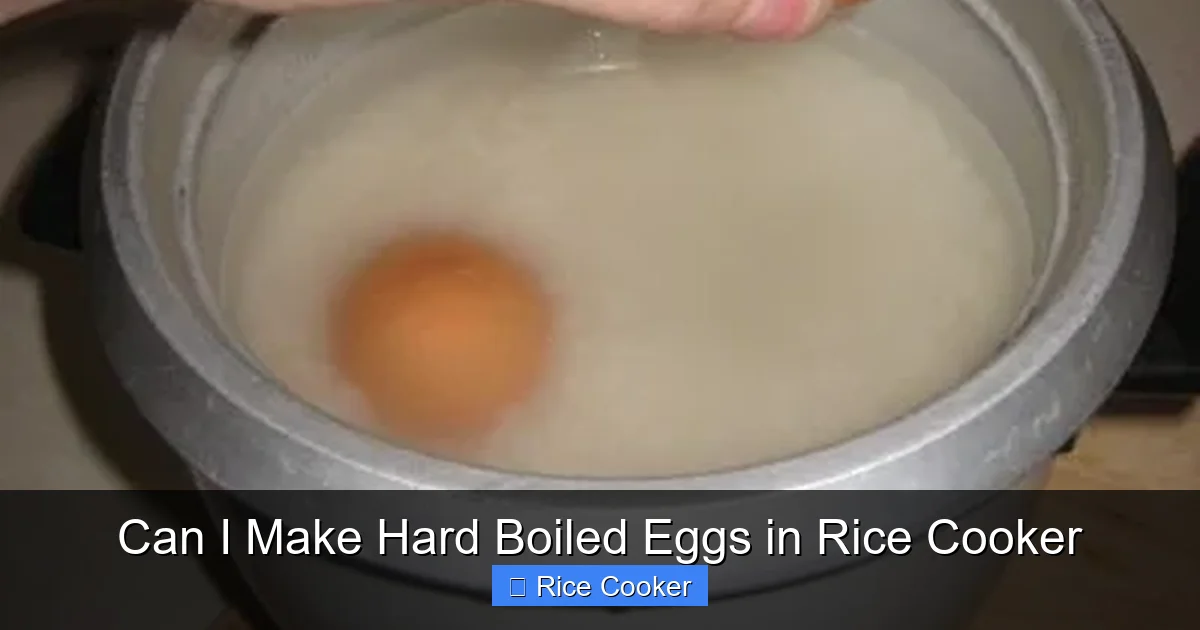
Making hard-boiled eggs in a rice cooker is not only possible but also incredibly convenient. With just water and a few minutes, you can enjoy perfectly cooked eggs without the hassle of boiling or steaming. This method saves time, uses less energy, and works great for meal prep or on-the-go snacks.
Key Takeaways
- Yes, you can make hard-boiled eggs in a rice cooker. It’s a quick, efficient, and energy-saving alternative to traditional boiling.
- No special settings are needed. Most rice cookers have a “Cook” or “Manual” mode that works perfectly for this task.
- Timing is key. Cooking time typically ranges from 12 to 18 minutes depending on egg size and desired doneness.
- Peeling is easier. Eggs cooked in a rice cooker often peel more cleanly due to even heat distribution.
- Great for batch cooking. You can cook multiple eggs at once—perfect for meal prep or feeding a family.
- Minimal cleanup required. Use a glass lid or non-stick insert to reduce sticking and make washing up a breeze.
📑 Table of Contents
- Can I Make Hard Boiled Eggs in Rice Cooker?
- The Surprising Versatility of Rice Cookers
- How to Make Hard-Boiled Eggs in a Rice Cooker
- Tips for Perfect Hard-Boiled Eggs in a Rice Cooker
- Common Mistakes to Avoid
- Benefits Beyond Convenience
- Comparing Methods: Rice Cooker vs. Stovetop
- Creative Uses for Hard-Boiled Eggs
- Frequently Asked Questions
- Final Thoughts
Can I Make Hard Boiled Eggs in Rice Cooker?
Have you ever stood over a pot of boiling water, waiting impatiently for your eggs to finish cooking? Or maybe you’ve been frustrated by eggs that crack during cooking or peel poorly? If so, you’re not alone. Hard-boiled eggs are a kitchen staple—great for breakfast, salads, snacks, or even deviled egg recipes—but traditional methods can be time-consuming and inconsistent. Enter the humble rice cooker: a kitchen appliance many of us already own, often used for grains and stews, but surprisingly capable of doing much more.
In this article, we’ll explore whether you can make hard-boiled eggs in a rice cooker, how to do it properly, and why this method might just become your new favorite kitchen hack. Whether you’re a busy parent, a college student, or someone who loves meal prepping, learning how to use your rice cooker for eggs could save you time, reduce cleanup, and give you consistently perfect results. Let’s dive in!
The Surprising Versatility of Rice Cookers
Rice cookers are no longer just for making fluffy white rice. Over the years, they’ve evolved into multi-functional kitchen tools that can steam vegetables, cook quinoa, make soups, and even bake cakes. But can they handle eggs? Absolutely. In fact, many home cooks have discovered that using a rice cooker to boil eggs is not only possible—it’s practical and effective.
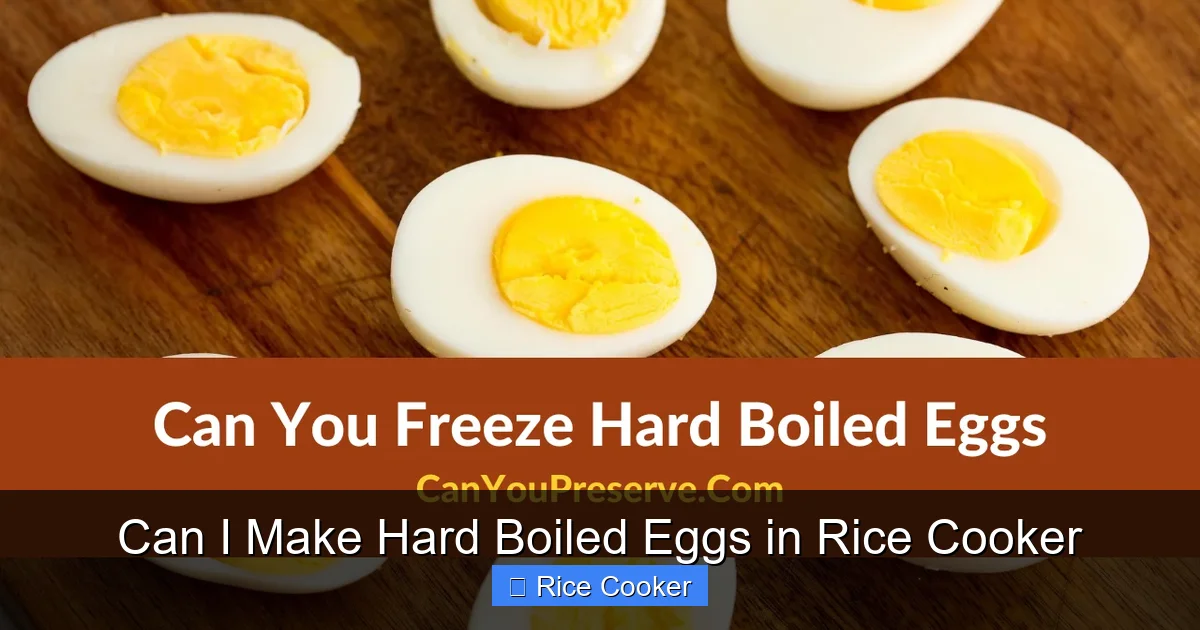
Visual guide about Can I Make Hard Boiled Eggs in Rice Cooker
Image source: canyoupreserve.com
Why Choose a Rice Cooker for Hard-Boiled Eggs?
There are several reasons why switching to a rice cooker might be a game-changer for your egg-cooking routine:
- Even Heat Distribution: Unlike a pot where heat can be uneven near the bottom, rice cookers circulate heat gently and evenly, reducing the risk of cracked shells.
- No Constant Monitoring Needed: Once you add water and press start, the rice cooker does the work. No need to watch the stove or stir constantly.
- Energy Efficient: Rice cookers use less electricity than stovetop boiling, especially if you’re cooking a small batch.
- Easy Cleanup: Many models come with non-stick inner pots, and using a steamer basket or bowl keeps eggs separate from water, minimizing mess.
- Batch-Friendly: You can cook up to 6–8 eggs at once, depending on your rice cooker size, making it ideal for families or meal prep.
Now that we’ve established the benefits, let’s walk through exactly how to make hard-boiled eggs in a rice cooker.
How to Make Hard-Boiled Eggs in a Rice Cooker
The process is shockingly simple. You don’t need any special attachments or modifications—just your rice cooker, some water, and fresh eggs. Here’s a step-by-step guide to get you started.
What You’ll Need
- Fresh eggs (as many as your rice cooker can comfortably hold)
- A rice cooker with a steamer basket or a heat-safe bowl
- Water (about 1–1.5 inches deep in the base)
- Optional: Ice bath (for easier peeling)
Step 1: Prepare Your Rice Cooker
Start by adding about 1 to 1.5 inches of water to the inner pot of your rice cooker. This creates a gentle, steamy environment that mimics a soft boil. Too little water risks dry heating, while too much can cause overflow when eggs are added.
If your rice cooker comes with a steamer basket, place it inside. If not, use a heat-safe glass or ceramic bowl that fits snugly at the bottom—this will elevate the eggs above the water level, preventing them from cracking due to direct contact.
Step 2: Add the Eggs
Gently place your eggs onto the steamer basket or into the bowl. Be careful not to drop them hard—cracks can lead to cloudy whites or messy water absorption. Space them out slightly to allow steam to circulate around each egg.
Step 3: Start Cooking
Close the lid and set your rice cooker to the “Cook” or “Manual” setting. There’s no need to adjust temperature—most rice cookers maintain a consistent 185–212°F (85–100°C), which is ideal for hard-boiling.
Cooking times vary based on egg size and your rice cooker model, but here’s a general guideline:
- Small eggs: 12–14 minutes
- Medium eggs: 14–16 minutes
- Large eggs: 16–18 minutes
- Extra-large eggs: 18–20 minutes
After the timer ends, let the pressure release naturally before opening the lid. This helps prevent sudden temperature changes that could crack the eggs.
Step 4: Cool and Peel
Once the eggs are done, transfer them immediately to an ice bath (a bowl of cold water with ice) for 5–10 minutes. This stops the cooking process and makes peeling much easier. The cool temperature causes the egg white to contract slightly, separating it from the membrane beneath the shell.
To peel, gently tap the egg on a hard surface and roll it between your hands to crack the shell all over. Then, starting from the wide end (which usually has an air pocket), peel under running water for faster results.
Tips for Perfect Hard-Boiled Eggs in a Rice Cooker
While the basic method works well, a few small tweaks can take your rice-cooker eggs from good to great.
Use Fresh Eggs
Fresh eggs are firmer and easier to peel. As eggs age, moisture evaporates from inside, creating larger air pockets that make peeling harder. For best results, use eggs that are no older than three weeks.
Don’t Overcrowd
Leave space between eggs so steam can flow freely. Overcrowding leads to uneven cooking and increases the chance of cracking.
Try the Saltwater Method
Adding a teaspoon of salt to the water helps strengthen the eggshell and reduces cracking. It also makes peeling easier by helping the membrane separate from the white.
Experiment with Timing
If you prefer slightly softer yolks (around 15 minutes), or firmer whites (up to 20 minutes), adjust the time gradually. Keep notes so you can repeat your perfect setting.
Clean Your Rice Cooker Promptly
Egg residue can stick to the inner pot if left overnight. Rinse it while still warm, and avoid using abrasive scrubbers on non-stick surfaces.
Common Mistakes to Avoid
Even with the right technique, a few common pitfalls can ruin your hard-boiled eggs. Here’s what to watch out for:
Using Old Eggs
As mentioned earlier, older eggs are harder to peel. If your eggs have been in the fridge for more than a month, consider using them for scrambling or baking instead.
Skipping the Ice Bath
Not cooling eggs quickly after cooking leads to rubbery textures and stubborn shells. Always plunge them into ice water immediately after cooking.
Opening the Lid Too Early
Sudden temperature shifts can cause eggs to crack. Wait until the rice cooker signals completion and releases pressure naturally.
Using Cold Water to Start
Starting with cold water isn’t necessary in a rice cooker since it heats evenly. However, if you’re concerned about thermal shock, you can bring water to a simmer first—though most modern rice cookers handle cold starts fine.
Benefits Beyond Convenience
Beyond saving time and effort, making hard-boiled eggs in a rice cooker offers nutritional and practical advantages.
Nutritional Value of Hard-Boiled Eggs
One large hard-boiled egg contains about:
- 70 calories
- 6 grams of protein
- 5 grams of healthy fats
- Vitamins A, D, B12, and choline
They’re a complete protein source and support muscle health, brain function, and satiety—making them perfect for weight management or active lifestyles.
Perfect for Meal Prep
Hard-boiled eggs last up to one week in the refrigerator and stay fresh in meal-prep containers. They’re easy to grab for on-the-go breakfasts, lunchbox additions, or post-workout snacks.
Eco-Friendly Option
Using a rice cooker instead of a stove reduces energy consumption. Plus, fewer dishes mean less water usage overall.
Comparing Methods: Rice Cooker vs. Stovetop
You might be wondering: is there really a difference between boiling eggs on the stove versus in a rice cooker? Let’s compare.
| Method | Time | Effort | Consistency | Cleanup |
| Stovetop | 10–15 min | High (watch closely) | Variable (depends on flame control) | Moderate (pot + strainer) |
| Rice Cooker | 12–18 min | Low (hands-off) | Very consistent | Low (single pot) |
While stovetop boiling gives you more control over heat, the rice cooker wins in convenience, consistency, and ease of use—especially for beginners or those short on time.
Creative Uses for Hard-Boiled Eggs
Once you’ve mastered making hard-boiled eggs in a rice cooker, you’ll find endless ways to use them.
Deviled Eggs
Halve cooled eggs, scoop out yolks, mix with mayo, mustard, and spices, then pipe back into shells. Top with paprika for a classic appetizer.
Egg Salad Sandwiches
Mash eggs with Greek yogurt, celery, and herbs for a lighter version of traditional egg salad. Serve on whole-grain bread.
Salad Toppings
Chop eggs and sprinkle over greens, roasted veggies, or grain bowls. They add protein and richness without heavy dressings.
Veggie-Packed Breakfast Bowls
Layer sliced eggs with avocado, spinach, cherry tomatoes, and quinoa for a nutrient-dense morning meal.
Snack Packs
Peal and portion eggs into small containers for grab-and-go snacks. Pair with nuts or fruit for balanced fuel.
Frequently Asked Questions
Can I make soft-boiled eggs in a rice cooker?
Yes! Reduce cooking time to 9–12 minutes for runny yolks. Use a timer and check early to avoid overcooking. Transfer to ice water afterward to stop cooking.
Do I need a steamer basket?
Not always. If your rice cooker doesn’t include one, use a heat-safe bowl or ramekin placed upside down to lift eggs above water. Just ensure it doesn’t touch the bottom.
Can I cook other foods with eggs in the rice cooker?
Absolutely. You can steam vegetables, cook grains like quinoa, or even make oatmeal alongside eggs. Just layer ingredients carefully to avoid cross-contamination.
Will my rice cooker smell like eggs?
Unlikely if cleaned promptly. However, if you’re sensitive to odors, add a slice of lemon or a dash of vinegar to the water—it helps neutralize smells.
Can I reuse the same water for multiple batches?
It’s not recommended. Reusing water increases bacterial risk and can affect taste. Always use fresh, cold water for each batch.
Are rice cooker eggs as safe as stovetop ones?
Yes, as long as you follow proper hygiene—use clean utensils, wash hands, and store cooked eggs in the fridge within two hours of cooking.
Final Thoughts
Making hard-boiled eggs in a rice cooker isn’t just a novelty—it’s a smart, efficient, and reliable kitchen strategy. Whether you’re preparing for a busy week, hosting a brunch, or simply craving a protein-packed snack, this method delivers consistent results with minimal fuss. With just water, a little timing, and your trusty rice cooker, you can enjoy perfectly cooked eggs every time.
So next time you reach for the pot, pause and consider your rice cooker instead. You might be surprised at how easy and effective it is. And who knows? This simple trick could become your go-to for everything from breakfast to dinner—and beyond.
Happy cooking—and eggcellent eating!
Frequently Asked Questions
Can I make soft-boiled eggs in a rice cooker?
Yes! Reduce cooking time to 9–12 minutes for runny yolks. Use a timer and check early to avoid overcooking. Transfer to ice water afterward to stop cooking.
Do I need a steamer basket?
Not always. If your rice cooker doesn’t include one, use a heat-safe bowl or ramekin placed upside down to lift eggs above water. Just ensure it doesn’t touch the bottom.
Can I cook other foods with eggs in the rice cooker?
Absolutely. You can steam vegetables, cook grains like quinoa, or even make oatmeal alongside eggs. Just layer ingredients carefully to avoid cross-contamination.
Will my rice cooker smell like eggs?
Unlikely if cleaned promptly. However, if you’re sensitive to odors, add a slice of lemon or a dash of vinegar to the water—it helps neutralize smells.
Can I reuse the same water for multiple batches?
It’s not recommended. Reusing water increases bacterial risk and can affect taste. Always use fresh, cold water for each batch.
Are rice cooker eggs as safe as stovetop ones?
Yes, as long as you follow proper hygiene—use clean utensils, wash hands, and store cooked eggs in the fridge within two hours of cooking.