
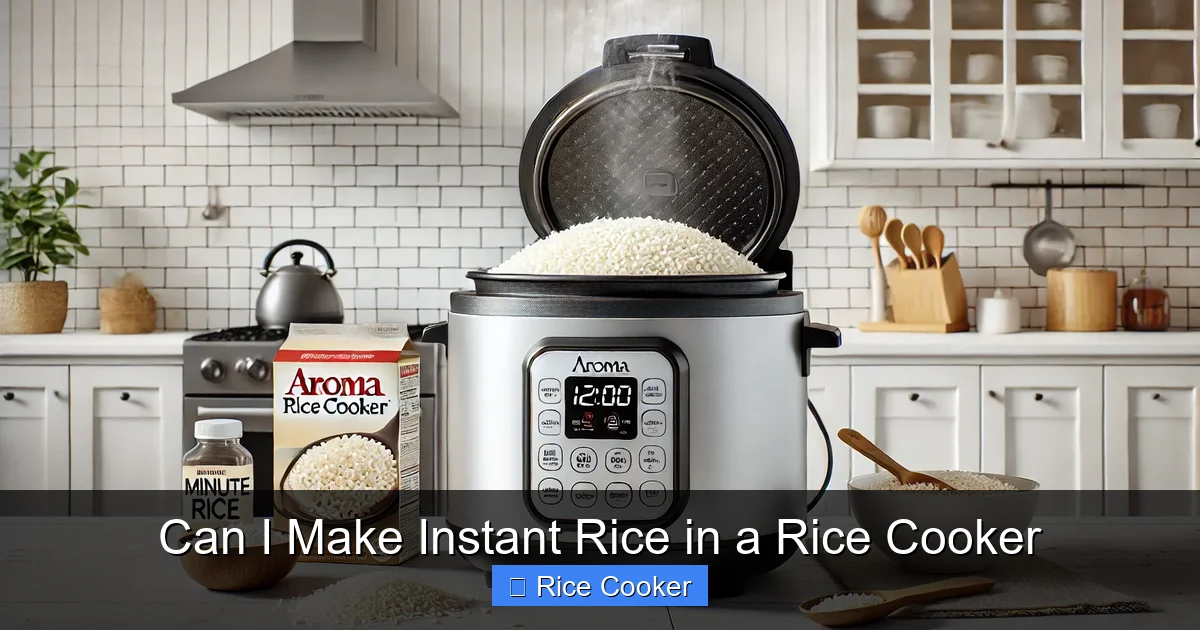
Can you make instant rice in a rice cooker? Absolutely! While rice cookers are designed for regular rice, they work perfectly with instant rice too—just skip the stove and save time. With minimal effort, you’ll have fluffy, ready-to-eat grains that taste great every time.
Key Takeaways
- Instant Rice Works in a Rice Cooker: Yes, you can prepare instant rice in a rice cooker—no special settings needed.
- Time-Saving Method: It cuts down prep and cooking time by combining water, rice, and heat in one step.
- Adjust Water Ratio Slightly: Use 1 cup water for every 1 cup of instant rice, but adjust based on desired texture.
- No Pre-Rinsing Required: Instant rice doesn’t need rinsing before cooking in the rice cooker.
- Fluffy Results Every Time: The rice cooker’s automated cycle ensures even cooking and perfect doneness.
- Great for Meal Prep: Make large batches ahead of time for easy grab-and-go lunches or dinners.
📑 Table of Contents
- Can I Make Instant Rice in a Rice Cooker?
- Why Use a Rice Cooker for Instant Rice?
- How to Make Instant Rice in a Rice Cooker
- Different Types of Instant Rice and Their Cooking Times
- Common Mistakes to Avoid
- Creative Ways to Serve Instant Rice
- Cleaning and Maintenance Tips
- Energy Efficiency and Safety
- Comparing Rice Cookers for Instant Rice
- Conclusion
Can I Make Instant Rice in a Rice Cooker?
If you’re standing in your kitchen wondering whether you can make instant rice in a rice cooker, the answer is a resounding yes. In fact, using your rice cooker for instant rice might just be the easiest, most convenient way to get a perfectly cooked side dish—or even a main course—without lifting a finger beyond pouring in ingredients and pressing start.
You might be thinking, “But isn’t instant rice supposed to be quick because it’s already partially cooked?” And you’re right! That’s exactly what makes it ideal for the rice cooker. Since instant rice only needs short cooking time and gentle heat, the rice cooker’s controlled environment ensures it cooks evenly without becoming mushy or sticking to the bottom. Plus, you avoid the hassle of boiling water on the stovetop and monitoring the pot—something many people love about rice cookers.
Whether you’re making a last-minute dinner, prepping meals for the week, or simply want a no-fuss side dish, using a rice cooker for instant rice is not only possible—it’s practical, reliable, and surprisingly delicious. Let’s dive into how it works, why it’s better than traditional methods, and how to do it right every time.
Why Use a Rice Cooker for Instant Rice?
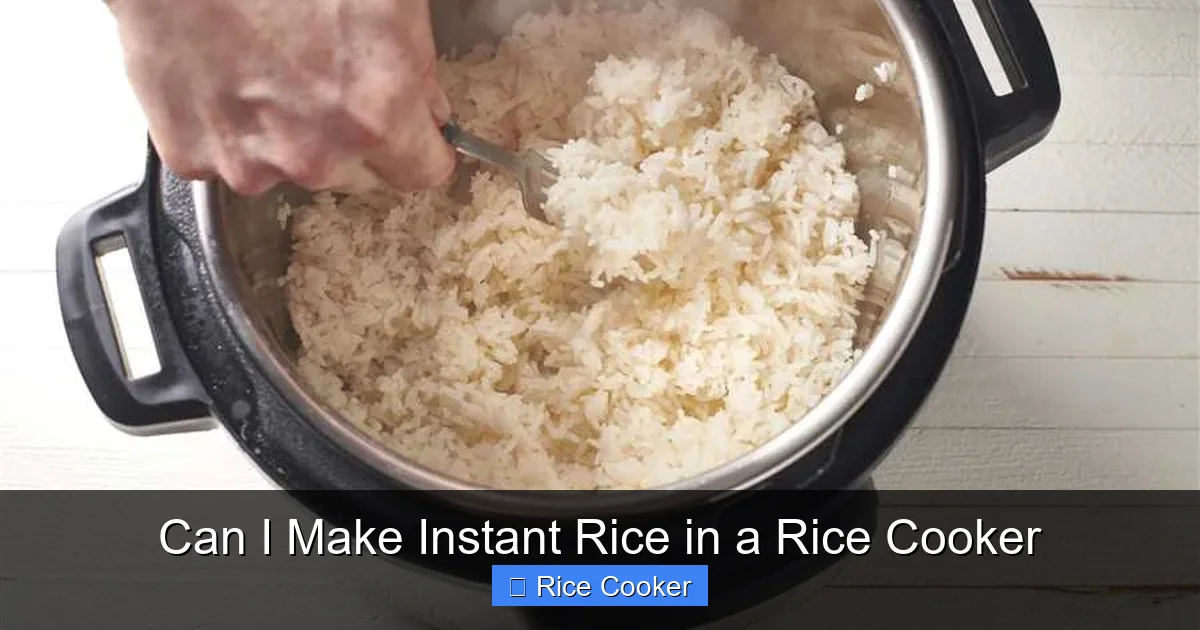
Visual guide about Can I Make Instant Rice in a Rice Cooker
Image source: metrocookingdallas.com
Using a rice cooker for instant rice may sound unconventional at first—after all, you usually associate rice cookers with long-grain white rice, brown rice, or even quinoa. But here’s the thing: rice cookers are versatile appliances designed to automate the cooking process, and they handle instant rice like a pro.
One of the biggest advantages of using a rice cooker is convenience. Instead of bringing a pot of water to a boil, adding the rice, reducing the heat, and waiting while stirring occasionally, you simply measure the rice and water, press a button, and walk away. The rice cooker takes care of everything—from heating to steaming—and automatically switches to “warm” mode once done.
Another benefit is consistency. Unlike stovetop cooking, where timing and heat control can vary, rice cookers maintain a steady temperature throughout the cycle. This means your instant rice comes out fluffy, separated, and never overcooked. You also reduce the risk of burning or sticking, especially if you’re multitasking or getting distracted.
Additionally, using a rice cooker helps conserve energy. Most rice cookers use less electricity than running a stove burner for extended periods. And since they’re compact and easy to clean, they’re perfect for small kitchens or dorm rooms.
For anyone who values speed without sacrificing quality, the rice cooker is an excellent tool for preparing instant rice. Whether you’re cooking for one or feeding a family, this method saves time, reduces cleanup, and delivers reliable results every time.
The Science Behind Cooking Instant Rice
Before we get into the steps, let’s talk a little science. Instant rice is parboiled—meaning it’s partially cooked and dried before packaging. This process removes much of the moisture, making it faster to finish cooking. When you add hot water (or steam) to instant rice, the grains rehydrate and complete their cooking process.
In a rice cooker, this happens through steam and direct heat. The appliance heats the water, which then turns into steam, gently cooking the rice from below and around. Because the rice cooker maintains a consistent temperature, the grains absorb moisture evenly, leading to uniform texture and preventing clumping.
Unlike boiling, which can cause instant rice to break apart or become gluey, steaming in a rice cooker preserves the shape and structure of the grains. This is why rice cookers produce better results than boiling for instant rice.
Benefits Over Stovetop Methods
Many people default to the stovetop for instant rice because it seems simple—boil water, add rice, simmer, and serve. But when compared to using a rice cooker, the stovetop has several drawbacks:
- More Active Monitoring Needed: You have to keep an eye on the pot to prevent overflow or sticking.
- Inconsistent Heat: Burners can fluctuate in temperature, leading to uneven cooking.
- More Mess: Spills and splatters are common when boiling.
- Larger Cleanup: Pots and burners require scrubbing after use.
The rice cooker eliminates all these issues. Once you’ve added the ingredients, you can focus on other tasks. There’s no stirring required, and cleanup is as simple as wiping the inner pot.
How to Make Instant Rice in a Rice Cooker
Making instant rice in a rice cooker is incredibly straightforward. Follow these simple steps for foolproof results every time.
Gather Your Ingredients and Tools
You’ll need:
– Instant rice (white or brown, depending on your preference)
– Water (hot tap water works fine, or bring it to a boil first)
– A measuring cup
– A rice cooker with a standard inner pot
Most instant rice brands recommend a 1:1 ratio of water to rice. For example, 1 cup of instant rice requires 1 cup of water. However, this can vary slightly depending on brand and desired texture.
Step-by-Step Instructions
- Measure the Rice: Start by measuring out the amount of instant rice you want to cook. Use the cup provided in your rice cooker or a standard measuring cup.
- Add Water: Pour 1 cup of water (or hot water if preferred) into the rice cooker’s inner pot. For larger quantities, double or triple the recipe accordingly.
- Add the Rice: Gently pour the instant rice into the water. Stir lightly with a spoon to distribute the rice evenly.
- Close and Start: Place the inner pot back into the rice cooker, close the lid, and select the “Cook” or “White Rice” setting. If your model has multiple settings, choose the one closest to white rice unless you’re using brown instant rice.
- Wait and Enjoy: The rice cooker will automatically switch to “Warm” mode once done. Let it sit for 5 minutes before fluffing with a fork. This allows the grains to settle and steam slightly, improving texture.
That’s it! In under 15 minutes, you’ll have hot, fluffy instant rice ready to serve.
Tips for Perfect Results
- Use Hot Water: Starting with hot water speeds up the cooking process and reduces total time.
- Don’t Overfill: Avoid filling the pot above the maximum line to prevent spills during cooking.
- Fluff Gently: Use a fork to fluff the rice instead of a spoon, which can mash the grains.
- Season After Cooking: Add butter, salt, or herbs after cooking for better flavor control.
Different Types of Instant Rice and Their Cooking Times
Not all instant rice is created equal. Some are labeled “instant” or “quick-cooking,” while others fall under categories like “parboiled” or “enriched.” Understanding the differences helps you choose the right type and adjust cooking times accordingly.
White Instant Rice
White instant rice is the most common variety. It’s milled to remove the bran and germ, giving it a soft, tender texture. Because it’s already partially cooked and dried, it rehydrates quickly in the rice cooker.
- Cooking Time: Typically 5–7 minutes in a rice cooker.
- Best For: Side dishes, fried rice, casseroles.
- Texture: Fluffy, separate grains.
Brown Instant Rice
Brown instant rice retains more nutrients and fiber due to the outer bran layer. While it takes longer to cook than white rice, it still benefits greatly from the rice cooker’s automation.
- Cooking Time: 8–10 minutes in a rice cooker.
- Best For: Health-conscious meals, grain bowls, salads.
- Texture: Slightly chewier, nuttier flavor.
Wild or Long-Grain Instant Rice
Some brands offer wild or long-grain instant rice varieties. These often have a firmer texture and distinct color.
- Cooking Time: 6–9 minutes.
- Best For: Pilafs, stuffing, ethnic dishes.
- Tip: Soak for 10 minutes before cooking to reduce cooking time further.
Pre-Cooked or Enriched Varieties
Certain brands enrich instant rice with vitamins and minerals during processing. These types behave similarly to regular instant rice but may have a slightly different texture.
Always check the package instructions for specific ratios and cooking times, but the general rice cooker method remains the same.
Common Mistakes to Avoid
Even though making instant rice in a rice cooker is simple, there are a few common pitfalls people run into. Here’s how to avoid them.
Using Too Much Water
While instant rice cooks faster than regular rice, using too much water can result in soggy, mushy grains. Stick to the recommended 1:1 ratio, and if you prefer softer rice, increase water by ¼ cup.
Skipping the Resting Period
After the rice cooker switches to “Warm,” it’s tempting to eat immediately. But letting it rest for 5 minutes allows steam to distribute evenly and improves texture. Skipping this step can lead to uneven grains.
Stirring During Cooking
Avoid opening the rice cooker or stirring while it’s cooking. Doing so releases steam and can disrupt the cooking cycle, leading to undercooked or uneven rice.
Using Cold Water
Cold water slows down the cooking process. For best results, use hot tap water or warm water from the kettle.
Not Cleaning the Inner Pot Properly
Instant rice can leave residue, especially if cooked with broth or sauces. Always rinse the inner pot with warm, soapy water after use.
Creative Ways to Serve Instant Rice
Once your rice is cooked, the possibilities are endless. Here are some creative ideas to elevate your instant rice dishes.
Garlic Herb Rice
Add minced garlic and fresh herbs like parsley or cilantro to the rice during the last minute of cooking for a flavorful twist.
Cheese and Butter Rice
After cooking, stir in shredded cheddar cheese, a knob of butter, and a pinch of salt until melted and creamy.
Fajita Rice Bowl
Combine cooked instant rice with sautéed peppers, onions, grilled chicken, black beans, and salsa for a quick Mexican-inspired meal.
Risotto-Inspired Cream Rice
Instead of water, use vegetable or chicken broth. Stir in a splash of cream and Parmesan cheese for a risotto-like texture.
Fried Rice
Sauté cooked instant rice with soy sauce, scrambled eggs, peas, and diced carrots. Perfect for leftovers!
Sweet Rice Dessert
Try making a simple dessert by mixing cooked rice with honey, cinnamon, and raisins. Serve warm with milk or yogurt.
These variations show how versatile instant rice can be—especially when cooked in a rice cooker.
Cleaning and Maintenance Tips
Keeping your rice cooker in good condition ensures long-lasting performance. Here’s how to maintain it properly.
Clean the Inner Pot Immediately
Residue from instant rice can harden over time. Rinse the pot right after use to prevent buildup.
Avoid Using Metal Utensils
Stick to silicone, wood, or plastic utensils to protect the non-stick coating of the inner pot.
Check the Steam Vent Regularly
Ensure the steam vent isn’t blocked by food particles or grease. Clean it with a soft brush or toothpick if necessary.
Wipe the Exterior
Use a damp cloth to wipe the outside of the rice cooker. Avoid submerging the base in water.
Store Properly
Keep the rice cooker unplugged and store the inner pot separately if not in use for long periods.
With proper care, your rice cooker will continue to deliver perfect instant rice for years.
Energy Efficiency and Safety
Rice cookers are generally energy-efficient appliances. They consume less power than stovetops and automatically shut off or switch to “Warm” mode, reducing the risk of overcooking.
Safety features include automatic shutoff, cool-touch exteriors, and insulated handles. Always read the user manual for specific safety guidelines.
When using instant rice, ensure the rice cooker is on a stable, dry surface. Never operate it with wet hands or over a wet area.
For households with children, consider models with child-lock features to prevent accidental activation.
Comparing Rice Cookers for Instant Rice
Not all rice cookers are created equal. Some are better suited for instant rice due to size, capacity, and features.
Compact Models (1–3 Cups)
Ideal for individuals or small portions. Perfect for testing instant rice recipes.
Standard Models (5–10 Cups)
Great for families. Look for models with multiple cooking modes and delay timers.
Smart Rice Cookers
Some modern rice cookers connect to apps and allow remote monitoring. These are great for tech-savvy users who want precision.
When choosing a rice cooker, consider your household size, usage frequency, and budget. For most people, a basic 5-cup model is sufficient for cooking instant rice.
Conclusion
Yes, you can absolutely make instant rice in a rice cooker, and doing so offers numerous benefits—convenience, consistency, and speed. Whether you’re using white, brown, or specialty instant rice, the rice cooker handles it with ease. By following simple steps and avoiding common mistakes, you’ll enjoy perfectly cooked, fluffy grains every time.
From quick weeknight dinners to meal prep staples, instant rice in a rice cooker is a game-changer. It’s no wonder more people are turning to this method for their daily meals. So next time you’re short on time, reach for your rice cooker—and discover how easy it is to make delicious instant rice without the fuss.
Frequently Asked Questions
Can I make instant rice in any rice cooker?
Yes, most standard rice cookers work well with instant rice. Just ensure the inner pot is clean and follow the recommended water-to-ratio.
Do I need to rinse instant rice before cooking it in a rice cooker?
No, instant rice does not need to be rinsed before cooking in a rice cooker. Rinsing is typically only required for long-grain rice to remove excess starch.
How much water should I use for instant rice in a rice cooker?
Use 1 cup of water for every 1 cup of instant rice. Adjust slightly if you prefer softer or firmer texture.
Can I cook instant rice in a rice cooker overnight?
No, it’s not safe to leave rice cooking overnight. The rice cooker will turn off after cooking, but storing cooked rice at room temperature for too long increases the risk of bacterial growth.
Is instant rice healthier than regular rice?
It depends. Brown instant rice retains more nutrients than white regular rice, but both lose some vitamin content during processing. For convenience and nutrition balance, brown options are often preferred.
Can I add seasonings to instant rice in the rice cooker?
Yes, you can add a pinch of salt, garlic powder, or herbs during cooking. For stronger flavors like butter or cheese, add them after the rice is cooked and fluffed.