
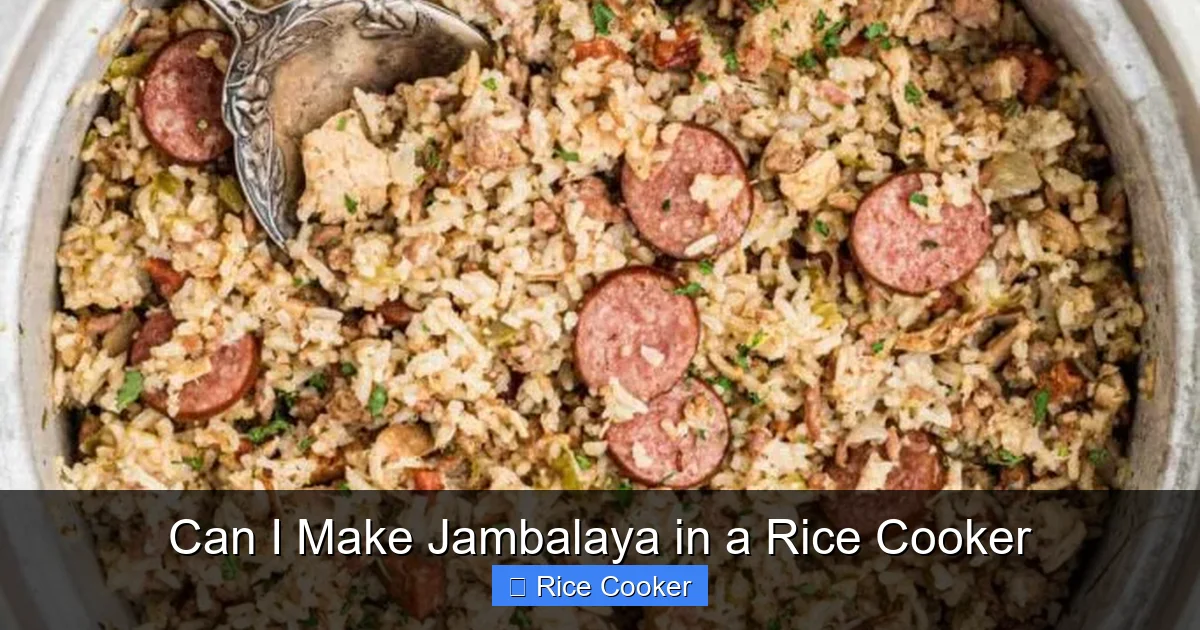
Can I make jambalaya in a rice cooker? Absolutely! It’s not only possible—it’s one of the easiest ways to prepare this hearty Louisiana favorite. With just a few simple steps, you can enjoy smoky, spiced rice and sausage without standing over a hot stove. Whether you’re a beginner cook or short on time, this hands-off method delivers restaurant-quality results every time.
Key Takeaways
- Understanding can i make jambalaya in a rice cooker: Provides essential knowledge
📑 Table of Contents
- Can I Make Jambalaya in a Rice Cooker? The Quick Answer (and Why It Works)
- The Science Behind Why Your Rice Cooker Is Perfect for Jambalaya
- Essential Ingredients & What Makes Authentic Jambalaya
- Step-by-Step Guide: How to Make Jambalaya in a Rice Cooker
- Pro Tips for Elevating Your Rice Cooker Jambalaya
- Troubleshooting Common Mistakes (& How to Fix Them)
- Nutritional Info & Dietary Adaptations
- Frequently Asked Questions About Making Jambalaya in a Rice Cooker
- Conclusion: Why Every Kitchen Needs This Simple Method
Can I Make Jambalaya in a Rice Cooker? The Quick Answer (and Why It Works)
If someone asked me whether I could make jambalaya in a rice cooker, my answer would be an enthusiastic yes—without hesitation. In fact, using a rice cooker isn’t just possible; it might even be better than traditional stovetop methods for most home cooks. Why? Because rice cookers are designed to maintain consistent heat, monitor moisture levels, and prevent scorching—something notoriously tricky when making dishes that combine rice with liquids and proteins.
Jambalaya, at its core, is a one-pot meal born from Louisiana’s Creole and Cajun traditions. It’s made with rice cooked in a seasoned broth, usually packed with meat like sausage, chicken, and sometimes shrimp. Traditionally, this is done on the stove with careful attention to timing so the rice doesn’t stick or dry out. But modern rice cookers eliminate those worries entirely. They do the heavy lifting automatically, giving you perfectly fluffy grains every single time—even when you throw in bold flavors and rich broths.
In this comprehensive guide, we’ll walk through everything you need to know about making jambalaya in a rice cooker: from choosing the right ingredients to adjusting recipes for dietary needs, plus pro tips for maximizing flavor and texture. Whether you’re cooking for one or feeding a crowd, this method delivers big, bold taste with zero stress.
The Science Behind Why Your Rice Cooker Is Perfect for Jambalaya
Before diving into recipes, let’s talk about why this kitchen appliance is such a natural fit for jambalaya. Unlike boiling water or simmering pots on high heat—which can lead to uneven cooking or burnt rice—rice cookers operate using precise thermal regulation. Once they reach boiling point, they switch to “warm” mode, maintaining ideal conditions until all liquid is absorbed. This means your rice stays tender, not mushy, and your flavors meld beautifully without scorching.
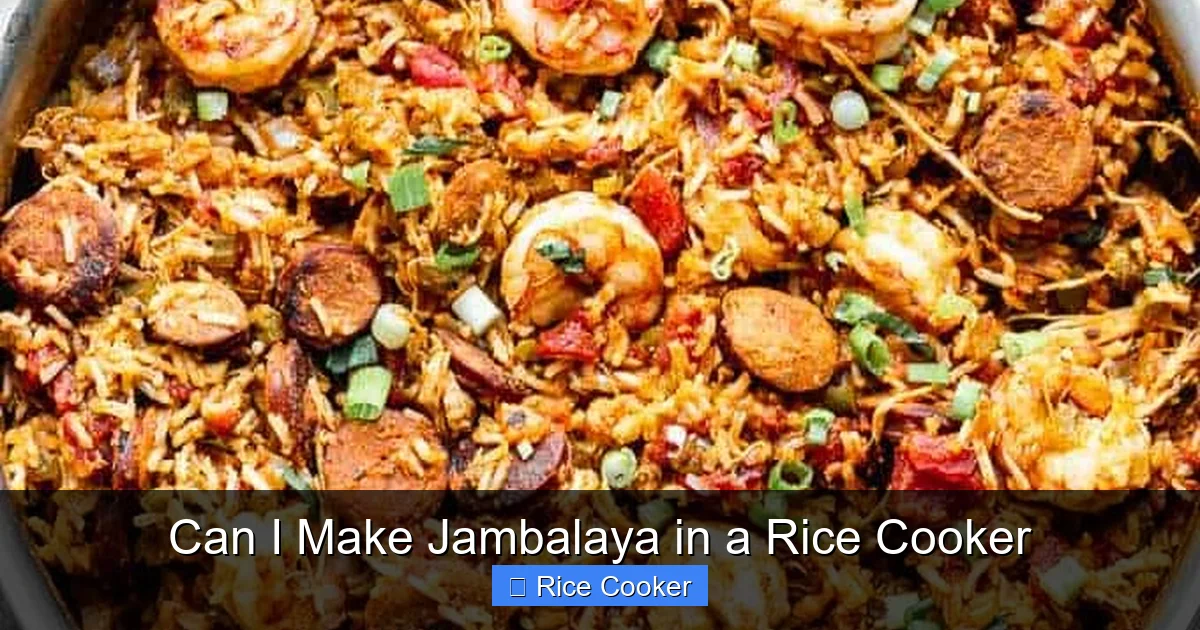
Visual guide about Can I Make Jambalaya in a Rice Cooker
Image source: therecipecritic.com
How Rice Cookers Handle Moisture Like a Pro
One of the biggest challenges with stovetop jambalaya is managing evaporation. Too much liquid evaporates too quickly, leaving rice undercooked; too little, and it becomes gluey. Rice cookers solve this by sealing tightly during cooking (especially models with steam vents controlled by timers), ensuring every grain gets exactly what it needs.
Consistent Heat = Consistent Results
Rice cookers don’t fluctuate between high and low heat like burners. That steady temperature prevents hot spots where ingredients might stick or burn—common issues when searing sausage directly in the pot. By pre-cooking meats first (as we’ll explain), you avoid these problems while still building deep flavor layers.
Time-Saving Without Sacrificing Flavor
You might think skipping the stovetop means sacrificing authenticity. Not true! Many professional chefs now recommend rice cookers precisely because they allow more efficient prep. You chop veggies ahead, brown meats in batches, then combine everything in one go. No babysitting required—just set it and forget it.
Essential Ingredients & What Makes Authentic Jambalaya
To truly nail jambalaya in your rice cooker, you’ve got to start with quality ingredients. While you can tweak recipes based on preference, sticking close to tradition ensures that signature Southern kick.
The Holy Trinity: Onions, Celery & Bell Peppers
Every great bowl of jambalaya begins with the “holy trinity” of Creole cooking: diced yellow onions, chopped celery, and green bell peppers. These three veggies form the aromatic foundation of your dish. Sauté them until soft and translucent—this step is non-negotiable for depth of flavor.
Smoked Sausage Is Non-Negotiable
Andouille sausage gives jambalaya its unmistakable smokiness and spicy bite. Look for brands labeled “smoked andouille” at your grocery store’s deli counter or specialty aisle. If unavailable, substitute with smoked kielbasa or chorizo—but skip fresh sausages, as they lack the needed richness.
Protein Options: Chicken, Shrimp & Beyond
Traditional recipes call for chicken thighs (bone-in, skinless) and shrimp. However, feel free to get creative! Leftover rotisserie chicken works wonderfully. Or try turkey sausage instead of pork for lighter versions. Just remember to adjust cooking times accordingly—chicken needs longer than shrimp!
Broth vs. Water: Which Should You Use?
Using chicken broth instead of plain water amps up flavor significantly. Homemade stock is ideal, but store-bought low-sodium versions work fine too. Avoid bouillon cubes unless diluted properly—they can oversalt your dish.
Cajun Seasoning: Don’t Skimp Here
Authentic jambalaya relies heavily on Cajun spice blends containing paprika, cayenne, black pepper, garlic powder, onion powder, thyme, and oregano. Buy pre-mixed blends (like Tony Chachere’s or Zatarain’s) or make your own mix. A little goes a long way—start mild if you’re sensitive to heat!
Step-by-Step Guide: How to Make Jambalaya in a Rice Cooker
Ready to cook? Follow this foolproof process for foolproof results every time. We’ll break it down into manageable stages so even novice cooks feel confident heading to the kitchen.
Prep Work: Get Everything Ready First
Before turning on any appliances, gather and prep all ingredients. Dice onions, celery, and peppers finely (smaller pieces cook faster). Cut chicken into bite-sized chunks and slice sausage into coins. Measure out rice, broth, and spices. Having everything prepped minimizes chaos later—a golden rule in any recipe.
Sautéing Veggies & Meats: Build Flavor Base
While your rice cooker sits idle, heat olive oil or butter in a skillet over medium-high heat. Add the holy trinity and cook 5–7 minutes until softened. Push veggies aside and add sliced sausage; sear 2–3 minutes per side until golden. Remove meats and set aside. In same pan, cook chicken pieces until lightly browned (about 4 minutes per side). Keep meats separate for now—don’t overcrowd the pan!
Layering Ingredients in the Rice Cooker Pot
Here’s the magic moment: transfer sautéed veggies and browned meats back into the rice cooker insert. Sprinkle generous amount of Cajun seasoning over everything. Now add uncooked rice and stir gently to coat. Pour in warm broth (hot liquids help kickstart cooking faster) and give it one final mix. Don’t worry—no need to scrape every bit from the skillet!
Cooking Time & What to Expect
Close the lid securely and select the “White Rice” setting (or equivalent). Total active time takes about 20 minutes; total wait time adds another 15–20 minutes as the cooker does its thing. You’ll hear a series of clicks as it cycles through heating phases. When finished, let it sit undisturbed for 5 minutes—this allows residual steam to finish cooking the bottom layer without drying out.
Fluffing & Adjusting Seasoning
Open the lid carefully (watch for escaping steam!) and fluff the rice with a fork. Taste and adjust salt/pepper if needed. Some people like to squeeze fresh lemon juice over top for brightness. Others sprinkle extra Cajun spice for heat. Go wild!
Pro Tips for Elevating Your Rice Cooker Jambalaya
Want to take your dish from good to unforgettable? Try these insider tricks shared by home cooks who’ve mastered the art.
Toast the Rice First for Nutty Depth
Skip straight-to-broth rice and instead toast it dry in a separate pan for 2–3 minutes until lightly golden. This adds nutty complexity and prevents clumping. Bonus: toasted rice absorbs more flavor from the broth!
Use Warm Broth for Faster Cooking
Cold liquid slows down the initial phase. Warm broth (not boiling!) helps jumpstart gelatinization of starch molecules, leading to faster, more even absorption.
Add Shrimp During Last 5 Minutes
Shrimp cooks quickly and can become rubbery if overdone. Add it during the final stage by pressing “Cancel” once rice is done, tossing in shrimp, and letting it sit covered for 5 minutes to absorb remaining steam heat.
Make It Vegetarian? No Problem!
Replace meats with extra veggies like okra, mushrooms, or sweet potatoes. Use vegetable broth and bump up the spice level. Top with crumbled tofu for protein.
Double the Batch & Freeze for Later
Jambalaya tastes even better reheated! Portion leftovers into freezer-safe containers. Thaw overnight in fridge and reheat on stovetop with splash of broth to loosen texture.
Serve with Classic Sides
Pair with crusty French bread, coleslaw, or cornbread. A cold beer or sweet tea completes the meal. Garnish with green onions or parsley for freshness.
Troubleshooting Common Mistakes (& How to Fix Them)
Even with the best tools, mistakes happen. Here’s how to rescue your jambalaya if things go sideways.
Problem: Rice Stuck to Bottom
This usually happens if the pot wasn’t greased or if too much liquid evaporated. Next time, add a tablespoon of oil or butter before adding rice. Also, never stir during the last 10 minutes of cooking—let it settle naturally.
Problem: Underseasoned Dish
If flavors seem flat, don’t add more spices while cooking! Instead, toss cooked jambalaya with a pat of butter and a squeeze of lime juice. Butter carries fat-soluble flavors better than dry seasonings.
Problem: Mushy or Soupy Consistency
Too much liquid causes sogginess. Stick strictly to 1:1.5 rice-to-broth ratio. For future batches, reduce broth slightly or increase cooking time by 2–3 minutes next round.
Problem: Burnt Smell After Unplugging
Some rice cookers have auto-warm functions that keep food at unsafe temps for too long. Turn off immediately after done cooking and unplug. Let cool completely before washing parts.
Nutritional Info & Dietary Adaptations
Jambalaya can be both comforting and nutritious—when made wisely. Here’s how to tweak it for different lifestyles.
Calorie Counts Vary Widely
A typical serving (1.5 cups) contains roughly 400–600 calories depending on meat choices and portion sizes. Pork sausage and chicken contribute most calories; rice provides complex carbs for sustained energy.
Low-Carb Version? Try Cauliflower Rice
Swap white rice with riced cauliflower. Steam or microwave florets until tender, then follow same cooking steps. Reduces carbs by 75% and keeps volume similar.
Paleo-Friendly Approaches
Eliminate grains entirely. Serve sautéed meats and veggies over lettuce wraps or alongside zucchini noodles. Use coconut milk instead of broth for creamier texture.
Vegan Option? Think Again…
True vegan jambalaya replaces animal products with textured vegetable protein (TVP), seitan strips, or lentils. Season generously and use mushroom broth for umami punch. Top with avocado slices.
Dairy-Free? Naturally Occurring
Most traditional recipes are dairy-free. If you prefer richness, stir in a splash of unsweetened almond milk or coconut cream at the end.
Kid-Friendly Modifications
Reduce cayenne to half teaspoon or omit entirely. Replace sausage with diced ham or shredded chicken. Kids often love the colorful veggies and chewy rice.
Frequently Asked Questions About Making Jambalaya in a Rice Cooker
Do I really need to sauté everything beforehand?
Yes! Browning meats and veggies before adding to the rice cooker develops Maillard reaction flavors—the deep, savory notes that make jambalaya special. Skipping this step yields bland results.
Can I use instant rice instead of long-grain?
Not recommended. Instant rice tends to break apart and creates gummy texture when cooked with extra liquid. Stick with regular long-grain white rice for best structure.
What if I don’t have a rice cooker with a steaming basket?
No problem! Just cook everything together in the main pot. Increase broth slightly (add ¼ cup extra) and check halfway through for doneness. Stir once gently near the end.
How do I reheat leftover jambalaya safely?
Transfer to shallow container and reheat on stovetop over medium-low heat, stirring occasionally and adding splash of broth as needed. Alternatively, microwave in 30-second bursts, mixing between each.
Will my rice cooker smell like smoke afterward?
Possibly—especially if using strongly flavored sausage. To minimize odors, clean insert thoroughly with soap and water immediately after use. Baking soda paste works wonders on stubborn residues.
Can I freeze jambalaya for months?
Yes! Cool completely, portion into airtight containers, and freeze up to 3 months. Thaw in refrigerator overnight before reheating. Texture may soften slightly, but flavor remains intact.
Conclusion: Why Every Kitchen Needs This Simple Method
So there you have it—making jambalaya in a rice cooker isn’t just possible; it’s arguably smarter than old-school techniques. With minimal effort and maximum payoff, you’ll enjoy restaurant-quality meals week after week. The key lies in proper prep, quality ingredients, and trusting your appliance to do the rest.
Whether you’re new to Cajun cuisine or a seasoned cook looking for convenience, this approach opens up endless possibilities. Experiment with seasonal produce, swap proteins based on pantry availability, and never fear adjusting spice levels. Remember: there’s no single “right” way—only delicious variations you’ll want to recreate.
Next time you’re craving something warm, hearty, and full of soulful flavor, reach for your rice cooker. Your taste buds (and busy schedule) will thank you.
Frequently Asked Questions
Do I really need to sauté everything beforehand?
Yes! Browning meats and veggies before adding to the rice cooker develops Maillard reaction flavors—the deep, savory notes that make jambalaya special. Skipping this step yields bland results.
Can I use instant rice instead of long-grain?
Not recommended. Instant rice tends to break apart and creates gummy texture when cooked with extra liquid. Stick with regular long-grain white rice for best structure.
What if I don’t have a rice cooker with a steaming basket?
No problem! Just cook everything together in the main pot. Increase broth slightly (add ¼ cup extra) and check halfway through for doneness. Stir once gently near the end.
How do I reheat leftover jambalaya safely?
Transfer to shallow container and reheat on stovetop over medium-low heat, stirring occasionally and adding splash of broth as needed. Alternatively, microwave in 30-second bursts, mixing between each.
Will my rice cooker smell like smoke afterward?
Possibly—especially if using strongly flavored sausage. To minimize odors, clean insert thoroughly with soap and water immediately after use. Baking soda paste works wonders on stubborn residues.
Can I freeze jambalaya for months?
Yes! Cool completely, portion into airtight containers, and freeze up to 3 months. Thaw in refrigerator overnight before reheating. Texture may soften slightly, but flavor remains intact.